Some links here are affiliate links. If you buy through them, it helps keep Fermentfulness growing — at no extra cost to you. I only recommend tools I’ve used, tested, and truly love. Learn more.
Cooking & Kitchen Gear
4.7
Description
The Pan I Bought After My Third Non-Stick Started Flaking
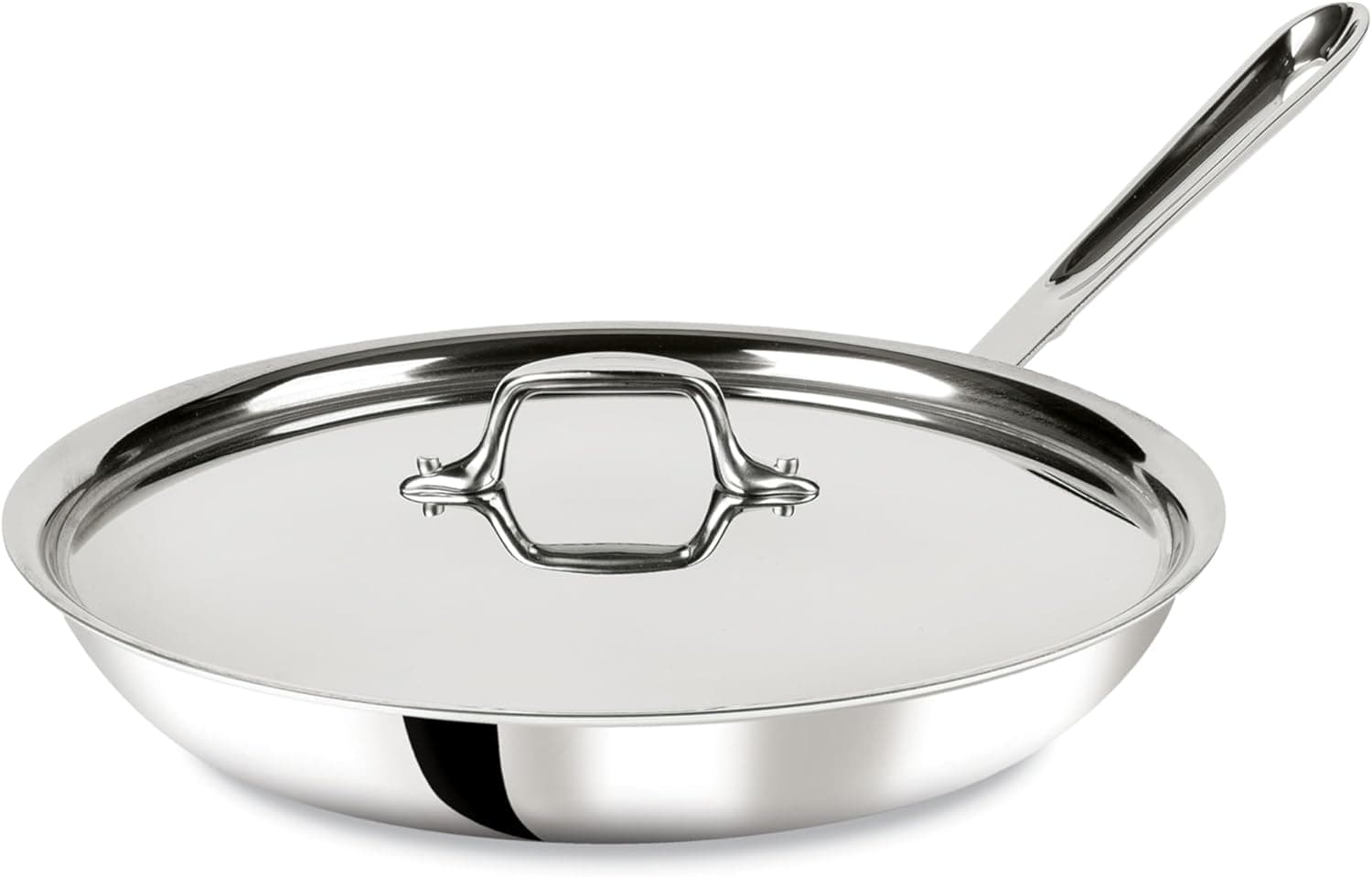
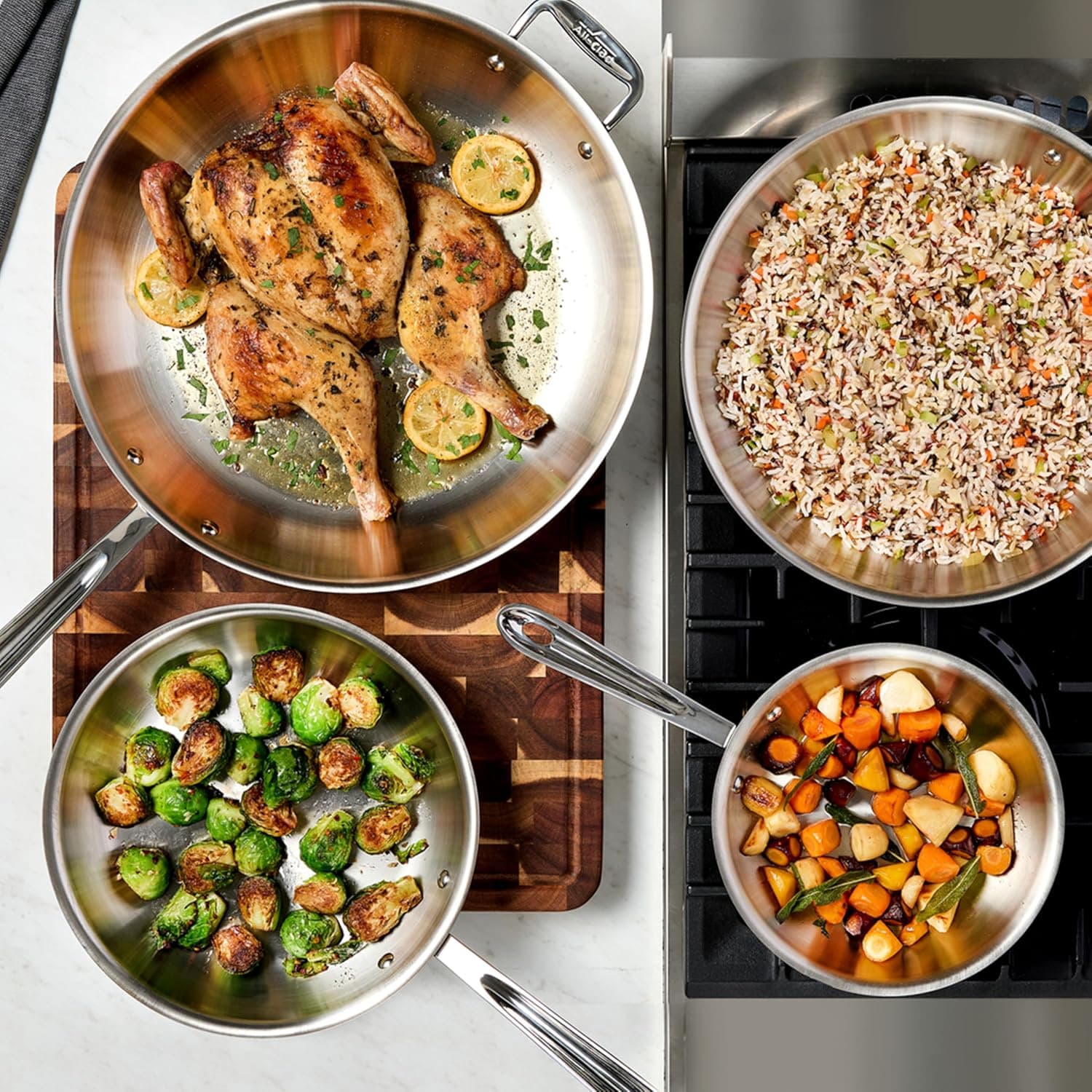
Look, I get it. $100+ for a frying pan sounds insane when you can get one for $20 at Target. But after watching black flakes float in my eggs for the third time, I did the math. I'd spent $180 on cheap pans over 5 years. This All-Clad has been going strong for 3 years without a single issue. Turns out the professionals use these for a reason — they actually work and don't poison your food.
What Makes This Different From Amazon Stainless
- Tri-ply all the way to the rim — not just a disc on the bottom like cheap pans
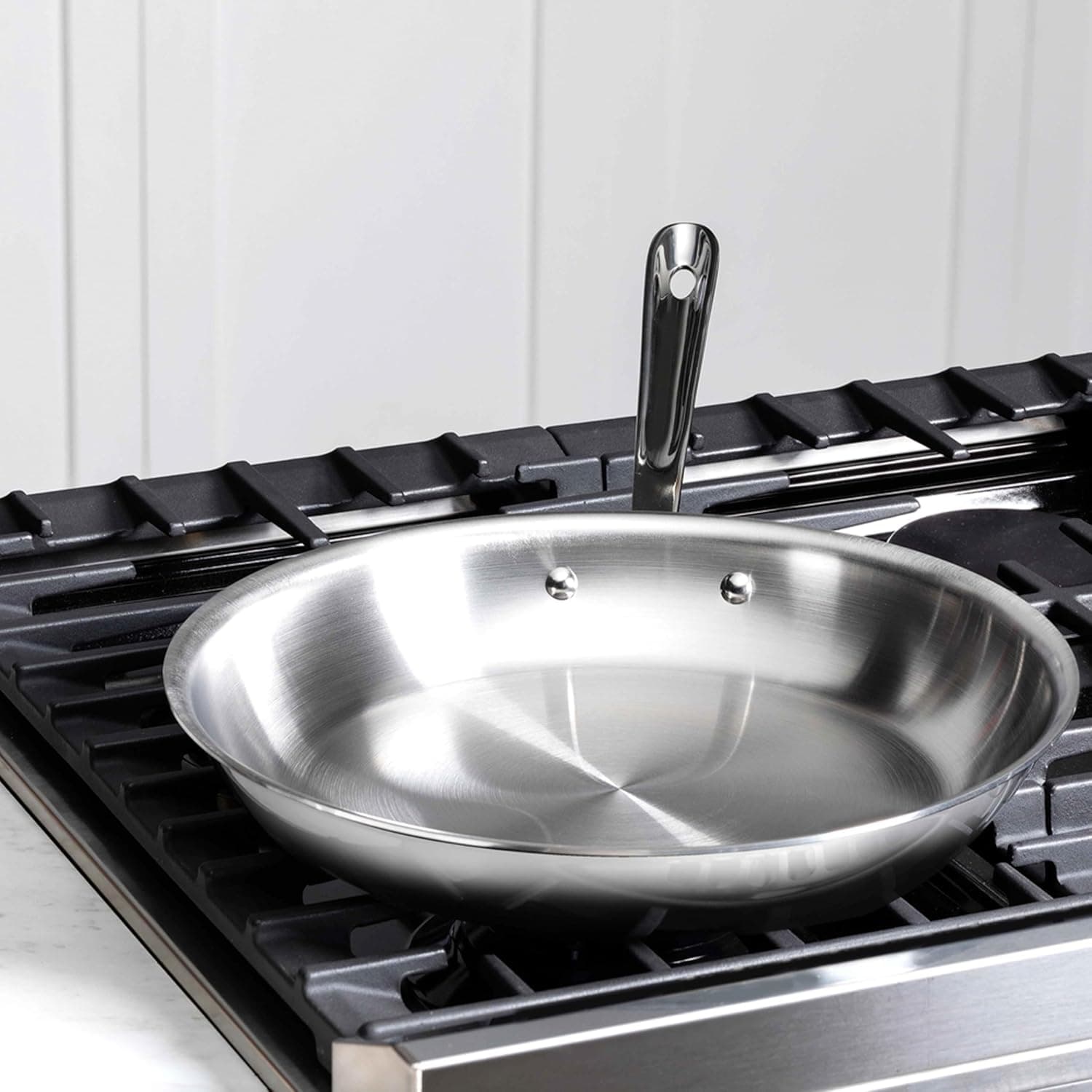
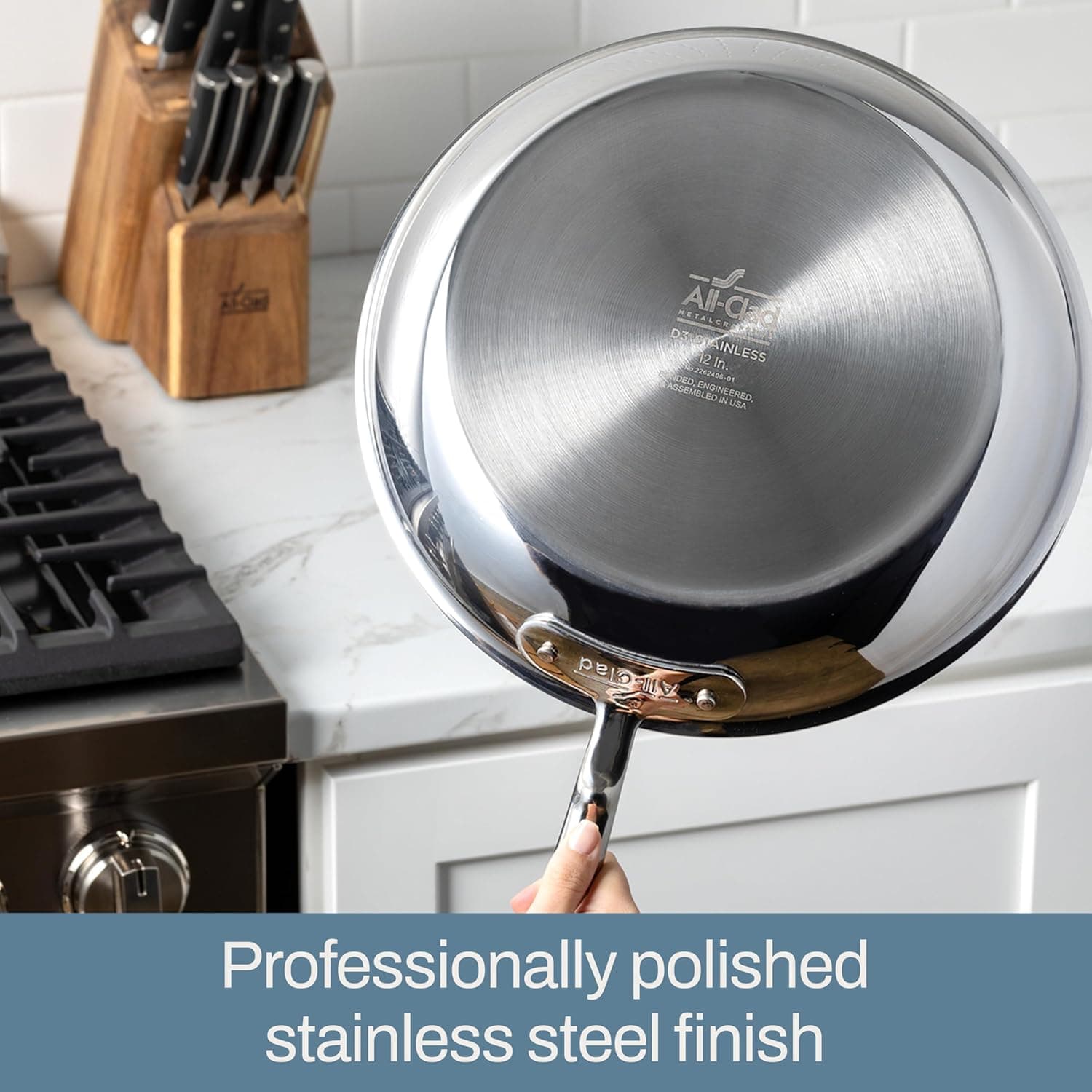
- Actually stays flat — no warping when you deglaze with vinegar
- 18/10 stainless steel — the real stuff that doesn't react with acidic foods
- Comfortable handle — stays cool and doesn't loosen after a year
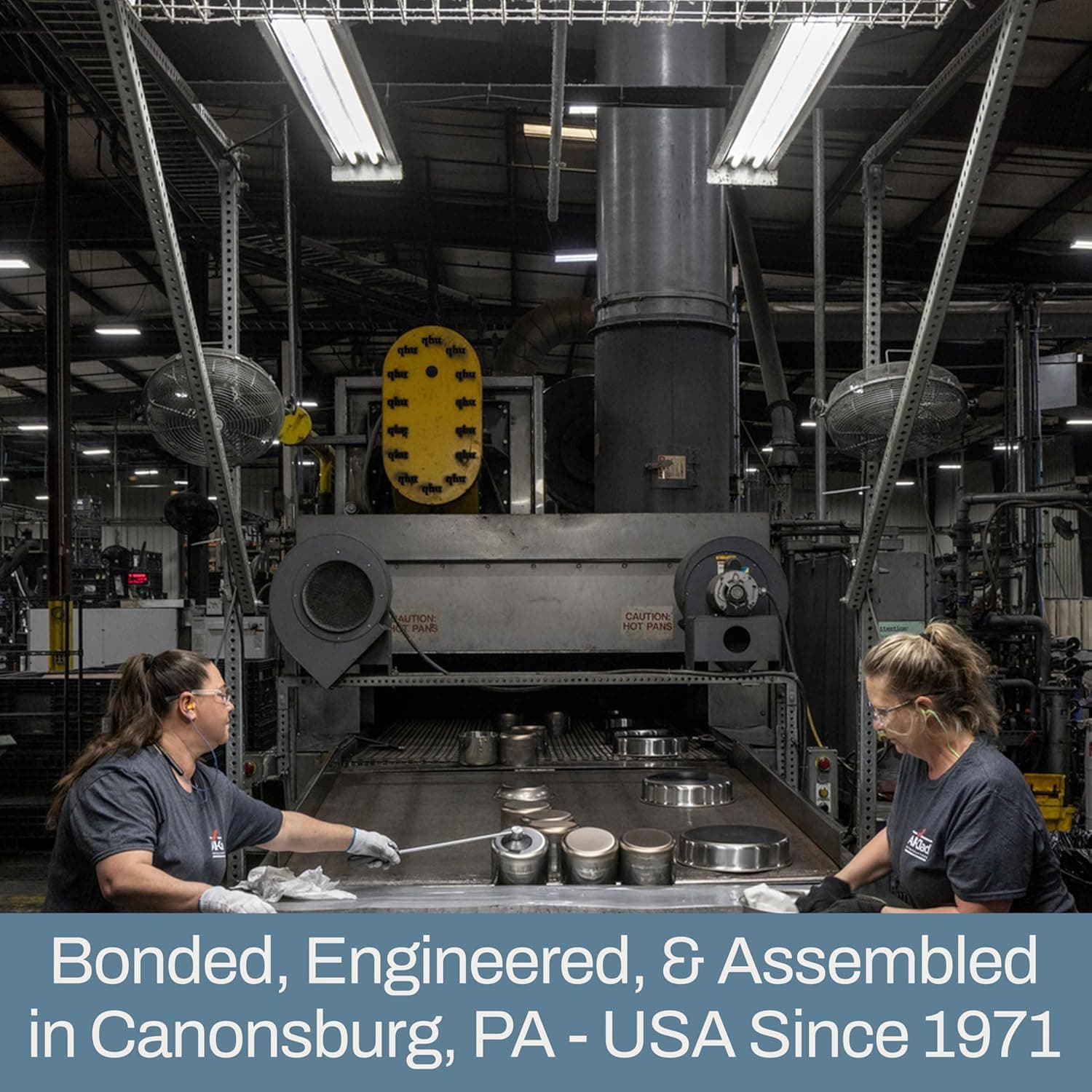
- Made in Pennsylvania — same factory since 1971
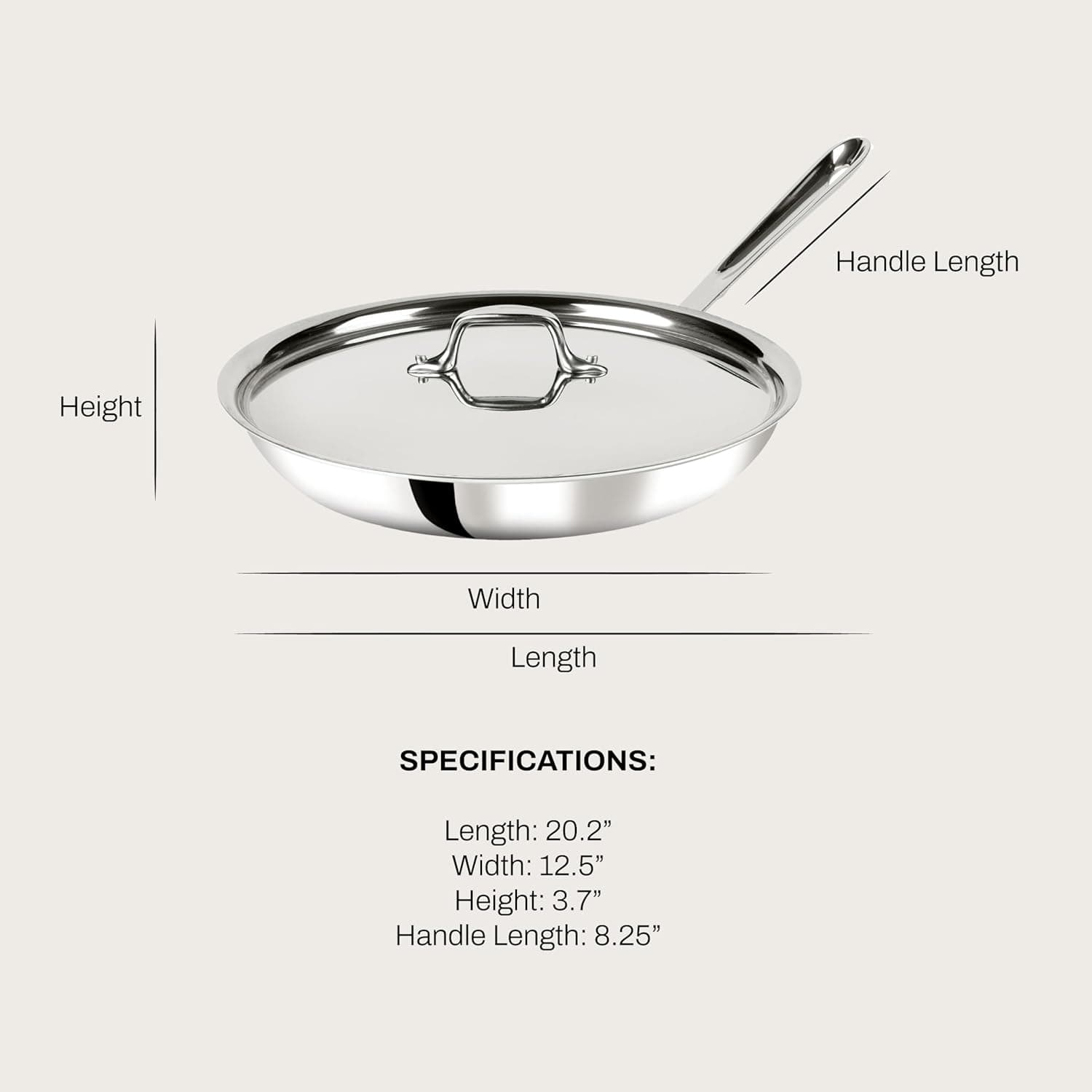
- 10-inch sweet spot — big enough for real cooking, small enough to handle
The Learning Curve Is Real But Worth It
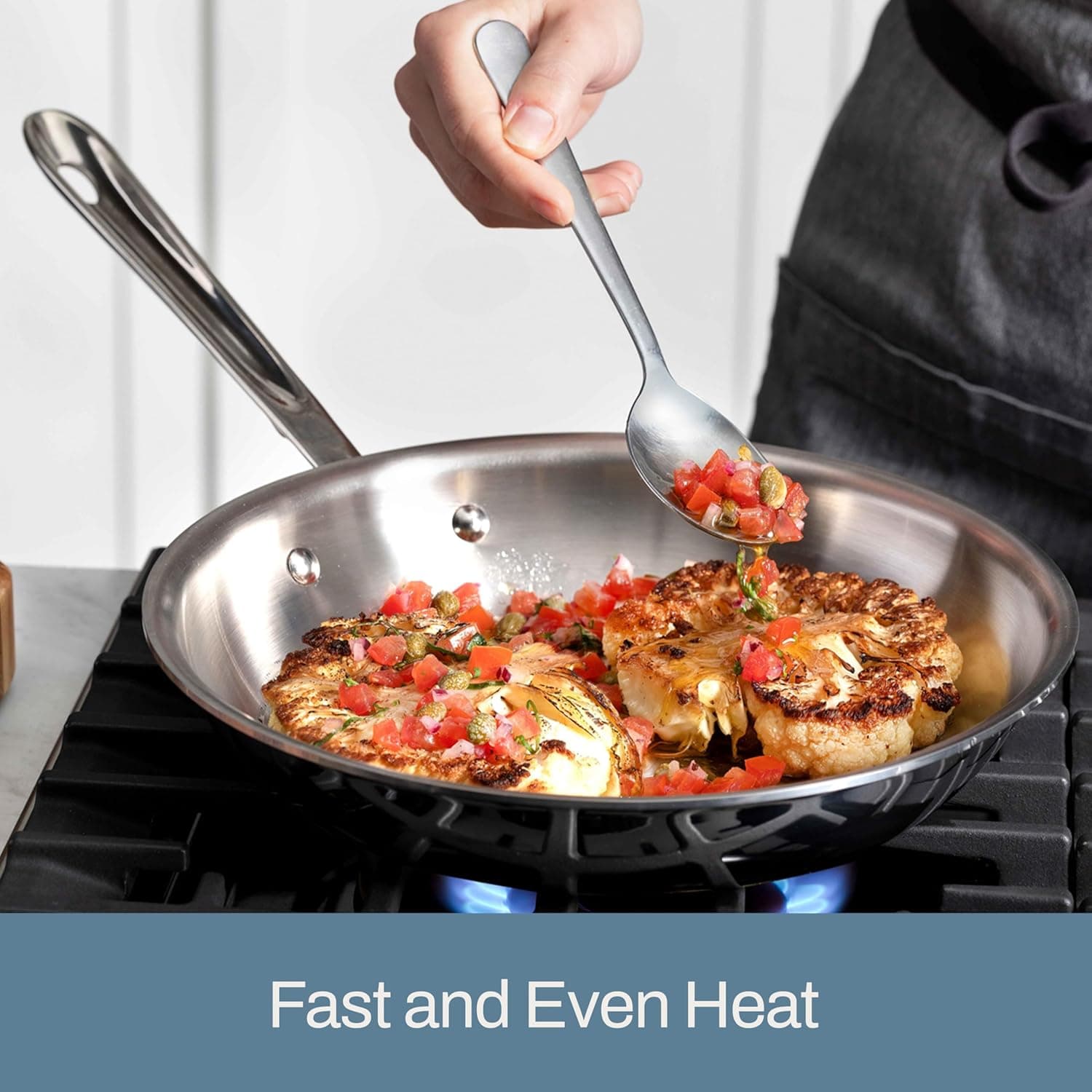
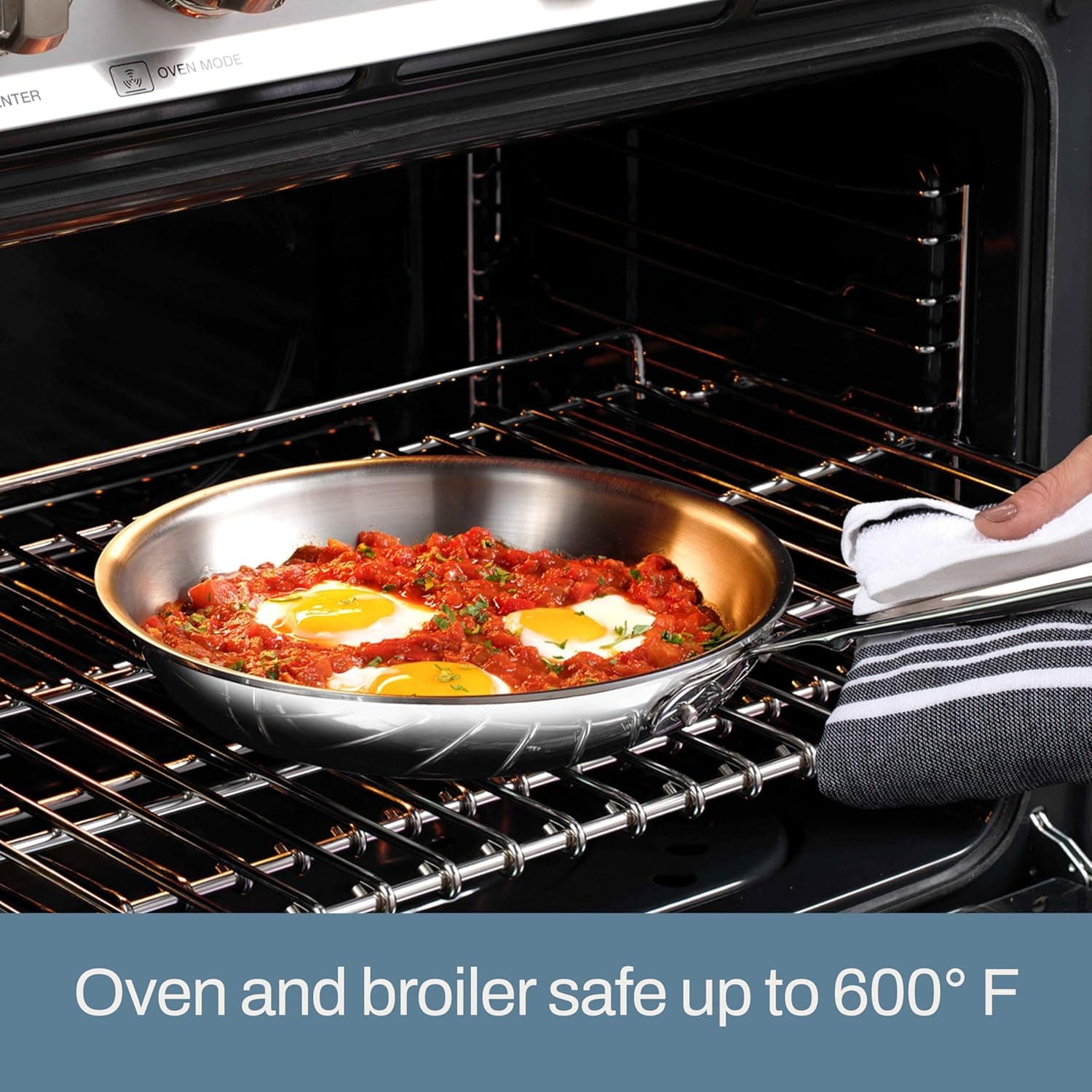
I'm not going to lie — my first few eggs stuck. Then I learned: heat the pan empty on medium until water droplets dance, add fat, then food. Now nothing sticks. Yes, it takes 2 minutes longer than non-stick. But I'm not eating Teflon anymore, and this pan will outlast me. If you're already obsessive enough to ferment your own food, you can handle learning proper pan technique. Plus, developing fond for pan sauces will change your cooking game entirely.
🍳 Sometimes the boring choice is the right choice.