Some links here are affiliate links. If you buy through them, it helps keep Fermentfulness growing — at no extra cost to you. I only recommend tools I’ve used, tested, and truly love. Learn more.


Kits & Starter Packs
4.7
Description
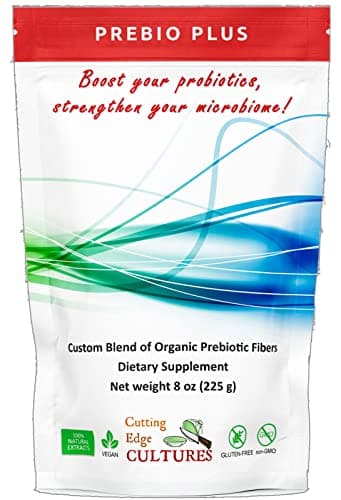
The Triple-Prebiotic Blend That Creates Different Fermentation Results
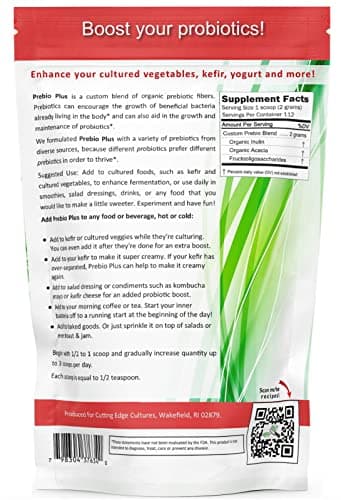
I use both this and regular inulin in my ferments because they create different textures and outcomes. Prebio Plus has three prebiotics (inulin + acacia + FOS) that feed different bacteria strains, while straight inulin gives you a cleaner, simpler ferment. Neither is better — they're just different tools for different results. After 50+ batches with both, I've learned when each one shines.
What This Triple Blend Actually Does
- Acacia fiber changes the texture — creates creamier, more stable ferments
- FOS feeds different bacteria — some strains prefer it over inulin
- Prevents separation in long ferments — the acacia really helps here
- Slightly sweet taste — more complex than plain inulin
- Works hot or cold — stable in coffee, tea, smoothies
- Made specifically for fermentation — not just a generic fiber supplement
My Dual-Prebiotic Experiments
I keep both types because they produce different results. Regular inulin gives cleaner, more predictable ferments with a lighter texture. Prebio Plus creates richer, creamier results with better stability during 36-hour ferments. Sometimes I mix them. Sometimes I want the simplicity of plain inulin. Sometimes I need the stability of the blend. It's not about one being better — it's about having options for different fermentation goals.
🧫 Different prebiotics, different results, both worth having.