
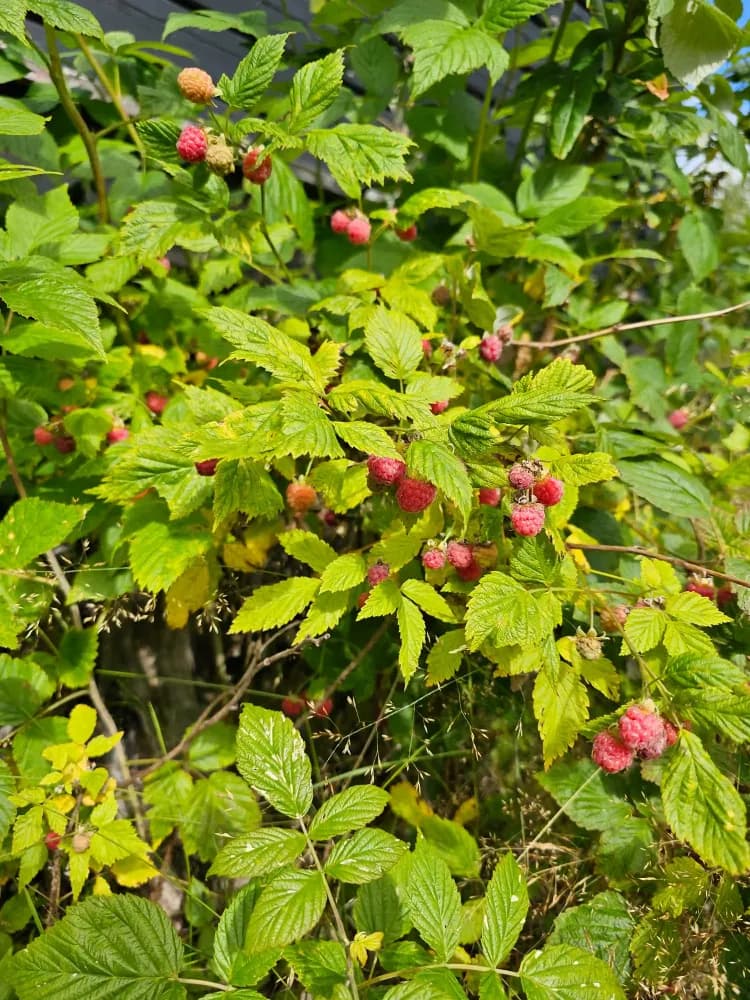
I spent four weeks in Swedish forests eating wild berries and accidentally conducting a stress-reduction experiment on myself. Here's what happened — and what the research actually says about nature and mental health.
Last month, my family and I disappeared into the Swedish countryside. No grand plan, no wellness retreat brochure — just a rental cottage by a lake and a vague hope that our kids might sleep past 6 AM for once.
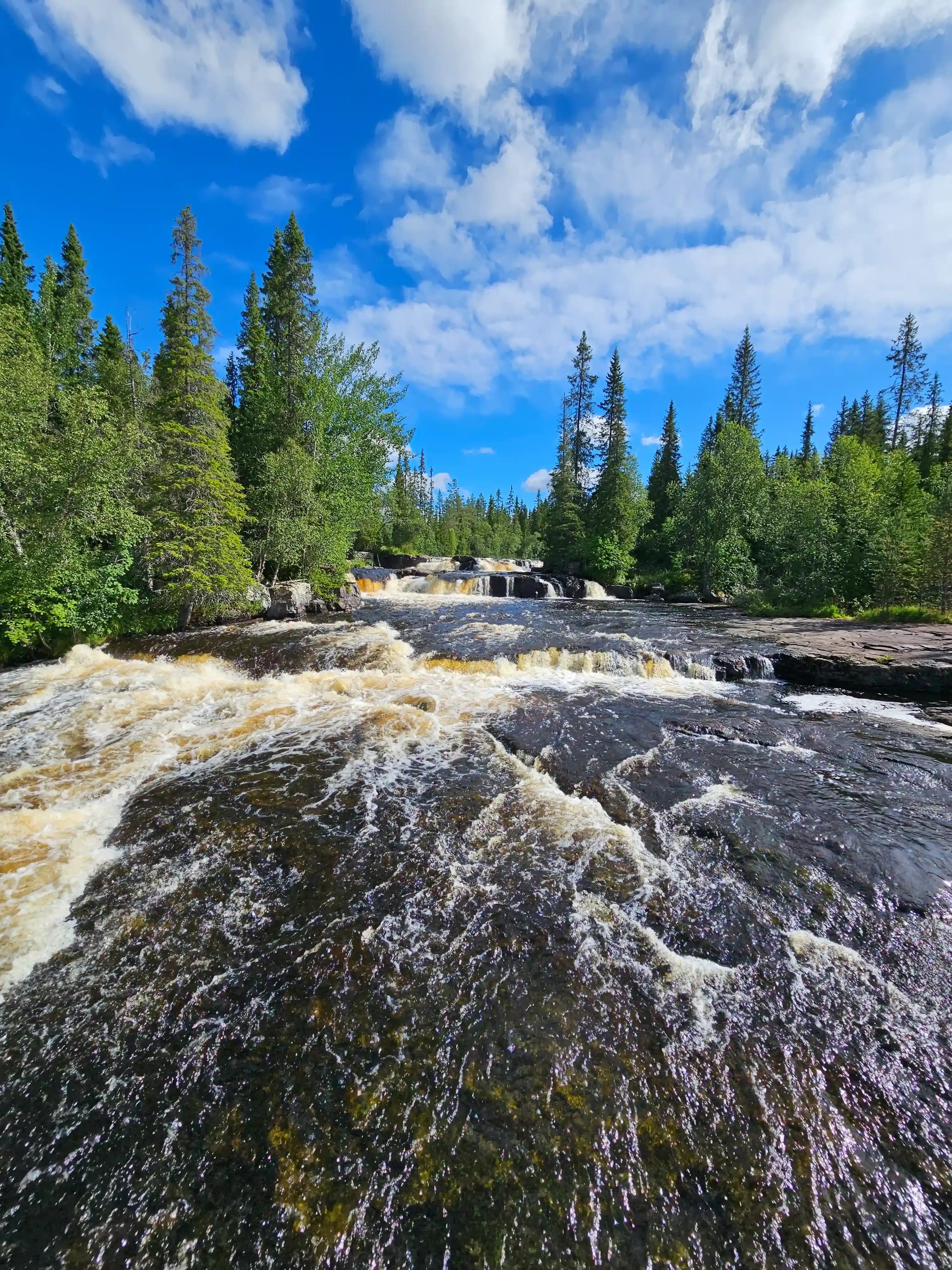
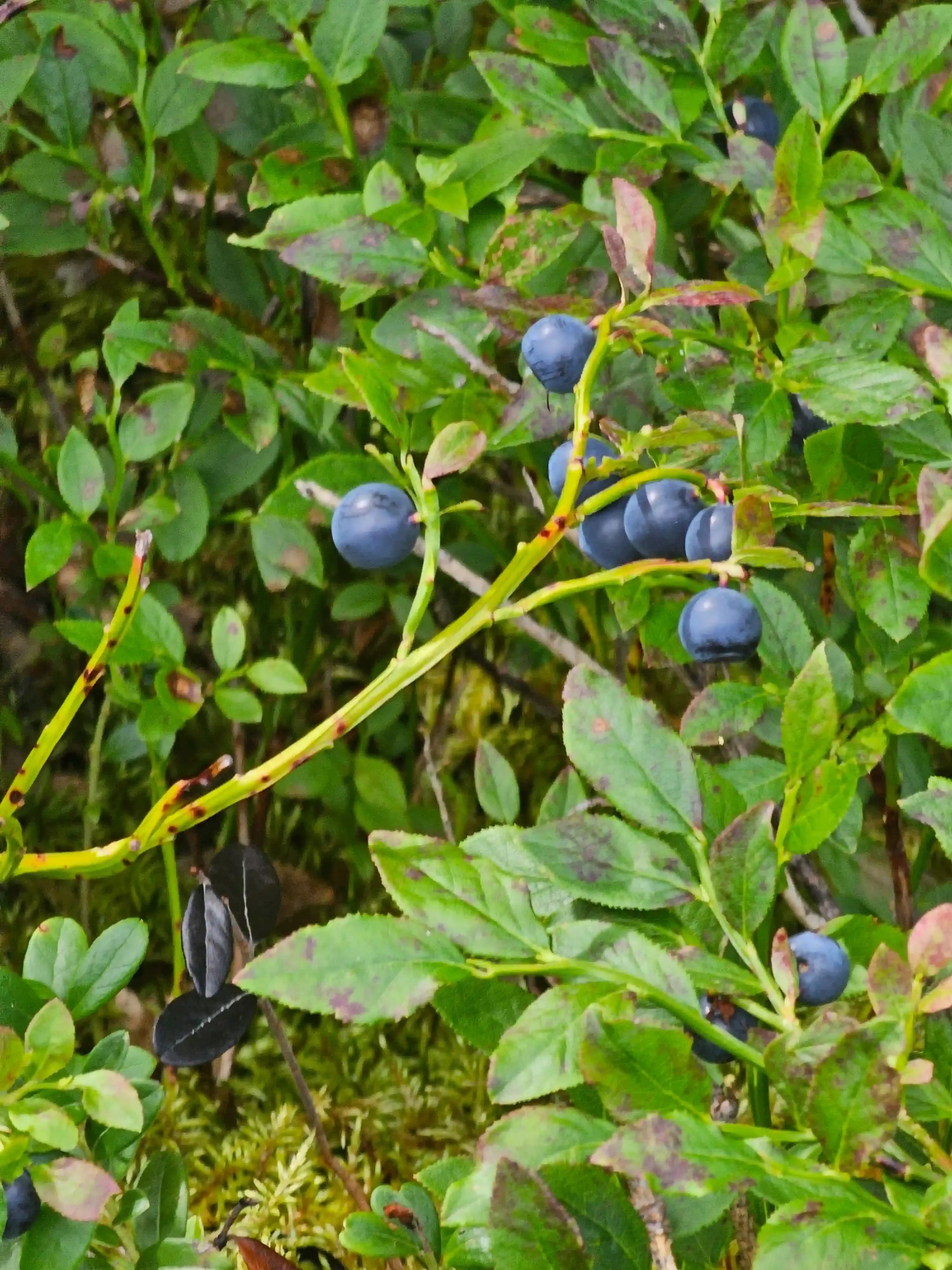
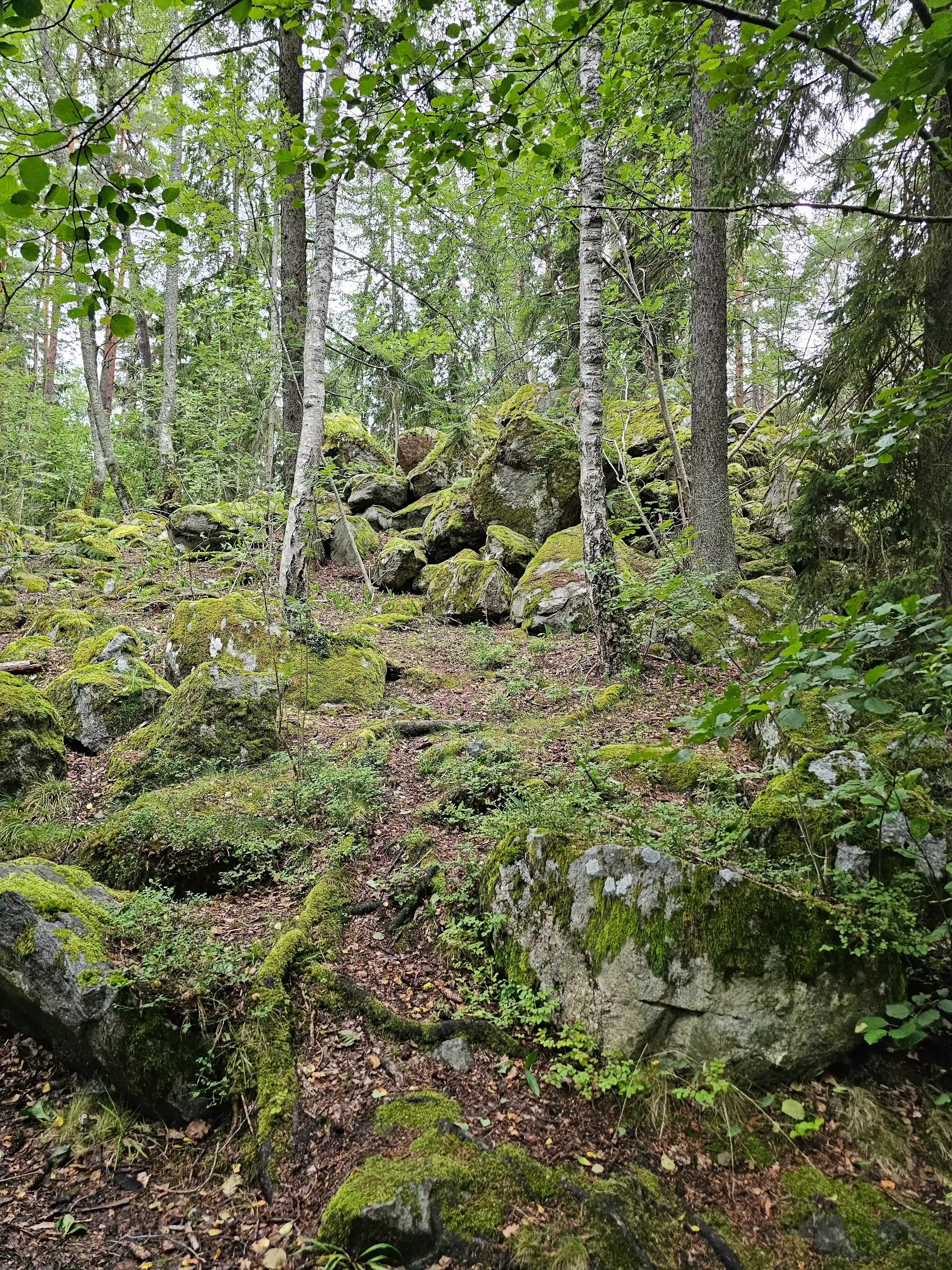
What we found: forests that smelled like gin (juniper and pine, it turns out). Water so clear you could count rocks twenty feet down. Blueberries everywhere, as if someone had scattered nature's M&Ms across the forest floor. The occasional deer regarding us with polite Swedish indifference.
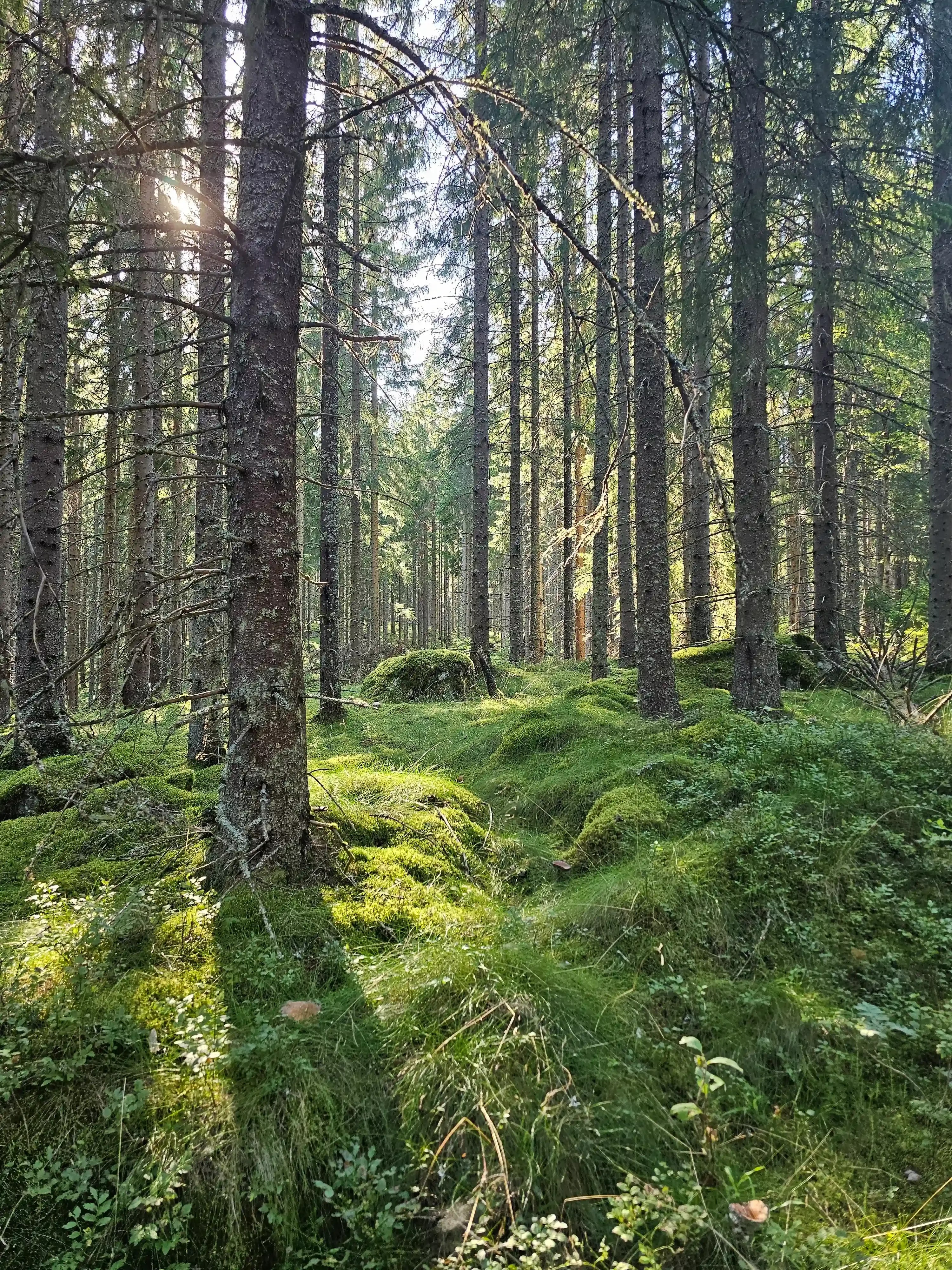
What we didn't expect: by week two, I noticed I'd stopped grinding my teeth. By week three, my chronic afternoon exhaustion had vanished. By week four, I felt... different. Not transformed-into-a-butterfly different. More like someone had turned down the static in my brain from 7 to 3.
Naturally, I did what any reasonable person would do: I came home and read every study I could find about forests and stress. Turns out, there's actual science here. Interesting science. Science that might explain why I felt like those Swedish trees had gently composted my anxiety.
The Two-Hour Rule (And Why It's Not Magic)
Let's start with the big finding that everyone quotes: spending 120 minutes per week in nature is associated with good health and wellbeing. This comes from a study of nearly 20,000 people in England, published in Environment International.
But here's what the headlines miss: it's not a magic threshold. People who spent 60-90 minutes in nature also showed benefits — just not as consistently. And the researchers were careful to note this is correlation, not proven causation. Maybe healthy people just go outside more.
Still, the pattern is striking. Two hours a week— whether all at once or scattered across several days — seemed to be where benefits became reliable. In Sweden, we were far exceeding this prescription, spending hours daily wandering forest paths and swimming in lakes.
What Actually Happens in Your Body (The Parts We Can Measure)
The physiological changes from nature exposure are real and measurable, though perhaps less dramatic than wellness influencers suggest:
Cortisol: The Stress Hormone Story
Multiple studies show cortisol levels drop after forest exposure. A 2019 meta-analysis in Environment and Behavior found an average decrease of 16% — meaningful, but not miraculous. For context, a good night's sleep can reduce cortisol by 50%.
More dramatic results appear with longer exposure. Japanese forest bathing research over multi-day periods showed cortisol reductions up to 35%. My month in Sweden likely produced similar effects, though it's impossible to separate how much came from nature versus better sleep, no screens, and actual vacation. Research suggests these factors work synergistically — each amplifying the others.
Blood Pressure: Small Changes, Real Impact
Forest bathing studies consistently show blood pressure reductions: about 4 mmHg systolic, 2 mmHg diastolic. These aren't huge drops, but they're similar to what you'd get from reducing salt intake. Over time, small improvements compound.
Heart Rate Variability: Your Stress Resilience Marker
This is where it gets interesting. HRV — the variation in time between heartbeats — is a marker of how well your nervous system handles stress. Higher HRV generally means better resilience.
Forest environments consistently improve HRV, suggesting your nervous system literally becomes more flexible and adaptive. It's like yoga for your autonomic nervous system, except you're just walking around looking at trees.
The Microbiome Angle: Where Fermentation Meets Forest
Here's where my fermentation obsession collided with forest science in unexpected ways.
Those wild Swedish blueberries we ate? They're covered in diverse microbes — yeasts, bacteria, the works. Unlike store-bought berries (washed, refrigerated, often treated), wild berries are tiny probiotic vehicles. We were inadvertently inoculating ourselves with forest microbiomes.
Research on the "biodiversity hypothesis" suggests that exposure to diverse environmental microbes helps regulate our immune systems and potentially our mood. A Finnish study in Science Advances found that children who played in forests had more diverse skin and gut microbiomes than those in urban environments.
Like fermentation, where diverse microbes create beneficial compounds through slow transformation, nature exposure cultivates our internal ecosystem. The forest was fermenting me — just more gently than my kitchen experiments.
Shinrin-Yoku: What the Japanese Studies Actually Show
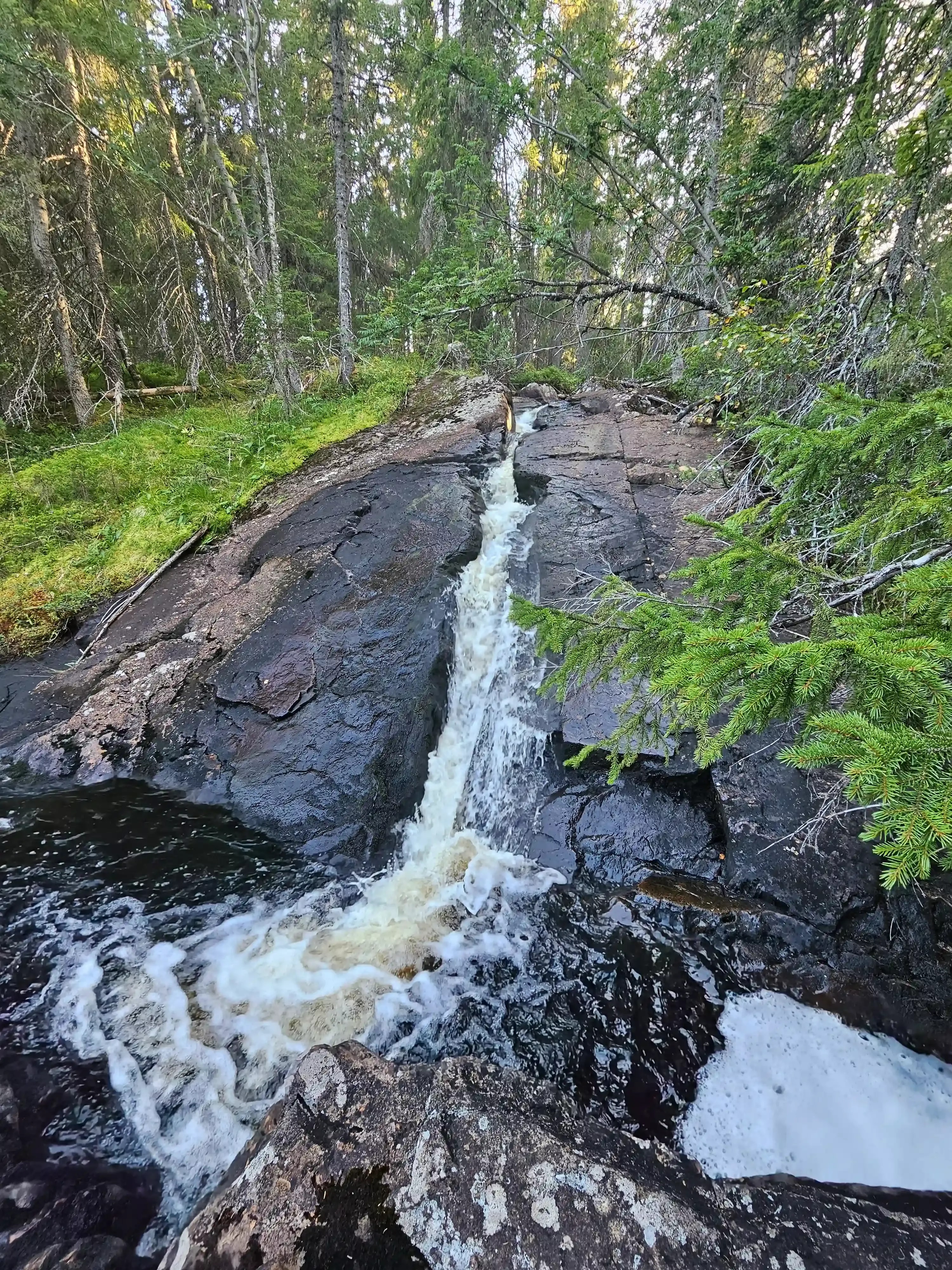
"Forest bathing" sounds either profoundly mystical or slightly ridiculous, depending on your tolerance for wellness-speak. But the Japanese researchers who coined the term in 1982 were remarkably practical about it.
Their studies focus on measurable outcomes:
- NK (Natural Killer) cell activity can increase by 50% after multi-day forest exposure
- Inflammatory markers decrease
- Sleep quality improves (measured by actigraphy)
- Anxiety scores drop on validated scales
But they're also honest about limitations. Most studies are small. Control groups are tricky (how do you blind someone to whether they're in a forest?). And publication bias means we probably don't hear about the studies that found no effect.
The Phytoncide Question: Tree Chemistry 101
Trees release volatile compounds called phytoncides — airborne plant defense chemicals. In lab settings, some phytoncides show antimicrobial and stress-reducing effects.
D-limonene (from conifers) has been shown to reduce cortisol in human studies. Alpha-pinene (also from pines) shows anti-inflammatory effects. The concentrations in forest air are low, but measurable.
Here's the interesting part: these same compounds appear in essential oils at much higher concentrations. So while I'm skeptical of breathing trace amounts transforming your health, using concentrated forms might have merit — though your liver still has to process them either way.
Coming Home: The Apartment Forest Reality Check
Back from Sweden, I faced a familiar problem: how do you maintain that forest calm in city life?
The honest answer: you don't. Not completely. But you can capture meaningful pieces of it.
Here are five techniques with real science behind them, plus indoor alternatives that don't require a passport.
The 5 Science-Backed Forest Bathing Techniques I Actually Use
After all that research (and Swedish wandering), here are the techniques that have solid science behind them and actually work in real life:
1. The 20-20-20 Forest Protocol
Research from the International Journal of Environmental Research and Public Health found cortisol drops most significantly between 20-30 minutes in nature. Here's my protocol:
- First 20: Just arrive. No phone, no agenda. Let your nervous system recognize you're somewhere different.
- Second 20: Slow walking or sitting. Focus on breathing. This is when cortisol reduction accelerates.
- Third 20: Engage your senses deliberately. Touch bark, smell pine, listen for layers of sound.
Published research in Frontiers in Psychology confirms that 60-minute weekly sessions outperform scattered 10-minute doses for stress reduction.
2. The Japanese Sit-Spot Method
Pick one spot. Visit it regularly. The familiarity accelerates nervous system regulation.
- Find a spot you can reach easily (parks count)
- Visit at the same time when possible
- Sit for 15 minutes minimum
- No activities — just observing
Environmental psychology research on "place attachment" demonstrates that familiar nature spots provide stronger stress reduction than new locations.
3. The Attention Restoration Practice
Based on Attention Restoration Theory (not specific clinical trials), this engages "soft fascination":
- Sight: Count different shades of green
- Sound: Identify layers of sound (near, middle, far)
- Smell: Breathe deeply, note distinct scents
- Touch: Feel different textures
- Awareness: Notice the air quality and temperature
Takes 5-10 minutes. Works in any green space.
4. Barefoot Grounding (Where Safe)

The science on "earthing" shows mixed but intriguing results:
- A study in the Journal of Environmental and Public Health found 30 minutes barefoot on grass affected cortisol rhythms
- Small studies show improvements in inflammation markers
- Morning grounding may improve sleep quality
Whether it's the grounding effect or simply the sensory pleasure of grass between your toes, it feels good and costs nothing.
5. The Swedish Berry-Picking Meditation
This combines mindful movement with microbiome exposure:
- Slow, searching movement (activates parasympathetic system)
- Frequent squatting (good for mobility and grounding)
- Eating wild foods (microbiome diversity)
- Natural reward cycle (finding berries activates dopamine)
No berries? Try safe urban foraging — but only from areas you know are pesticide-free and away from roads. When in doubt, don't eat it. Safe options: dandelion leaves from your own yard, clover flowers, or pine needle tea (stick to pine, spruce, and fir — never use needles from yew, which is highly toxic).
The Indoor Forest: 5 Alternatives for City Life
But let's be honest — most of us aren't spending weekends in forests. Here's what works when nature means a struggling succulent on your windowsill:
1. The Air-Cleaning Plant System
Based on NASA's space station research, some houseplants excel at air purification:
- Snake Plant: Bedroom (releases oxygen at night, removes benzene and formaldehyde)
- Spider Plant: Living areas (NASA found them highly effective at removing formaldehyde in test conditions)
- Peace Lily: Anywhere humid (removes ammonia, benzene, formaldehyde, and trichloroethylene)
Some sources recommend one plant per 100 square feet, though benefits vary by home conditions.
2. The Morning Plant Care Ritual
A 2015 study in the Journal of Physiological Anthropology found that interacting with indoor plants reduces both psychological and physiological stress:
- Water plants mindfully (not just dumping water)
- Touch leaves gently (activates parasympathetic response)
- Remove dead leaves (active care increases benefits)
- 10 minutes daily showed measurable stress reduction
3. Forest-Inspired Aromatherapy
Research on specific compounds found in forests (use with caution):
- Morning: Lemon and pine essential oils (contain limonene, shown to reduce cortisol)
- Afternoon: Rosemary (improves cognitive performance in controlled studies)
- Evening: Cedarwood and lavender (both shown to improve sleep quality)
Use 3-5 drops total in your diffuser. Avoid if you have pets — many essential oils are toxic to cats and dogs.
4. The Window Microbiome Garden
Growing edible microgreens provides:
- Living food with beneficial microbes
- Nurturing activity (stress reduction)
- Increased humidity (respiratory health)
- Visual green space (attention restoration)
Start with: Broccoli sprouts (contain sulforaphane), sunflower shoots (complete protein), pea shoots (foolproof growing).
5. Nature Media (When Nothing Else Works)
Research from the University of Sussex shows even recorded nature helps:
- Nature sounds: 30 minutes of ocean or forest sounds reduced stress markers
- Plants in peripheral vision: Even photographs of nature improved mood in hospital studies
- Nature documentaries: Watch on mute — narrative can interfere with relaxation
- Window views: If you have any green view, position yourself to see it often
Not ideal, but better than no nature exposure at all.
Your Apartment Forest Prescription
Here's the minimum effective dose for indoor forest bathing:
Daily (10 minutes):
- Morning plant care ritual
- Eat one meal near your plants
- Three conscious breaths while looking at something green
Weekly (60 minutes):
- Visit an actual green space using one of the five techniques above
- OR deep plant maintenance if weather is terrible
- OR 30-minute session with nature sounds and aromatherapy
Monthly:
- Add one new plant (if space allows)
- Try a new nature location
- Start a new microgreen variety
The key: consistency over perfection. A single pothos you water daily beats an Instagram-perfect jungle you ignore.
Start Where You Are
The Swedish forests gave me a month-long reset. But the real work happens in ordinary life, with whatever green you can find or grow.
Pick one technique from above. Try it for a week. Notice what shifts — or what doesn't. Both are useful data.
The extraordinary forests of Sweden taught me something important: the ordinary parks and persistent houseplants of city life count more than we probably realize. Sometimes transformation is just a pothos by your desk, breathing back at you.
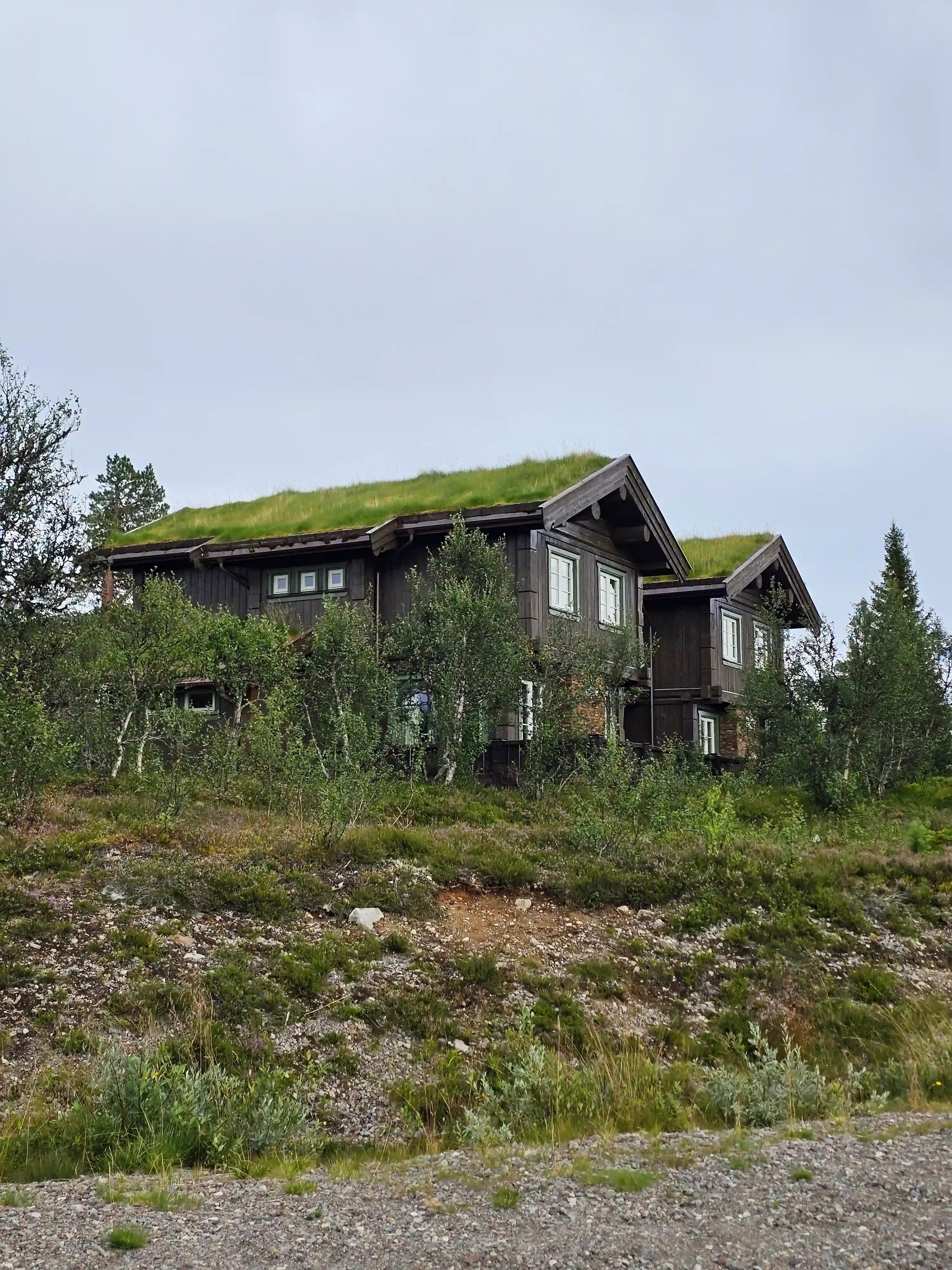
P.S. About those bears: We saw exactly one, from very far away. It was presumably Swedish and therefore too polite to approach. The wild boar, however, had no such manners. Nature isn't always relaxing.
P.P.S. If you're dealing with serious mental health challenges, please talk to a professional. Forests are lovely, but they're not therapists. Though therapists who suggest nature exposure are probably onto something.