How to Make Kombucha (Complete Guide)
Master the ancient art of kombucha brewing with this comprehensive guide. Learn to create your own probiotic-rich, fizzy tea at home—perfect for beginners and experienced fermenters alike.
Make It Yours
Recipe Overview
Dietary Information
Ingredients
InstructionsEnjoy the process
Understanding Kombucha Fermentation
Kombucha is a living beverage created through the symbiotic relationship between bacteria and yeast. The SCOBY (Symbiotic Culture of Bacteria and Yeast) transforms sweet tea into a tangy, fizzy probiotic drink. This process takes patience and care, but the rewards—improved digestion, increased energy, and a sense of accomplishment—are worth every moment.
Preparing Your Brewing Space
Making the Sweet Tea Base
Starting Your First Fermentation
The Fermentation Process
- Days 1-3: You may see bubbles forming and a slight cloudiness developing
- Days 4-7: A new SCOBY layer begins forming on the surface (this is normal and wonderful!)
- Days 7-14: The liquid becomes increasingly tangy as acidity builds
Harvesting Your Kombucha
Second Fermentation (Optional but Recommended)
Second fermentation adds fizz and allows you to flavor your kombucha:
- Ginger and lemon
- Berry juice
- Hibiscus flowers
- Mint and lime
- Peach and vanilla
Starting Your Next Batch
Troubleshooting Common Issues
Mold appears (fuzzy growth on surface): This is the only real danger in kombucha brewing. Mold is typically white, green, or black and looks fuzzy or powdery. If you see mold, discard the entire batch and SCOBY. Start fresh. Mold is rare if you maintain proper cleanliness and use adequate starter tea.
No SCOBY layer forming: This is normal in the first batch or two. A new SCOBY will eventually form. If fermentation is very slow, your temperature may be too cold—try moving to a warmer spot.
Kombucha tastes too vinegary: You've fermented too long. Reduce fermentation time in your next batch. Remember, taste preference is personal—some people love the vinegary flavor!
Kombucha tastes too sweet: Ferment longer, or increase your room temperature slightly to speed fermentation.
Brown stringy bits in the liquid: These are yeast strands and are completely harmless and beneficial. They're a sign of active fermentation.
Flat, no carbonation after second fermentation: Your bottles may not have been sealed tightly, or the room temperature was too cold. Ensure tight seals and ferment in a warm spot (70-75°F / 21-24°C).
Storage and Shelf Life
- Refrigerated kombucha: Lasts 1-3 months in the refrigerator. The cold slows fermentation dramatically.
- Room temperature kombucha: Continues fermenting slowly and becomes more acidic over time. Store in a cool, dark place.
- SCOBY storage: Can be kept indefinitely in a SCOBY hotel at room temperature.
Safety Notes
- pH matters: Properly fermented kombucha should have a pH below 3.5 (acidic). This acidity prevents harmful bacteria from growing. If you're concerned, you can test with pH strips.
- Avoid contamination: Always use clean equipment and adequate starter tea.
- Listen to your body: Some people experience detox symptoms when first drinking kombucha (headaches, digestive changes). Start with small amounts and increase gradually.
- Pregnant women and children: Consult with a healthcare provider before consuming kombucha regularly, as it contains trace amounts of alcohol and caffeine.
Final Thoughts
Making kombucha is a beautiful practice in patience, observation, and trust. You're partnering with living cultures to create something nourishing and delicious. Each batch teaches you something new about fermentation, temperature, and your own preferences. Welcome to the kombucha community—you're about to embark on a rewarding journey toward better gut health and vibrant energy.
Frequently Asked Questions
More to discover
Recommended Equipment5 items
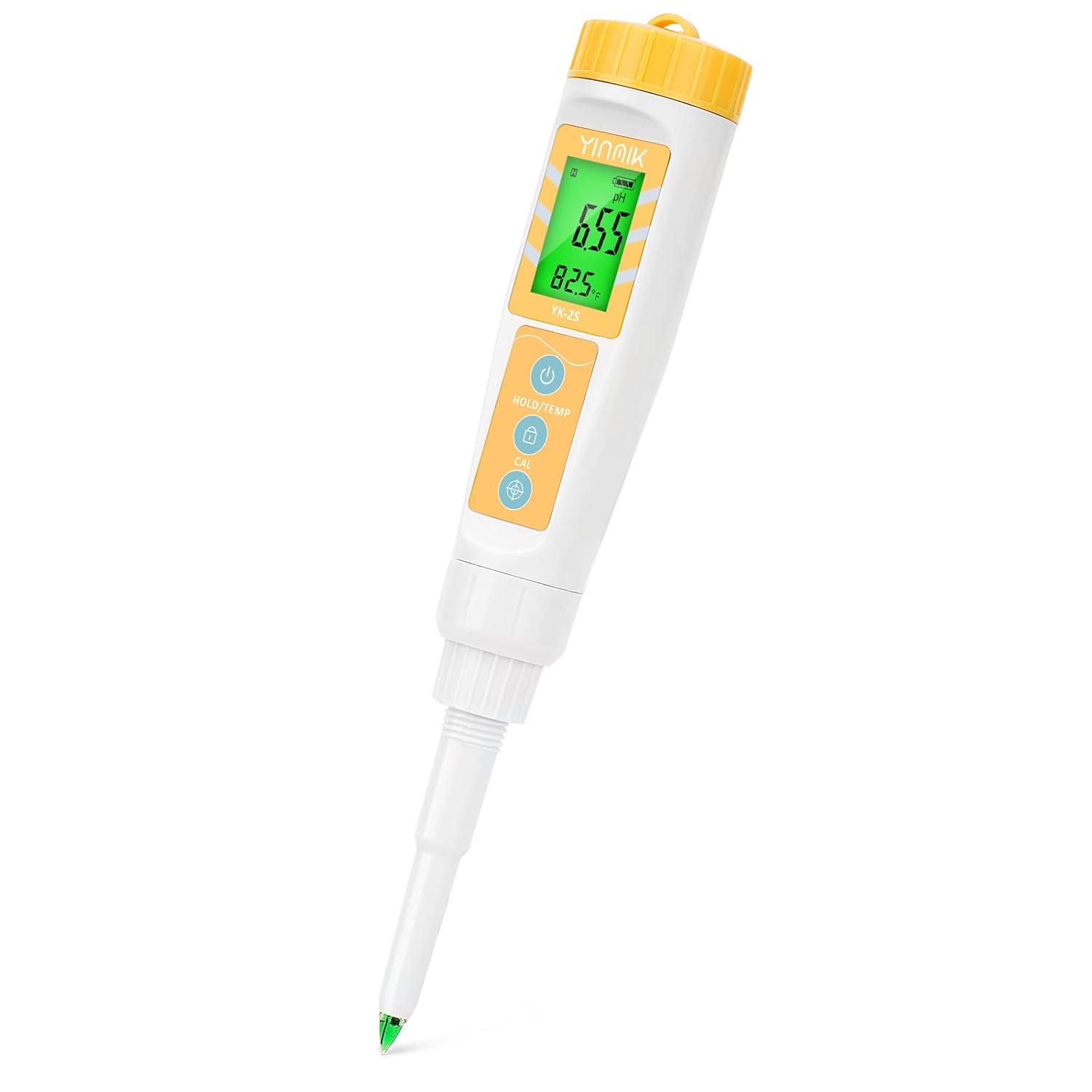
YINMIK Digital pH Meter for Food
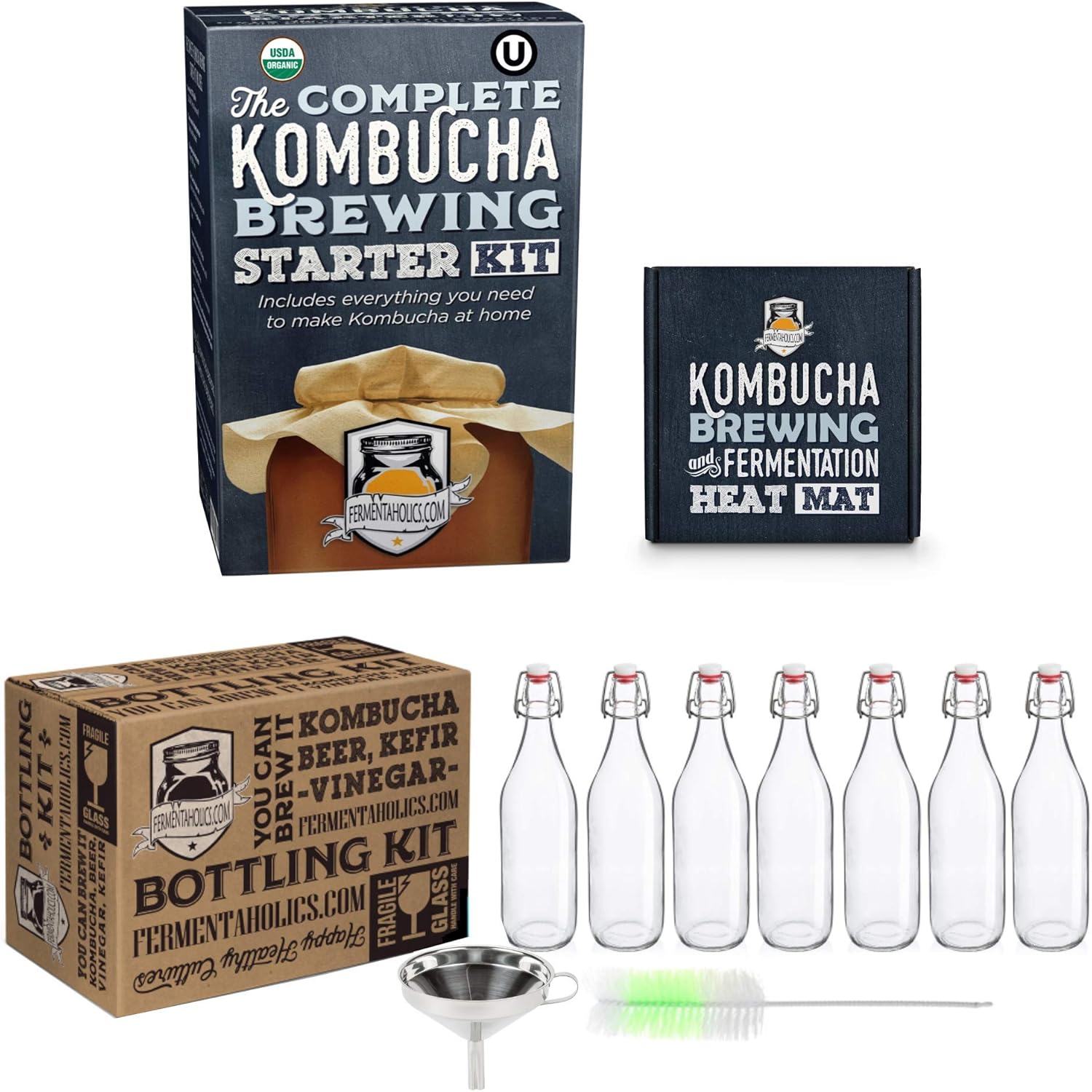
Fermentaholics Pro Kombucha Brewing Kit
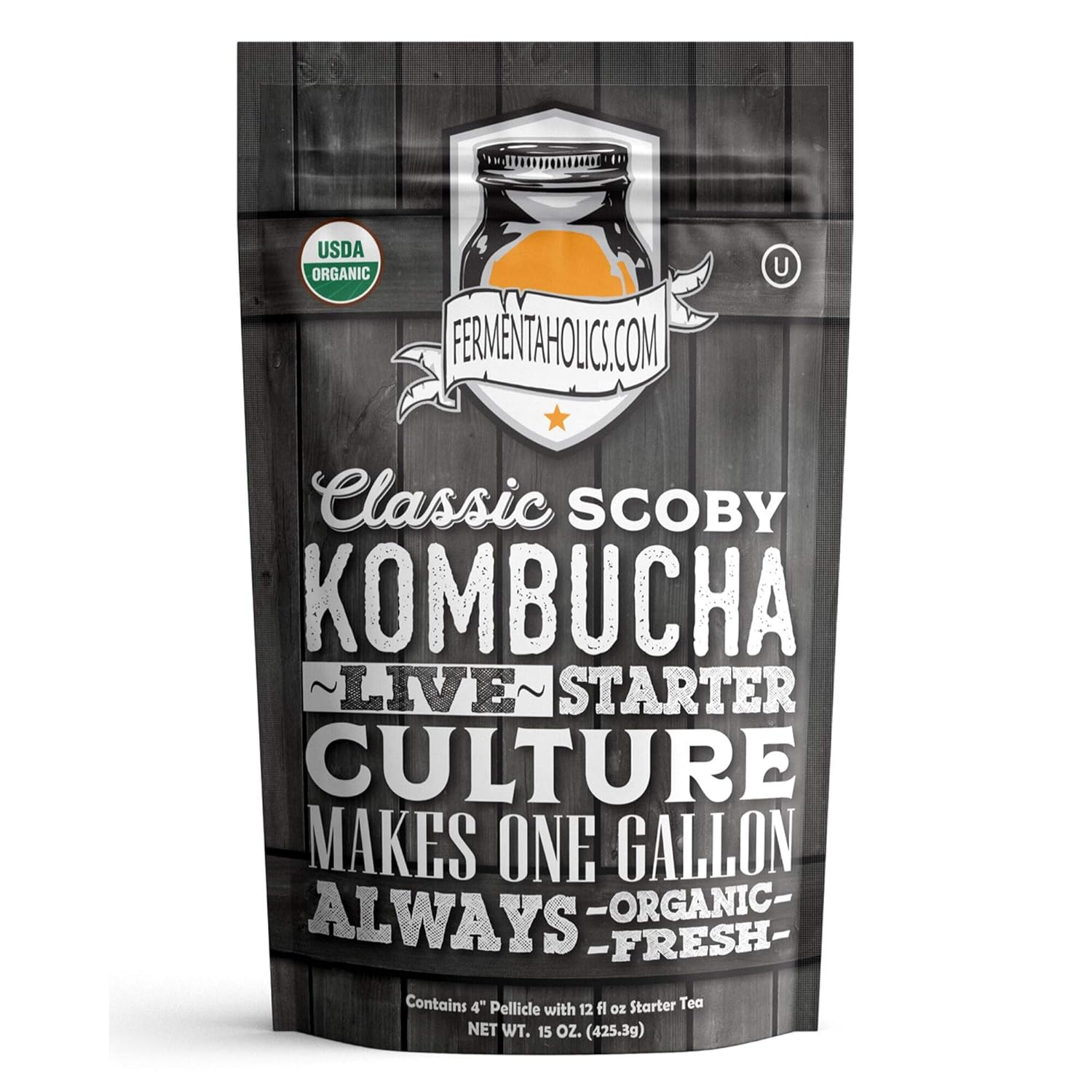
Fermentaholics ORGANIC Kombucha SCOBY with 12 oz Starter Tea

Fermentaholics Complete Kombucha Brewing Starter Kit