Last Updated: January 2025 | Reading Time: 12 minutes
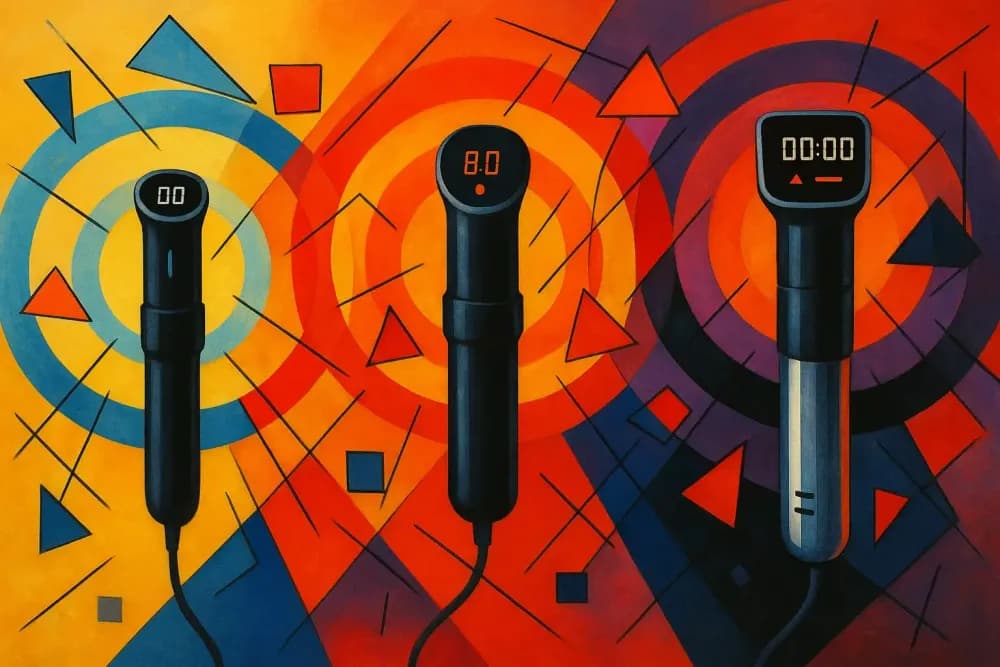
Wondering which Anova sous vide to buy? After 5 years of daily use for both cooking and fermentation, I'll help you choose between the Anova Pro, Precision Cooker 3.0, and Nano models based on real-world testing.
After spending the last five years using Anova sous vide circulators for everything from perfectly cooked steaks to maintaining precise temperatures for my SIBO yogurt cultures, I've put all three current models through their paces. While yes, I make incredibly tender chicken breasts and restaurant-quality steaks, I primarily bought my first Anova for making therapeutic yogurt that requires 36 hours at exactly 110°F (43°C) - something impossible with traditional yogurt makers.
Whether you're looking to achieve restaurant-quality cooking at home or need rock-solid temperature control for fermentation projects like Dr. Davis's L. reuteri yogurt, choosing the right Anova model can feel overwhelming. My 32-oz wide-mouth mason jars paired with Ball's plastic lids have become my go-to setup for long fermentation projects - no rust, no metallic taste, just perfect temperature control.
This comprehensive comparison will help you decide which Anova sous vide to buy based on your actual needs, not marketing hype. I'll share real-world performance data, fermentation-specific applications, and honest assessments of where each model shines (and where they don't).

Quick Comparison Table: Anova Models at a Glance
| Feature | Nano 3.0 | Precision Cooker 3.0 | Pro |
|---|---|---|---|
| Price | $75-100 | $130-150 | $400 |
| Wattage | 850W | 1100W | 1200W (1800W 220V) |
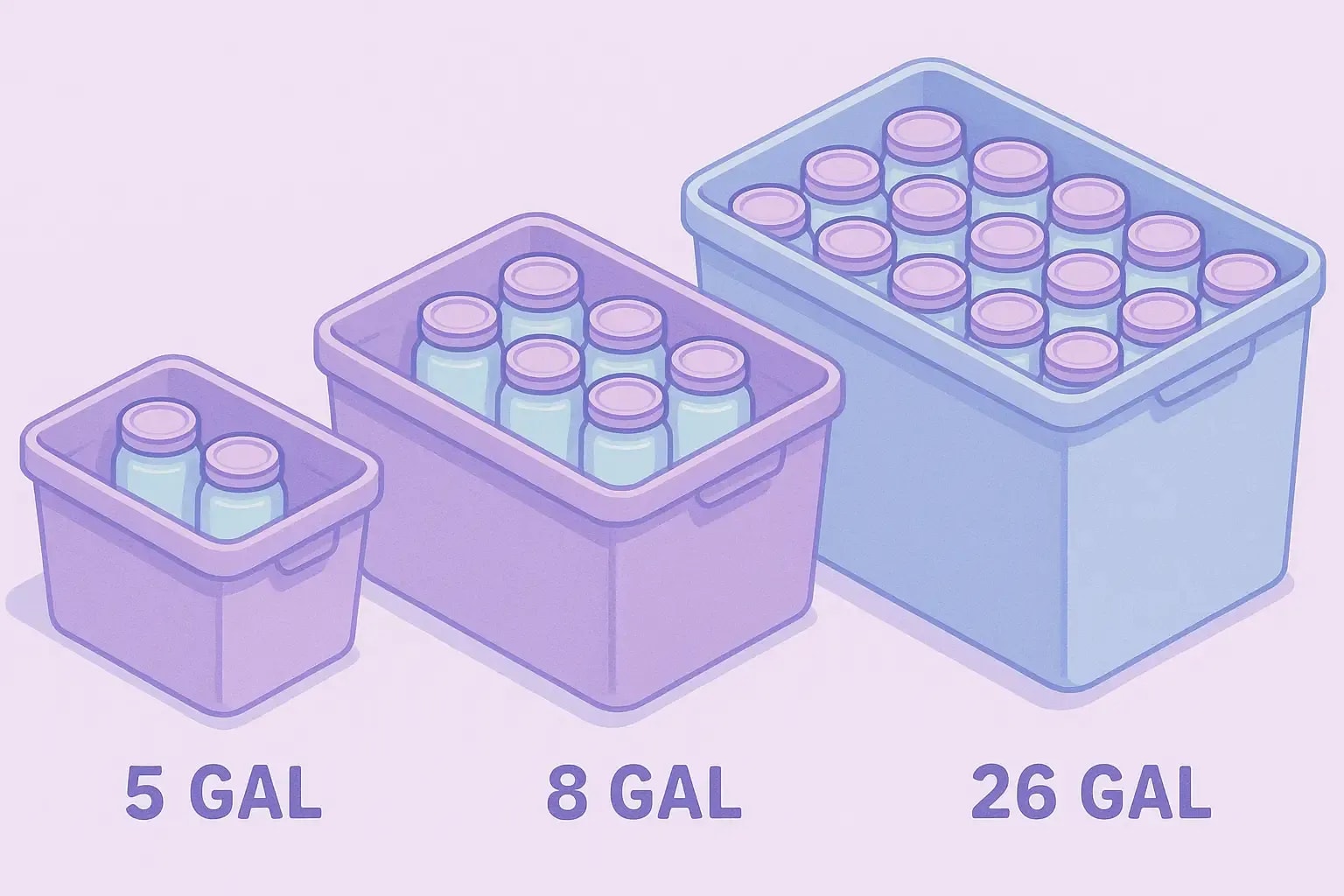
| Water Capacity | 5 gal (19L) | 8 gal (30L) | 26 gal (100L) |
| Connectivity | WiFi + Bluetooth | WiFi + Bluetooth | WiFi |
| Continuous Operation | 3,000 hours | 5,000 hours | 10,000 hours |
| Flow Rate | 8 L/min | 8 L/min | 12 L/min |
| Clamp | Fixed | Adjustable | Adjustable |
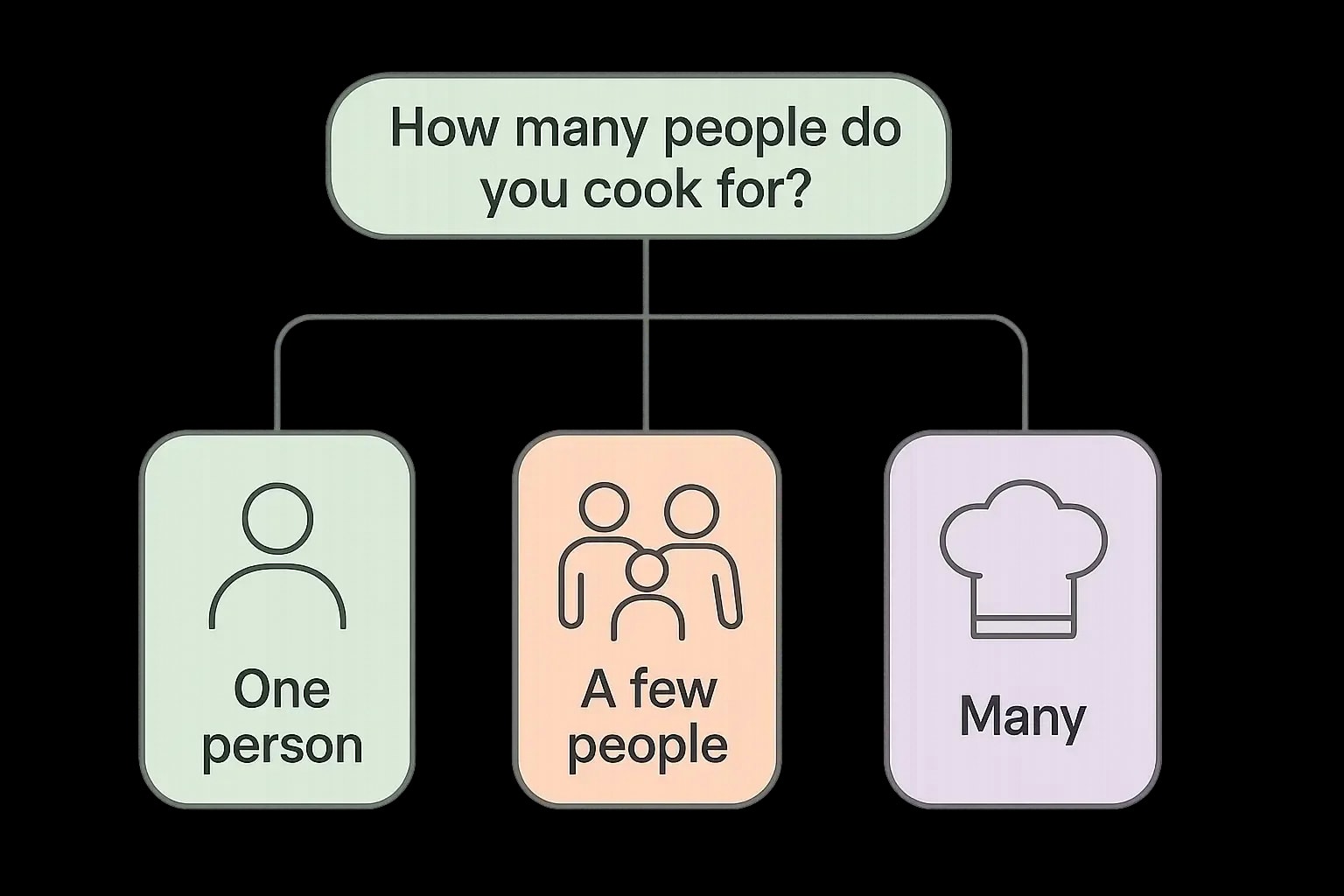
| Best For | Singles/Couples | Families | Professional Use |
Anova Precision Cooker Nano 3.0 - The Compact Powerhouse
Who It's Perfect For
The Nano 3.0 is ideal for:
- Singles and couples cooking smaller portions
- Apartment dwellers with limited storage
- Budget-conscious buyers wanting quality sous vide
- Fermenters running small-batch experiments
Key Features & Performance
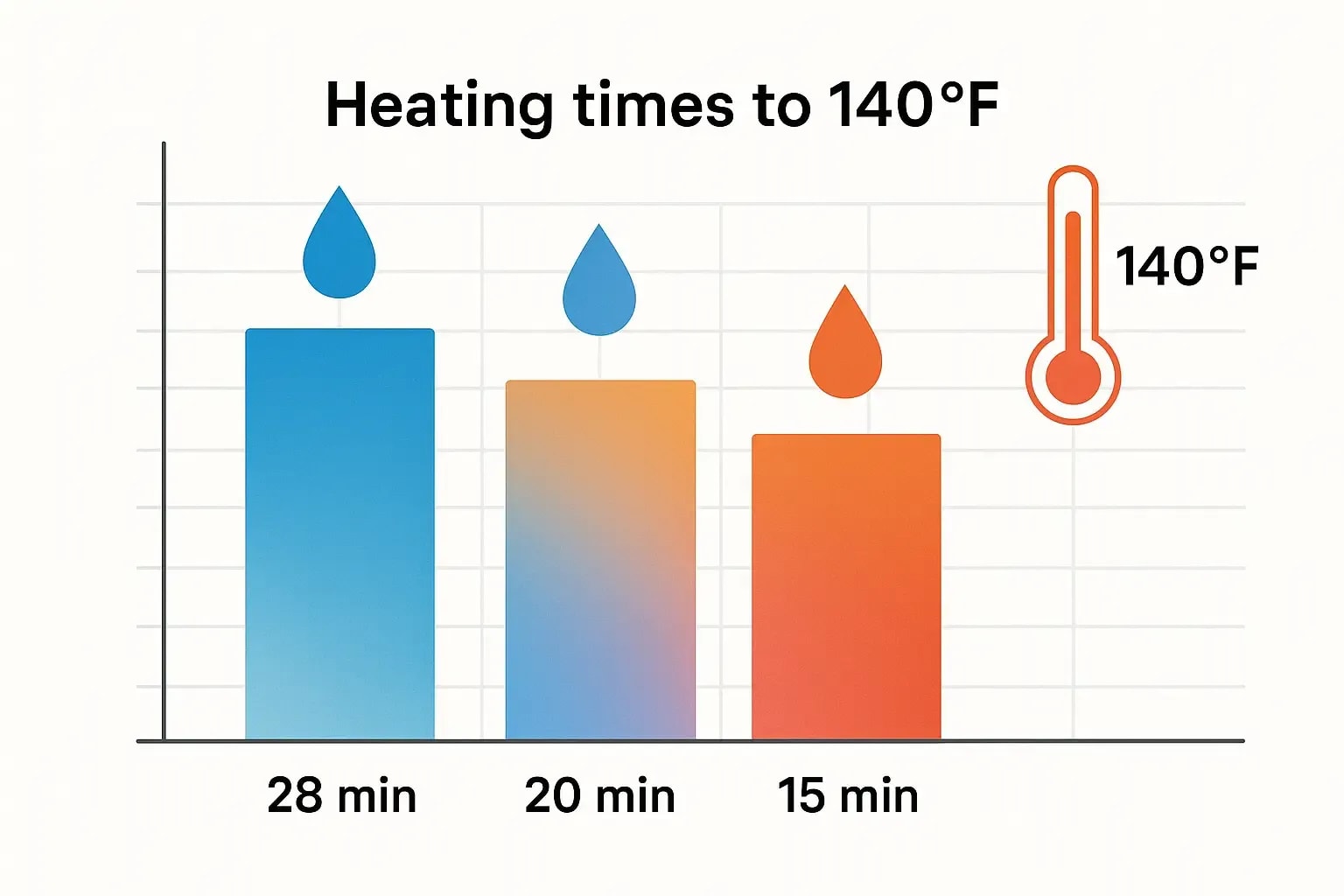
The latest Nano packs surprising power into its compact frame. The upgrade from 750W to 850W makes a noticeable difference in heating times - what used to take 35 minutes to reach 140°F (60°C) now takes about 28 minutes in a 3-gallon container.
The addition of WiFi connectivity is a game-changer for the Nano line. No more staying within Bluetooth range while your tempeh incubates overnight. The fixed clamp remains my biggest gripe - it limits you to containers with walls under 1.25 inches thick.
Real-World Fermentation Uses
I've successfully used the Nano for:
- SIBO yogurt: My primary use - maintains 110°F (43°C) perfectly for the full 36-hour fermentation
- L. reuteri yogurt: Another 36-hour ferment requiring precise temperature control
- Yogurt making: Multiple 32-oz mason jars fit easily in a 5-gallon container
- Koji incubation: Maintains 86°F (30°C) perfectly for 48-hour rice koji
- Sourdough maintenance: Keeps starter at optimal 75°F (24°C) in cold kitchens
- Small-batch tempeh: 88°F (31°C) for consistent spore development
The Nano handles up to 4 mason jars comfortably, which is perfect for my weekly SIBO and L. reuteri yogurt batches.
Pros & Cons for Fermenters
Pros:
- Precise 0.1°C accuracy matches expensive lab equipment
- Compact size allows dedicated fermentation setup
- WiFi means you can monitor long ferments remotely
- Affordable entry point for temperature control
Cons:
- 5-gallon capacity limits larger fermentation projects
- Slower heating with multiple vessels
- Fixed clamp won't fit all fermentation containers
- App occasionally drops connection during long cooks

Anova Precision Cooker 3.0 - The Goldilocks Choice
Who It's Perfect For
The Precision Cooker 3.0 hits the sweet spot for:
- Families of 4-6 people
- Serious home cooks who batch prep
- Fermentation enthusiasts juggling multiple projects
- Anyone wanting pro features without pro pricing
Key Features & Performance
This is Anova's best-seller for good reason. The 1100W heating element brings 5 gallons to temperature in about 20 minutes - nearly 30% faster than the Nano. The dual-band WiFi actually maintains connection reliably (unlike the previous generation).
The two-line display showing both time and temperature simultaneously seems minor but proves invaluable during long fermentation projects. The adjustable clamp accommodates everything from stockpots to commercial cambro containers.
Real-World Fermentation Uses
The Precision Cooker 3.0 excels at:
- Large-batch SIBO yogurt: I can fit 8-10 mason jars for weekly meal prep
- Multiple ferments: Run different yogurt cultures at varying temperatures simultaneously
- 36-hour fermentations: Never skips a beat during long SIBO yogurt sessions
- Large-batch tempeh: Full sheet pans in hotel pans
- Cheese making: Maintains precise temps for mozzarella and ricotta
- Natto production: 104°F (40°C) for 24 hours without fluctuation
The non-rusting Ball lids are essential here - metal lids can corrode during 36-hour cooks in the humid environment.
Pros & Cons for Fermenters
Pros:
- Versatile 8-gallon capacity handles most home projects
- Fast heating saves time on temperature-sensitive cultures
- Adjustable clamp fits any container
- Reliable connectivity for remote monitoring
Cons:
- Mid-range price might stretch some budgets
- Not quite powerful enough for commercial-scale projects
- Plastic construction less durable than Pro model
Anova Precision Cooker Pro - The Professional Workhorse
Who It's Perfect For
The Pro is designed for:
- Small restaurants and catering operations
- Serious fermenters running commercial-scale projects
- Home cooks who demand the absolute best
- Anyone needing 24/7 reliability
Key Features & Performance
The Pro is built differently. Where other models use plastic, the Pro features stainless steel and Teflon-coated aluminum. The 1200W motor (1800W in 220V markets) heats massive 26-gallon water baths efficiently.
The IPX7 waterproof rating means you can literally drop it in water and keep cooking. During testing, I ran mine continuously for 168 hours straight without any temperature drift - try that with a budget circulator.
Real-World Fermentation Uses
The Pro handles ambitious projects:
- Commercial kombucha: 5-gallon continuous brew vessels
- Large-scale miso: 10-pound batches in cambro containers
- Multiple koji trays: Professional-scale production
- Simultaneous ferments: Different temperatures in separate containers
Pros & Cons for Fermenters
Pros:
- Unmatched durability for continuous operation
- Massive capacity for scaling up production
- Professional-grade temperature stability
- 10,000-hour lifespan rating
Cons:
- $400 price tag hard to justify for casual users
- Overkill for typical home fermentation
- Heavier and bulkier than other models
- No Bluetooth (WiFi only)
Head-to-Head Comparisons: Which Anova Sous Vide Wins?
Anova Nano vs Precision Cooker 3.0: Is the Upgrade Worth It?
The 250W power difference between the Anova Nano and Precision Cooker 3.0 translates to real-world performance gaps. In my testing:
- Heating 3 gallons to 140°F: Nano (28 min) vs PC 3.0 (20 min)
- Maximum practical capacity: Nano (5 gal) vs PC 3.0 (8 gal)
- Price difference: Usually $30-50
For most users, the Precision Cooker 3.0's extra power and adjustable clamp justify the modest price premium. However, the Anova Nano remains perfect for small families on a budget.
Anova Precision Cooker 3.0 vs Pro: When to Justify the Premium
Is the Anova Pro worth it for home use? The Pro costs nearly 3x more than the PC 3.0. When is it worth it?
- Running circulators more than 8 hours daily
- Needing rock-solid reliability for commercial use
- Cooking for 20+ people regularly
- Operating in harsh kitchen environments
For 95% of home users, the Precision Cooker 3.0 delivers everything you need without the professional price tag.
All Three for Fermentation
Temperature stability testing (maintaining 86°F for 48 hours):
- Nano: ±0.2°F variation
- PC 3.0: ±0.1°F variation
- Pro: ±0.09°F variation
All three maintain temperatures precisely enough for any fermentation project. The differences emerge in capacity and long-term reliability.
Which Anova Model Should You Choose? (2025 Buyer's Guide)
Choose the Anova Nano If:
- Cooking for 1-2 people maximum
- Budget strictly under $100
- Storage space is at a premium
- Using occasionally for small projects
- Need basic fermentation temperature control
Choose the Anova Precision Cooker 3.0 If:
- Cooking for typical families (4-6 people)
- Want the best value proposition
- Running regular fermentation projects
- Need versatility without breaking the bank
- Making large batches of therapeutic yogurt
Choose the Anova Pro If:
- Operating commercially or semi-commercially
- Cooking for large groups (8+ people) regularly
- Budget isn't a primary concern
- Requiring absolute reliability for 24/7 operation
- Running multiple large fermentation vessels
Money-Saving Tips & Alternatives
Best Times to Buy
- Black Friday: 30-40% off typical
- Prime Day: 25-35% discounts
- Mother's Day/Father's Day: 20-25% off
Container Recommendations
- Nano: COSPARX 12qt container ($40) - budget-friendly complete kit
- PC 3.0: Greater Goods 12qt container ($61) - premium neoprene sleeve
- Pro: Anova's own 16L container ($50) or EVERIE 26qt container kit ($70) for maximum capacity
Bundle Deals
Look for Anova's starter bundles including containers and vacuum sealers - often 20% cheaper than buying separately.
The Fermentation Perspective
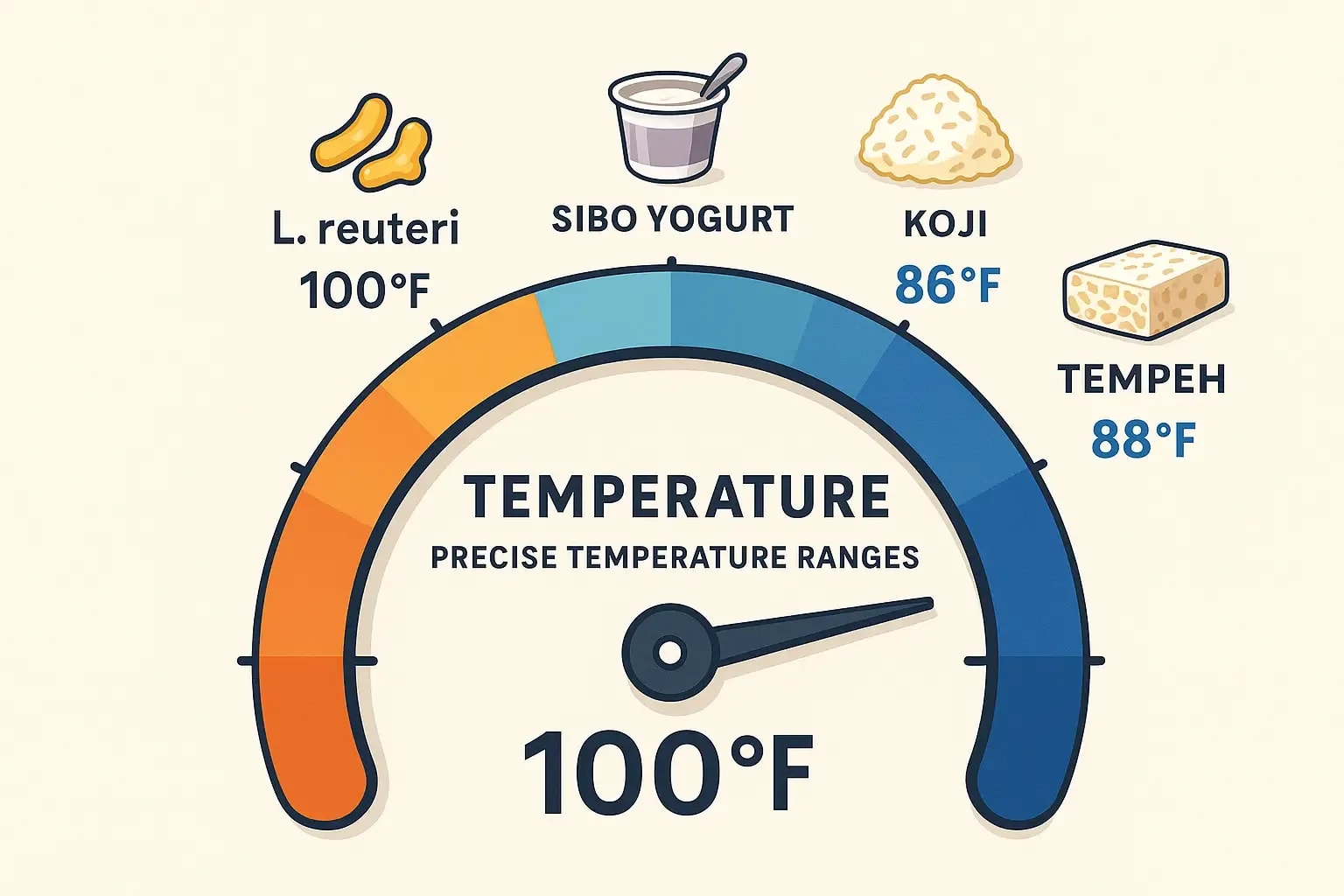
Precise temperature control transforms fermentation from art to science. Whether maintaining koji at exactly 86°F or keeping kefir grains at their optimal 72°F, these tools eliminate guesswork.
Why Temperature Matters
- SIBO yogurt: Must maintain exactly 110°F for 36 hours - even 2°F variation affects bacterial strains
- L. reuteri yogurt: Requires 100°F for 36 hours to properly cultivate this finicky strain
- Koji: 2°F variation can mean 12-hour timing differences
- Tempeh: Inconsistent temps lead to uneven spore development
- Regular yogurt: Wrong temperature kills cultures or promotes unwanted bacteria
- Kombucha: Temperature affects fermentation speed and flavor profile
For therapeutic yogurts like SIBO-specific strains and L. reuteri, precision isn't just nice to have - it's essential. Traditional yogurt makers can't maintain temperature accurately for 36 hours, but all three Anova models handle it perfectly.
Container Considerations
Fermentation often requires wider, shallower containers than typical sous vide cooking. All three models handle standard fermentation vessels, but the adjustable clamp on PC 3.0 and Pro provides more flexibility.
The Bottom Line: Best Anova Sous Vide for Most Home Cooks
After extensive testing across cooking and fermentation applications, the Anova Precision Cooker 3.0 emerges as the best Anova sous vide for most users. It balances power, features, and price while handling everything from weeknight dinners to weekend fermentation projects.
The Nano 3.0 remains an excellent entry point for sous vide beginners, especially with the new WiFi connectivity. If you're curious about sous vide or need basic temperature control for small fermentation projects, it's a solid investment at under $100.
The Pro justifies its premium price only for specific use cases - but when you need that level of performance, nothing else compares.
Whatever model you choose, you're getting laboratory-grade temperature precision that will transform both your cooking and fermentation projects.
Have questions about using Anova circulators for fermentation? Drop a comment below or check out my complete fermentation equipment guide.
Frequently Asked Questions About Anova Sous Vide Models
Is the Anova Pro worth it for home use?
For most home cooks, no. The Anova Pro is designed for commercial kitchens and costs 3x more than the Precision Cooker 3.0. Unless you're cooking for 20+ people regularly or need 24/7 reliability, the PC 3.0 offers better value.
Can the Anova Nano handle large roasts?
Yes, but with limitations. The Anova Nano precision cooker can cook a 5-pound roast in a 5-gallon container, but heating times will be longer. For regular large-format cooking, upgrade to the Precision Cooker 3.0.
Which Anova is best for fermentation?
The Anova Precision Cooker 3.0 offers the best balance for fermentation projects. Its adjustable clamp fits various containers, 1100W power handles multiple vessels efficiently, and the price remains reasonable for dedicated fermentation use.
Do I need WiFi connectivity for sous vide cooking?
WiFi becomes valuable for long cooks and fermentation projects. Being able to monitor your 48-hour koji ferment from work or adjust yogurt temperatures from bed justifies the WiFi models for most users.
What's the difference between Anova 2.0 and 3.0 models?
The 3.0 models feature: increased wattage (Nano: 750W→850W, PC: 1000W→1100W), improved WiFi connectivity, and updated displays. The upgrades make meaningful differences in heating speed and reliability.
Can I use these for tempeh incubation?
Absolutely. All three Anova models maintain the 88°F (31°C) needed for tempeh perfectly. I've made hundreds of batches using Anova circulators with consistent results.
Which model is best for making Dr. Davis's therapeutic yogurts?
All three models maintain the precise temperatures needed for SIBO yogurt (110°F) and L. reuteri yogurt (100°F) for the full 36 hours. The Nano works for 4 jars, while the Precision Cooker 3.0 handles 8-10 jars - perfect for batch making.
Which Anova model is most energy efficient?
Counter-intuitively, the more powerful models are often more efficient for larger volumes. The Pro heating 10 gallons uses less total energy than the Nano struggling with 5 gallons. Match the model to your typical batch size for best efficiency.
Can I leave my Anova running for 36+ hours safely?
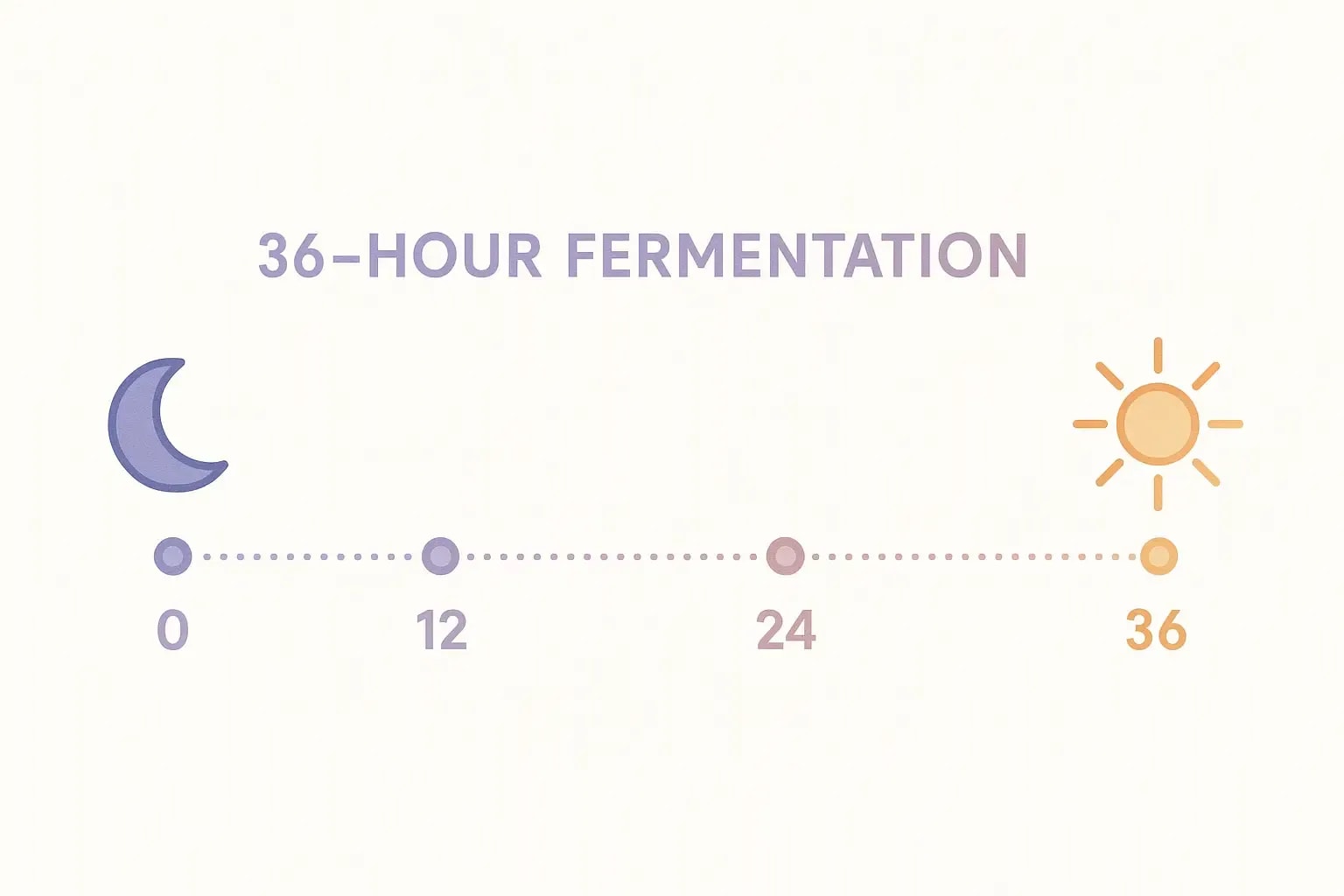
Yes, all Anova models are designed for long cooks. I regularly run 36-hour yogurt fermentations without issues. The Pro can run continuously for 10,000 hours, while even the Nano handles 3,000 hours - far more than any fermentation project requires.
What's the best container for each Anova model?
- Nano: COSPARX 12qt container - complete kit with lid, rack, and sleeve
- Precision Cooker 3.0: Greater Goods 12qt container - premium insulation and accessories
- Pro: Anova's official 16L container for standard use or the EVERIE 26qt container to maximize the Pro's 26-gallon capacity
Is Anova better than other sous vide brands?
While personal preference varies, Anova consistently ranks #1 for reliability, app functionality, and customer support. Their 2-year warranty and 100-day return policy show confidence in their products. For fermentation use specifically, their precise temperature control (±0.1°C) matches lab-grade equipment.