
Have you ever tasted something so delicious that you wanted to share it with everyone you meet? That's exactly what happened to me with labneh—the creamy, tangy Middle Eastern yogurt cheese that's been nourishing people for thousands of years. Let me share what makes this ancient food so special for your gut, and why it might just become your new fermentation obsession.
Labneh (also spelled labaneh or labne) is essentially yogurt that's been strained to remove most of its whey, transforming it into a thick, spreadable cheese with an incredibly concentrated probiotic punch. While it's been a staple across the Middle East, Mediterranean, and parts of Central Asia for millennia, Western wellness circles are just beginning to discover what traditional cultures have always known: this simple food is a gut health powerhouse.
A note on health information: The information shared here is for educational purposes only and is not intended as medical advice. Always consult with a healthcare professional before making changes to your diet, especially if you have existing health conditions or are taking medications.
#What Makes Labneh Different from Regular Yogurt?
The magic of labneh lies in what's removed and what remains. When you strain yogurt, you're removing the liquid whey—which contains lactose, some water-soluble vitamins, and minerals. What stays behind is a concentrated treasure trove of:
Probiotic bacteria: The beneficial microbes become far more concentrated per serving. While regular yogurt might contain millions of colony-forming units (CFUs) per spoonful, labneh can contain billions in the same amount.
Protein: Straining concentrates the protein content significantly. A serving of labneh can contain 2-3 times more protein than the same amount of unstrained yogurt.
Healthy fats: If you're using full-fat yogurt (which I highly recommend), those beneficial fats become more concentrated, helping with nutrient absorption and satiety.
Lower lactose: Much of the lactose drains away with the whey, making labneh often more tolerable for people with lactose sensitivity. The remaining lactose is also partially consumed by the probiotic bacteria during fermentation.
Research on fermented dairy products suggests that the straining process doesn't just concentrate nutrients—it may actually enhance the bioavailability of certain beneficial compounds, making them easier for your body to absorb and use.
#The Gut-Healing Power of Concentrated Probiotics
Here's where labneh becomes truly fascinating from a gut health perspective. The concentration of beneficial bacteria means you're delivering a more potent dose of probiotics with every bite. Scientists have identified that fermented dairy products contain diverse strains of beneficial bacteria, including various Lactobacillus and Bifidobacterium species.
These beneficial microbes work in several ways:
Crowding out harmful bacteria: The good bacteria in labneh compete for space and resources in your gut, making it harder for pathogenic bacteria to establish themselves.
Producing beneficial compounds: As these bacteria metabolize nutrients, they produce short-chain fatty acids (SCFAs) like butyrate, which nourish your intestinal lining and have anti-inflammatory properties.
Supporting your immune system: Studies indicate that probiotic bacteria can help modulate immune function, potentially reducing inflammation and supporting overall immune health.
Strengthening the gut barrier: Research suggests that certain probiotic strains may help maintain the integrity of your intestinal lining, which is crucial for preventing "leaky gut" and systemic inflammation.
The beauty of labneh is that you're not just getting probiotics—you're getting them in a whole-food matrix with protein, fat, and other nutrients that support their survival through your digestive system and enhance their beneficial effects.
#My Labneh Journey: From Kitchen Experiment to Community Gift
I make labneh every few weeks using Dr. William Davis's triple-strain yogurt method, and it's become one of my favorite fermentation rituals. But last summer, I got to experience something truly special that showed me the power of sharing fermented foods with community.
I made about 25 liters of labneh as my gift to the entire Borderland Burn event in Sweden. I brought a saaj (a traditional Middle Eastern domed griddle) specifically for this, and served the labneh on hot saaj bread with olive oil and za'atar. The combination was incredibly delicious—the warm, slightly charred bread, the cool tangy labneh, the fruity olive oil, and the aromatic za'atar created this perfect harmony of flavors and textures.
I had planned to do only 2-hour shifts serving this gift, but people couldn't get enough. The shifts stretched to 4-5 hours, and I loved every minute of it. There's something deeply meaningful about distributing good gut bacteria to the world, watching people's faces light up as they taste something both ancient and nourishing. It felt like participating in a tradition that stretches back thousands of years—sharing fermented foods as an act of community care and connection.
That experience taught me that labneh isn't just food—it's a vehicle for connection, generosity, and the simple joy of nourishing others.

#How to Make Labneh at Home
The beautiful thing about labneh is its simplicity. You need just two things: good yogurt and time. Here's the basic process:
Start with quality yogurt: Use plain, unsweetened yogurt with live active cultures. Full-fat yogurt will give you the creamiest, most luxurious labneh. If you're making your own yogurt first (which I highly recommend), you'll have complete control over the strains and fermentation time.
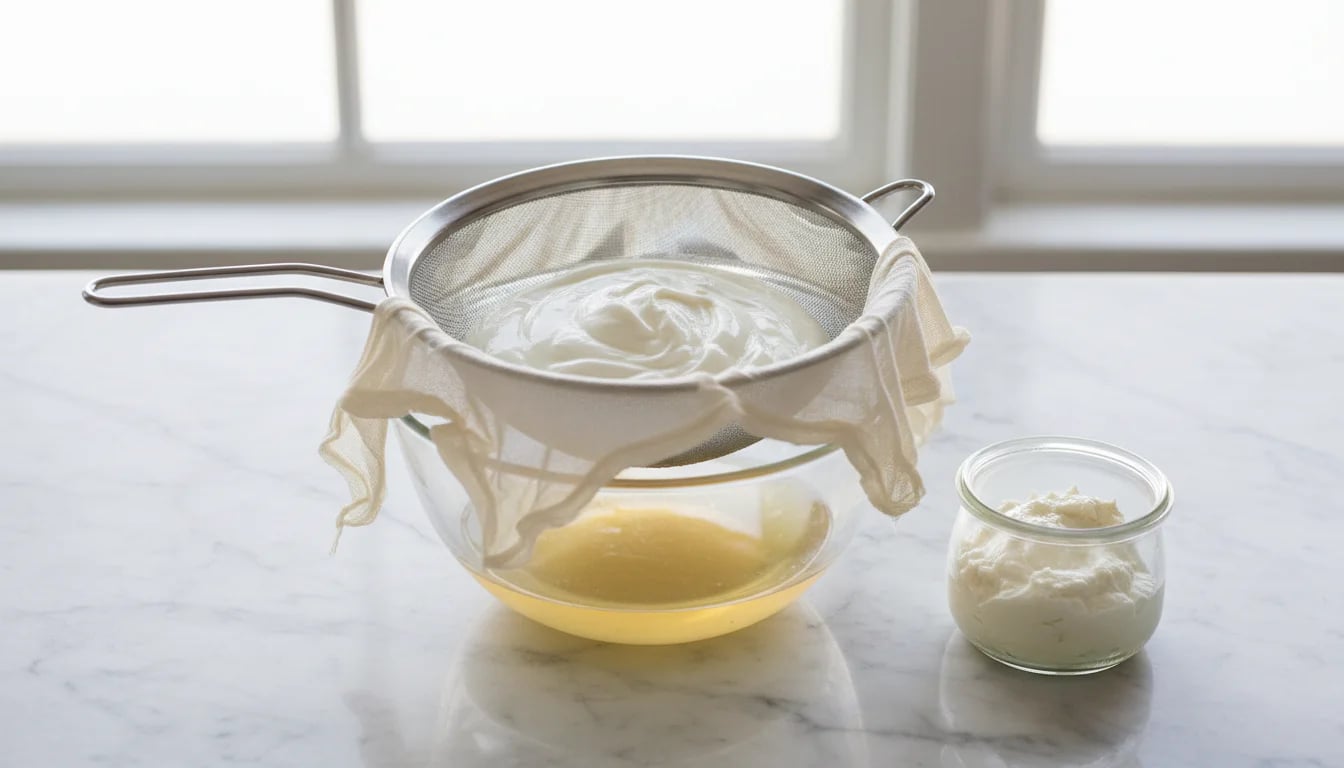
Set up your straining system: You'll need a fine-mesh strainer, cheesecloth, or a clean kitchen towel. A simple bowl and strainer setup works perfectly for home use.
Add salt (optional but traditional): Mix about 1/2 teaspoon of salt per cup of yogurt. This enhances flavor, acts as a preservative, and helps draw out more whey.
Strain for 12-48 hours: The longer you strain, the thicker your labneh becomes. At 12 hours, you'll have a thick, spreadable consistency. At 24-48 hours, it becomes firm enough to roll into balls.
Refrigerate and enjoy: Your finished labneh will keep for 1-2 weeks in the refrigerator, though in my experience, it rarely lasts that long!
The whey you drain off is liquid gold—don't throw it away! You can use it in smoothies, as a starter for fermented vegetables, in baking, or even as a facial toner (yes, really—the lactic acid is wonderful for skin).
#The Triple-Strain Advantage
Dr. William Davis's triple-strain yogurt method, which I use for my labneh, incorporates three specific probiotic strains that have been studied for their unique benefits: Lactobacillus reuteri, Lactobacillus gasseri, and Bifidobacterium longum (or Bifidobacterium coagulans, depending on the variation).
What makes this approach special is the extended fermentation time—typically 36 hours—which allows these bacteria to multiply to therapeutic levels (often reaching 200+ billion CFUs per serving). When you then strain this yogurt into labneh, you're concentrating these already-abundant bacteria even further.
Research on these specific strains suggests they may offer benefits beyond general probiotic effects:
L. reuteri has been studied for its potential effects on oxytocin production, skin health, and immune function. Some people report improvements in mood, sleep, and even physical appearance.
L. gasseri has been researched for its potential role in weight management and metabolic health, with some studies indicating it may help reduce abdominal fat.
Bifidobacterium species are particularly important for gut barrier function and have been studied for their anti-inflammatory properties.
When you make labneh from this triple-strain yogurt, you're creating what might be one of the most probiotic-dense foods you can make at home.
#Serving and Enjoying Labneh
One of the joys of labneh is its incredible versatility. Here are some of my favorite ways to enjoy it:
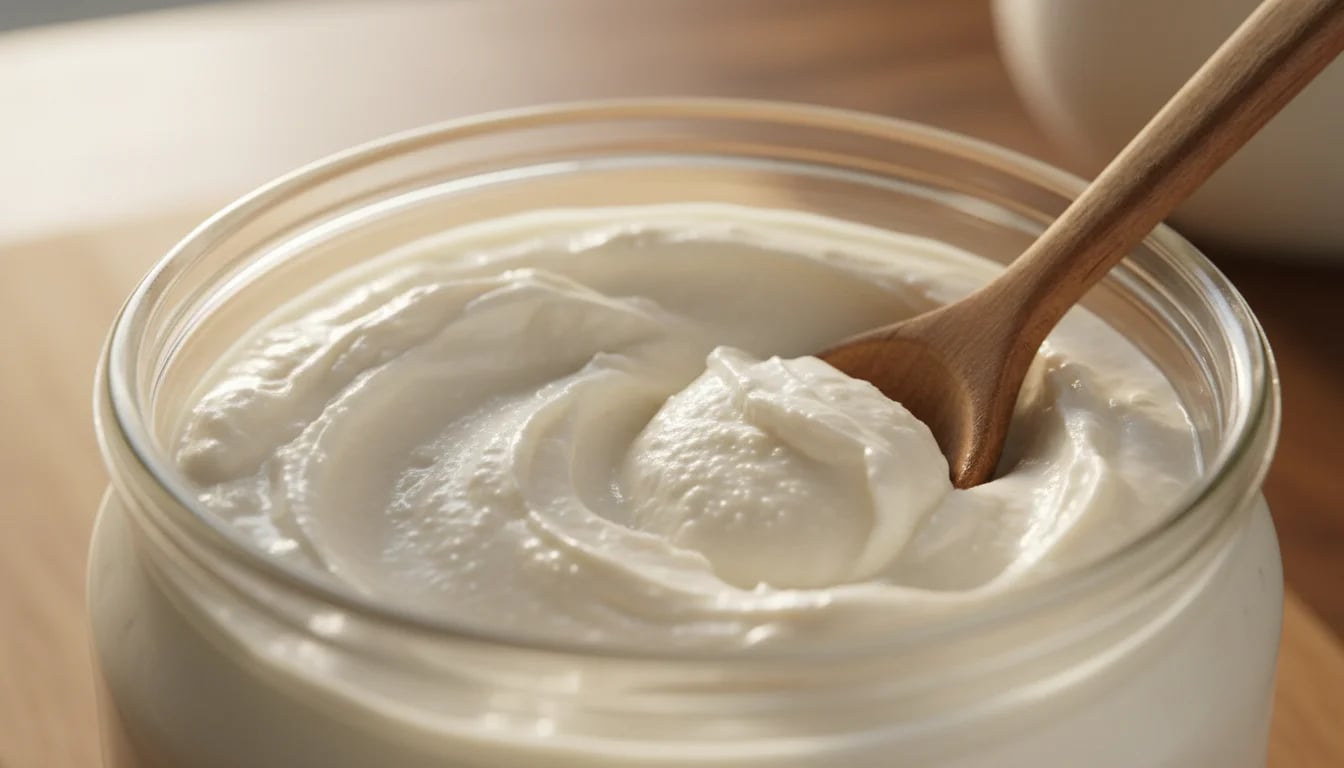
Traditional Middle Eastern style: Spread on a plate, drizzle with olive oil, sprinkle with za'atar, and serve with warm pita or flatbread. This is the classic preparation for a reason—it's absolutely perfect.
As a dip: Mix with minced garlic, lemon juice, and fresh herbs like mint or dill. It's incredible with raw vegetables or as a spread for sandwiches.
In place of sour cream: Use it anywhere you'd use sour cream or Greek yogurt—on tacos, in baked potatoes, as a base for dressings.
Labneh balls in oil: Roll firm labneh into balls, place in a jar, and cover with olive oil infused with herbs, garlic, and spices. They'll keep for weeks and make an impressive appetizer.
Sweet preparations: While less traditional, labneh is wonderful with honey, fresh fruit, and nuts for a probiotic-rich breakfast or dessert.
In cooking: Stir it into soups at the end of cooking for creaminess, use it in pasta sauces, or dollop it on roasted vegetables.
The tangy, slightly salty flavor of labneh pairs beautifully with both savory and sweet ingredients, making it one of the most versatile fermented foods in your kitchen.
#Troubleshooting Your Labneh
Too thin after straining? Your yogurt might not have been thick enough to start with, or you may need to strain longer. Make sure you're using yogurt with live active cultures—ultra-pasteurized yogurt won't work as well.
Tastes too sour? This usually means your starting yogurt was over-fermented. For a milder labneh, use yogurt that's been fermented for a shorter time, or add a pinch of salt to balance the acidity.
Whey not draining? Make sure your cheesecloth or strainer isn't too fine—you want the liquid to pass through while the solids stay behind. Also, give it time—the first few hours see the most drainage, but it continues slowly over 24-48 hours.
Grainy texture? This can happen if the yogurt was heated too high during fermentation or if it was stirred too vigorously. Gentle handling is key.
Separation or weeping? Some whey separation is normal, especially in longer-strained labneh. Just stir it back in or drain it off. If there's excessive separation, your yogurt culture might not have been active enough.
Remember, even imperfect labneh is delicious and probiotic-rich. Don't let perfectionism stop you from experimenting!
#The Bigger Picture: Fermented Foods as Medicine
Labneh represents something larger than just a delicious food—it's part of a global tradition of using fermentation to preserve food, enhance nutrition, and support health. From Korean kimchi to German sauerkraut, from Japanese miso to Ethiopian injera, cultures around the world have independently discovered that fermented foods are essential for wellbeing.
Modern science is now confirming what traditional wisdom has always known: the health of our gut microbiome profoundly influences our overall health, from digestion and immunity to mood and cognitive function. The gut-brain axis—the bidirectional communication between your gut and your brain—means that nourishing your gut bacteria with fermented foods like labneh may influence far more than just your digestive health.
When you make and eat labneh, you're participating in this ancient wisdom while also giving your body the tools it needs to thrive in our modern world. You're not just eating food—you're cultivating an internal ecosystem, supporting trillions of beneficial microbes that work tirelessly to keep you healthy.
And perhaps most importantly, you're connecting with something timeless and human: the practice of transforming simple ingredients into nourishment through patience, care, and the invisible work of beneficial bacteria.
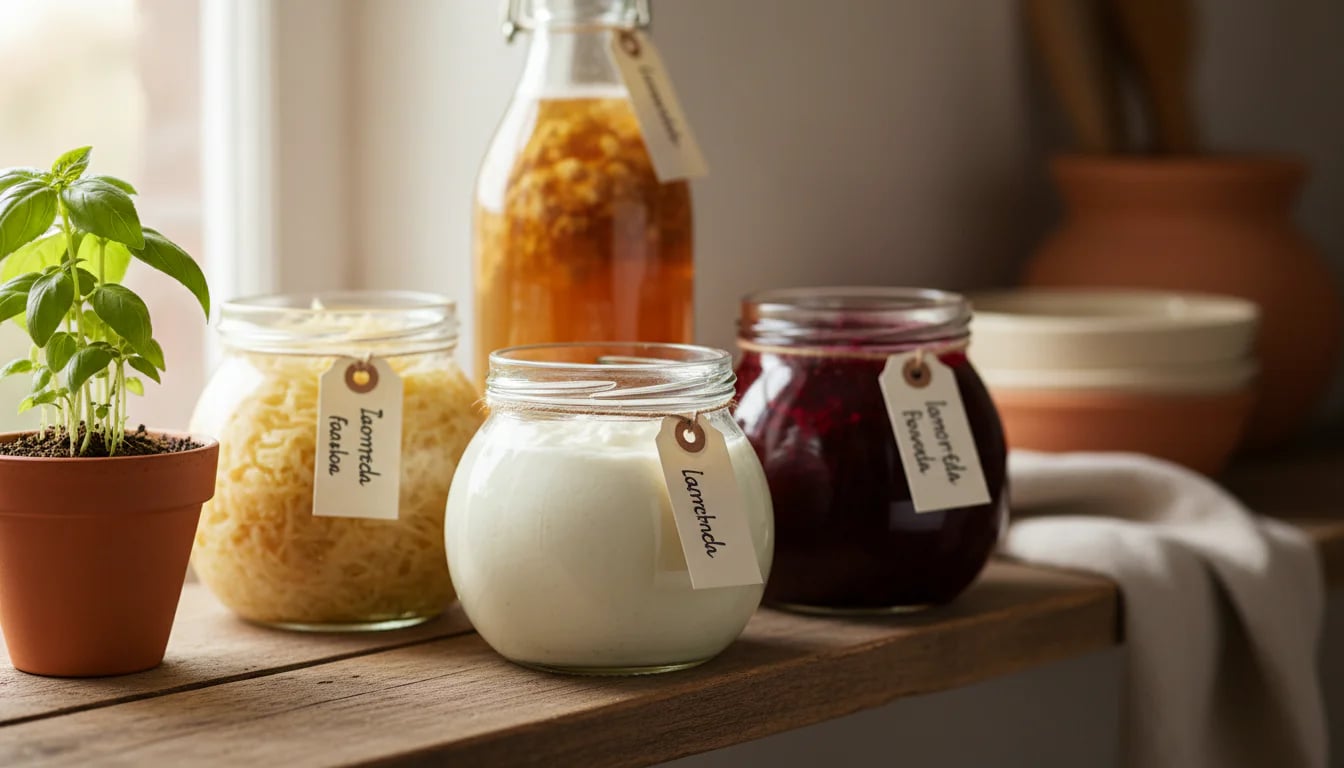
#Your Labneh Adventure Begins
If you've never made labneh before, I encourage you to start this week. Begin with a small batch—just a cup or two of yogurt—and see what happens. Watch the whey drain away, revealing the concentrated, creamy cheese beneath. Taste it at different stages of straining to discover your preferred consistency.
Then, share it. Invite friends over for a Middle Eastern-inspired meal. Bring it to a potluck. Gift a jar to someone who's curious about fermentation. There's something magical about sharing fermented foods—you're not just sharing calories, you're sharing living cultures, ancient traditions, and the possibility of better health.
You might find, as I did, that making and sharing labneh becomes more than just a kitchen task. It becomes a practice of care—for yourself, for your gut microbiome, and for your community. It becomes a way of participating in something larger than yourself, a tradition that stretches back thousands of years and forward into a future where we remember that the best medicine often comes from the simplest, most ancient foods.
So grab some yogurt, set up your strainer, and begin your labneh journey. Your gut—and everyone you share it with—will thank you.
Disclaimer: This article is for informational and educational purposes only. It is not intended to be a substitute for professional medical advice, diagnosis, or treatment. Individual results may vary. Please consult your healthcare provider before beginning any new dietary practice, especially if you have a medical condition or take medications.