
Disclaimer: This article is for educational and informational purposes only. It is not medical advice or diagnostic information. Always consult with your healthcare provider before starting any supplement regimen.
Quick Summary: Vitamin D inadequacy is common in certain groups, but "half the world is deficient" is an overstatement — in the US only about 5% are truly deficient and ~18% at risk of inadequacy. This comprehensive guide reveals the latest research on vitamin D supplementation, including why D3 outperforms D2, the powerful K2 combination, optimal dosing strategies, and how vitamin D amplifies the benefits of fermented foods.
Picture this: You've invested in a cabinet full of fermented treasures – vibrant kimchi, tangy sauerkraut, creamy kefir – each one teeming with beneficial nutrients. But here's the plot twist that might shock you: without adequate vitamin D levels, your body could be absorbing only a fraction of those precious nutrients you're working so hard to consume!
Let's explore the fascinating science behind vitamin D supplementation, the "sunshine vitamin" that functions more like a hormone than a traditional vitamin, and discover why it's the ultimate partner for maximizing your fermentation lifestyle.
The Hidden Vitamin D Deficiency Pandemic

You'll often read that "nearly half the world is vitamin D deficient," but that figure lumps together mildly low readings under varying cutoffs. True deficiency is far less common — in the US about 5% are deficient and ~18% at risk of inadequacy, and most people are sufficient (The Power of Vitamin D, PMC).
The situation becomes even more dramatic when you examine seasonal variations. During winter months, vitamin D deficiency rates can soar, contributing to what researchers believe is a significant portion of seasonal mortality (Vitamin D: Evidence-Based Health Benefits, MDPI).
Common Signs of Vitamin D Deficiency:
- Fatigue and tiredness
- Bone and back pain
- Depression or mood changes
- Impaired wound healing
- Hair loss
- Muscle pain
- Frequent infections
The Vitamin D and Fermentation Connection: A Match Made in Nutritional Heaven
Here's something most articles won't tell you: Vitamin D acts like a master key that unlocks your body's ability to absorb nutrients. And guess what fermented foods are packed with? Nutrients! This fat-soluble vitamin plays a crucial role in optimizing nutrient absorption from every bite of kimchi, every sip of kefir, and every forkful of sauerkraut.
How Vitamin D Enhances Nutrient Absorption
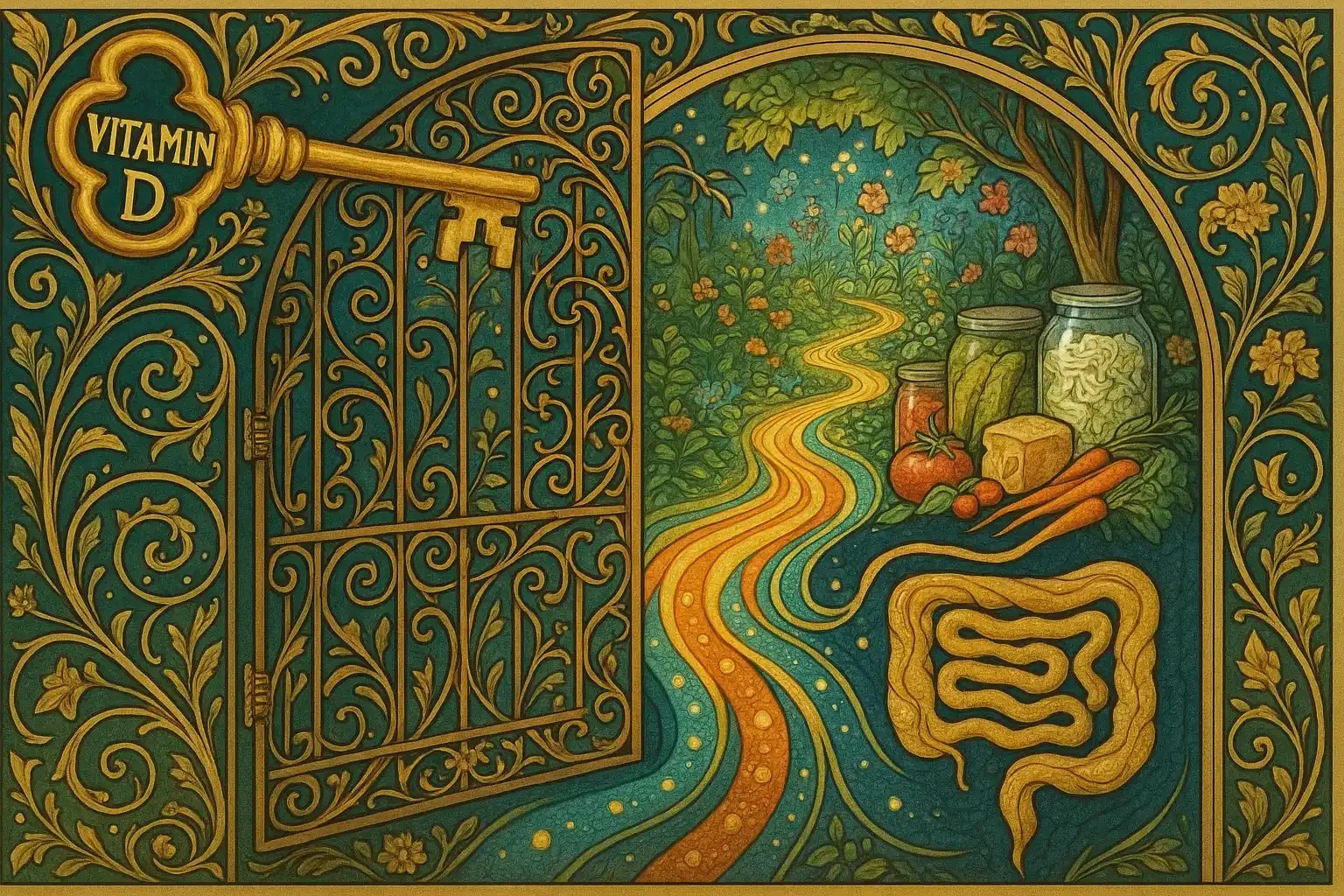
- Calcium absorption: Vitamin D is required for active calcium absorption (severe deficiency markedly impairs it) – and fermented dairy like kefir and yogurt is a good calcium source
- Magnesium uptake: Essential for over 300 enzyme reactions, and abundant in fermented vegetables
- Phosphorus utilization: Critical for energy production and found in fermented grains
- Iron absorption: Vitamin D helps regulate hepcidin, improving iron metabolism – perfect for maximizing the bioavailable iron in fermented foods
The Gut Health and Vitamin D Synergy

Recent research reveals that vitamin D receptors (VDR) exist throughout your entire gastrointestinal tract. When you combine optimal vitamin D levels with probiotic-rich fermented foods, you create a powerful synergy for gut health optimization:
- Enhanced intestinal barrier function – creating a stronger defense against pathogens
- Improved microbiome diversity – allowing beneficial bacteria to thrive
- Increased production of antimicrobial peptides – your gut's natural antibiotics
- Reduced inflammation – calming the gut lining for better nutrient absorption
Think of it this way: If fermented foods are the seeds of good health, vitamin D is the fertile soil that helps them flourish!
The Hidden Cost of Vitamin D Deficiency: Are You Wasting Your Fermented Foods?
Here's a sobering reality check: You could be consuming the world's finest kimchi, drinking gallons of probiotic-rich kefir, and faithfully eating kombucha daily, yet if you're vitamin D deficient, you might be absorbing only a fraction of their benefits. Here's how vitamin D deficiency sabotages nutrient absorption:
When Vitamin D Is Low:
- Calcium absorption is impaired – without enough vitamin D the body can't absorb dietary calcium efficiently
- Gut barrier function weakens – those probiotics have a harder time colonizing
- Inflammation increases – counteracting the anti-inflammatory benefits of fermented foods
- Immune function falters – reducing the immune boost from fermented foods
- Mineral absorption plummets – all those bioavailable minerals in fermented vegetables? Not so bioavailable anymore
The Multiplication Effect: When Vitamin D Levels Are Optimal When vitamin D is adequate (the IOM considers ≥20 ng/mL sufficient; the older "30-50 ng/mL optimal" target was retired by its own authors in 2024), your body absorbs calcium efficiently:
- Better calcium absorption from dietary sources
- Support for magnesium and other mineral uptake
- Enhanced antimicrobial peptide production that works synergistically with probiotics
- Stronger intestinal tight junctions – the cellular "gates" that maintain gut integrity
What the Research Really Says: Evidence-Based Vitamin D Benefits
The Longevity Connection: Your Cellular Fountain of Youth
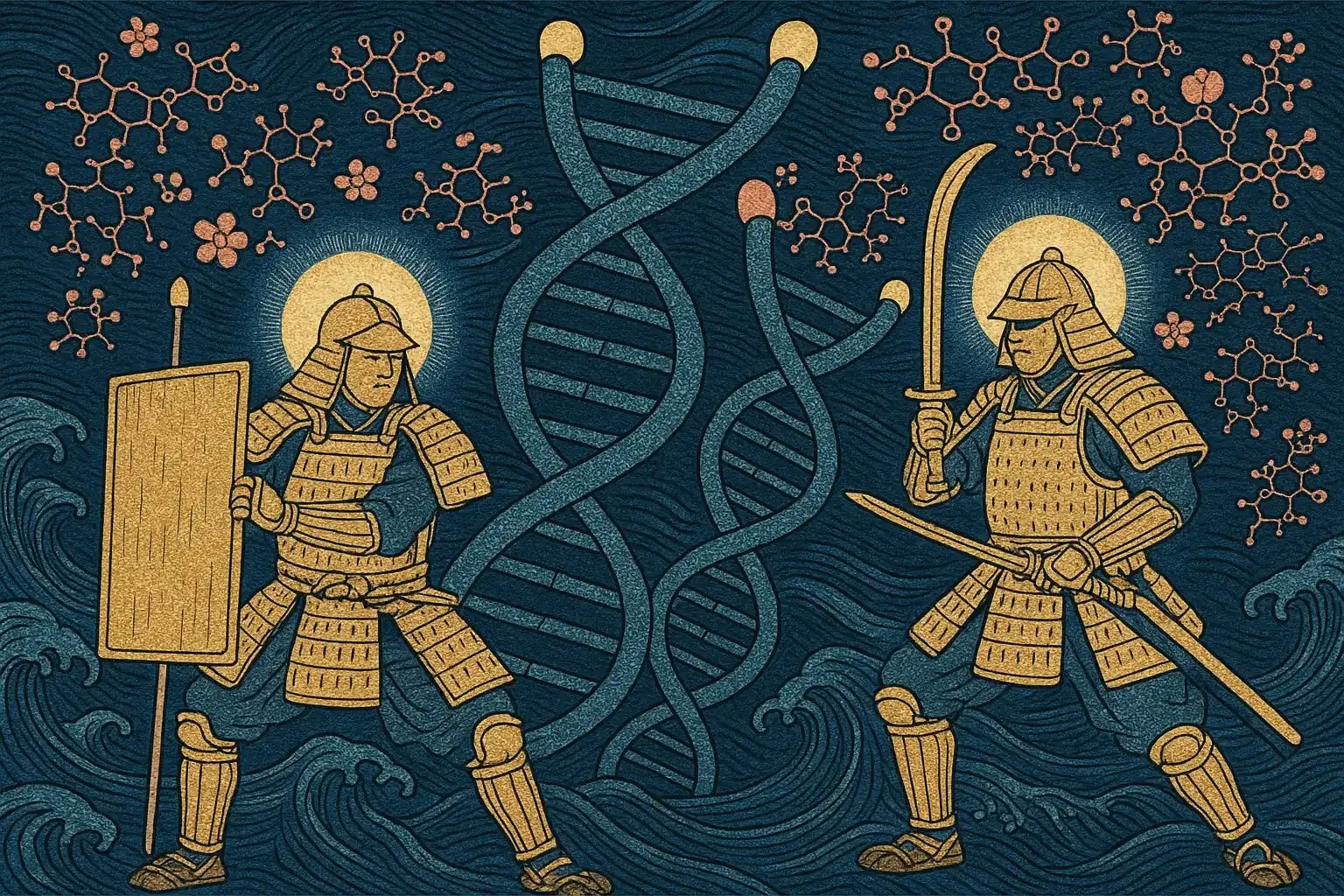
Ready for some anti-aging science? Groundbreaking research from Harvard-affiliated institutions found that taking 2,000 IU of vitamin D supplements daily helped preserve telomeres -- the tiny protective caps on our DNA that function like the plastic tips on shoelaces. The research followed over 1,000 adults for five years and showed that those taking vitamin D maintained their telomeres by 140 base pairs compared with the placebo group (Harvard Gazette).
Think of telomeres as your cellular countdown clock – the shorter they get, the older you become at a cellular level. This is a single exploratory finding on a surrogate marker (telomere length) — intriguing, but not proof that vitamin D slows aging.
Beyond Bones: The Comprehensive Health Benefits of Vitamin D
While we've long known vitamin D is crucial for bone health, cutting-edge research reveals it functions like a Swiss Army knife for your body – and here's the game-changer: it amplifies the benefits of your fermented foods exponentially!
-
Immune System Orchestration: Vitamin D doesn't merely support immunity – it conducts the entire immune symphony! It has established roles in bone/calcium health and pregnancy, and is being studied for immunity and many tissues — but large randomized trials found NO reduction in cancer or cardiovascular disease, so those aren't confirmed benefits (PubMed). When combined with immune-boosting probiotics from fermented foods, you create a sophisticated dual-defense system.
-
Inflammation Reduction: Research demonstrates that vitamin D's anti-inflammatory properties work synergistically with bioactive compounds in fermented foods like kimchi and sauerkraut. This creates a compounded anti-inflammatory effect that's greater than the sum of its parts.
-
Gut-Brain Axis Enhancement: Vitamin D receptors throughout your gut help maintain intestinal barrier integrity – the same barrier that probiotics from fermented foods work to strengthen. This dual action supports the gut-brain axis, influencing mood, cognitive function, and overall neurological wellbeing.
-
A reality check on disease prevention: Despite popular claims, large randomized trials (VITAL) and Cochrane reviews have NOT found that vitamin D prevents cancer, heart disease, or stroke, and its role in COVID-19, Alzheimer's, and general diabetes is unproven. Low vitamin D is associated with many diseases in observational studies, but correcting it hasn't reduced those outcomes in controlled trials (MDPI). Combine this protective effect with the disease-fighting compounds in fermented foods, and you're building a formidable defense system.
-
Mineral Absorption Enhancement: Vitamin D doesn't just help with calcium – it enhances the absorption of magnesium, phosphorus, and zinc. These are the same minerals that fermentation makes more bioavailable. It's a multiplication effect, not just addition!
Vitamin D2 vs D3: The Scientific Comparison
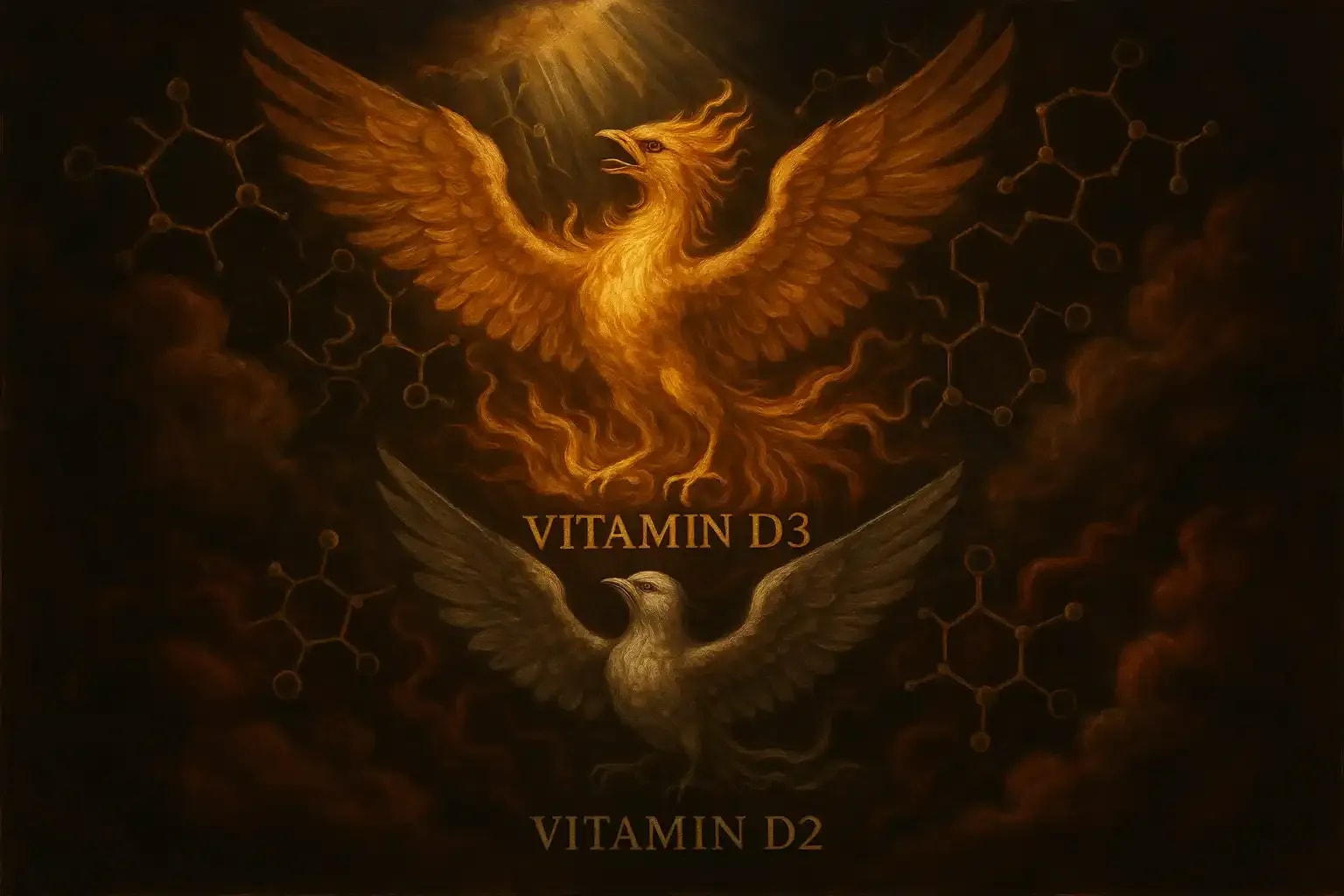
Not all vitamin D supplements are created equal! Here's what the science says about ergocalciferol vs cholecalciferol:
Vitamin D3 (Cholecalciferol) - The Superior Form
- Source: Made by your skin when exposed to sunlight, found in animal products
- Effectiveness: Research shows cholecalciferol is more effective than ergocalciferol in improving total 25(OH)D (mean difference: 15.69 nmol/L) (PMC)
- Potency: Studies consistently show D3 is 1.7 to 3 times more potent and has a longer-lasting effect than D2 (ClinCalc)
Vitamin D2 (Ergocalciferol) - The Plant-Based Alternative
- Source: Plant-based, derived from mushrooms and yeast
- Effectiveness: Less potent and shorter-acting
- Best for: Vegans and vegetarians who prefer plant-based supplements
The verdict? Despite vitamin D2 being commonly prescribed, research shows vitamin D3 (cholecalciferol) is the superior form for supplementation (PubMed). Most researchers now recommend D3 for optimal results.
The Dynamic Duo: Vitamin D3 and K2 Combination Benefits
Here's where things get really interesting! Like Batman and Robin, vitamin D3 and K2 work better as a team. Recent research reveals why this vitamin D and K2 combination is so powerful:
The Science Behind Vitamin D and K2 Synergy
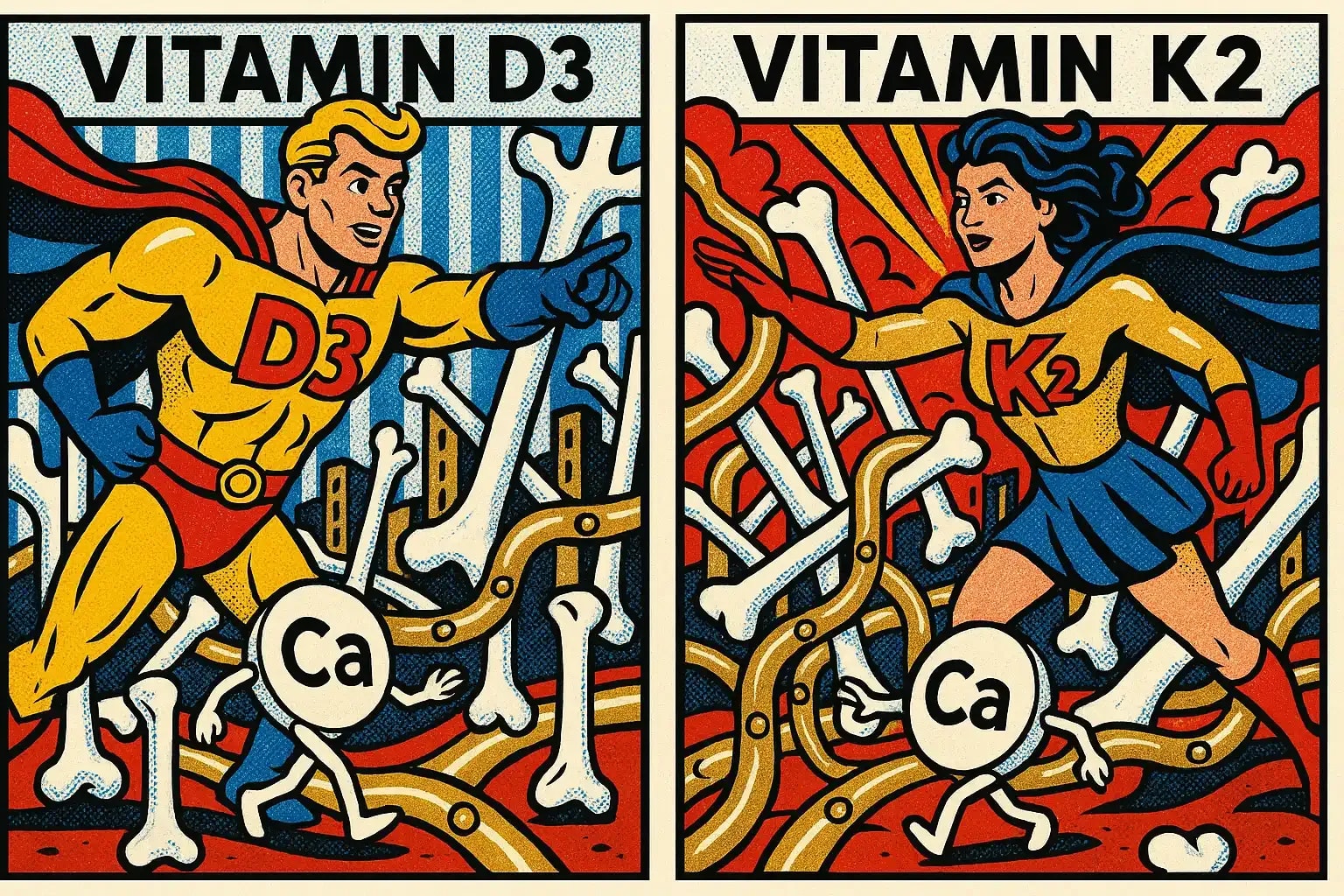
Vitamin K2 is transported to extrahepatic tissues, such as bone and the vascular wall, regulating the activity of matrix Gla protein (MGP) and osteocalcin – the main vitamin K-dependent proteins (PMC).
Consider this mechanism: Vitamin D increases calcium absorption from your diet, while K2 activates proteins that direct calcium to appropriate destinations – depositing it in bones and teeth while preventing accumulation in soft tissues like arteries and kidneys.
Research-Proven Benefits of D3 + K2 Supplements
Recent studies have shown impressive results when these vitamins join forces:
-
Inflammation Reduction: Research demonstrates that combined K2 and D3 supplementation led to significant improvements in inflammatory markers and gut dysfunction over 24 weeks (MDPI). This finding has important implications for managing chronic inflammatory conditions.
-
Bone Health Enhancement: In patients with osteoporosis, the vitamin K2 + D3 combination achieved remarkable fusion rates of 91.67% compared to just 74.29% in the control group (Nature). This represents a significant improvement in bone healing and regeneration capacity.
-
Blood Sugar (preliminary): A small study suggested a D3 + K2 combination may aid insulin sensitivity, but vitamin D shows no general benefit for established type 2 diabetes (the one endorsed metabolic use is high-risk prediabetes) (BMC). This metabolic support is particularly valuable for maintaining stable energy levels throughout the day.
-
Cardiovascular Protection: K2 activates matrix Gla protein (MGP), which prevents calcium deposits in arteries, while D3 ensures efficient calcium utilization for bone health. This coordinated action supports both skeletal and cardiovascular health simultaneously.
Who Should Take Vitamin D Supplements?
After extensive research and evolving clinical guidelines, here's who the scientific consensus says should definitely consider vitamin D supplementation:
- Children and Adolescents (1-18 years): To prevent rickets and support growing bodies
- Adults over 75: Evidence shows vitamin D can lower mortality risk
- Pregnant and Breastfeeding Women: To reduce pregnancy complications and support fetal development
- Adults with Pre-diabetes: Studies indicate it can reduce the risk of progressing to diabetes
- People with Limited Sun Exposure: Including office workers, those wearing covering clothing, or living in northern latitudes
- Those with Malabsorption Issues: Including celiac disease, Crohn's disease, or post-gastric bypass surgery
- People with Dark Skin Living in Northern Climates: Higher melanin reduces vitamin D synthesis
- Individuals on Certain Medications: Some drugs interfere with vitamin D metabolism
Vitamin D Toxicity and Safety Considerations
Before you start taking vitamin D supplements, let's address safety concerns:
Understanding Vitamin D Toxicity (Hypervitaminosis D)
Confusion, apathy, recurrent vomiting, abdominal pain, polyuria, polydipsia, and dehydration are the most often noted clinical symptoms of vitamin D toxicity (Frontiers in Endocrinology).
Frank toxicity generally requires sustained very high intake (well above 10,000 IU/day for months) — but the safety ceiling is much lower: the tolerable upper limit is 4,000 IU/day for adults, and doses above that should be medically monitored (Merck Manual).
The Safety Zone for Vitamin D Supplementation
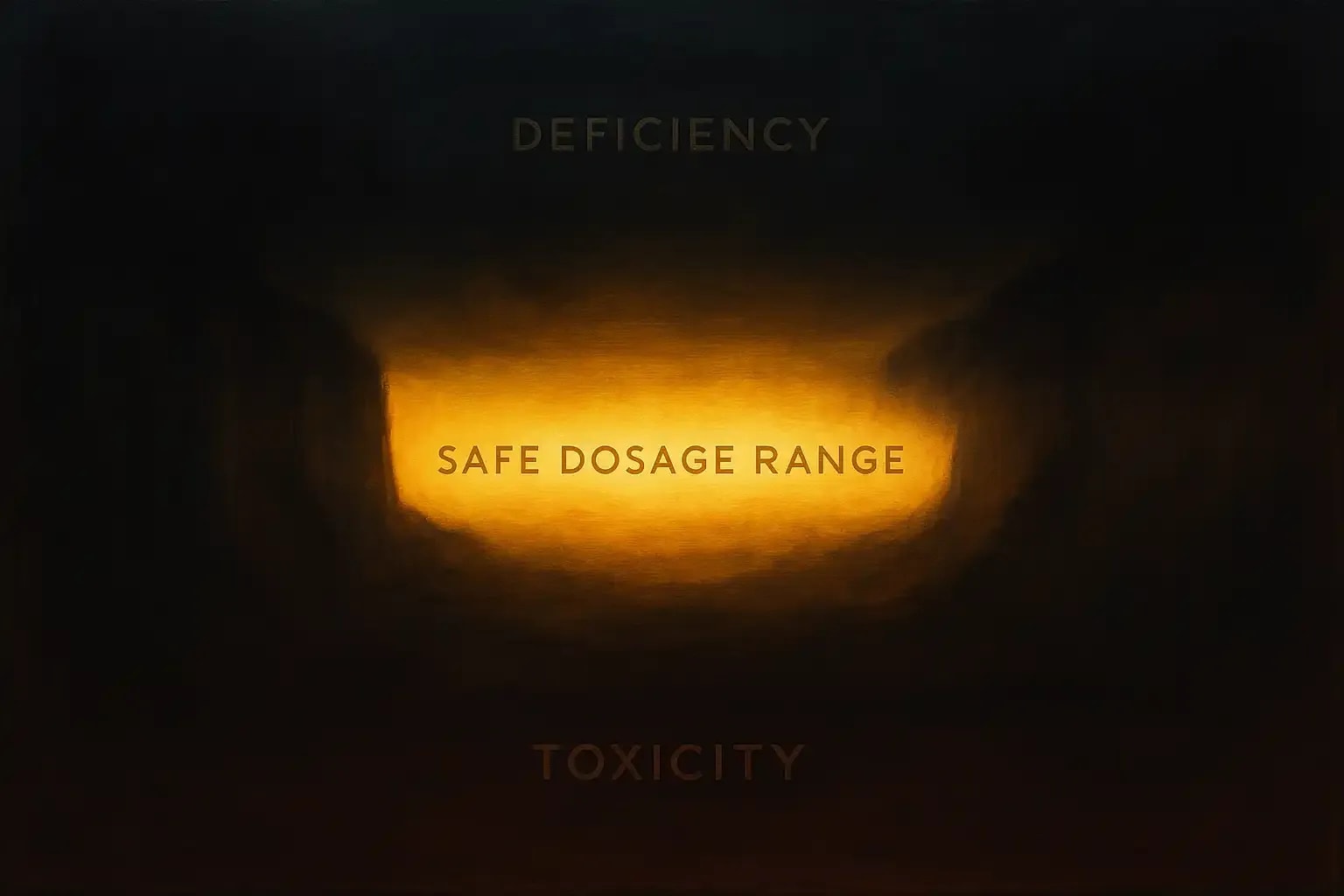
Serum levels above ~150 ng/mL are clearly toxic, and levels above ~50 ng/mL may carry risk. The tolerable upper limit is 4,000 IU/day for adults; the maintenance sweet spot is ~1,000-2,000 IU. Vitamin D can be dangerous for people with sarcoidosis or other granulomatous diseases, lymphoma, kidney disease, or hyperparathyroidism (hypercalcemia risk), and it interacts with thiazide diuretics and digoxin — those groups should only supplement under medical supervision.
Vitamin D Dosage Recommendations: Finding Your Sweet Spot
Based on the latest research, here are evidence-based vitamin D dosing guidelines:
General Population Vitamin D Dosage:
- Daily Maintenance: 1,000-2,000 IU of vitamin D3
- With K2: 90-100 mcg of vitamin K2 (MK-7 form)
- Upper Safe Limit: 4,000 IU daily without medical supervision
Special Population Considerations:
- Vitamin D Deficient Individuals: May need higher short-term doses (sometimes 4,000-6,000 IU daily), but this exceeds the 4,000 IU/day upper limit and should only be done under medical supervision with blood monitoring
- Elderly (75+): 800-2,000 IU daily
- Pregnant Women: 1,000-2,000 IU daily (consult your healthcare provider)
- Obese Individuals: May need 2-3x standard doses due to sequestration in fat tissue
Choosing Quality Vitamin D Supplements
Just like with fermented foods, quality matters! Here's what to look for:
The Good Stuff:
- D3 (cholecalciferol) over D2 – the research is crystal clear
- Combined with K2 (MK-7 form) – look for at least 90 mcg
- Oil-based or softgel forms – better absorption than tablets
- Third-party tested – for purity and potency
- Free from unnecessary additives – just like your ferments!
Red Flags to Avoid:
- D2 (ergocalciferol) as the main ingredient
- Doses over 10,000 IU (unless prescribed)
- Tablets without fat source
- No expiration date
- Suspiciously cheap prices (quality costs)
Pro Tips for Maximum Absorption:
- Take with your fattiest meal of the day
- Combine with magnesium (found in fermented grains!)
- Avoid taking with high-fiber supplements that might interfere
- Morning dosing may support natural circadian rhythms
- Store in a cool, dark place (just like your ferments!)
Maximizing the Vitamin D and Fermentation Synergy
For fermentation enthusiasts, here's the exciting revelation: When you optimize your vitamin D levels, you dramatically enhance your body's ability to utilize every nutrient in your fermented foods. This isn't just addition – it's multiplication of benefits.
The Perfect Pairing Strategy:
- Morning Sunshine + Evening Kraut: Get vitamin D naturally in the morning, enjoy fermented foods with dinner
- Fat-Soluble Friends: Take vitamin D supplements with fermented foods containing healthy fats for better absorption
- Timing Matters: Vitamin D taken with your largest meal improves absorption by up to 50%
Fermented Foods That Complement Vitamin D:
- UV-exposed mushrooms: Some specialty mushrooms are exposed to UV light, creating vitamin D2
- Fermented cod liver: A traditional superfood combining omega-3s, vitamin A, and vitamin D3
- Natto: This fermented soybean dish is one of the richest sources of vitamin K2
- Fermented dairy: The calcium and probiotics work synergistically with vitamin D
Sample Daily Protocol: Vitamin D + Fermentation
Morning (with breakfast):
- Take your D3+K2 supplement with eggs cooked in grass-fed butter
- Side of fermented vegetables for gut health
Lunch:
- Big salad with UV-exposed mushrooms
- Topped with full-fat yogurt dressing
Afternoon:
- 15 minutes of sunshine (if available) or light therapy
- Kefir smoothie with berries
Dinner:
- Fatty fish (natural D3) with miso glaze
- Side of kimchi or sauerkraut
- Small portion of natto (K2 powerhouse)
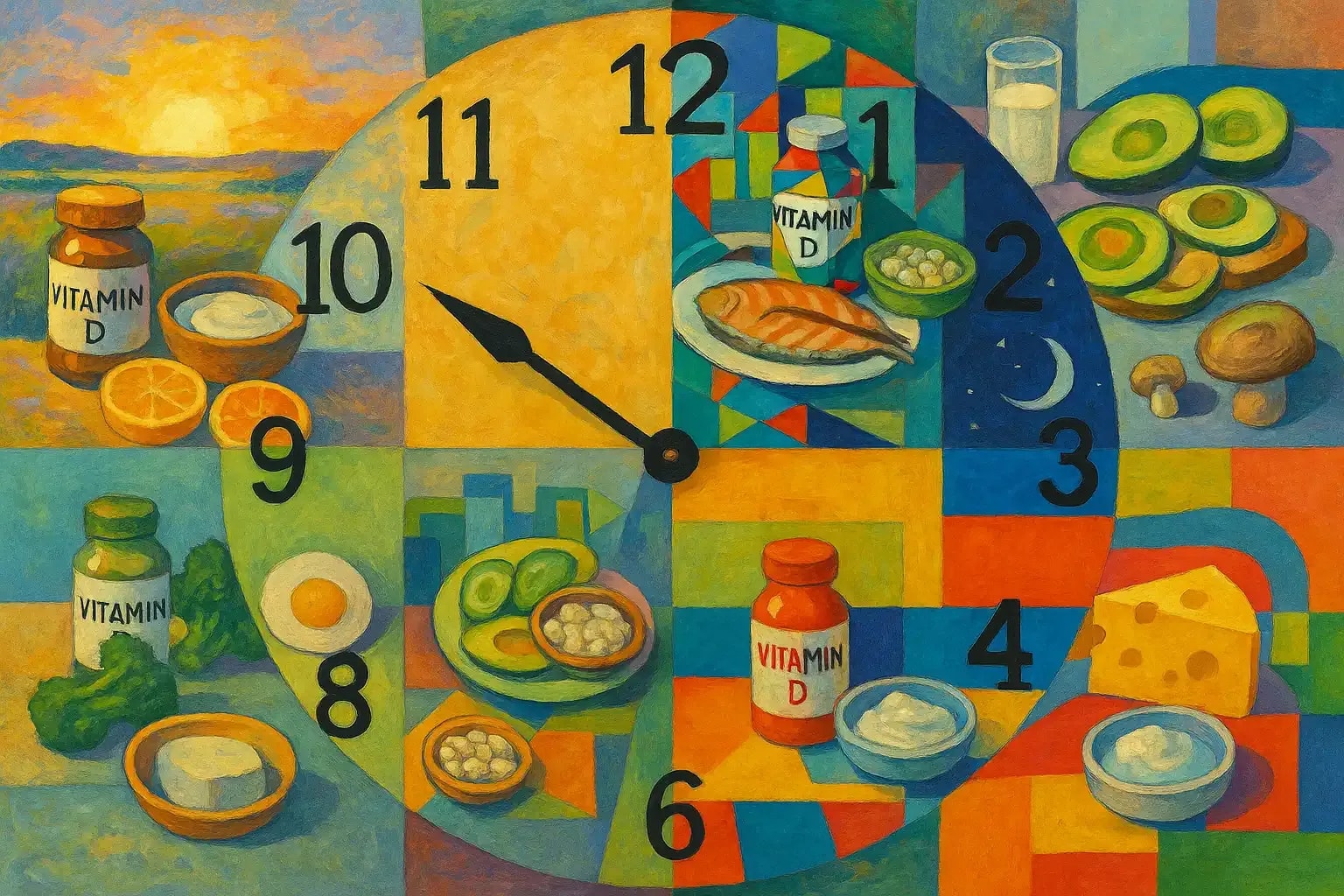
This comprehensive approach transforms eating from mere sustenance into strategic nutritional optimization.
Your Evidence-Based Action Plan
- Testing isn't for everyone: Routine vitamin D testing isn't recommended for the general population (USPSTF; Endocrine Society 2024) — it's most useful for at-risk groups. If you do test, note the IOM considers ≥20 ng/mL adequate (the "30-50 optimal" target was retired in 2024)
- Choose D3 + K2: The research is clear – this combination is superior
- Time It Right: Take with your fattiest meal for optimal absorption
- Pair with Ferments: Maximize nutrient absorption from your fermented foods
- Monitor and Adjust: Retest in 3 months and adjust accordingly
Remember, supplements serve to complement – not replace – a healthy lifestyle. They achieve maximum effectiveness when combined with nutrient-dense fermented foods, appropriate sun exposure, and regular physical activity. The true magic emerges when all these elements work in harmony.
Stay curious, stay healthy, and may your optimized vitamin D levels amplify the benefits of every fermented bite you take!
References and Further Reading
The research citations in this article link directly to the scientific papers and studies mentioned. For those hungry for more knowledge, explore these primary sources to deepen your understanding of vitamin D's crucial role in health and nutrition.