#The Golden Spice That Sparked My Curiosity
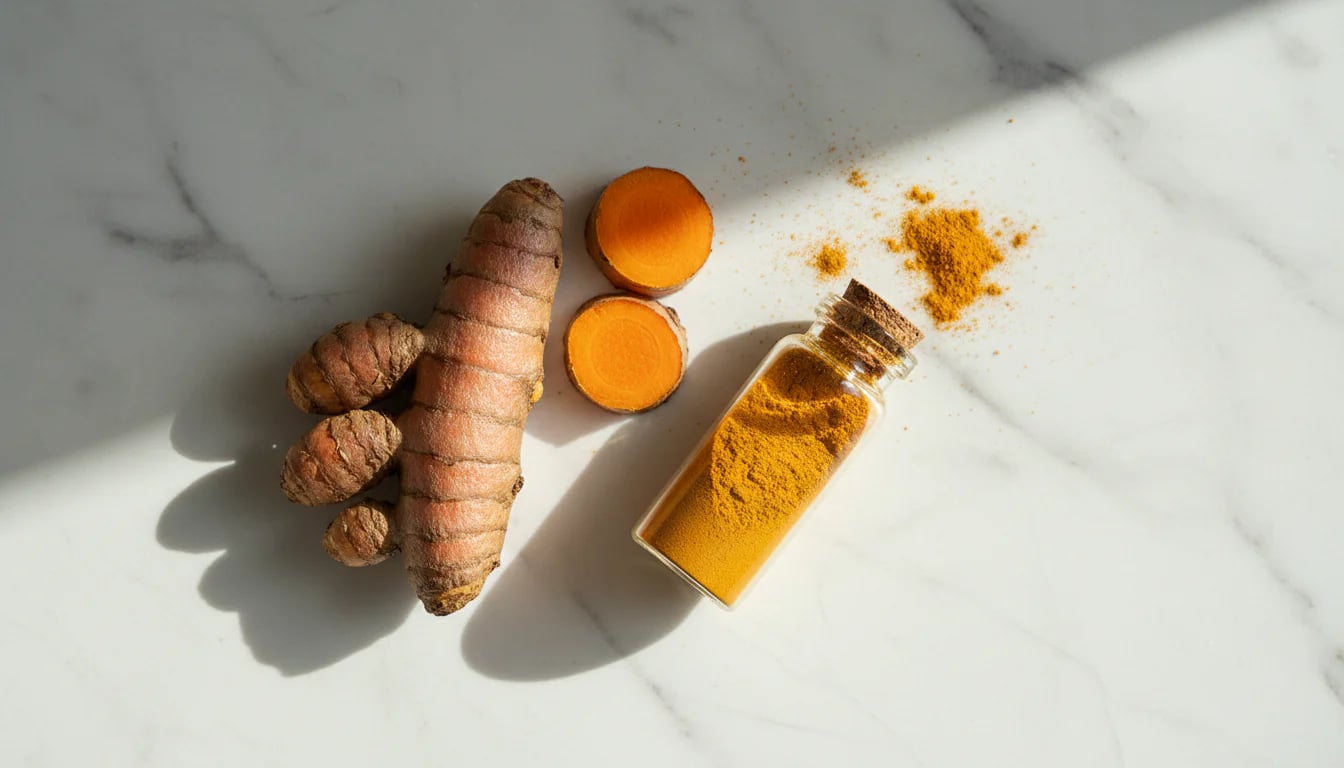
When chronic inflammation becomes part of your daily reality, you start paying attention to every whisper of hope. For me, that whisper came in the form of a golden-yellow spice that's been used in traditional medicine for thousands of years.
Turmeric—and its active compound curcumin—has become one of the most researched natural compounds for inflammation. But here's what I've learned after diving deep into the science: the story is more nuanced than the wellness headlines suggest. Let's explore what research actually shows, what it doesn't, and how fermentation might play a surprising role in the equation.
A note on health information: The information shared here is for educational purposes only and is not intended as medical advice. Always consult with a healthcare professional before making changes to your diet, especially if you have existing health conditions or are taking medications.
#Understanding Curcumin: The Compound Behind the Hype
Curcumin is the primary bioactive compound in turmeric, making up only about 1-6% of it by weight (commonly ~2-5%). Scientists have been fascinated by it because laboratory studies show it can interact with numerous molecular targets involved in inflammation.
Research suggests that curcumin may influence inflammatory pathways in several ways:
- Cytokine modulation: Studies indicate curcumin may help regulate inflammatory signaling molecules
- Oxidative stress: Evidence points to antioxidant properties that could protect cells from damage
- Immune system interaction: Scientists have observed effects on various immune cells in laboratory settings
But here's the critical caveat that often gets buried in wellness articles: most of this research has been conducted in test tubes or animal models. The leap from petri dish to human body is enormous, and that's where things get complicated.
#The Bioavailability Problem: Why Your Body Struggles to Use Curcumin
Here's the frustrating truth about curcumin: it's notoriously difficult for your body to absorb and use. This is called the "bioavailability problem," and it's a major reason why promising laboratory results don't always translate to human benefits.
When you consume curcumin, several challenges arise:
- Poor absorption: Curcumin doesn't dissolve well in water, making it hard for your intestines to absorb
- Rapid metabolism: Your liver quickly breaks down whatever curcumin does get absorbed
- Quick elimination: What little makes it into your bloodstream gets eliminated rapidly
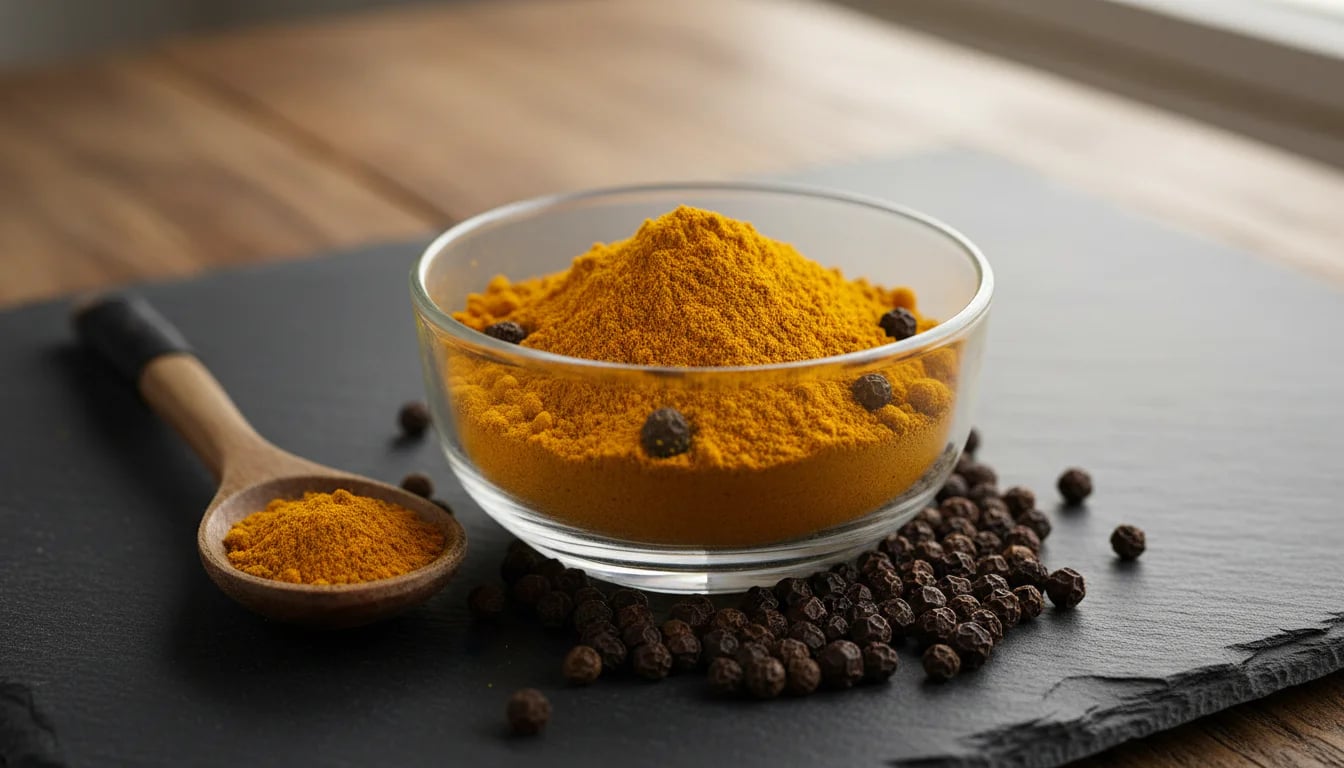
A widely cited 1998 study reported that black pepper (which contains piperine) raised curcumin absorption dramatically — often quoted as "up to 2,000%" — but that figure comes from a single small study whose comparison values were near the limit of detection, and later work has questioned the exact magnitude. Piperine does appear to help absorption; the precise number is uncertain. Fat also helps, since curcumin is fat-soluble. This is why many traditional preparations combine turmeric with oils or fats.
But even with these enhancement strategies, the amount of curcumin that reaches your tissues remains relatively low. This bioavailability challenge is one reason why human studies often use specialized curcumin formulations rather than regular turmeric powder.
#What Research Shows for Psoriasis
Psoriasis is an autoimmune condition where skin cells multiply too quickly, creating raised, scaly patches. Inflammation plays a central role, which is why curcumin's anti-inflammatory properties have attracted research attention.
Several human studies have explored curcumin for psoriasis:
Topical applications: Some research suggests that curcumin-containing creams or gels applied directly to psoriatic plaques may help reduce scaling and redness. The advantage here is that you're bypassing the absorption problem by applying it directly where it's needed.
Oral supplementation: Studies on oral curcumin supplements for psoriasis have shown mixed results. Some participants report improvements in symptoms, while others see little change. The variability likely relates to differences in curcumin formulations, dosages, and individual factors.
Combination approaches: Early research indicates that curcumin might work better as a complementary approach alongside conventional treatments rather than as a standalone therapy.
It's important to note that while some people with psoriasis report benefits from curcumin, the scientific evidence remains preliminary. More large-scale, well-designed human trials are needed before we can draw firm conclusions.
#What Research Shows for Fibromyalgia
Fibromyalgia involves widespread pain, fatigue, and often cognitive difficulties ("fibro fog"). It's understood as a disorder of how the nervous system processes pain (central sensitization) — not an inflammatory or autoimmune disease — so the rationale for an anti-inflammatory like curcumin is weaker here than for psoriasis, and any inflammatory-marker findings are inconsistent and preliminary.
The research on curcumin for fibromyalgia is even more limited than for psoriasis:
Pain and inflammation: Some small studies suggest that curcumin supplementation might help reduce pain scores and inflammatory markers in people with fibromyalgia. However, these studies often have small sample sizes and short durations.
Oxidative stress: Scientists have observed that people with fibromyalgia may have higher levels of oxidative stress. Curcumin's antioxidant properties have led researchers to investigate whether it might help address this aspect.
Quality of life: A few studies have reported improvements in overall quality of life measures, though the effects are generally modest and not universal.
The honest truth? We need much more research before we can confidently say whether curcumin helps with fibromyalgia symptoms. Individual experiences vary widely, and what works for one person may not work for another.
#The Fermentation Connection: An Unexpected Ally
Here's where things get interesting for those of us in the fermentation world: there's a plausible biological rationale — though no direct studies yet — that a healthy gut might influence how you process curcumin.
The gut microbiome appears to play a role in how your body processes curcumin. Some gut bacteria can transform curcumin into metabolites that may be more bioavailable or have different biological activities. This means the health of your gut ecosystem might influence how much benefit you get from curcumin.
Moreover, both chronic inflammation and autoimmune conditions like psoriasis have been linked to gut dysbiosis—an imbalance in the gut microbiome. Scientists have found that people with psoriasis often have different gut bacterial compositions compared to those without the condition.
This is where fermented foods enter the picture. By supporting a diverse, balanced gut microbiome, fermented foods might:
- Help optimize how your body processes curcumin
- Address underlying gut imbalances that may contribute to inflammation
- Provide their own anti-inflammatory compounds through the fermentation process
- Support overall immune system regulation
While we don't yet have studies directly testing "curcumin plus fermented foods" as a combination therapy, the biological rationale is compelling. Many traditional cuisines that use turmeric heavily—like Indian and Southeast Asian cooking—also feature fermented foods prominently. Perhaps there's wisdom in that pairing.
#Practical Approaches: If You Want to Try Curcumin
If you're considering adding curcumin to your wellness routine, here are some evidence-based strategies to maximize your chances of benefit:
#Choose Your Form Wisely
Whole turmeric in cooking: Using fresh or dried turmeric in your meals provides curcumin along with other beneficial compounds. Always combine with black pepper and healthy fats. Try adding turmeric to fermented hot sauce for a double anti-inflammatory punch.
Enhanced formulations: If you're using supplements, look for formulations designed to improve bioavailability — curcumin with piperine, liposomal curcumin, or curcumin bound to phospholipids. One caveat: these higher-absorption formulations (especially piperine-enhanced ones) are the products most linked to the rare cases of curcumin-related liver injury, so choose third-party-tested brands and stop if you notice symptoms like unusual fatigue, nausea, or dark urine.
Topical applications: For skin conditions like psoriasis, topical curcumin preparations might be worth exploring alongside your regular treatment plan.
#Support Your Gut Ecosystem
Given the potential connection between gut health and curcumin metabolism, consider incorporating probiotic-rich fermented foods into your diet:
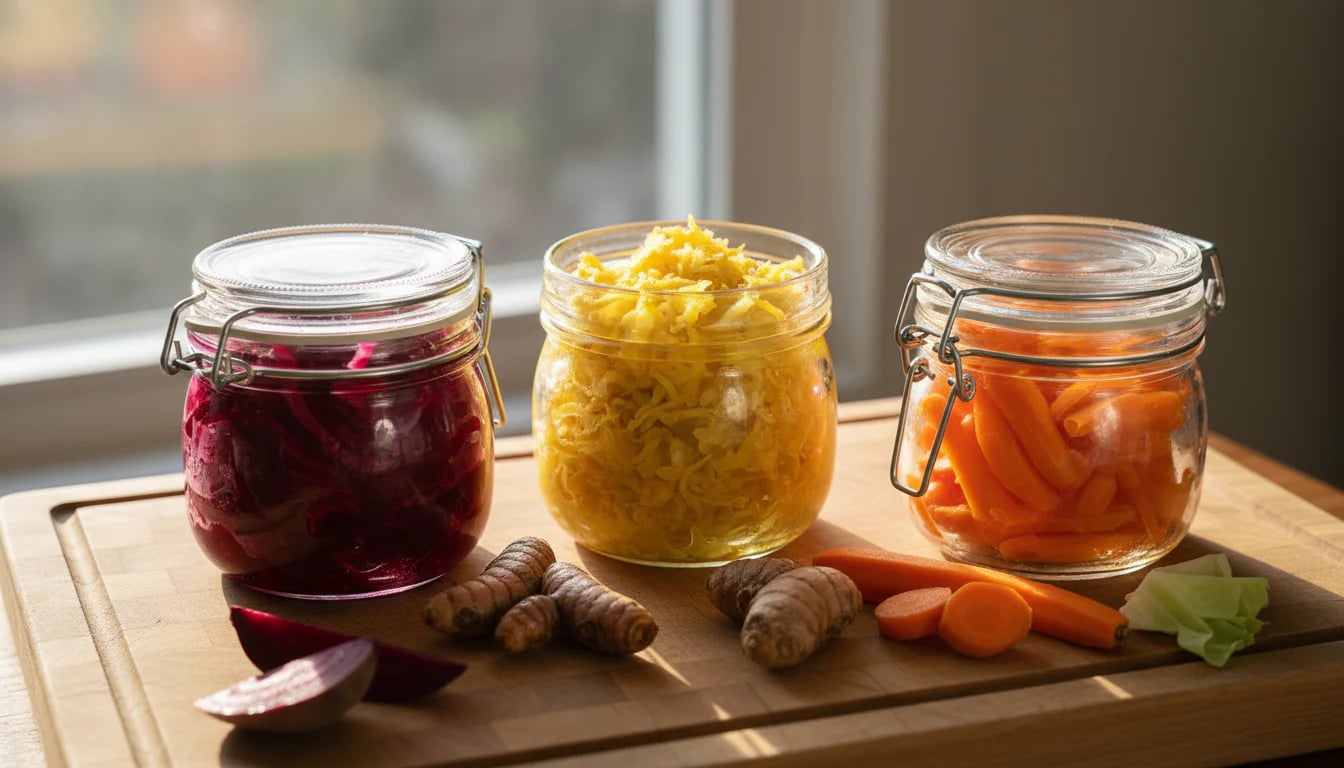
- Fermented vegetables: Kimchi, sauerkraut, and fermented pickles provide diverse beneficial bacteria
- Fermented beverages: Water kefir and kombucha offer probiotic benefits in liquid form
- Fermented condiments: Even small amounts of fermented seed butter can contribute to gut diversity
When fermenting at home, having the right equipment makes the process much easier. I recommend using wide-mouth mason jars for most vegetable ferments—they're affordable and versatile. For larger batches, a fermentation crock provides the traditional water-seal method that keeps oxygen out while allowing gases to escape.
#Keep Fermentation Vegetables Submerged
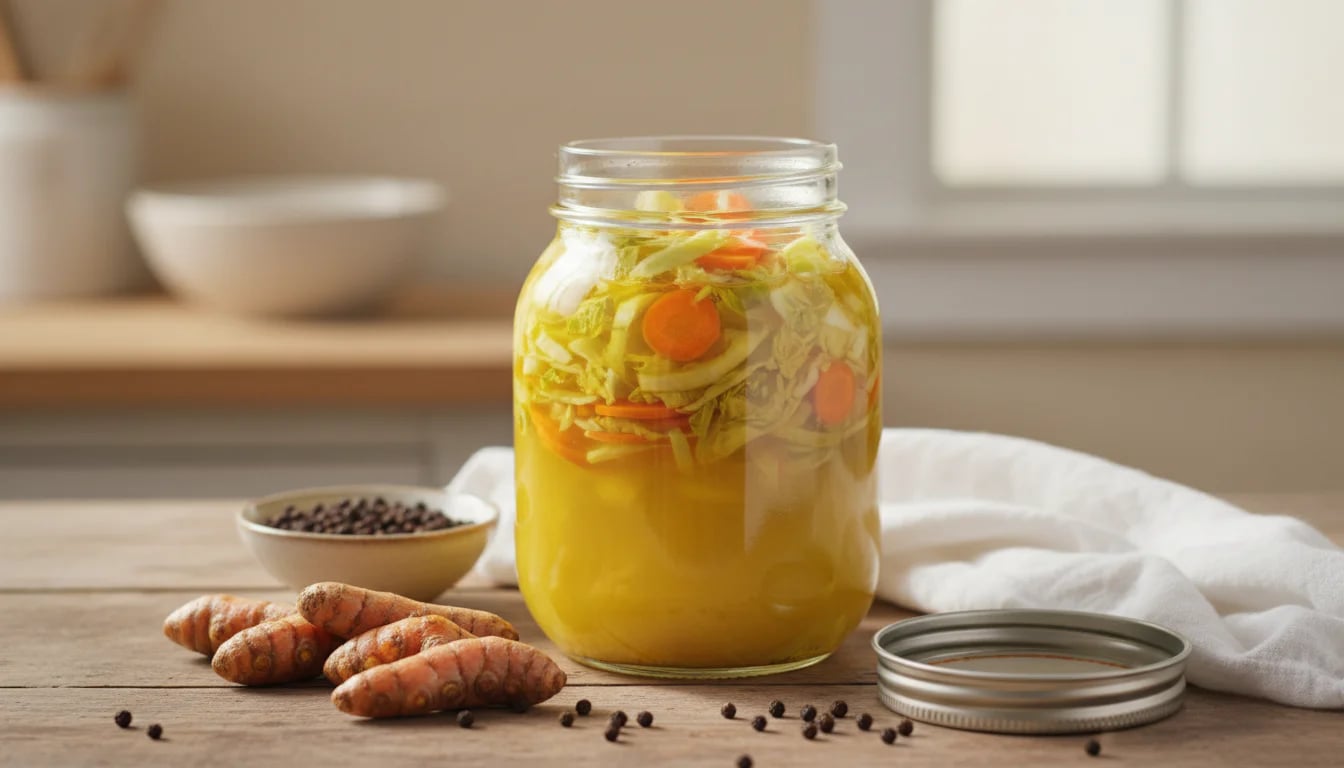
One of the most important aspects of successful vegetable fermentation is keeping everything below the brine. Exposure to air can lead to mold or kahm yeast. Fermentation weights are invaluable for this—they sit on top of your vegetables and keep them safely submerged. I particularly like glass weights because they're easy to clean and don't react with acidic brines.
#Temperature Matters
For consistent fermentation results, temperature control is key. Most lacto-fermentation happens best between 65-75°F (18-24°C). If your kitchen runs warm or cool, you might want to use a sous vide setup with a dedicated container to maintain precise temperatures for your ferments.
#Start Small and Observe
Whether you're trying curcumin supplements or adding fermented foods to your diet, start with small amounts and pay attention to how your body responds. Keep a simple journal noting:
- What you're taking and how much
- Any changes in symptoms (positive or negative)
- Digestive responses
- Energy levels
- Sleep quality
This personal data is invaluable for understanding what works for your unique body.
#My Personal Journey with Inflammation and Fermentation
I should share my own experience here, because it's shaped how I think about both curcumin and fermented foods.
For years, I dealt with chronic inflammation that manifested in joint pain, skin issues, and persistent fatigue. Like many people, I went down the supplement rabbit hole, trying everything that promised relief. Curcumin was one of those things.
Did it cure me? No. Did it help? Honestly, I'm not sure. What I can say is that the most significant improvements in my inflammatory symptoms came when I started focusing on my gut health through fermented foods. It wasn't dramatic or immediate—it was a gradual shift over months.
I began with simple sauerkraut, then expanded to kimchi and eventually water kefir. I stored my ferments in glass yogurt jars that made it easy to grab a serving each day.
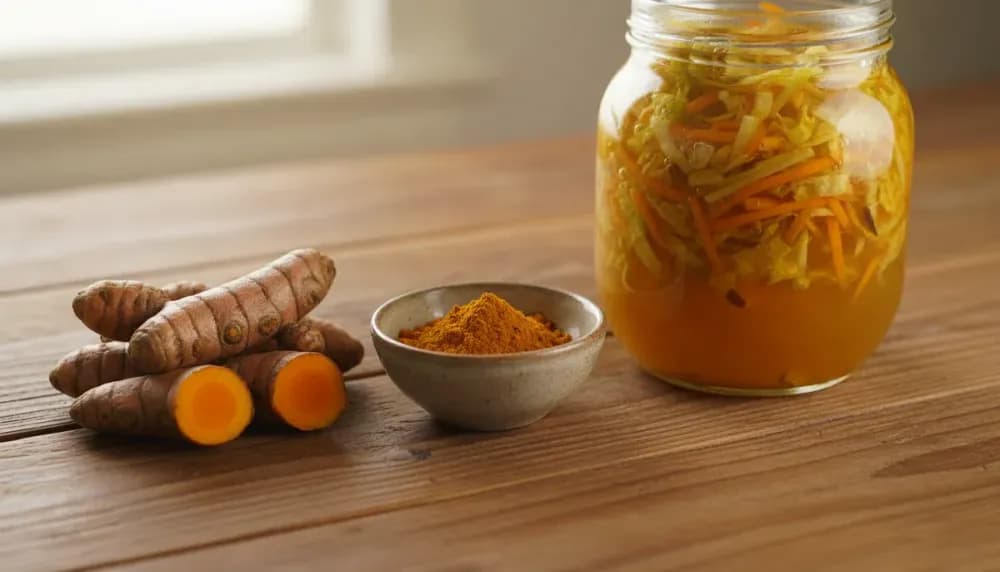
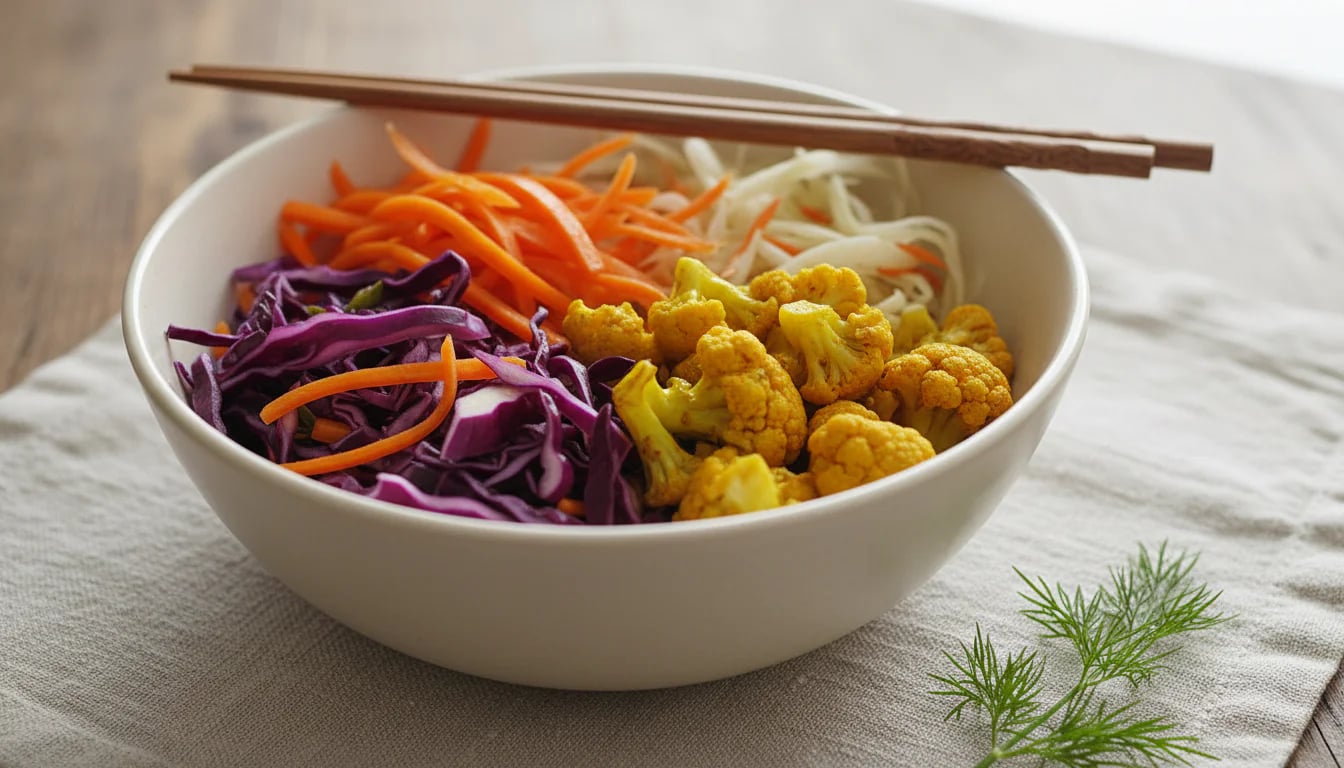
Did I continue using turmeric? Yes, but I shifted from expensive supplements to simply cooking with it more often, always with black pepper and fat. I added it to fermented vegetables, stirred it into soups, and made golden milk before bed.
The lesson I learned: there's rarely a single magic bullet. Chronic inflammation is complex, and addressing it often requires a multifaceted approach. For me, that meant supporting my gut microbiome, reducing stress, improving sleep, and yes, including anti-inflammatory foods like turmeric—but as part of a bigger picture, not as a standalone solution.
#What the Research Doesn't Tell Us (Yet)
It's important to acknowledge the gaps in our current understanding:
Individual variation: Why do some people seem to benefit from curcumin while others don't? We don't fully understand the factors that determine individual response—genetics, gut microbiome composition, disease severity, and other variables likely all play roles.
Optimal dosing: There's no consensus on the ideal dose of curcumin for inflammatory conditions. Studies have used widely varying amounts, making it hard to draw clear conclusions.
Long-term effects: Most studies are relatively short-term. We need more research on what happens with extended use over months or years.
Interaction with fermented foods: While the biological rationale is sound, we lack direct studies examining whether consuming fermented foods alongside curcumin enhances its benefits.
Mechanism clarity: Even though we know curcumin can affect inflammatory pathways in laboratory settings, we're still piecing together exactly how it works in the complex environment of the human body.
These unknowns don't mean curcumin isn't worth considering—they just mean we should approach it with realistic expectations and healthy skepticism.
#The Bottom Line: Hope with Realism
So where does this leave us with curcumin and turmeric for conditions like psoriasis and fibromyalgia?
Here's my honest take:
The promise is real, but modest: Curcumin shows genuine anti-inflammatory properties, but it's not a miracle cure. For some people, it may provide meaningful symptom relief. For others, the benefits may be minimal or nonexistent.
Bioavailability matters enormously: If you're going to try curcumin, choose formulations designed for better absorption, or use strategies like combining with black pepper and fats.
The gut connection deserves attention: Supporting your gut microbiome through fermented foods makes biological sense and may enhance how your body processes curcumin. Even if it doesn't, fermented foods offer their own anti-inflammatory and immune-supporting benefits.
It's part of a bigger picture: Rather than viewing curcumin as a standalone treatment, consider it one tool in a comprehensive approach to managing inflammation—alongside medical treatment, stress management, sleep optimization, and dietary support.
Your experience is valid: If you try curcumin and feel it helps, that's meaningful data, even if the research is still catching up. Conversely, if you try it and notice no benefit, that's equally valid.
The intersection of traditional wisdom and modern science is messy and incomplete. We're learning, but we don't have all the answers yet. What we can do is approach these questions with curiosity, gather our own data through careful self-observation, and remain open to multiple pathways toward healing.
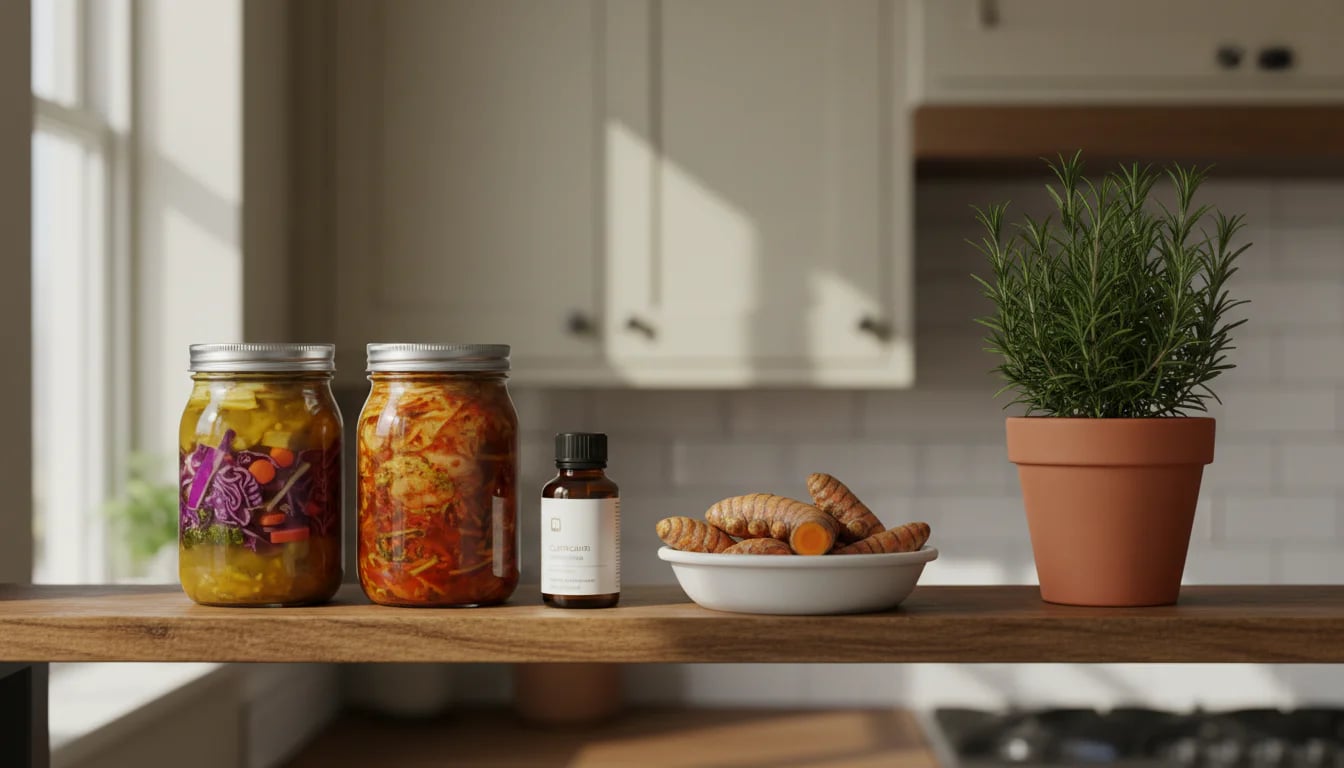
For me, that path has included both the golden spice and the bubbling jars of fermented vegetables sitting on my counter. They're companions on the journey, not destinations in themselves.
Disclaimer: This article is for informational and educational purposes only. It is not intended to be a substitute for professional medical advice, diagnosis, or treatment. Individual results may vary. Please consult your healthcare provider before beginning any new dietary practice, especially if you have a medical condition or take medications. Curcumin supplements may interact with certain medications, including blood thinners, diabetes medications, and others. Never stop or change prescribed medications without consulting your doctor.