Discover more delicious fermentation recipes similar to this one.
Fermentfulness.com
Your source for mindful fermentation recipes
Easy
Difficulty: Easy
Fermentation: 36h
How to Make Water Kefir at Home (Complete Guide)
Learn to brew probiotic-rich water kefir with this complete beginner's guide. A naturally fizzy, dairy-free fermented drink that may support digestive health.
How did it turn out?
Be the first to rate
O
Recipe by Ori Iscovici
Published
Make It Yours
Recipe by: Ori Iscovici
Published: 7/17/2026
Your fermentation journey0 / 27 items
Ingredients: 0/5Steps: 0/22
Recipe Overview
Total Time
Prep: 15m
Servings
8 people
Difficulty
Easy
Fermentation
36h
Dietary Information
Vegan
Gluten-Free
Ingredients
ingredients0 / 5
Instructions
Enjoy the process
steps0 / 22
Understanding Water Kefir Safety
Before you begin, it's important to understand that water kefir's safety depends on proper sanitation and the acidic environment created during fermentation. When fermented correctly, water kefir reaches a pH of 3.0-4.0, which inhibits pathogenic bacteria growth. The main safety concern with sealed fermentation is anaerobic pathogens like Clostridium botulinum, which can develop if bottles are sealed before adequate fermentation has occurred.
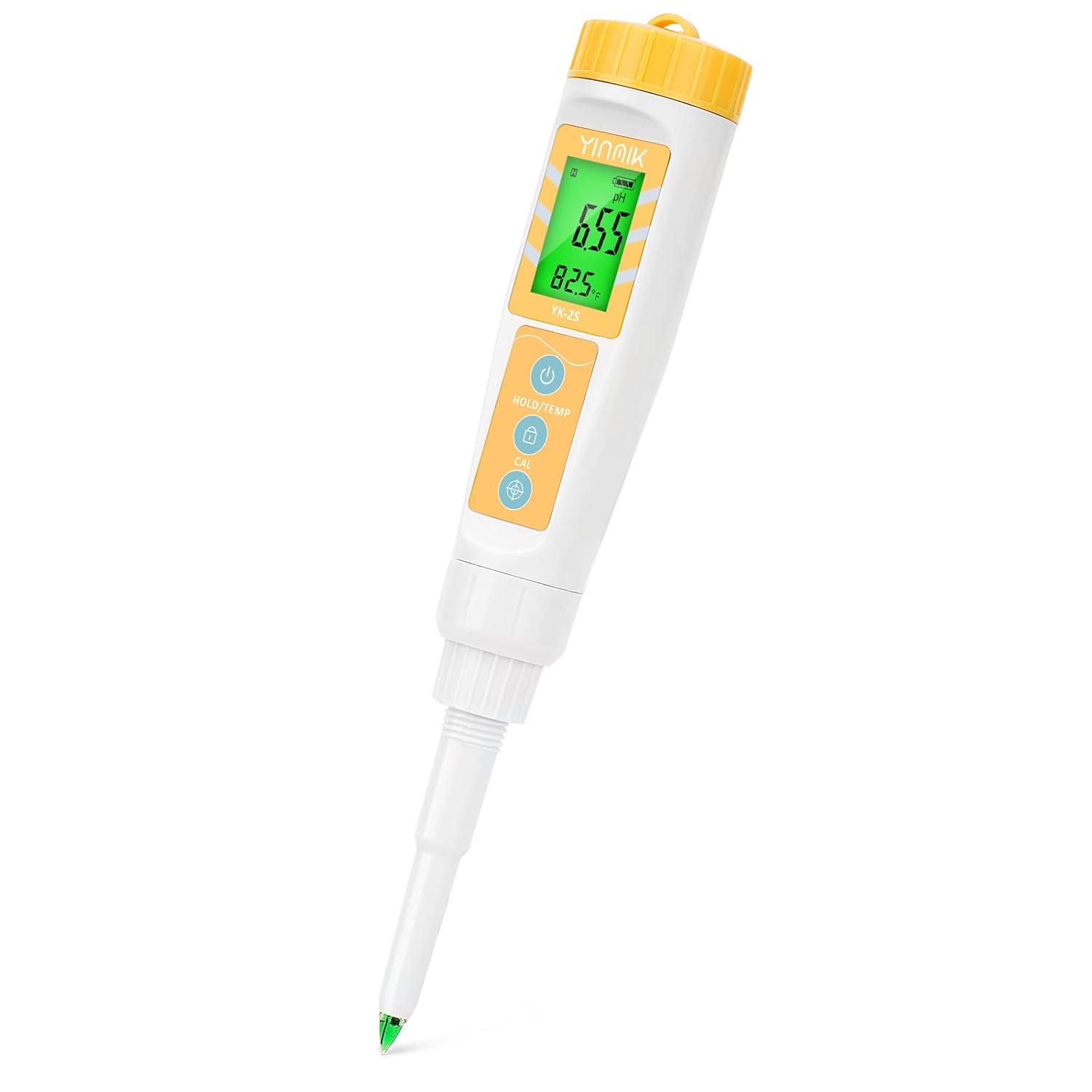
Critical safety principle: Never seal bottles for second fermentation until first fermentation has created a sufficiently acidic environment (pH below 4.0). If you have concerns about safety, invest in pH test strips or a digital pH meter to verify your fermentation has reached safe acidity levels.
Preparing Your Workspace and Equipment
1
Sanitize everything thoroughly: Wash your hands, fermentation jar, stirring spoon, and any equipment with hot soapy water. Rinse extremely well to remove all soap residue, which can harm the kefir grains. You don't need to sterilize (which would kill beneficial bacteria too), but everything should be impeccably clean.
2
Inspect your water kefir grains: Before use, examine the grains closely. They should be translucent to slightly opaque, with a texture similar to cooked tapioca pearls. Discard grains immediately if you see any mold (fuzzy growth), unusual discoloration (pink, orange, or black spots), or detect foul odors. Healthy grains smell mildly sweet and yeasty.
3
Check your environment: Water kefir ferments best at 68-78°F (20-26°C). Use a room thermometer to verify your fermentation location stays within this range. Below 65°F (18°C), fermentation slows dramatically and may not reach safe pH levels in reasonable time. Above 80°F (27°C), undesirable bacteria and mold are more likely to proliferate. If you cannot maintain proper temperature, wait until conditions improve before attempting water kefir fermentation.
Making the Sugar Water Base
4
Dissolve the sugar: In your clean glass jar (quart/liter size), add 1/4 cup sugar to 4 cups of chlorine-free water. Stir vigorously until the sugar is completely dissolved. The water should be clear with no sugar crystals visible at the bottom.
5
Ensure proper temperature: The sugar water should be at room temperature (68-78°F/20-26°C) before adding grains. Hot water will kill the beneficial microorganisms; very cold water will shock them and slow fermentation.
6
Add mineral-rich dried fruit (optional but recommended): Drop in 2-3 pieces of unsulphured dried fruit. This provides trace minerals that help the grains thrive and can speed fermentation slightly.
First Fermentation (Building Acidity)
7
Add the water kefir grains: Gently place your 3-4 tablespoons of grains into the sugar water. Give it a gentle stir with a clean wooden or plastic spoon (avoid metal, which can react with acids).
8
Cover loosely: Place a breathable cover over the jar—a coffee filter, clean cloth, or paper towel secured with a rubber band works perfectly. Never seal the jar during first fermentation. The culture needs oxygen and must release carbon dioxide.
9
Ferment for 24-48 hours: Place the jar in your prepared location away from direct sunlight. The ideal fermentation time is typically 36-48 hours at 68-78°F (20-26°C). Check at 24 hours by tasting a small amount—it should taste less sweet and slightly tangy. At 48 hours, most of the sugar should be consumed, and the liquid should taste mildly tart and slightly effervescent.
10
Monitor fermentation progress: Check your water kefir daily. You should see tiny bubbles forming and rising. The liquid may become slightly cloudy. These are good signs. If you see any mold on the surface or detect off-putting odors (not just yeasty, but truly foul), discard the entire batch and sanitize everything before starting over.
11
Test pH if concerned (recommended for beginners): Before proceeding to second fermentation, test the pH using strips or a meter. The pH should be below 4.0, ideally 3.0-4.0. This acidic environment is what makes water kefir safe. If pH is above 4.0 after 48 hours, allow fermentation to continue another 12-24 hours and test again.
Straining and Preparing for Second Fermentation
12
Strain out the grains: Place a plastic or stainless steel fine-mesh strainer over a clean bowl. Pour the fermented water kefir through the strainer, catching the grains. The liquid that passes through is your finished first fermentation—this is already drinkable and probiotic-rich, though not yet carbonated.
13
Care for your grains: Rinse the grains gently with filtered water (optional—many fermenters skip this step). Immediately start a new batch with fresh sugar water, or store grains in sugar water in the refrigerator for up to 6 weeks. Note: Grains stored longer than 6 weeks may have reduced fermentation capacity and should be tested with a small batch before full-scale use.
14
Inspect grains weekly during storage: If storing grains, check them every 7 days for any signs of mold, discoloration, or foul odors. Change the sugar water weekly during storage to keep grains healthy.
Second Fermentation (Creating Carbonation and Flavor)
15
Understanding second fermentation safety: Now that your water kefir has reached a safe pH (below 4.0), you can proceed with sealed bottle fermentation. The acidic environment created during first fermentation inhibits pathogenic bacteria. However, proper monitoring is still essential.
16
Add flavoring: Pour your strained water kefir into flip-top bottles or mason jars, leaving 1-2 inches of headspace. Add your chosen flavorings: fresh fruit juice (1/4-1/2 cup per quart), fruit pieces, fresh ginger slices, lemon juice, or herbs. The natural sugars in these additions will create carbonation.
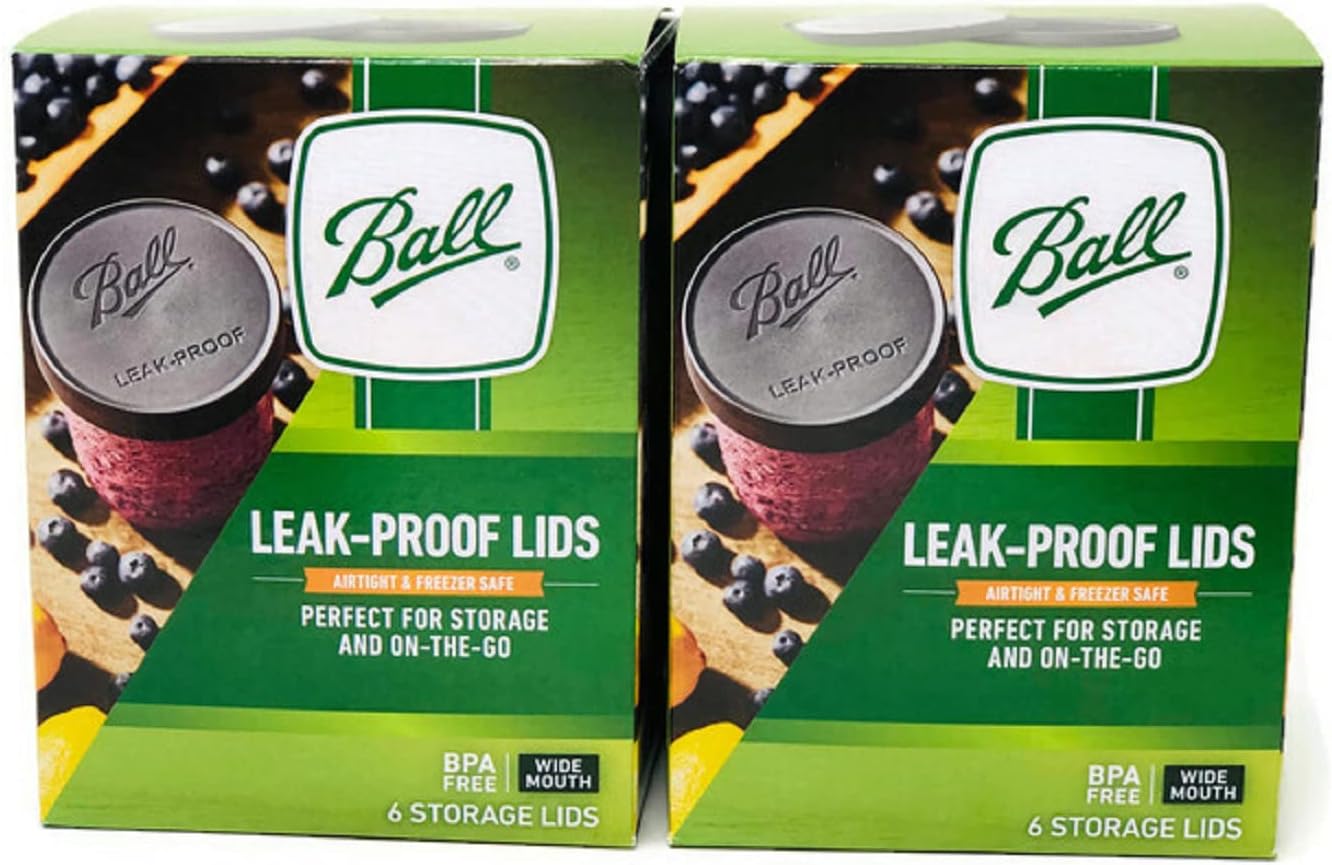
17
Seal and ferment: Cap the bottles tightly. Place them at room temperature (68-78°F/20-26°C) away from direct sunlight. Ferment for 1-3 days for carbonation to develop.
18
Burp daily (critical safety step): Every 24 hours, open each bottle briefly to release excess pressure. This "burping" serves two purposes: it prevents dangerous pressure buildup that could cause bottles to explode, and it allows you to monitor fermentation progress and detect any contamination early. When you open the bottle, you should hear a pleasant fizzing sound and smell fruity, tangy aromas. Any foul odors indicate contamination—discard that bottle immediately.
19
Check carbonation: After 1-2 days, open a bottle to test carbonation level. It should be pleasantly fizzy. If you want more fizz, reseal and continue fermenting, checking daily. Never leave bottles sealed for more than 3 days without burping, as pressure can become dangerous.
20
Refrigerate when ready: Once carbonation reaches your desired level, refrigerate all bottles. Cold temperatures halt fermentation and preserve carbonation. Water kefir will keep refrigerated for 2-3 weeks, though carbonation and probiotic activity gradually decrease over time.
Serving and Enjoying Your Water Kefir
21
Serve chilled: Pour over ice if desired. Open bottles slowly over a sink, as carbonation can be vigorous. If a bottle seems excessively pressurized, open it very gradually in small bursts.
22
Start slowly: If you're new to probiotic foods, begin with 4 oz (1/2 cup) per day and gradually increase to 8-16 oz daily as your digestive system adjusts. Some people experience temporary bloating or digestive changes when first introducing fermented foods.
Health and Nutrition Information
Water kefir contains live microorganisms that may support digestive health, though individual results vary significantly. Each 8 oz serving contains approximately 15-25 calories (depending on fermentation time and residual sugar), with most carbohydrates from residual sugar. Probiotic counts are difficult to quantify without laboratory testing but typically range from 1 million to 1 billion CFU (colony-forming units) per serving.
Important health disclaimer: Water kefir should not be used as a medical treatment or substitute for professional healthcare. While many people report digestive benefits, scientific research on water kefir specifically is limited. If you have specific health concerns, compromised immunity, or are pregnant or nursing, consult your healthcare provider before consuming fermented foods.
Troubleshooting and Safety Notes
Grains not fermenting: Check temperature (should be 68-78°F/20-26°C), ensure water is chlorine-free, and verify sugar is fully dissolved. Grains may need 2-3 batches to fully activate after shipping or storage.
Too sweet after 48 hours: Fermentation is too slow. Increase temperature slightly, add more grains, or extend fermentation time. Test pH to ensure it reaches below 4.0 before bottling.
Too sour or vinegary: Fermentation is too fast. Reduce fermentation time, use fewer grains, or lower temperature slightly.
No carbonation in second fermentation: Ensure you're adding enough fruit/juice (natural sugars create carbonation), bottles are sealed tightly, and temperature is adequate. Some batches naturally produce less carbonation.
Bottles exploding or excessive pressure: This is a safety hazard. Always burp bottles daily during second fermentation. Use bottles designed for carbonation (flip-top bottles or pressure-rated bottles). Never use thin glass that could shatter.
Signs of contamination: Discard any batch that shows mold (fuzzy growth on surface), has foul odors (beyond normal yeasty smell), develops unusual colors (pink, orange, black), or tastes putrid. When in doubt, throw it out.
Storage and Maintenance
Your water kefir grains will multiply over time. When you have excess, share with friends, compost them, or eat them (they're edible and probiotic-rich). Healthy grains can ferment indefinitely with proper care, becoming a sustainable source of probiotic beverages for years to come.