If you've been navigating histamine intolerance, you've probably felt that frustrating cycle: certain foods trigger symptoms, you eliminate more and more from your diet, and suddenly you're left wondering what's actually safe to eat. I've been there too, trying to balance gut healing with getting enough nutrients and variety. That's where quercetin entered my journey—not as a magic bullet, but as one thoughtful piece of a broader, food-first approach to supporting my gut and keeping inflammation in check.
In this article, we'll explore what quercetin actually is, how it relates to histamine intolerance and gut health, the difference between food sources and supplements, and how to integrate it into your life in a way that feels balanced and sustainable. Whether you're dealing with SIBO, histamine issues, or just curious about natural anti-inflammatory compounds, let's dive into the science and practicality of quercetin together.
A note on health information: The information shared here is for educational purposes only and is not intended as medical advice. Always consult with a healthcare professional before making changes to your diet or supplement routine, especially if you have existing health conditions or are taking medications.
#What Is Quercetin and Why Does It Matter for Gut Health?
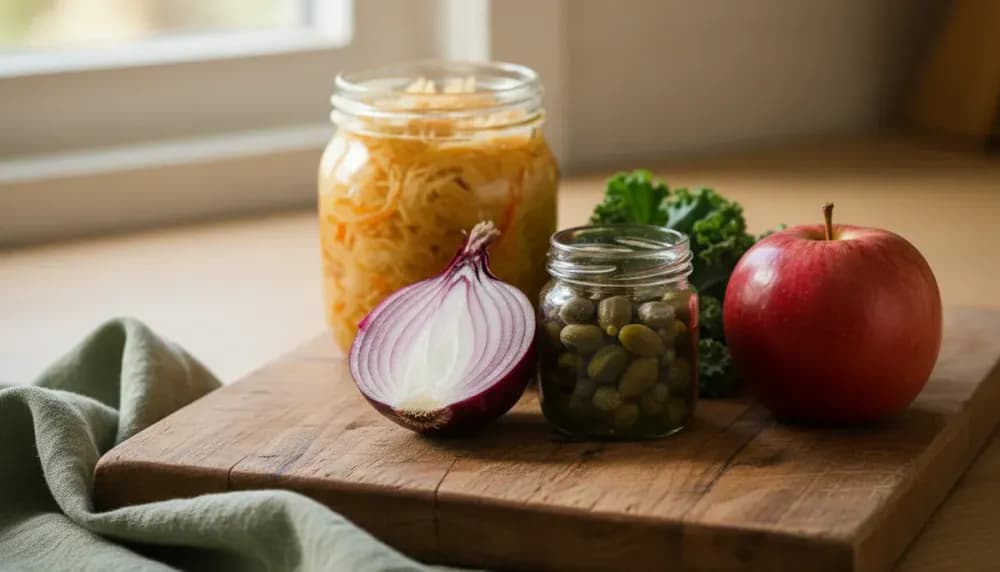
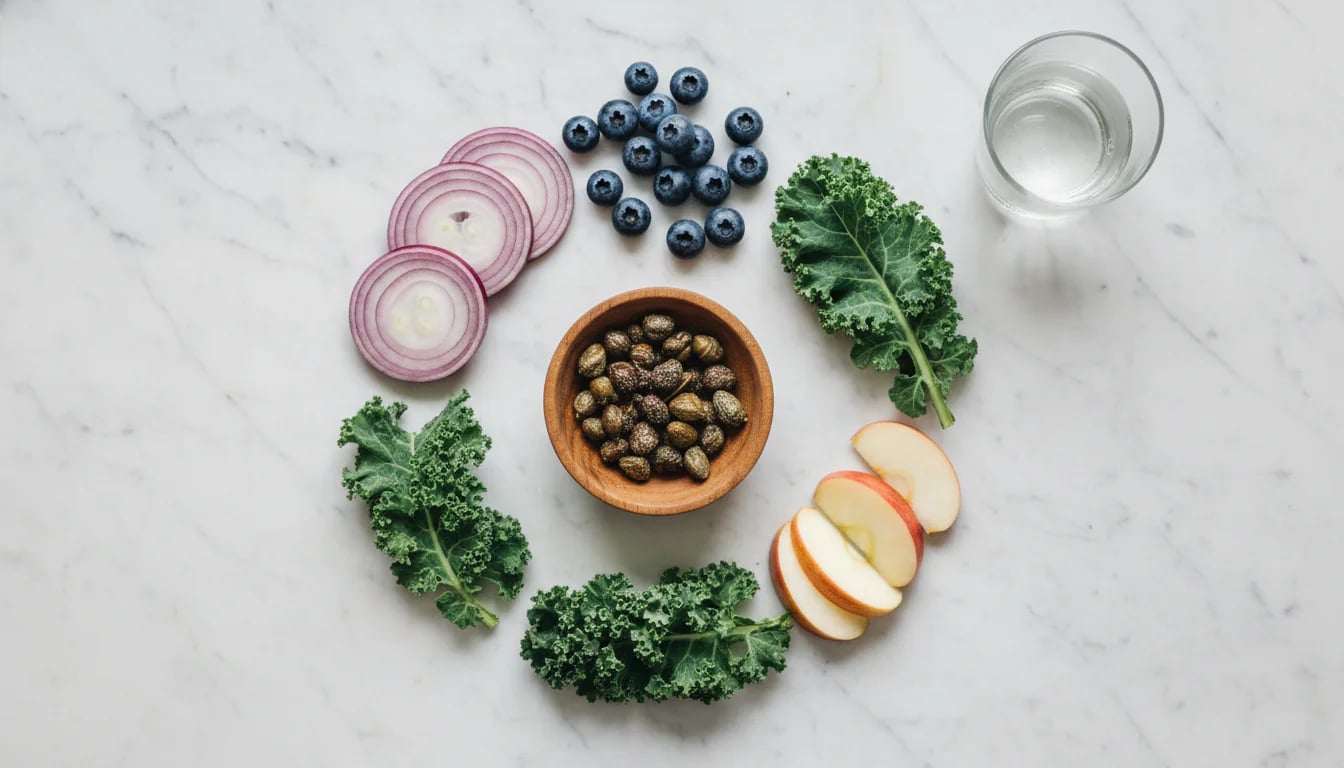
Quercetin is a plant compound called a flavonoid—you'll find it naturally in foods like onions, capers, apples, berries, and leafy greens. It's one of those compounds that scientists have been studying for decades because it seems to do so many helpful things in the body: it acts as an antioxidant, has anti-inflammatory properties, and—here's where it gets interesting for those of us dealing with histamine issues—it appears to help stabilize mast cells.
Mast cells are immune cells that release histamine when they're triggered. For people with histamine intolerance or mast cell activation issues, these cells can become overly reactive, releasing too much histamine and causing symptoms like headaches, digestive upset, skin reactions, or brain fog. In laboratory studies on cultured cells, quercetin appears to stabilize mast-cell membranes and reduce histamine release. Whether oral quercetin produces this effect in the human body isn't established — so treat it as a promising mechanism, not proven.
But quercetin's benefits extend beyond histamine. Preclinical (cell and animal) studies suggest quercetin may support the gut-barrier lining, but this hasn't been established in humans, and "leaky gut" itself remains a loosely-defined concept. It also appears to have antimicrobial properties, which is why some people (myself included) are thoughtful about timing it away from probiotic-rich foods or supplements. The gut is all about balance, and quercetin seems to support that balance in multiple ways.
#Food Sources vs. Supplements: Finding Your Balance
When I first learned about quercetin, I tried to get it all from food. I added more onions to my cooking, snacked on apples, and discovered that capers are one of the richest sources (who knew?). And honestly, that food-first approach felt right—there's something satisfying about knowing you're getting nutrients from whole foods, complete with all their cofactors and fiber.
But here's what I noticed: the amount of quercetin in foods varies widely depending on how they're grown, stored, and prepared. An onion might have anywhere from 10 to 50 mg of quercetin, and you'd need to eat quite a lot to reach the amounts used in research studies (typically 500-1000 mg per day). Plus, plain quercetin is very poorly absorbed — only around 1% — which is why the one positive human trial used a special "phytosome" (lecithin) form rather than plain quercetin.
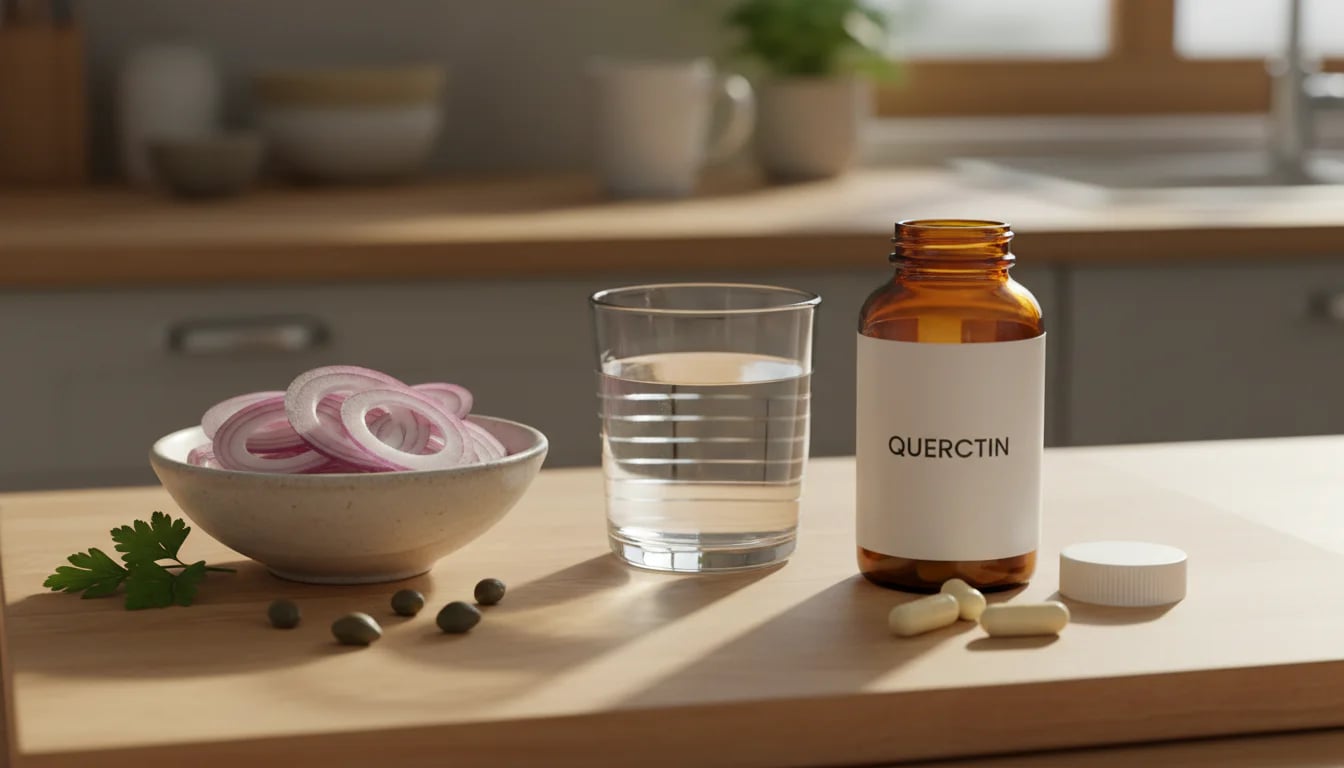
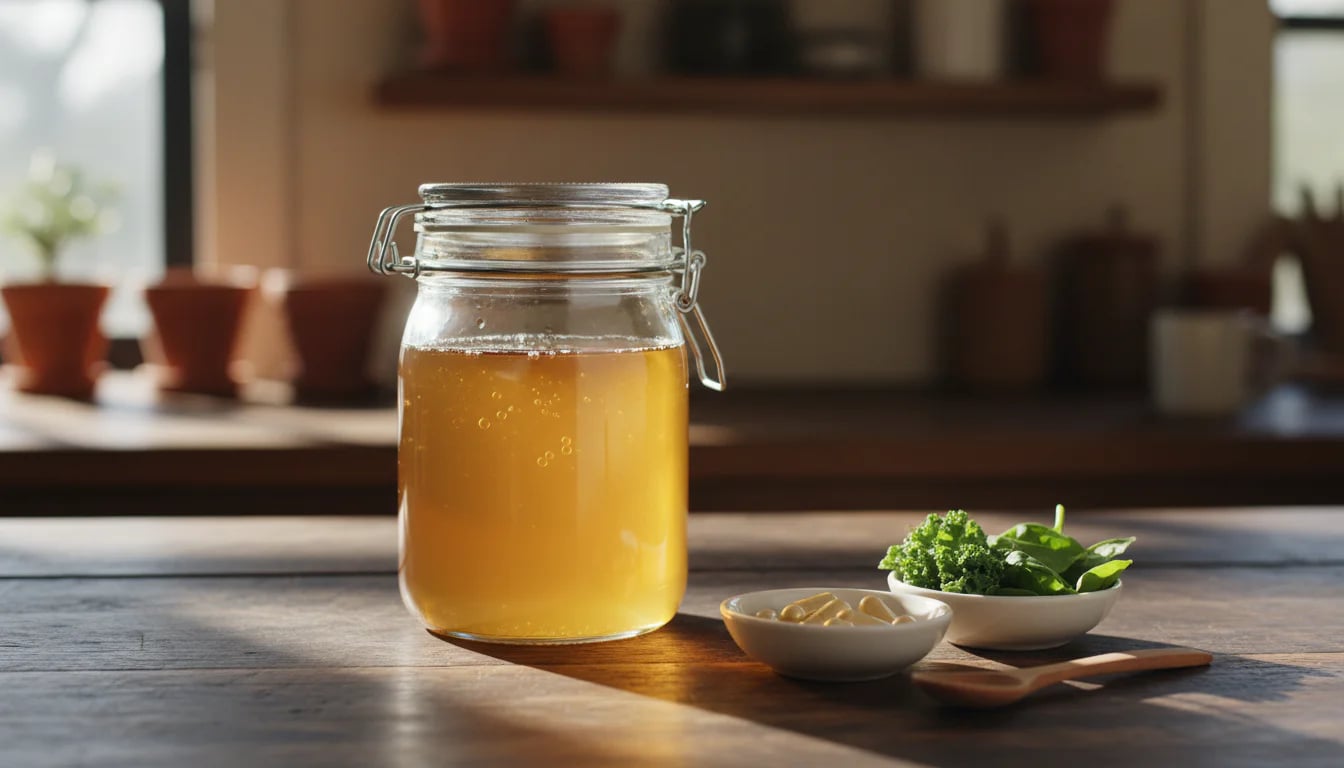
That's where supplements come in—not as a replacement for food, but as a way to get a more consistent, targeted intake. I use a quercetin supplement alongside my food sources, usually taking it around lunchtime. This timing is partly practical (I eat my Dr. William Davis’ SIBO yogurt at breakfast) and partly intentional: since quercetin has mild antimicrobial properties, spacing it away from my Sibo Yogurt and probiotic foods feels like a cleaner setup.
I also pair quercetin with zinc carnosine, which supports gut lining integrity. The two seem to work synergistically—quercetin addressing inflammation and mast cell stability, zinc carnosine supporting the actual tissue repair. It's not about strict rules; it's about creating a rhythm that makes sense for your body and allows you to notice how things actually feel over time.
#The Histamine Connection: How Quercetin May Help
If you're dealing with histamine intolerance, you're probably familiar with the frustrating symptoms: flushing, headaches, digestive issues, anxiety, or that all-over inflamed feeling. Histamine intolerance is proposed to develop when histamine load outpaces the body's ability to break it down (often attributed to low DAO activity). It's worth knowing this is a contested diagnosis — a diagnosis of exclusion with no validated test, and low DAO is common even in people without symptoms.
Quercetin enters this picture in a few interesting ways. First, as we discussed, it may help stabilize mast cells so they release less histamine in the first place. But it also appears to have a broader anti-inflammatory effect that can calm the overall inflammatory cascade that histamine triggers. You may read that quercetin "supports DAO," but there's no reliable human evidence for that — consider it speculative.
What I've found personally is that quercetin isn't a quick fix—it's more like a gentle, consistent support. You're not going to take it and suddenly be able to eat aged cheese and fermented soy sauce without consequences (trust me, I tried). But over time, some people find it a helpful part of a broader approach — though the human evidence is limited (one small allergy trial, low certainty), so its effect on "histamine burden" isn't established.
If you're dealing with SIBO alongside histamine issues, the connection becomes even more relevant. Some practitioners propose that SIBO impairs DAO production, but this specific link isn't established in clinical trials — treat it as an unproven hypothesis. Addressing the bacterial overgrowth while supporting mast cell stability and inflammation can be a game-changer. For more on this connection, check out DAO Enzyme Supplements: The SIBO Connection Nobody Talks About.
#Practical Integration: Timing, Dosing, and Fermentation
Let's talk about the practical side of using quercetin, because this is where theory meets real life. When I first started supplementing, I took it randomly—sometimes with breakfast, sometimes at night—and honestly didn't notice much. It wasn't until I got more intentional about timing that things clicked.
Here's my current approach: I eat my probiotic-rich foods (my morning muesli, made with Dr. William Davis’ well-known SIBO yogurt) at breakfast or as part of my morning routine. Then I take quercetin and zinc carnosine around lunch, giving my probiotics time to do their thing without interference. This spacing isn't based on rigid science—it's more about respecting that quercetin has mild antimicrobial properties and creating some separation feels intuitive.
The one supportive human trial used about 200 mg/day of a phytosome form; supplements are generally considered "possibly safe" up to ~500 mg/day, and long-term high-dose safety isn't established. I personally use 500 mg once daily, but this is something to discuss with your healthcare provider, especially if you're on medications. Quercetin can interact with certain drugs, including blood thinners and antibiotics.
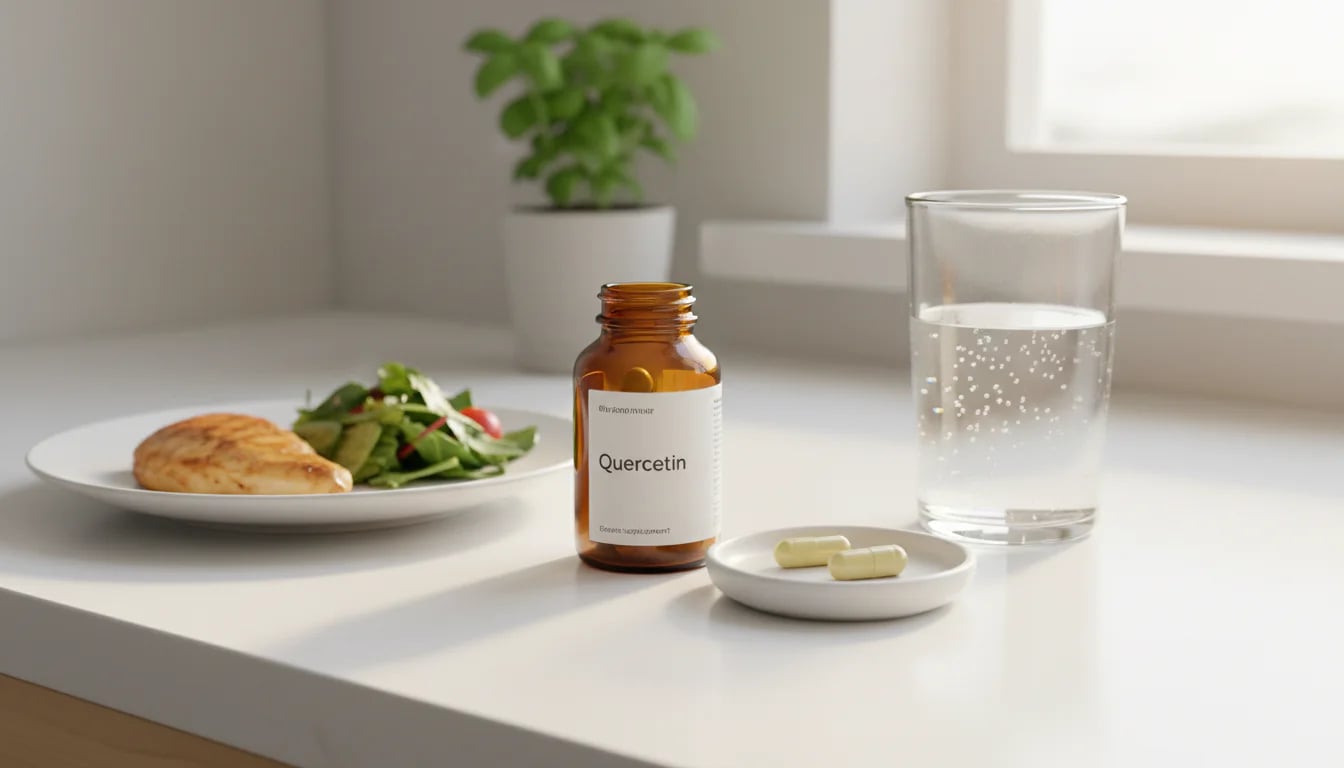
Plain quercetin is very poorly absorbed (~1%), and it's specialized formulations (phytosome/lecithin) — more than just taking it with fat — that meaningfully improve absorption. I usually take mine with lunch, which naturally includes healthy fats from olive oil, avocado, or nuts. Some supplements add bromelain or vitamin C, though there's no strong human evidence these meaningfully boost quercetin absorption.
If you're fermenting at home, you might wonder about quercetin's antimicrobial effects on your ferments. The good news is that the amounts in food or even supplements are unlikely to interfere with lacto-fermentation in your fermentation crocks or mason jars. The beneficial bacteria in fermentation are quite robust. But personally, I still prefer to keep my supplement timing separate from when I'm actively consuming probiotics—it just feels like giving each element its own space to work.
#My Personal Journey: Finding What Works
I treat quercetin as part of a broader, food-first approach to supporting my gut and keeping inflammation in check. I get some of it naturally from foods like onions and capers—which I genuinely enjoy eating—but I also use a supplement for a more consistent, targeted intake.
The timing piece has been important for me. Since I eat my SIBO-friendly fermented foods as part of my morning routine, I prefer taking both quercetin and zinc carnosine later in the day, usually around lunch. Part of that is practical: zinc tends to absorb a bit better away from fiber-heavy meals. And part of it is intentional: quercetin is mildly antimicrobial, so spacing it out from probiotics feels like a cleaner setup.
It's not about strict rules or perfect execution. It's about creating a rhythm that makes sense, giving each piece its own space, and making it easier to notice how everything actually feels and works over time. Some days I forget. Some days I eat more quercetin-rich foods and skip the supplement. The flexibility is part of what makes it sustainable.
What I've noticed over months of this approach: my histamine reactions are less intense, my gut feels more stable, and I have more flexibility in my diet than I did a year ago. Is it all because of quercetin? Probably not—it's the combination of gut healing, strategic fermentation, careful food choices, and yes, targeted supplementation. But quercetin has earned its place in my routine.
#Quercetin and Inflammation: Beyond Histamine
While we've focused a lot on histamine, quercetin's anti-inflammatory properties extend much further. Research suggests it may help modulate inflammatory pathways throughout the body, including in the gut. This is particularly relevant if you're dealing with conditions like inflammatory bowel disease, leaky gut, or chronic inflammation from any source.
The gut barrier—that single-cell-thick lining that separates your gut contents from your bloodstream—is incredibly vulnerable to inflammation. When it becomes compromised (often called "leaky gut"), larger food particles and bacterial components can slip through, triggering immune reactions and more inflammation. It's a vicious cycle.
Quercetin appears to support gut barrier integrity through multiple mechanisms: reducing oxidative stress, modulating tight junction proteins (the "glue" between gut cells), and calming inflammatory signaling. This is why I pair it with zinc carnosine, which directly supports the mucosal lining. Together, they address both the inflammatory component and the structural repair.
If you're working on gut healing, temperature control during fermentation can also make a difference in the types of beneficial bacteria you cultivate. Using tools like a precision cooker for yogurt-making or monitoring your fermentation temperature can help you create the most gut-supportive ferments possible. For more on this, see our Fermentation Temperature Guide.
#Choosing a Quercetin Supplement: What to Look For
If you decide to try quercetin supplementation, here are some things to consider:
Form and Absorption: Look for quercetin supplements that include absorption enhancers like bromelain, vitamin C, or lecithin. Some forms, like quercetin phytosome, are specifically designed for better bioavailability.
Dosage: Most research uses 500-1000 mg per day. Start on the lower end and see how you feel. More isn't always better, especially with compounds that have antimicrobial properties.
Quality: Choose supplements from reputable brands that do third-party testing. Quercetin supplements can vary widely in purity and potency.
Timing: As I mentioned, I take mine with a meal that contains some fat, away from my probiotic-rich foods. Experiment to find what works for you.
Interactions: Quercetin can interact with certain medications, including blood thinners, antibiotics, and chemotherapy drugs. Always check with your healthcare provider before starting any new supplement.
Store your supplements properly—quercetin is sensitive to light and heat. I keep mine in a cool, dark cabinet, similar to how I store my fermentation supplies in glass jars away from direct sunlight.
#Combining Quercetin with a Fermentation Practice
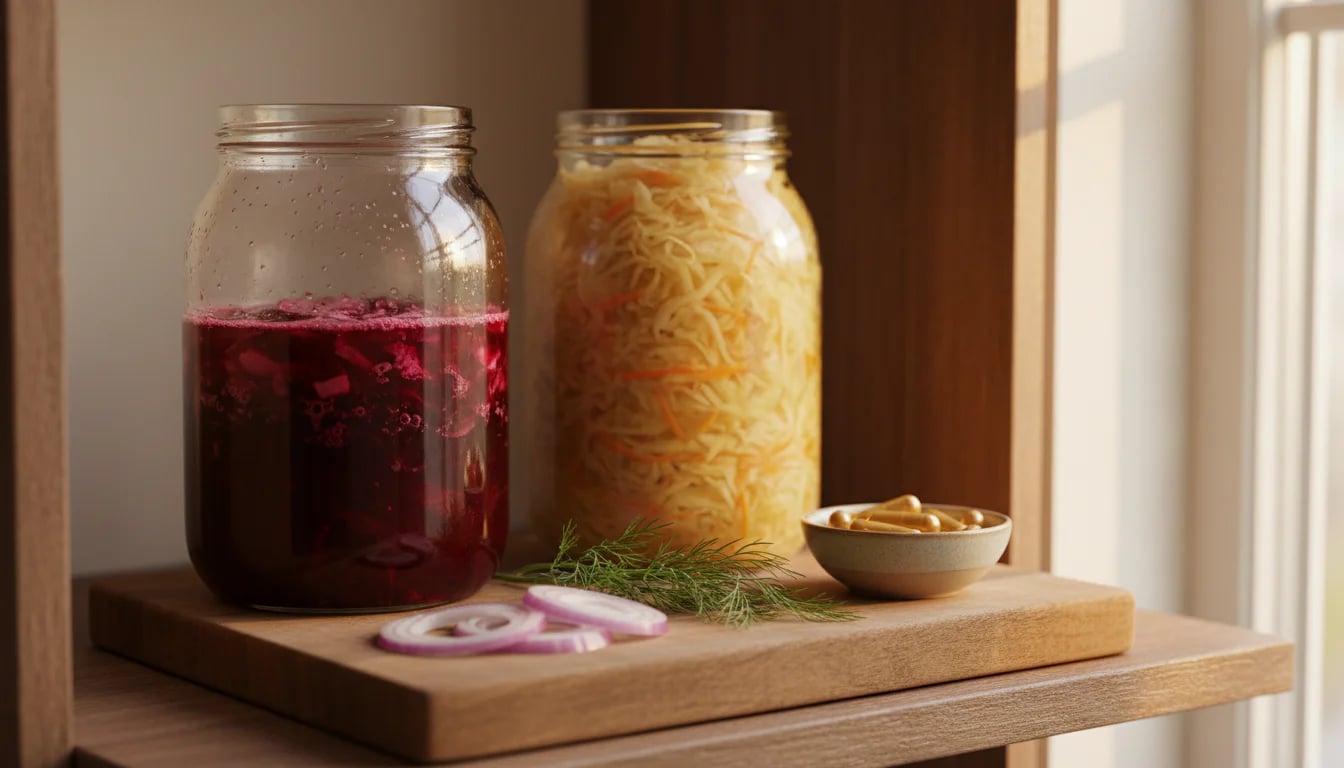
One of the beautiful things about integrating quercetin into your routine is how well it can complement a fermentation practice. Here's the honest tension for a fermentation blog: most fermented foods (sauerkraut, kimchi, kefir, yogurt, kombucha) are HIGH in histamine, so they can worsen symptoms for histamine-sensitive people — even though they're great for gut health in general. If you react to histamine, be cautious with fermented foods and go by your own tolerance rather than assuming they'll help.
If you're new to fermentation, start simple. Fermented vegetables are incredibly forgiving and don't require special equipment beyond some wide-mouth jars. As you get more comfortable, you might explore different vegetables, spices, and fermentation times.
For those dealing with histamine issues, be mindful that fermentation time affects histamine content. Shorter ferments may have somewhat less histamine than long-aged ones, but even short ferments can accumulate significant histamine — so don't assume a short ferment is "safe," and go by your own tolerance. You can also focus on fresh ferments and consume them relatively quickly rather than aging them for months.
The key is finding your personal balance. Some people with histamine sensitivity can't tolerate fermented foods at all. Because fermented foods are inherently high in histamine, sensitivity may persist regardless of "gut healing" — tolerance is about your histamine load, not just a healing timeline. Others do fine with fresh ferments but react to aged ones. Pay attention to your body's signals and adjust accordingly.
#Foods Rich in Quercetin: Building Your Plate
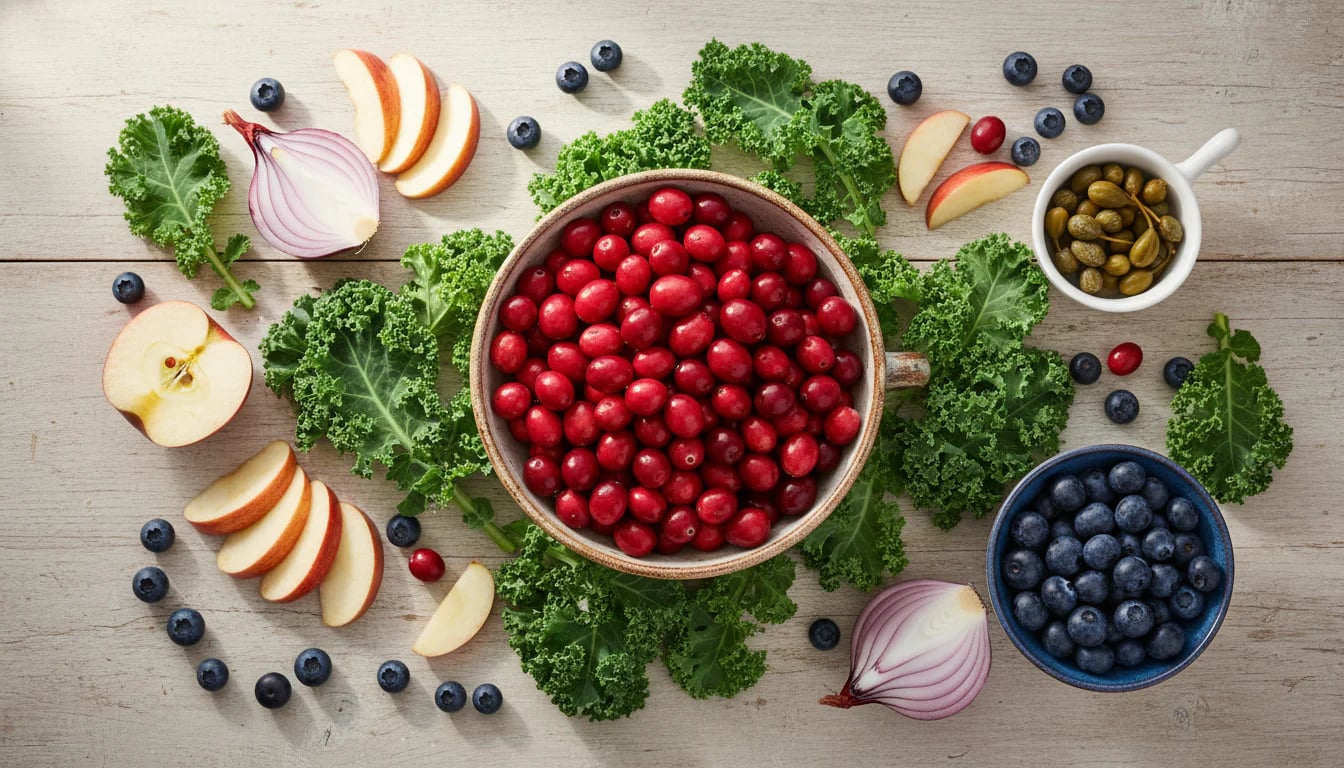
While supplements provide concentrated doses, don't overlook the power of quercetin-rich foods. Here are some of the best sources:
Highest Sources:
- Capers (180 mg per 100g)
- Raw red onions (20-50 mg per 100g)
- Raw kale (23 mg per 100g)
- Raw cranberries (15 mg per 100g)
Good Sources:
- Apples with skin (4-5 mg per medium apple)
- Blueberries (3-4 mg per 100g)
- Black tea (2-3 mg per cup)
- Broccoli (3 mg per 100g)
- Asparagus (3 mg per 100g)
Cooking Tip: Quercetin content can decrease with cooking, especially boiling. If you're trying to maximize quercetin from food, eat these items raw or lightly cooked. That said, cooked onions still provide quercetin along with other beneficial compounds, so don't stress about perfection.
I love adding raw red onions to salads, snacking on apples, and using capers generously in Mediterranean-style dishes. These foods also provide fiber, vitamins, and other phytonutrients that work synergistically with quercetin. It's the whole-food advantage that supplements can't fully replicate.
#Potential Side Effects and Considerations
Quercetin is generally well-tolerated, but it's not without potential side effects, especially at higher doses. Here's what to be aware of:
Digestive Upset: Some people experience mild stomach upset, especially when starting quercetin or taking it on an empty stomach. Taking it with food usually helps.
Headaches: Occasionally reported, though less common. If this happens, try reducing your dose.
Kidney Concerns: Kidney concerns have mainly come from high-dose intravenous quercetin rather than typical oral use. Stick to moderate doses and stay well-hydrated.
Drug Interactions: Quercetin can interact with:
- Blood thinners (may increase bleeding risk)
- Antibiotics (may reduce effectiveness)
- Chemotherapy drugs (may interfere with treatment)
- Cyclosporine (immunosuppressant)
Pregnancy and Breastfeeding: There isn't enough research on quercetin supplementation during pregnancy or breastfeeding. Food sources are fine, but talk to your healthcare provider about supplements.
As with any supplement, start low and go slow. Pay attention to how your body responds. If you're working with a functional medicine practitioner or healthcare provider on your gut health journey, bring them into the conversation about quercetin.
#The Bigger Picture: Quercetin as One Piece of the Puzzle
Here's what I want you to take away from this: quercetin isn't a magic solution for histamine intolerance or gut issues. It's one tool in a larger toolkit. The most effective approach I've found combines:
Gut Healing: Addressing underlying issues like SIBO, dysbiosis, or leaky gut
Strategic Fermentation: Incorporating probiotic-rich foods that you tolerate well
Anti-Inflammatory Support: Using compounds like quercetin and omega-3s to calm inflammation
Gut Barrier Support: Nutrients like zinc, L-glutamine, and collagen to repair the gut lining
Stress Management: Because stress directly impacts gut health and histamine release
Personalized Nutrition: Finding the foods that nourish you without triggering symptoms
Quercetin fits into this picture as a gentle, consistent support for mast cell stability and inflammation. It's not dramatic or immediate, but over time, as part of a comprehensive approach, it can make a real difference.
The beauty of this approach is that it's flexible and forgiving. You don't have to do everything perfectly. You can experiment, adjust, and find what works for your unique body and situation. That's the spirit of fermentation itself—working with natural processes, being patient, and trusting that small, consistent actions lead to transformation.
#Conclusion: Your Quercetin Journey
Whether you choose to get quercetin from foods, supplements, or both, the key is finding an approach that feels sustainable and supportive for your body. Start with food sources—add more onions, capers, and apples to your diet. Notice how you feel. If you decide to try supplementation, start with a moderate dose and give it time to work.
Pair your quercetin intake with a thoughtful fermentation practice, using quality equipment like fermentation crocks or simple mason jars to create gut-supportive foods. Be patient with the process—gut healing takes time, and quercetin works gradually, not overnight.
Most importantly, listen to your body. Pay attention to how different foods, supplements, and timing strategies affect your symptoms. Keep a journal if that helps. Work with healthcare providers who understand functional approaches to gut health. And remember: you're not just managing symptoms, you're supporting your body's natural healing capacity.
The journey from histamine chaos to gut balance isn't always linear, but with tools like quercetin, strategic fermentation, and a food-first mindset, it's absolutely possible. Here's to finding your balance, one thoughtful choice at a time.
Disclaimer: This article is for informational and educational purposes only. It is not intended to be a substitute for professional medical advice, diagnosis, or treatment. Individual results may vary. Quercetin supplements can interact with certain medications, including blood thinners and antibiotics. Please consult your healthcare provider before beginning any new dietary practice or supplement regimen, especially if you have a medical condition, are pregnant or nursing, or take medications.