#Key Takeaways
- Chlorine and chloramine in tap water can inhibit beneficial bacteria, slowing or stopping fermentation entirely
- Simple fixes work: Let tap water sit uncovered for 24 hours (chlorine) or use a carbon filter (chloramine)
- Spring or filtered water often produces the best results, especially for delicate ferments like kombucha and water kefir
- Distilled water lacks minerals that beneficial microbes need, so it's not ideal for most ferments
- Boiling removes chlorine but not chloramine—know which disinfectant your municipality uses
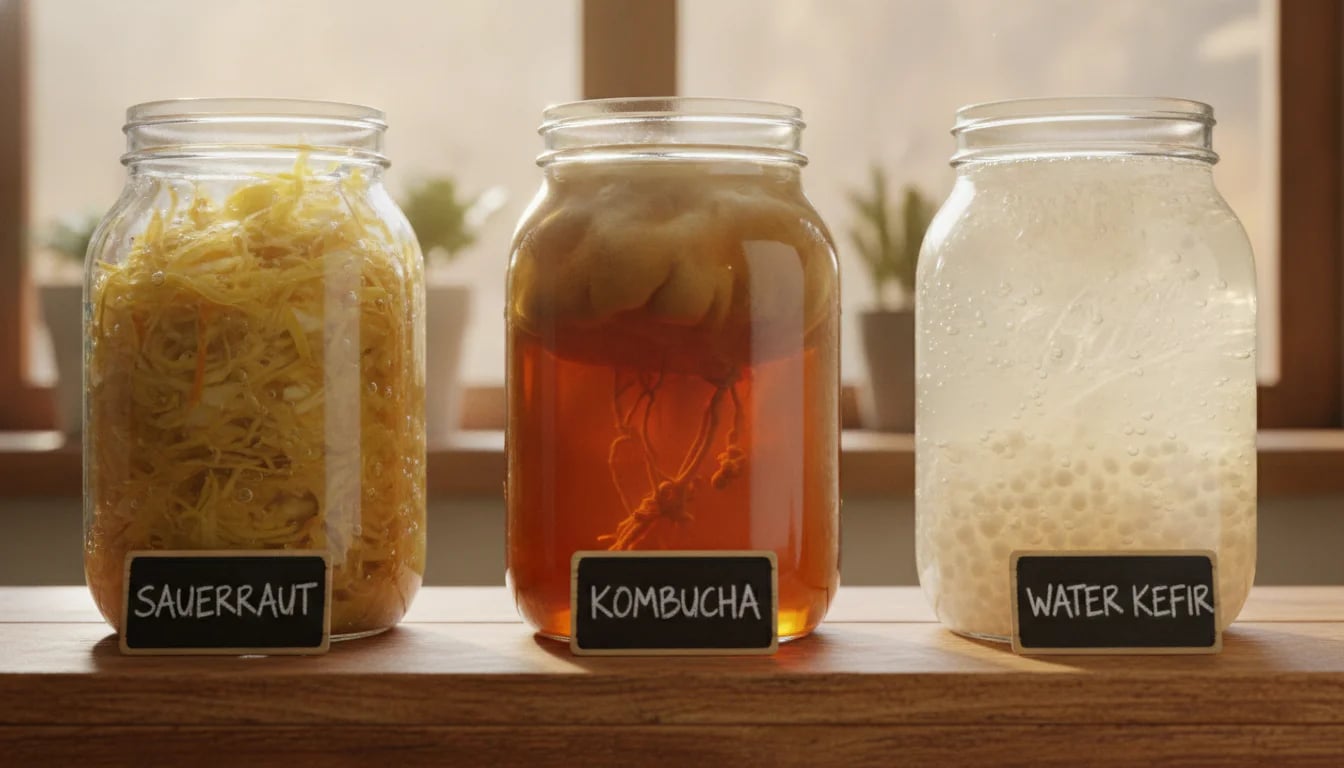
Have you ever started a batch of kombucha or sauerkraut, followed the recipe perfectly, and then... nothing? The bubbles never came, the tang never developed, and you were left wondering what went wrong. Before you blame your starter culture or your technique, let's talk about something that might be sabotaging your ferments from the very first step: your water.
#Why Water Quality Matters for Fermentation
Fermentation is, at its heart, a collaboration with living microorganisms. Whether you're brewing kombucha, culturing yogurt, or fermenting vegetables, you're creating an environment where beneficial bacteria and yeasts can thrive. But here's the thing: the same chemicals that keep our drinking water safe from harmful pathogens can also harm the very microbes we're trying to cultivate.
Chlorine and chloramine are the most effective disinfectants applied in public drinking water systems, designed specifically to kill bacteria. Research on drinking water safety shows that these chemicals are carefully regulated to keep heterotrophic bacteria counts below safe levels. That's great for drinking water—but not so great when you're intentionally trying to grow beneficial bacteria in your fermentation crock or kombucha brewing vessel.
Studies on water quality in fermented food production confirm that the quality of water used is critical—it should meet drinking water standards, yes, but for fermentation purposes, we need to go a step further and remove the very chemicals that make it "safe."
#What's Actually in Your Tap Water?
Chlorine is the traditional disinfectant—it's volatile, which means it evaporates relatively quickly when exposed to air. You can smell it in freshly poured tap water, that distinctive swimming pool scent.
Chloramine is increasingly common as a secondary disinfectant. It's used because it remains active in water systems for considerably longer periods, providing lasting protection as water travels through pipes. The downside? It doesn't evaporate like chlorine does, making it trickier to remove.
Fluoride is added in many municipalities for dental health. While it doesn't kill bacteria as aggressively as chlorine, some fermenters report that it can affect the taste of delicate ferments like water kefir and kombucha.
Disinfection by-products (DBPs) form when chlorine or chloramine interacts with organic matter in water. Research shows these can include trihalomethanes and chloroform, which may also impact fermentation.
To find out what's in your water, check your local water utility's annual water quality report—it's usually available online and will tell you exactly which disinfectants they use.
#How Chlorine and Chloramine Affect Your Ferments
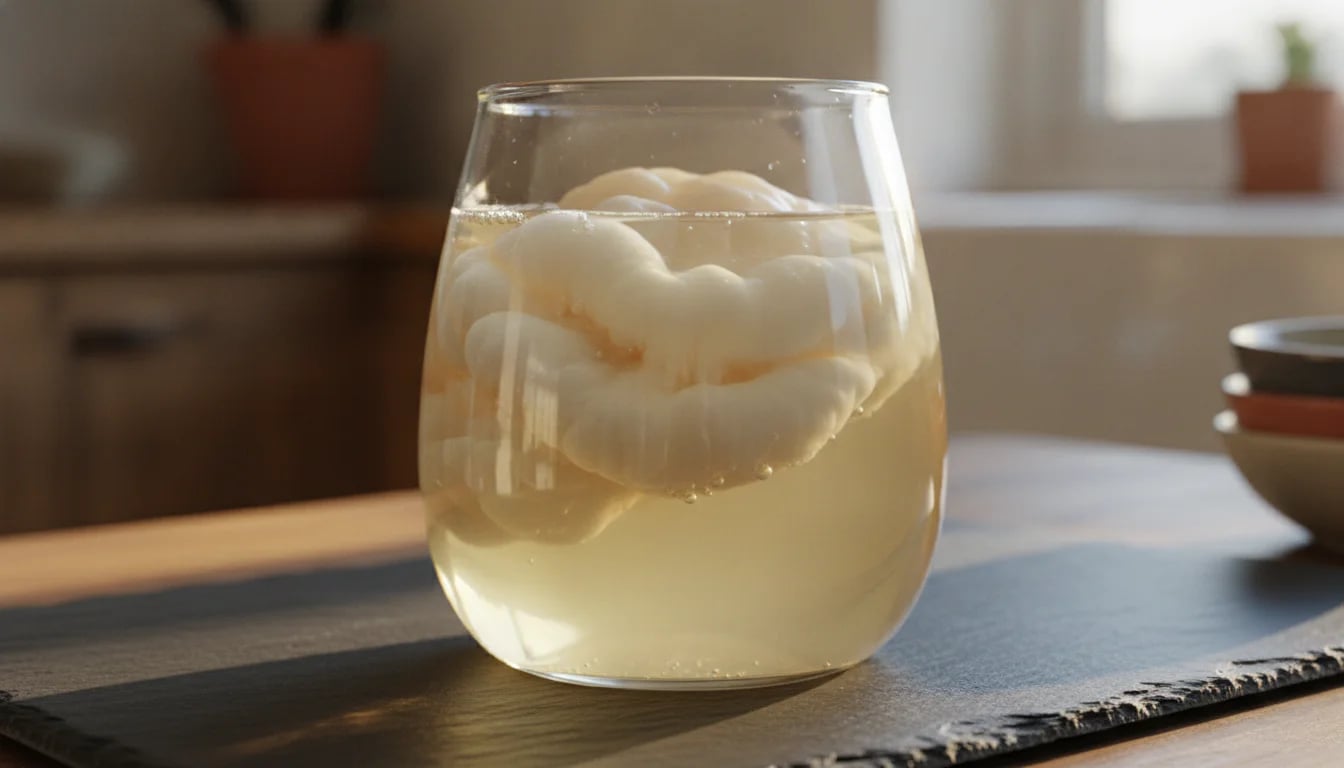
The impact varies by fermentation type. Delicate, liquid-based ferments like kombucha and water kefir are most vulnerable. The living cultures—your SCOBY or kefir grains—are in direct, prolonged contact with the water, and even small amounts of chlorine can stress or kill the microorganisms.
A randomized controlled trial found that chlorinated tap water affects gut microbiota diversity and composition, even increasing antibiotic-resistance gene pathways. While this study focused on human gut bacteria, it illustrates just how powerful these disinfectants are against microbial communities—including the ones we're trying to cultivate in our ferments.
Vegetable ferments like sauerkraut and kimchi are somewhat more forgiving. The vegetables themselves contain natural bacteria on their surfaces, and the salt brine creates a selective environment. However, chlorinated water can still slow the fermentation process or alter the final flavor profile.
You might notice:
- Fermentation that takes much longer than expected
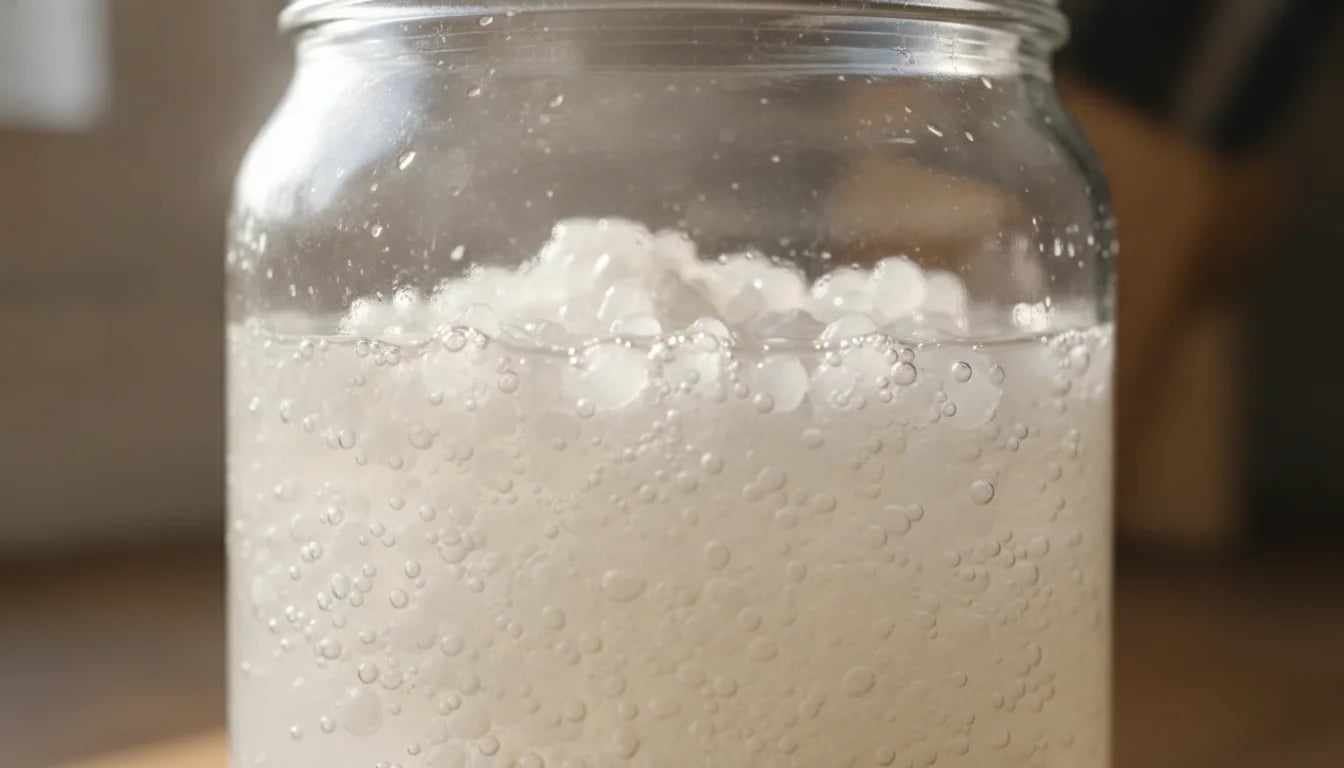
- Weak or absent bubbling activity
- Off flavors or lack of the characteristic tang
- SCOBY or kefir grains that don't grow or reproduce
- Mold or unwanted bacteria taking hold (because the good bacteria were inhibited)
#The Best Water Options for Fermenting
#Spring Water: The Gold Standard
Many experienced fermenters swear by spring water, and for good reason. It contains beneficial minerals that microbes need—calcium, magnesium, and trace elements—without the added disinfectants. Fermentation experts note that water kefir grains show bigger, happier growth with spring water, likely due to these minerals.
The downside? Cost and environmental impact. Buying spring water in plastic bottles for every batch adds up, both financially and ecologically.
#Filtered Tap Water: The Practical Choice
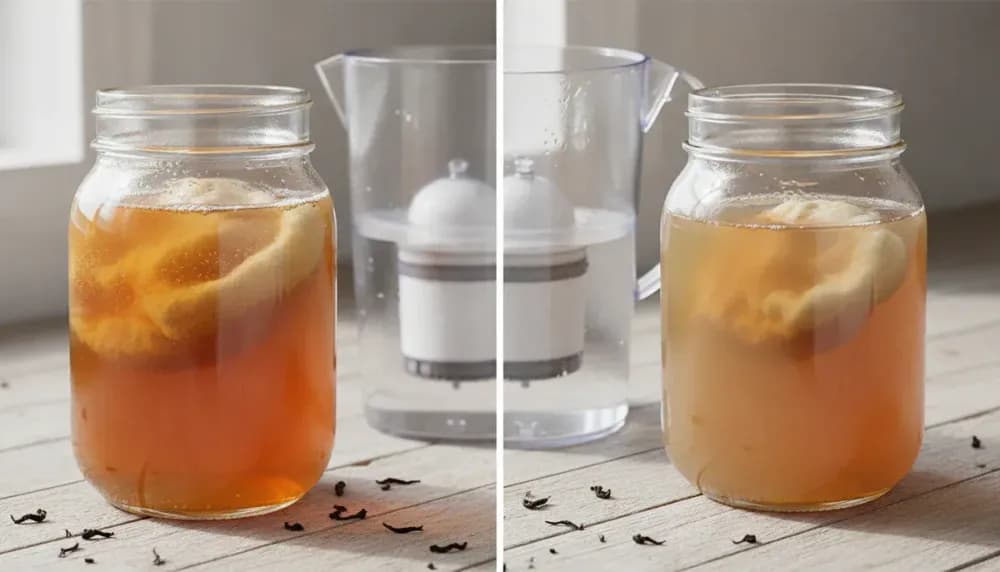
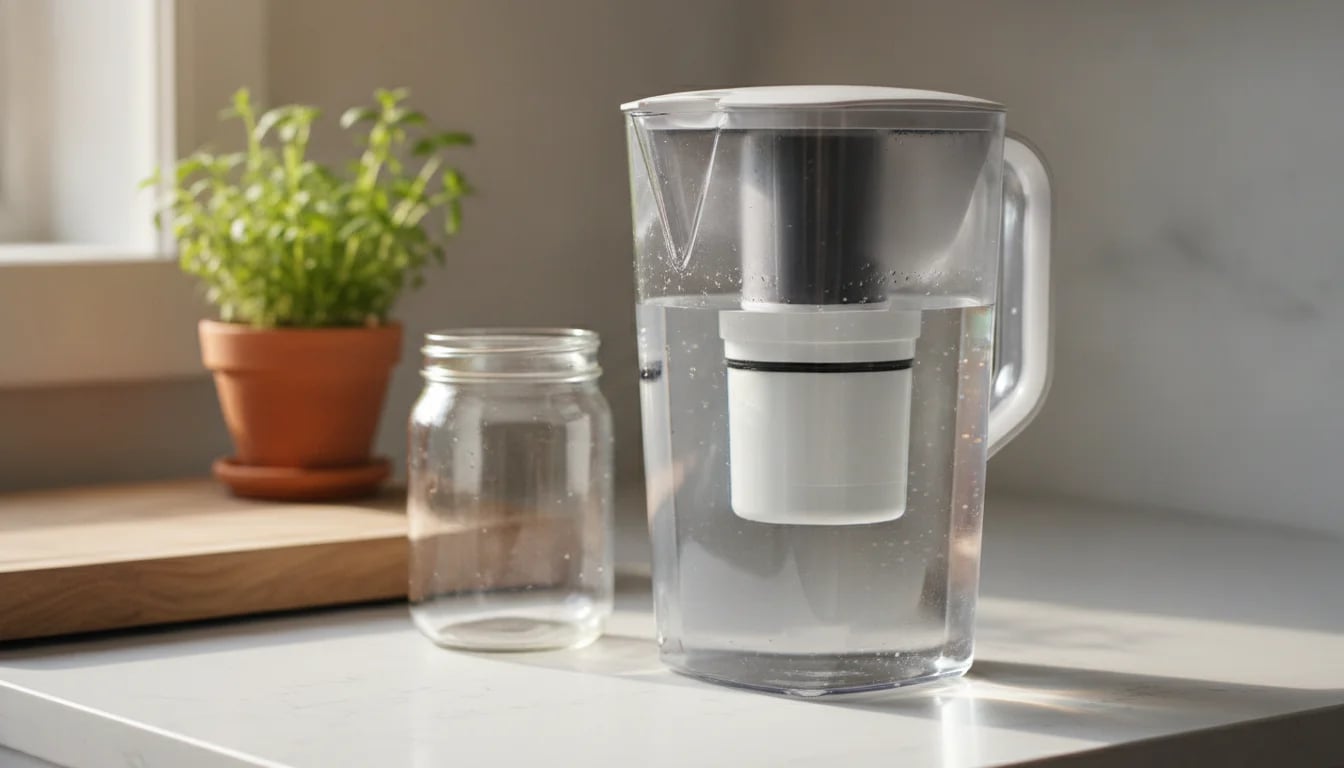
For removing chlorine: A simple carbon filter works beautifully. Studies show that pitcher-type filters and reverse osmosis systems effectively reduce chlorine-based contaminants, with reductions ranging from 48% to 97% for trihalomethanes.
For removing chloramine: You'll need a carbon filter specifically rated for chloramine removal—not all filters handle it. Check the product specifications carefully.
I keep a basic pitcher filter in my kitchen specifically for fermentation water. It's a small investment that pays off in consistent, successful ferments.
#Distilled Water: Generally Not Recommended
Distilled water is pure H₂O—which sounds ideal, but it's actually too pure. It lacks the minerals that help beneficial bacteria thrive, particularly important for mineral-loving cultures like water kefir grains. Your ferment might work, but it won't be optimal.
#Well Water: Test First
If you have well water, you're likely chlorine-free—but you might have other concerns like high mineral content, sulfur, or bacterial contamination. Get your water tested before using it for fermentation, and consider filtering if needed.
#Simple Ways to Dechlorinate Tap Water at Home
#The Waiting Method (For Chlorine Only)
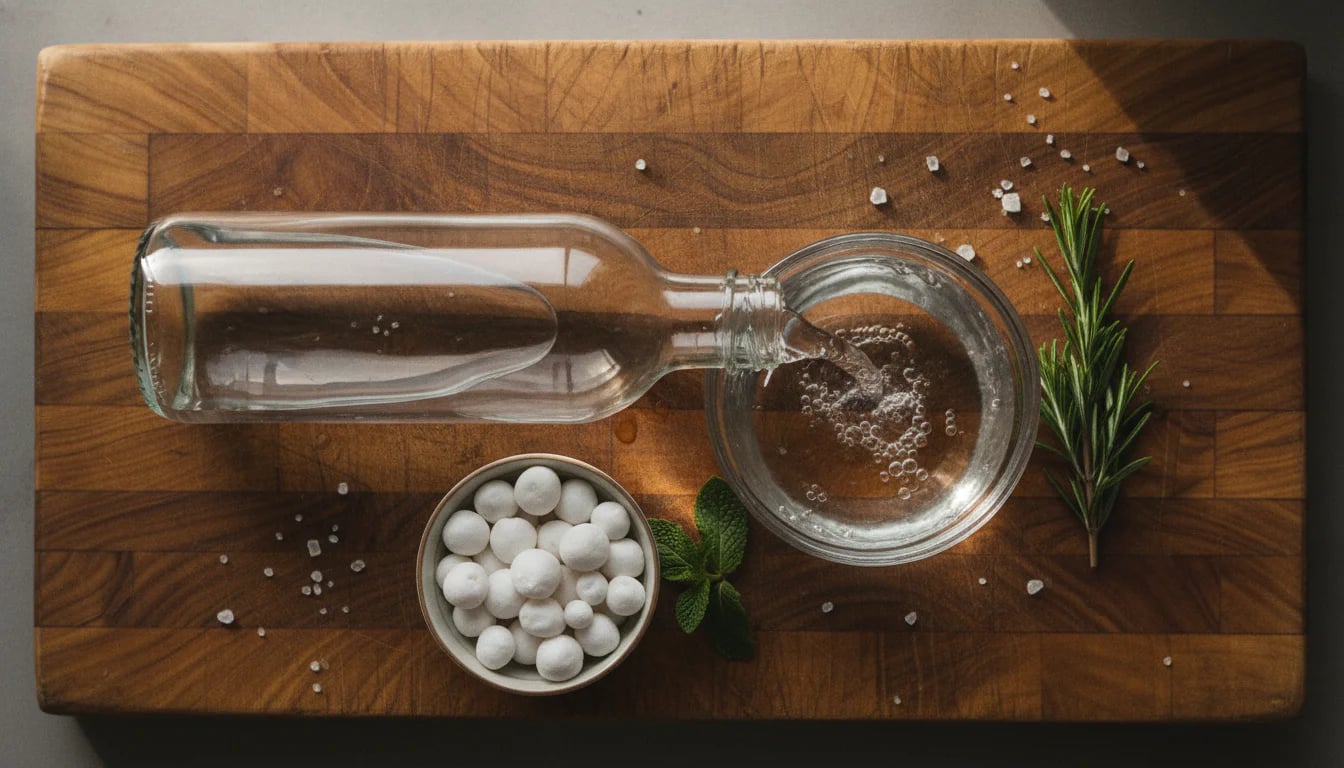
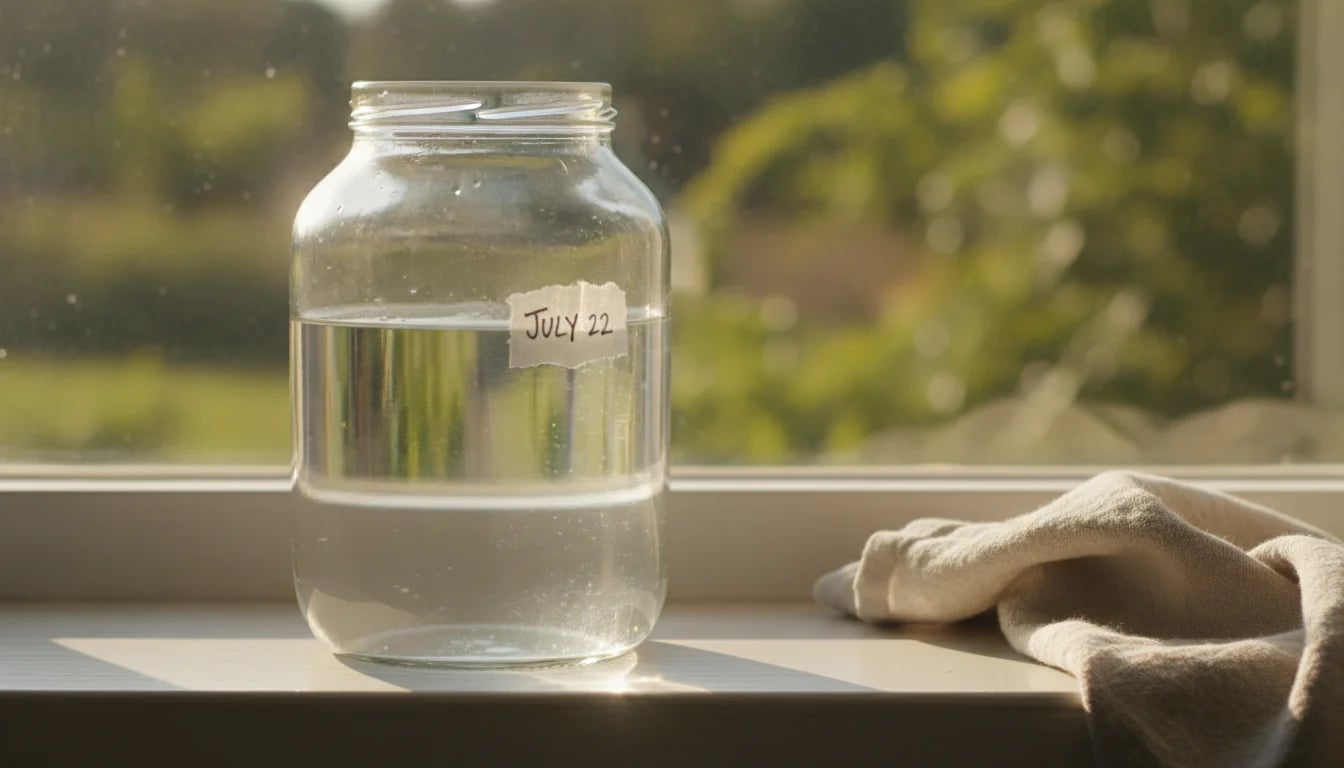
How it works: Pour tap water into an open container and let it sit uncovered for 24 hours. Chlorine is volatile and will evaporate into the air.
Best for: Chlorinated water (not chloramine)
The process: I keep a large glass jar on my counter, filled the night before I plan to ferment. By morning, it's ready to use. Simple, free, and effective.
#The Boiling Method (For Chlorine Only)
How it works: Boiling water for 15-20 minutes drives off chlorine gas. Let it cool completely before using.
Best for: Chlorinated water when you need it quickly
Important note: Boiling does NOT remove chloramine. Research on disinfection by-products shows that while boiling reduces some contaminants, it's ineffective against chloramine.
#Carbon Filtration (For Both Chlorine and Chloramine)
How it works: Activated carbon chemically bonds with chlorine and chloramine, removing them from the water.
Best for: Any chlorinated or chloraminated water
Options:
- Pitcher filters (affordable, easy)
- Faucet-mounted filters (convenient for larger batches)
- Under-sink systems (investment, but comprehensive)
- Reverse osmosis (removes nearly everything, including minerals)
Make sure your filter is specifically rated for chloramine if that's what your municipality uses—not all carbon filters are created equal.
#Water Quality Tips for Specific Ferments
#Kombucha and Jun Tea
Most sensitive to water quality. Your SCOBY is a living community of bacteria and yeast in direct contact with water for days. Use filtered or spring water for best results. If you're just starting with a new SCOBY, give it the best possible environment to establish itself.
When brewing in a kombucha brewing kit, water quality becomes even more critical because you're often working with larger volumes.
#Water Kefir
Mineral-dependent. Water kefir grains actually need minerals to thrive and reproduce. Spring water is ideal, but filtered tap water with added minerals (a pinch of unrefined sea salt, a clean eggshell, or mineral drops) works well too. Avoid distilled water—your grains will survive but won't flourish.
#Sauerkraut, Kimchi, and Vegetable Ferments
More forgiving, but quality still matters. The vegetables bring their own bacteria, and salt creates a selective environment. Filtered tap water works great. If using tap water, let it sit overnight or use a carbon filter.
When packing vegetables into your fermentation crock or mason jars, the brine you create with your water will determine the environment for the entire ferment. Using fermentation weights to keep vegetables submerged in quality brine is essential.
#Dairy Ferments (Yogurt, Kefir)
Water quality matters for cleaning equipment. While you're not adding water directly to milk-based ferments, you're using water to clean your jars, utensils, and fermentation vessels. Chlorinated water residue on equipment can affect your cultures. Rinse with filtered water or let equipment air-dry thoroughly after washing.
#Troubleshooting Water-Related Fermentation Problems
#My ferment is taking forever—could it be the water?
Possibly. If you're using straight tap water with chlorine or chloramine, try switching to filtered water for your next batch. Also check your temperature—fermentation science tells us that temperature, time, and humidity all play crucial roles in lacto-fermentation success.
#My kombucha SCOBY isn't growing
Water quality is a likely culprit. SCOBYs are sensitive to chlorine and chloramine. Switch to spring or filtered water, and make sure your brewing vessel is clean but not sanitized with chlorine-based cleaners. Also ensure you're maintaining proper temperature—kombucha ferments best between 68-78°F (20-26°C).
#My water kefir grains are shrinking
This often indicates a mineral deficiency. Try switching to spring water, or add minerals to your filtered water. A small piece of clean, dried eggshell or a pinch of unrefined sea salt can help. Avoid distilled water entirely.
#My sauerkraut tastes off
While water quality can contribute to off flavors, also consider salt quality (use pure sea salt or kosher salt without additives), temperature (too warm can create mushy, off-tasting kraut), and whether vegetables stayed submerged under the brine. Using fermentation weights and airlock lids can help create the ideal anaerobic environment.
For more troubleshooting guidance, check out our article on airlock vs. open fermentation methods.
#The Bottom Line: Water Quality Is Worth Your Attention
You don't need expensive spring water for every ferment, but you do need to understand what's in your tap water and how to work with it. For most home fermenters, a simple carbon filter or the overnight sitting method will solve 90% of water-related issues.
Start here:
- Find out what disinfectant your water utility uses (chlorine or chloramine)
- Choose your dechlorination method accordingly
- For delicate ferments like kombucha and water kefir, use filtered or spring water
- For vegetable ferments, filtered tap water works great
- Keep notes on your batches—you'll quickly learn what works best in your specific situation
Fermentation is already a practice in patience and observation. Adding one more variable to pay attention to—your water—might feel like extra work, but I promise it's worth it. There's something deeply satisfying about understanding every element that goes into your ferments, from the quality of your vegetables to the minerals in your water to the tools you use to create the perfect environment.
Your microbes are doing the heavy lifting. The least we can do is give them clean, chemical-free water to work with.