#The Great Fermentation Debate
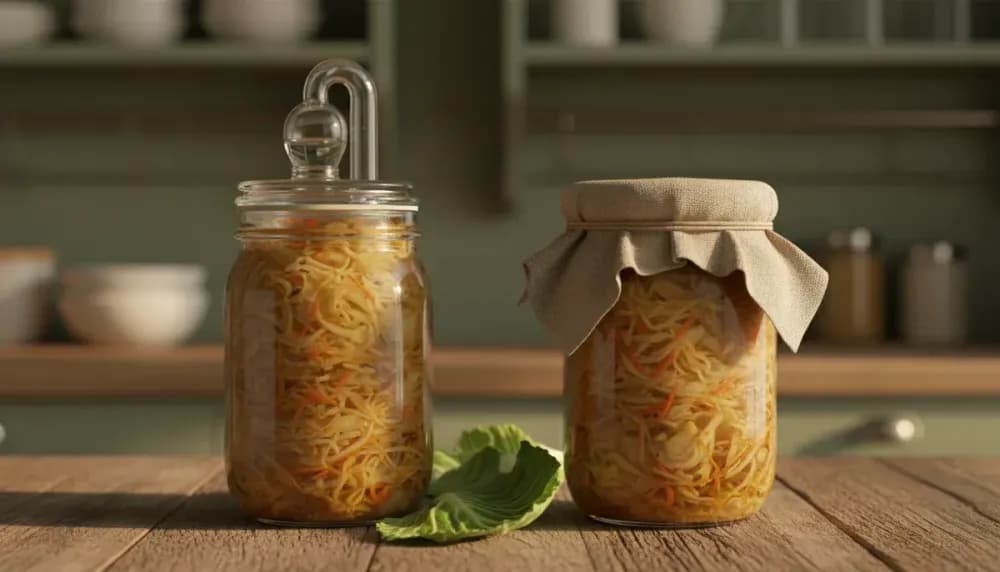
You're standing in your kitchen, staring at two jars of shredded cabbage. One has a fancy airlock bubbling away. The other is covered with a simple cloth. Both claim to be the "right" way to ferment.
Which one will give you the best sauerkraut?
Here's the truth that might surprise you: both methods can work beautifully. But understanding when and why to use each approach will transform you from a confused beginner into a confident fermenter who knows exactly what your specific ferment needs.
Let's explore the science, the practical realities, and the moments when the fermentation method actually matters—and when it really doesn't.
#Understanding the Two Worlds of Fermentation
#Anaerobic Fermentation: The Sealed System
Anaerobic fermentation happens without oxygen. When you seal a jar with an airlock or create an oxygen-free environment, you're creating conditions where specific bacteria thrive—primarily lactobacillus species that convert sugars into lactic acid.
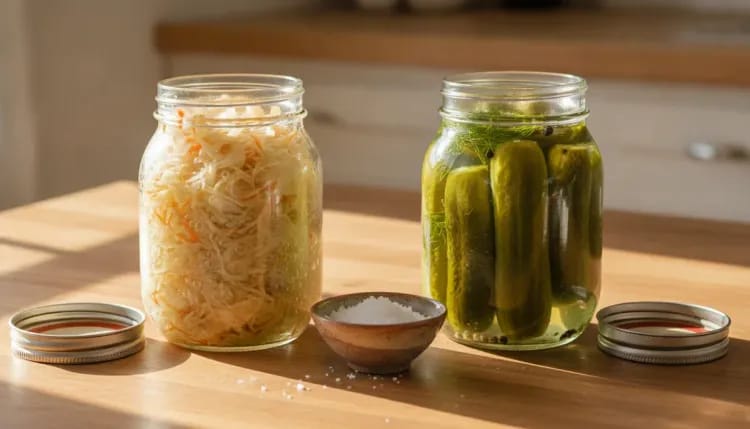
This is the magic behind sauerkraut, kimchi, pickles, and most fermented vegetables. The lactic acid these bacteria produce creates that characteristic tangy flavor while lowering the pH to a safe level — at or below 4.6, and typically down to about 3.5 in finished kraut — where harmful bacteria (including C. botulinum) can't grow. The real risk to watch for isn't the lid type; it's a ferment that never sours.
Research on lacto-fermentation shows that these beneficial bacteria are remarkably efficient at creating a safe, stable ferment when oxygen is excluded. The process is elegant: as fermentation begins, the bacteria consume any residual oxygen, then continue their work in the oxygen-free environment they've created.
#Aerobic Fermentation: The Open System
Aerobic fermentation requires oxygen. This is the realm of kombucha, vinegar, and certain traditional ferments that depend on yeasts and acetobacter (acetic acid bacteria) to do their transformative work.
These microorganisms need access to air. Cover your kombucha with an airlock, and you'll end up with something closer to alcoholic cider than the tangy, effervescent drink you're hoping for. The SCOBY (Symbiotic Culture of Bacteria and Yeast) literally needs to breathe.
Scientists have found that acetobacter species require oxygen to convert alcohol into acetic acid—the compound that gives vinegar its distinctive bite and kombucha its characteristic tang.
#The Airlock Advantage: When Sealed Systems Shine
#What an Airlock Actually Does
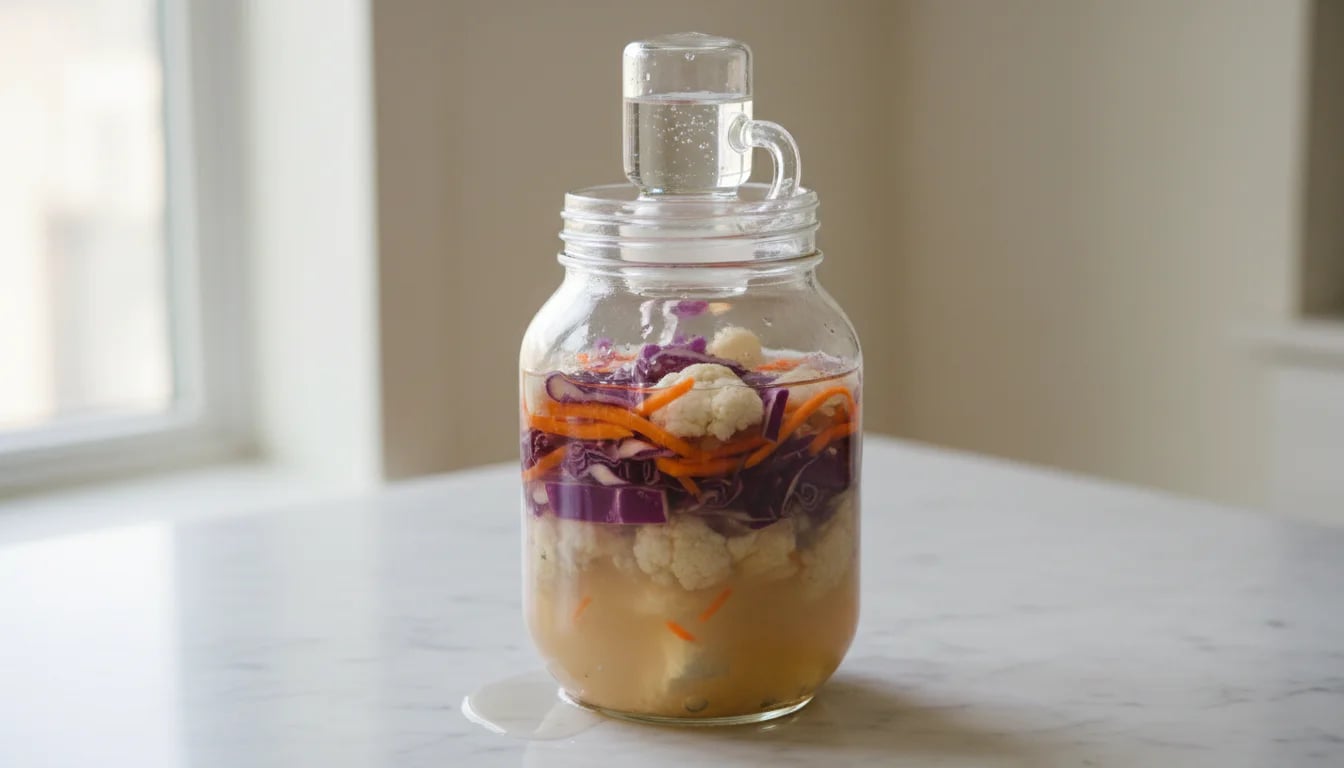
An airlock is a one-way valve that allows carbon dioxide to escape while preventing oxygen and airborne contaminants from entering your ferment. Think of it as a security system for your vegetables.
When fermentation is active, CO2 bubbles up through the water-filled airlock, creating that satisfying "bloop bloop" sound that tells you your microbes are hard at work. Meanwhile, oxygen, mold spores, and fruit flies stay firmly outside.
#When Airlocks Make the Biggest Difference
Long fermentation periods: If you're fermenting for weeks or months, an airlock provides peace of mind. You won't need to monitor for surface mold or worry about evaporation exposing your vegetables to air.
Warm environments: In warmer climates or during summer, mold and kahm yeast are more common. An airlock reduces surface exposure to air, which can help — though keeping everything submerged under the brine matters more.
Hands-off fermenting: Going on vacation? An airlock lets your ferment continue safely without daily attention. No need to check for mold, skim the surface, or add brine.
Delicate ferments: Some vegetables are more prone to surface issues. Beets, for example, can develop surface mold more readily than cabbage. An airlock can help reduce this, though keeping the vegetables submerged is what matters most.
If you're investing in fermentation equipment, a quality fermentation crock with a water-sealed lid can be a game-changer for serious vegetable fermenters.
#The Open Fermentation Method: Simple, Traditional, Effective
#How Our Ancestors Did It (And Why It Still Works)
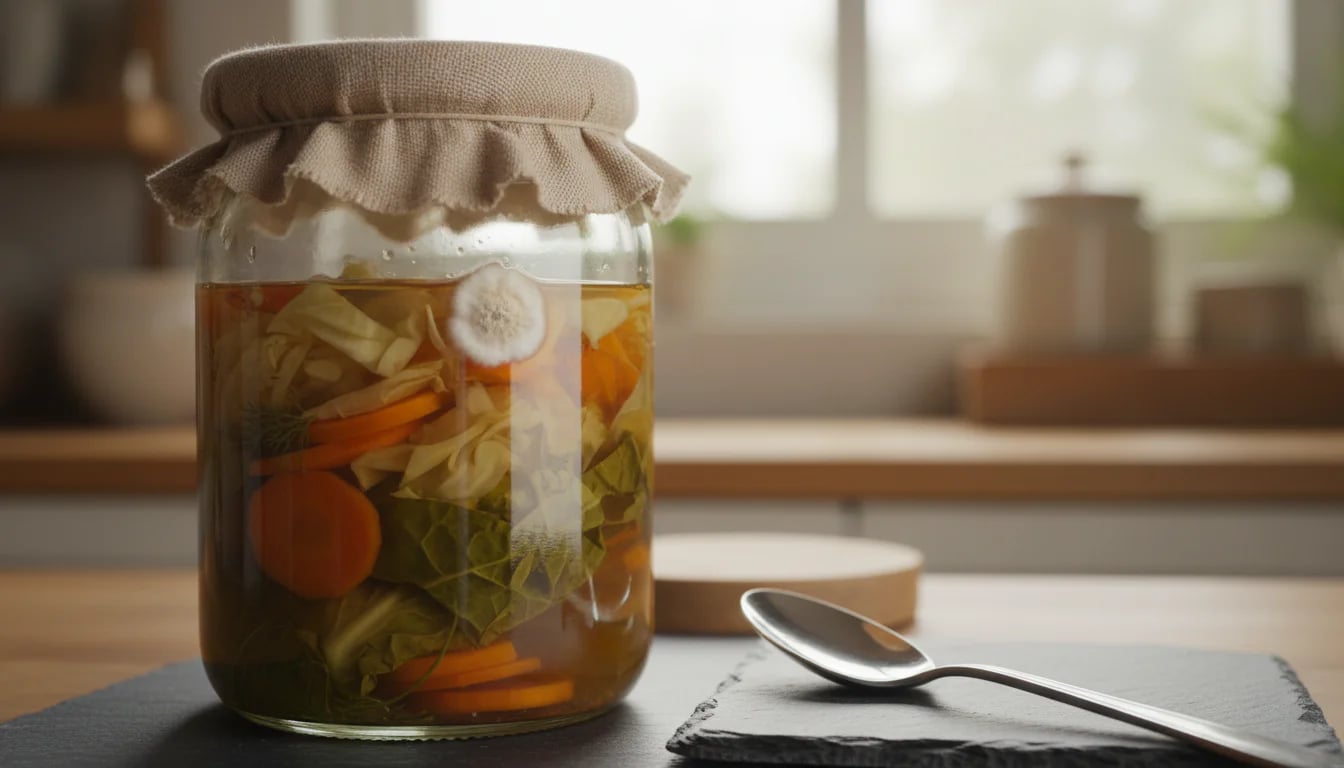
For thousands of years, humans fermented vegetables in open crocks covered with cloth, leaves, or wooden lids. No airlocks. No fancy equipment. Just salt, vegetables, and time.
This method works because of a beautiful natural process: when you pack vegetables tightly and keep them submerged under brine, you create an anaerobic environment without needing an airlock. The vegetables themselves, weighted down, create a barrier between the fermenting food and the air above.
#The Benefits of Going Simple
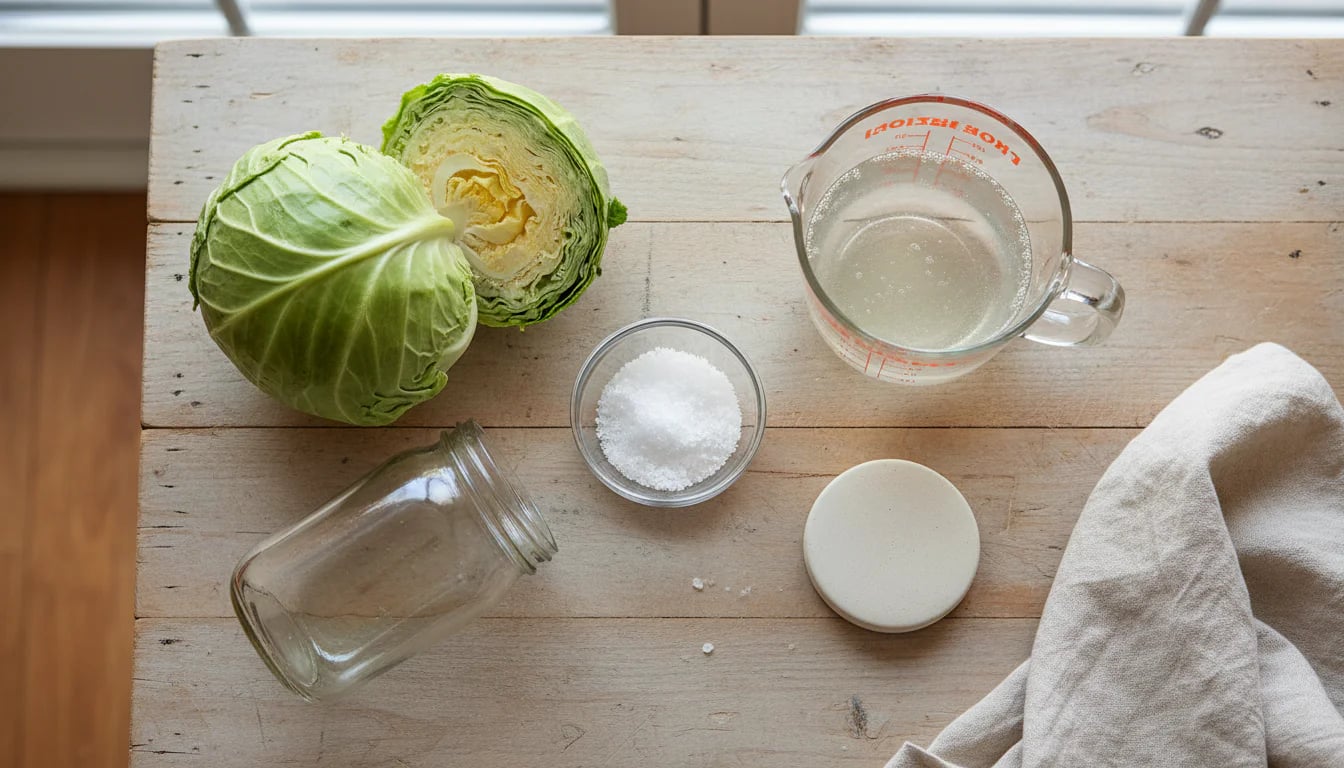
Lower barrier to entry: You can start fermenting today with just a jar, some salt, and a cloth. No special equipment required.
Easier monitoring: With an open vessel, you can see, smell, and taste your ferment easily. This sensory feedback helps you learn what healthy fermentation looks and smells like.
Traditional flavor profiles: Some fermenters swear that open fermentation produces more complex, nuanced flavors. The slight exposure to air at the surface may allow for a more diverse microbial community.
Flexibility: You can easily add more vegetables, adjust salt levels, or taste-test without breaking an airlock seal.
#The Trade-Offs
Open fermentation requires more attention. You'll need to:
- Check daily for surface mold or kahm yeast
- Ensure vegetables stay submerged (weights help enormously here)
- Skim any surface growth promptly
- Top up brine if evaporation occurs
- Keep fruit flies away with a tight-weave cloth
For many fermenters, this daily ritual becomes a meditative practice—a moment of connection with the transformation happening in their kitchen. As I explored in What Happens When Food Ferments? (And Why It's Kind of Magical), there's something deeply satisfying about witnessing this ancient process unfold.
#Matching Method to Ferment: Your Decision Guide
#Ferments That NEED Open Air (Aerobic)
Kombucha: The SCOBY requires oxygen to function. Always use a breathable cloth cover, never an airlock.
Vinegar: Acetobacter needs air to convert alcohol to acetic acid. Cover with cloth to allow airflow while keeping out insects.
Some traditional ferments: Certain regional specialties like Ethiopian injera batter or Indian idli batter benefit from air exposure during fermentation.
#Ferments That PREFER Anaerobic Conditions
Sauerkraut and kimchi: These classic lacto-ferments thrive without oxygen. Both airlock and open methods work, but airlocks reduce maintenance.
Fermented pickles: Whether you're making lacto-fermented pickles or other vegetable ferments, anaerobic conditions produce the best flavor and texture.
Fermented hot sauces: These benefit from sealed fermentation to develop clean, bright flavors without oxidation.
Miso and other bean ferments: Long-term ferments like these traditionally use weighted lids or airlocks to prevent surface mold during months-long fermentation.
#Ferments That Work Either Way
Here's where it gets interesting: most vegetable ferments are remarkably forgiving. Your classic napa cabbage kimchi, spicy Brussels sprouts kimchi, or golden beet and orange ferment will turn out beautifully with either method, as long as you follow good fermentation practices.
The key factors that matter more than your vessel choice:
- Proper salt ratio (usually 2-3% by weight)
- Keeping vegetables submerged under brine
- Appropriate temperature (typically 65-75°F for vegetables)
- Clean equipment and hands
- Fresh, quality ingredients
For more on getting temperature right, check out this comprehensive fermentation temperature guide.
#Troubleshooting Common Concerns
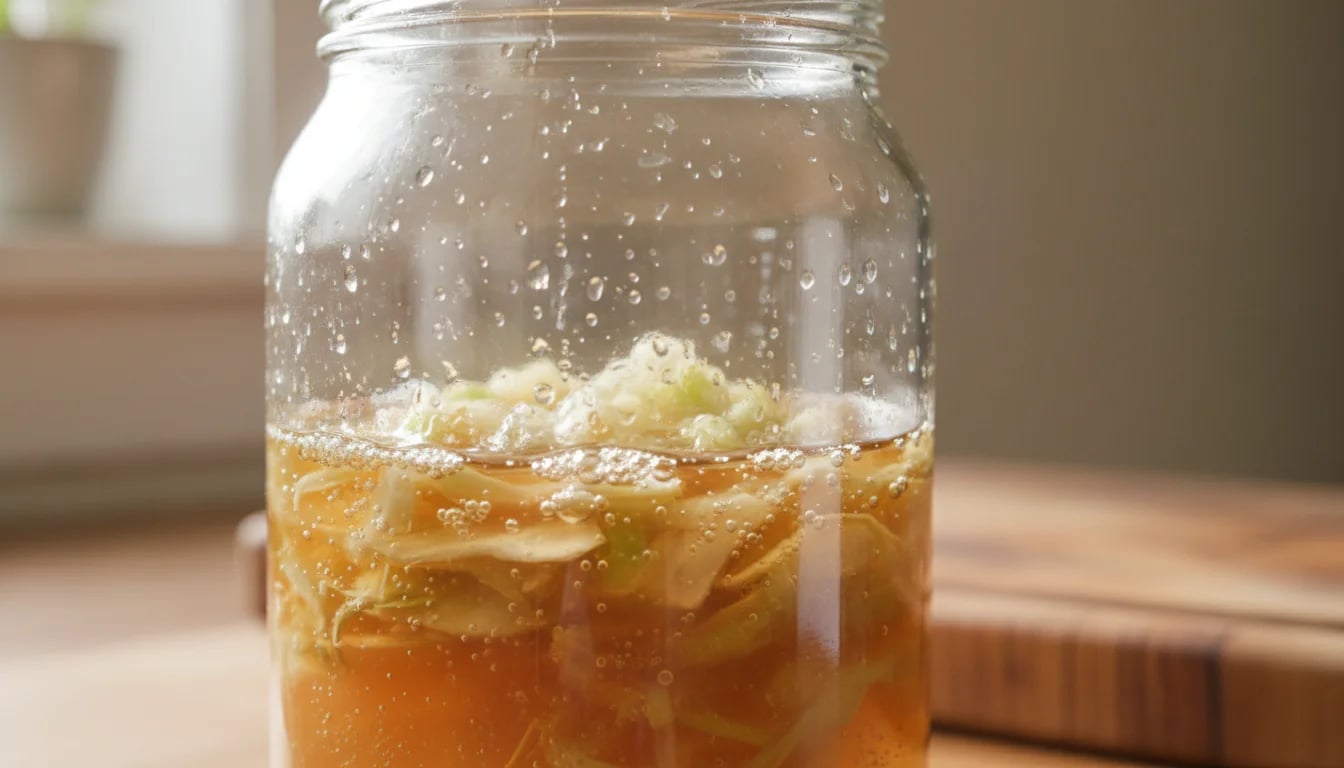
#"My Airlock Isn't Bubbling—Is Something Wrong?"
Not necessarily! Bubbling varies based on:
- Temperature: Cooler ferments produce less CO2
- Fermentation stage: Bubbling peaks in days 2-4, then slows
- Seal quality: A loose seal lets CO2 escape without bubbling through the airlock
- Vegetable type: Some vegetables produce more gas than others
If you're concerned about a quiet ferment, I wrote an entire guide on why ferments might not bubble and when it actually matters.
#"I Found Mold on My Open Ferment—Is It Ruined?"
Surface mold on an open ferment is common and usually manageable:
If you see fuzzy or colored mold (green, blue, black, pink): The safest move is to discard the whole batch — mold can send threads below the surface, so scraping the top isn't reliable. (Flat, smooth, white kahm yeast is different and harmless — that you can simply skim off and continue.)
If mold has penetrated deeply: Unfortunately, it's best to compost this batch and start fresh.
Prevention strategies:
- Keep vegetables fully submerged with proper weights
- Use adequate salt (don't go below 2% by weight)
- Ferment in a cooler spot if mold is recurring
- Consider switching to an airlock system for problem ferments
#"Can I Switch Methods Mid-Ferment?"
Absolutely! You can:
- Start in an open crock, then transfer to jars with airlocks once active fermentation begins
- Remove an airlock and switch to cloth covering if you want easier access for tasting
- Move from jar to crock or vice versa as needed
Fermentation is more forgiving than you might think. The bacteria don't care about your vessel—they care about salt, submersion, and temperature.
#My Personal Journey: From Airlock Obsession to Method Flexibility
When I first started fermenting, I was convinced I needed every piece of specialized equipment. I bought airlocks, fermentation weights, pH strips, and temperature controllers. I was certain that without these tools, my ferments would fail.
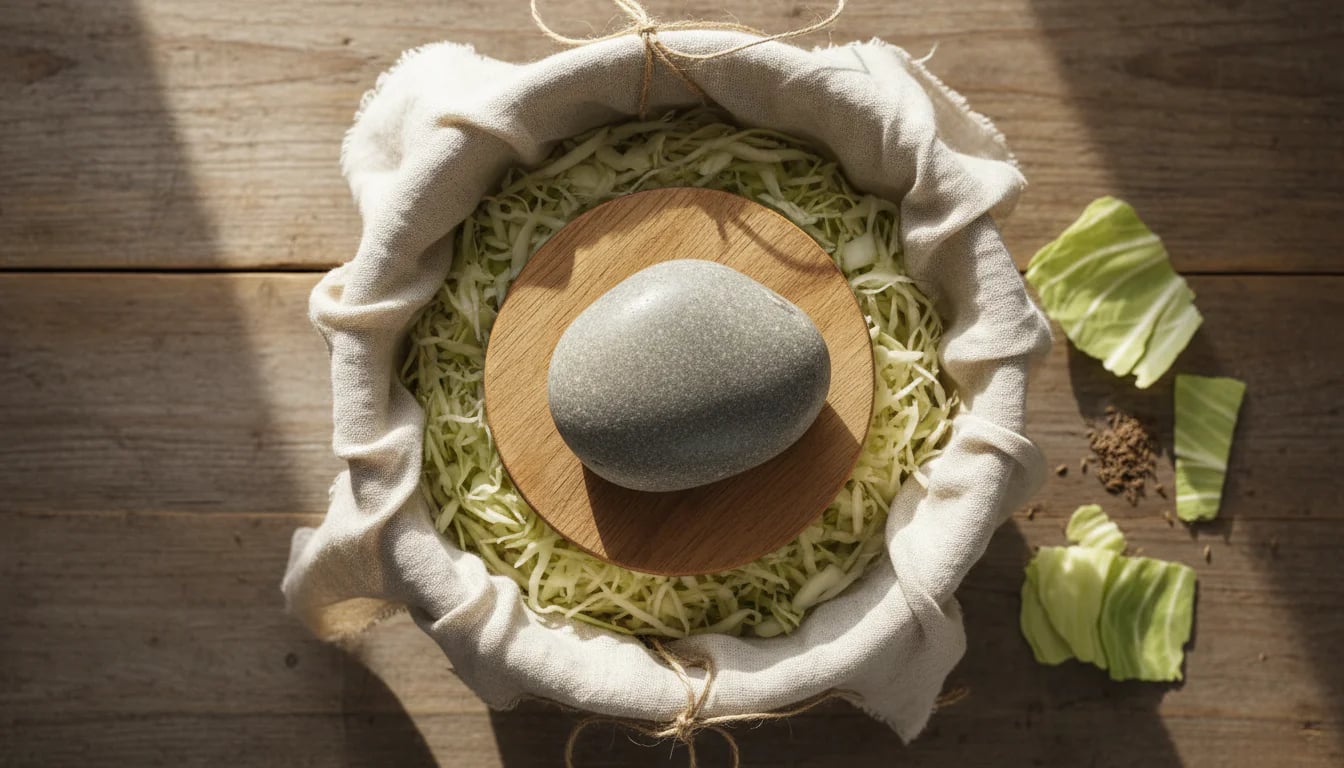
Then one summer, I visited my friend's grandmother in rural Poland. She'd been making sauerkraut for sixty years in the same ceramic crock her mother had used. No airlock. No weights—just a plate and a clean stone from the garden. No thermometer. She simply knew, by touch and smell and decades of experience, when conditions were right.
Her sauerkraut was the best I'd ever tasted.
That visit taught me something crucial: fermentation is ancient, resilient, and far more forgiving than modern anxiety would have us believe. The equipment can help, especially when you're learning or when you want to reduce daily maintenance. But the magic isn't in the tools—it's in understanding the principles.
Now I use both methods depending on the situation. For my weekly sauerkraut, I use a simple jar with a cloth cover because I enjoy the daily ritual of checking on it. For longer ferments or when I'm traveling, I reach for my fermentation crock with a water seal. Both produce beautiful, live-culture ferments.
The freedom came when I stopped asking "which method is right?" and started asking "which method serves this particular ferment, in this particular moment, in my particular life?"
#Making Your Choice: Practical Considerations
#Choose Airlock Fermentation If You:
- Live in a warm, humid climate where mold is aggressive
- Want to ferment for extended periods (weeks to months)
- Prefer a hands-off approach with minimal daily maintenance
- Are fermenting vegetables prone to surface issues (beets, carrots)
- Travel frequently and need ferments that can safely continue unsupervised
- Have limited time for daily fermentation monitoring
- Want to eliminate fruit fly concerns completely
#Choose Open Fermentation If You:
- Enjoy the daily ritual of checking and tending your ferments
- Want to start fermenting immediately without buying equipment
- Prefer easy access for tasting and adjusting during fermentation
- Are making short ferments (3-7 days) where monitoring is simple
- Value traditional methods and connection to fermentation history
- Want to develop your sensory skills by observing fermentation closely
- Are fermenting in cooler conditions where mold is less aggressive
#Consider a Hybrid Approach If You:
- Want flexibility to match method to specific ferments
- Enjoy experimenting and comparing results
- Have a variety of fermentation projects at different stages
- Want to learn deeply about how different conditions affect outcomes
Remember: you're not making a permanent commitment. Start with whatever method feels most accessible, then experiment as you gain confidence.
#The Bottom Line: Principles Over Equipment
After years of fermenting and countless conversations with both traditional fermenters and modern enthusiasts, here's what I've learned: the method matters far less than the principles.
The non-negotiables for successful fermentation:
- Adequate salt: Usually 2-2.5% by weight for vegetables
- Venting: Fermentation gases must be able to escape — via an airlock, a loose/cloth cover, or by burping a tight jar. A fully sealed rigid jar can build pressure and even rupture.
- Submersion: Keep vegetables under brine to create anaerobic conditions
- Appropriate temperature: Most vegetables ferment best between 65-75°F
- Cleanliness: Clean (not sterile) equipment and hands
- Quality ingredients: Fresh vegetables and pure salt without additives
- Patience: Give fermentation time to work its magic
Get these fundamentals right, and your ferments will succeed whether you're using a high-tech airlock system or your grandmother's ceramic crock.
The airlock vs. open fermentation debate isn't really about which method is "better"—it's about understanding what each approach offers and choosing based on your specific needs, environment, and preferences.
Some ferments genuinely require one method or the other (kombucha needs air, hot sauce prefers sealed). But for the vast majority of vegetable ferments, both methods work beautifully. The "best" method is the one that fits your life and helps you actually do the fermenting.
Because here's the real secret: the best fermentation method is the one you'll actually use consistently. A simple jar with a cloth cover that you check daily will produce better results than an expensive airlock system that sits unused in your cabinet.
Start where you are. Use what you have. Learn as you go. Your gut microbiome doesn't care whether your sauerkraut was made with an airlock or under a cloth—it just appreciates the diverse, living bacteria you're feeding it.