Have you ever wondered why some yogurt makers work beautifully for regular yogurt but fail miserably when you're trying to culture L. reuteri or other therapeutic probiotic strains? After years of experimenting with different equipment and making batch after batch of probiotic yogurt for my family, I discovered something that changed everything.
Making therapeutic yogurt—especially strains like L. reuteri that require precise, extended fermentation times—isn't quite the same as making regular yogurt. The temperature needs to be exact, the fermentation time is much longer (often 36 hours), and you need equipment that won't quit on you halfway through. Let's explore what actually works, from budget-friendly options to the professional-grade solution that's become my absolute favorite.
#Why L. Reuteri Yogurt Needs Different Equipment
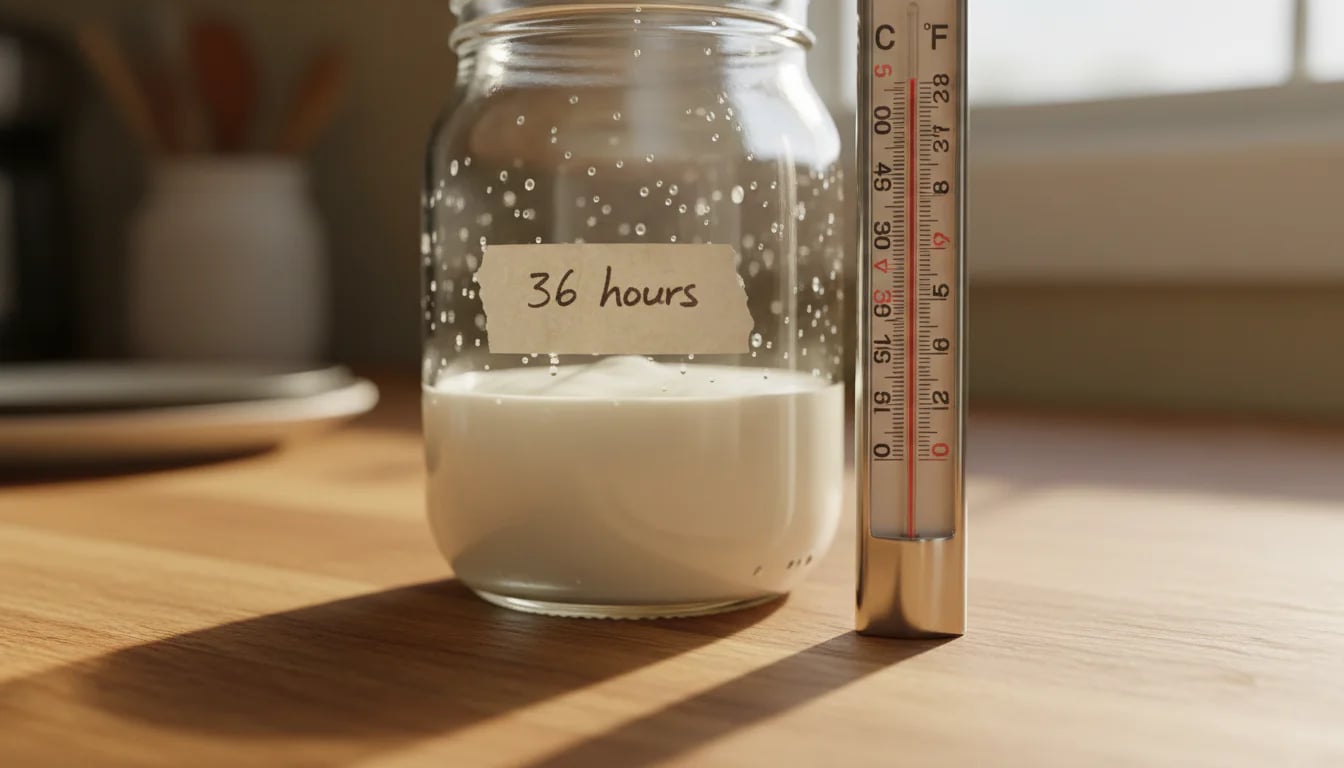
Before we dive into specific yogurt makers, let's talk about why L. reuteri and other therapeutic probiotic yogurts are so demanding. Unlike regular yogurt cultures that ferment happily at around 110°F (43°C) for 8-12 hours, L. reuteri thrives at a lower temperature—around 100°F (37.8°C)—and needs a much longer fermentation time of 36 hours or more.
This creates three critical requirements:
Temperature Precision: Even a few degrees off can mean the difference between thriving beneficial bacteria and a failed batch. L. reuteri is particular about its environment.
Temperature Stability: Your equipment needs to maintain that precise temperature for 36+ hours without fluctuation. Many standard yogurt makers simply aren't built for this marathon.
Reliability: When you're fermenting for a day and a half, you need equipment that won't overheat, shut off unexpectedly, or drift in temperature. This is where many budget options fall short.
A note on health information: The information shared here is for educational purposes only and is not intended as medical advice. Always consult with a healthcare professional before making changes to your diet, especially if you have existing health conditions or are taking medications.
#My Personal Journey: Finding the Perfect Solution
Let me share what led me to my current setup. My family eats probiotic yogurt every single morning—it's become a non-negotiable part of our wellness routine. When I first started making L. reuteri yogurt, I tried a standard electric yogurt maker. It worked... sort of. The temperature would drift, batches would fail, and after a few months of heavy use, the heating element started acting up.
I needed something that could handle frequent use, maintain rock-solid temperature control, and allow me to make large batches—around 8 liters at a time—because with daily consumption, I'm making yogurt quite often. That's when I discovered the Anova Culinary Sous Vide Precision Cooker Pro.
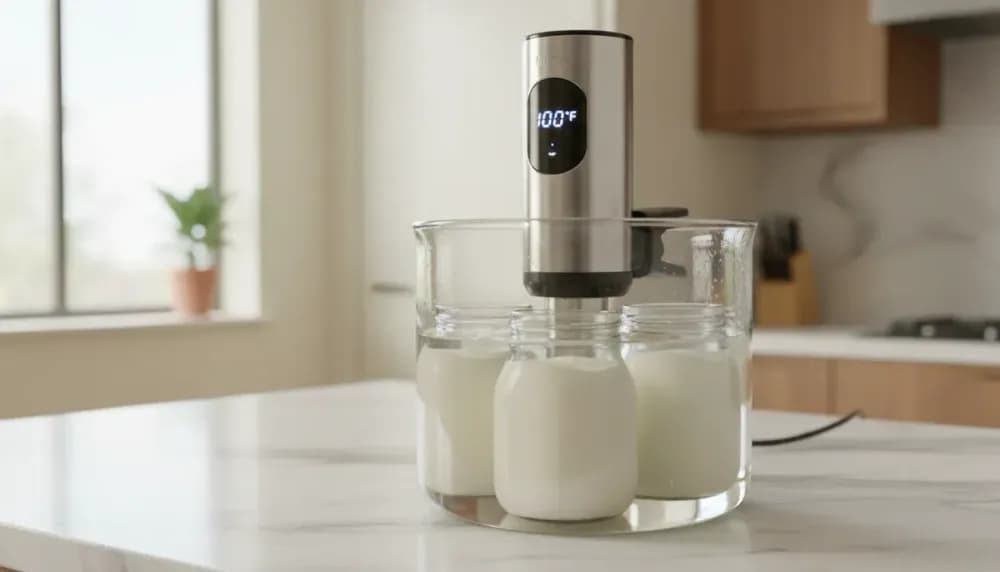
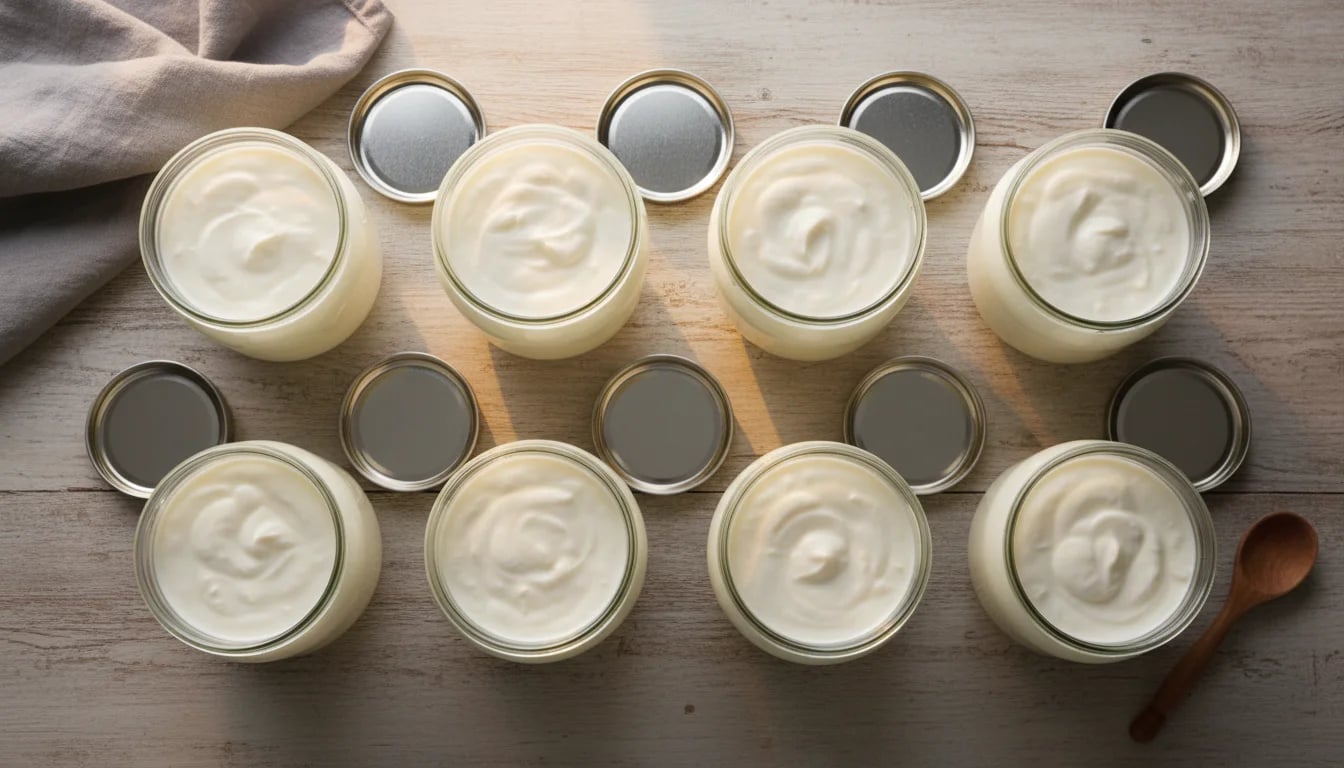
This wasn't just a good solution—it was a revelation. The Anova Pro maintains temperature with incredible accuracy, it's built like a tank to work thousands of hours, and the support from the Anova team has been fantastic. I use it with eight 32 oz jars in a 26-liter water bath, and I can literally set it and forget it. It has its own app, WiFi connectivity, and a timer. The best part? If I wanted to make less or more yogurt, I could—it only depends on the size of your water bath and how many jars with proper lids you have available.
Don't get me wrong, there are wonderful dedicated yogurt maker options out there. But in my personal opinion, after years of experimentation, the sous vide solution is simply the best for serious probiotic yogurt making.
#The Sous Vide Method: Why It's Ideal for Probiotic Yogurt
Let's talk about why the sous vide approach works so brilliantly for therapeutic yogurt:
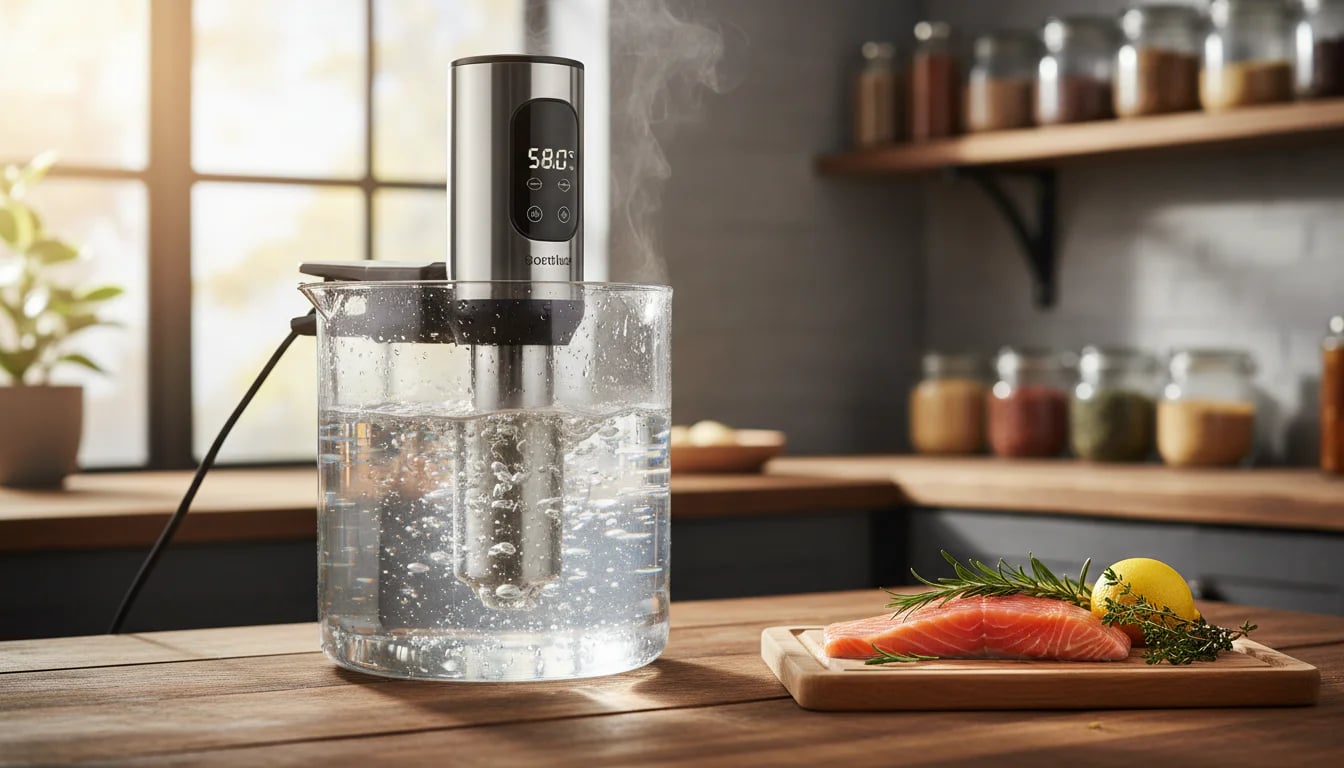
Unmatched Temperature Accuracy: Sous vide precision cookers are designed to maintain water temperature within 0.1°F. This level of precision is exactly what L. reuteri needs.
Infinite Scalability: Want to make one jar? Eight jars? Twelve jars? Your sous vide setup can handle whatever fits in your water bath. This flexibility is incredible when you're feeding a family or experimenting with different batches.
Multi-Purpose Investment: Here's the beautiful part—when you're not making yogurt, you're using it for perfectly cooked steaks, tender pulled pork, or any number of other culinary applications. It's not a single-use appliance gathering dust in your cabinet.
Built for Endurance: Professional-grade sous vide cookers like the Anova Pro are engineered to run for days at a time. A 36-hour yogurt fermentation? That's nothing for equipment designed for commercial kitchens.
Smart Features: Modern sous vide cookers come with apps, timers, and WiFi/Bluetooth connectivity. You can monitor your fermentation from anywhere, get alerts when it's done, and track your batches over time.
The setup is straightforward: you'll need your sous vide precision cooker, a large container or pot for your water bath (I use a 26-liter container), and mason jars with lids for your yogurt. You can even use the same fermentation jars you might use for other fermentation projects, as long as they're heat-safe.
#Other Yogurt Maker Options Worth Considering
While I'm passionate about the sous vide method, I want to acknowledge that it's not the only path to success. Here are other options that work well for probiotic yogurt:
#Dedicated Yogurt Makers with Temperature Control
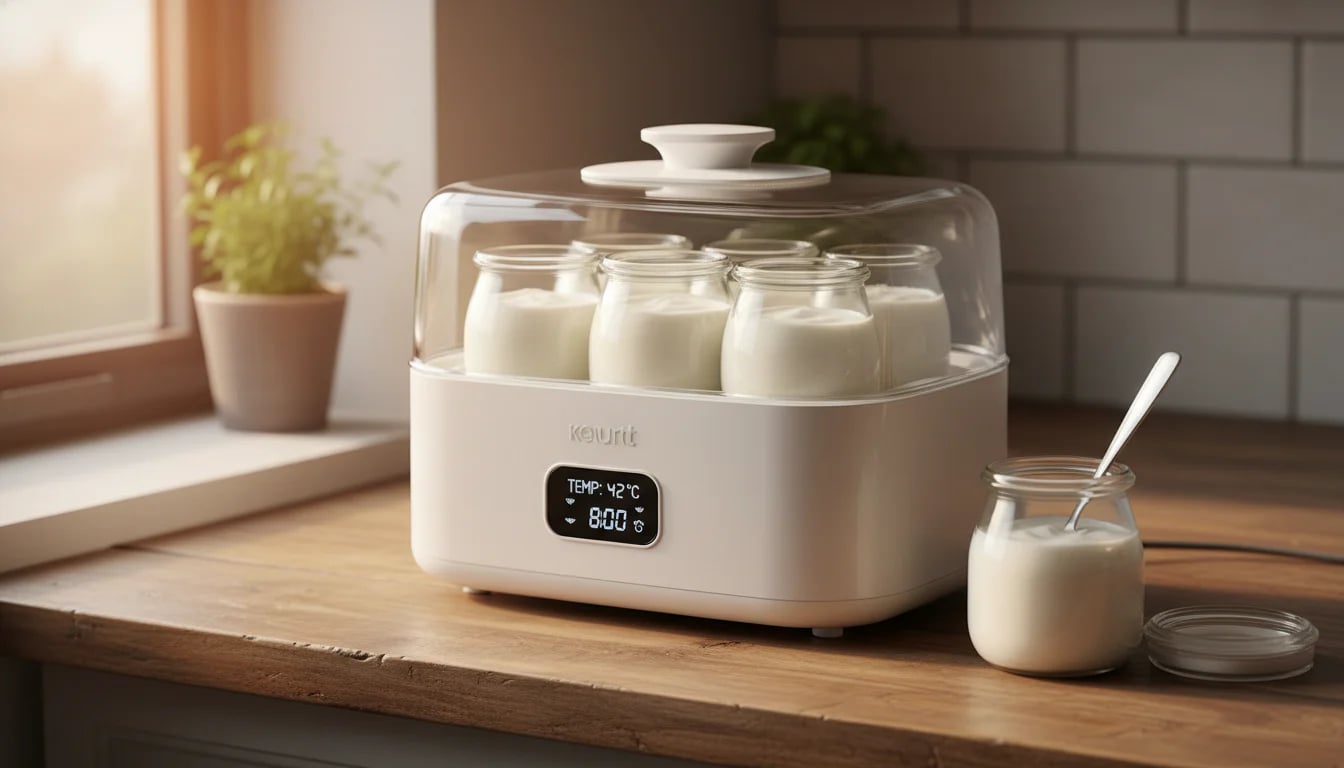
Some higher-end yogurt makers offer adjustable temperature settings and can maintain lower temperatures for extended periods. Look for models that:
- Allow you to set specific temperatures (not just "yogurt" mode)
- Have proven reliability for 36+ hour fermentation times
- Come with multiple jars or a large capacity container
- Have positive reviews specifically for L. reuteri or long-fermentation yogurts
The advantage here is simplicity—these are purpose-built for yogurt making. The disadvantage is that they're single-use appliances.
#Instant Pot with Yogurt Function
Many people have success using an Instant Pot's yogurt function for probiotic yogurt. The key is finding models that allow you to customize the temperature and time. Some fermenters report good results, though you'll want to verify the actual temperature with a separate thermometer, as some units can run slightly warm.
#Dehydrator Method
Food dehydrators with adjustable temperature controls can work surprisingly well. Place your jars of inoculated milk inside, set the temperature to 100°F, and let it run. This method offers good temperature stability and can handle multiple jars. The main drawback is that you're tying up your dehydrator for a day and a half.
#DIY Solutions: Coolers and Heating Pads
For the budget-conscious or experimentally minded, some people create DIY yogurt incubators using coolers, heating pads, and temperature controllers. While this can work, it requires more monitoring and adjustment. If you're making yogurt regularly, investing in reliable equipment usually pays off in consistency and peace of mind.
#Essential Considerations When Choosing Your Equipment
As you evaluate your options, here are the key factors to consider:
Frequency of Use: If you're making yogurt weekly or more often (like my family does), invest in professional-grade equipment. It'll pay for itself in reliability and consistency.
Batch Size Needs: How much yogurt does your household consume? If you're making large batches regularly, scalability matters. The sous vide method shines here because you can adjust your batch size easily.
Temperature Accuracy: This cannot be overstated for therapeutic probiotic strains. If you're working with L. reuteri or other temperature-sensitive cultures, precision is non-negotiable.
Multi-Purpose Value: Consider whether you want dedicated equipment or something that serves multiple purposes in your kitchen. The sous vide cooker wins on versatility.
Budget: Quality equipment is an investment, but failed batches and unreliable results cost money too. Sometimes it's worth saving up for equipment that will serve you well for years.
Space: Do you have room for a large water bath setup, or do you need something more compact? Be honest about your kitchen space constraints.
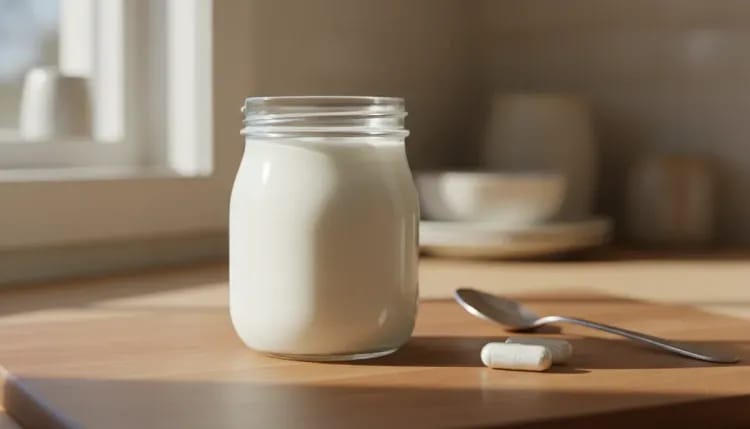
You'll also want to make sure you have quality starter cultures. The BioGaia Gastrus L. Reuteri Probiotic Starter is a popular choice for making therapeutic L. reuteri yogurt, providing the specific strains many people are seeking.
#Tips for Success Regardless of Your Equipment Choice
No matter which yogurt-making method you choose, these practices will help ensure success:
Verify Your Temperature: Even with precise equipment, it's worth checking the actual temperature with a reliable thermometer, especially for your first few batches. Temperature is everything with L. reuteri.
Use Quality Milk: The better your starting milk, the better your yogurt. Many people prefer organic, grass-fed whole milk for both flavor and nutritional benefits.
Sterilize Everything: Clean jars, utensils, and work surfaces prevent unwanted bacteria from competing with your probiotic cultures.
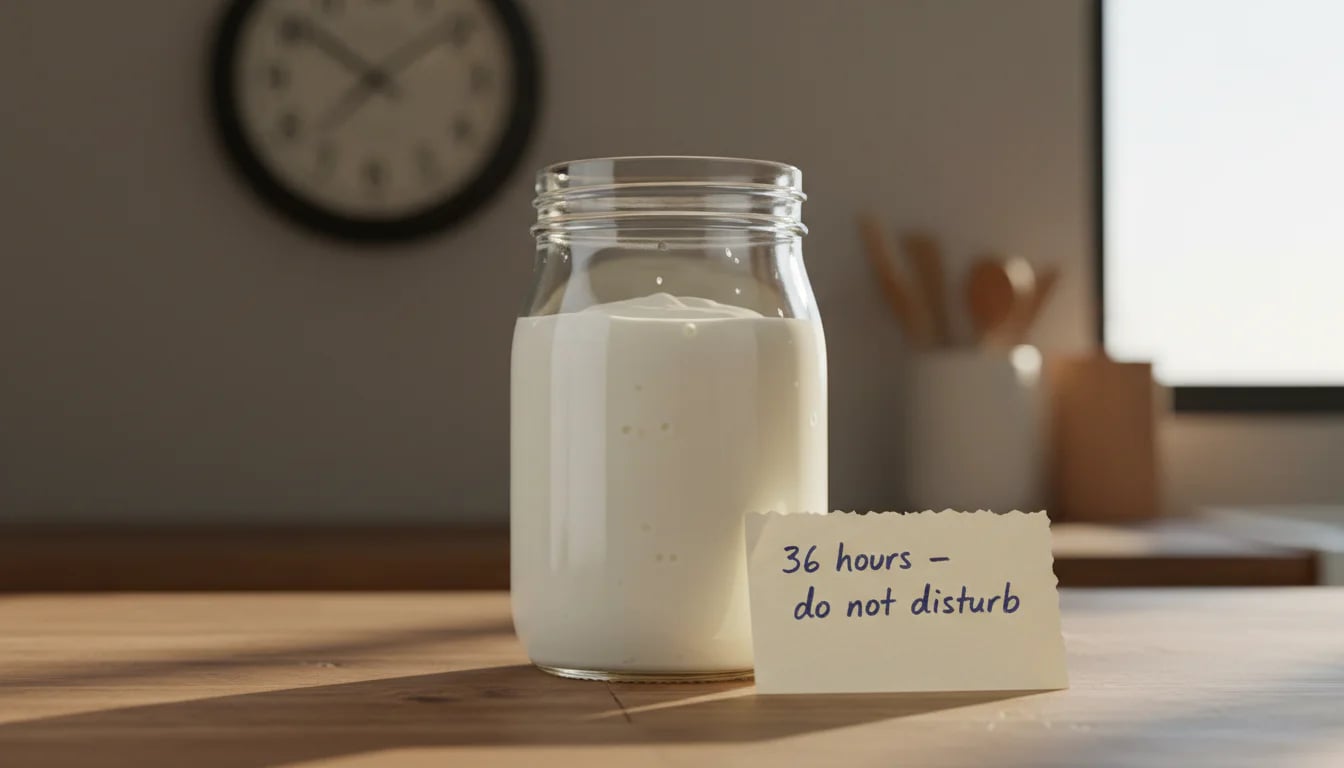
Be Patient: L. reuteri yogurt takes time—typically 36 hours. Resist the urge to check it constantly or move it around. Let the fermentation happen undisturbed.
Keep Notes: Track your batches—temperature, time, milk type, results. You'll quickly learn what works best in your specific setup.
Start with Small Batches: Until you've dialed in your process, make smaller batches. Once you've got it down, scale up with confidence.
If you're interested in exploring other fermentation projects while your yogurt cultures away, you might enjoy trying fermented cashew milk or fermented nut milk for dairy-free probiotic options.
#The Bottom Line: Choose What Works for Your Life
Here's what I've learned after years of making therapeutic probiotic yogurt: the best equipment is the equipment you'll actually use consistently.
For me and my family, the Anova Culinary Sous Vide Precision Cooker Pro has been absolutely transformative. The precision, reliability, scalability, and multi-purpose functionality make it worth every penny. When you're making 8 liters of yogurt regularly and using the same device for incredible meals throughout the week, it's an investment that pays dividends.
But maybe you're just starting out, or you prefer a dedicated yogurt maker, or you want to experiment with a DIY setup first. That's completely valid. The most important thing is that you find a solution that maintains accurate temperature, fits your lifestyle, and makes the process enjoyable rather than stressful.
Yogurt making—especially therapeutic probiotic yogurt—should feel like a nurturing ritual, not a source of anxiety. When you have equipment you trust, the process becomes meditative. You're not worrying about temperature fluctuations or equipment failures. You're simply creating nourishment for yourself and the people you love.
What matters most isn't the specific brand or method you choose. It's that you find an approach that works reliably for you, that fits your budget and space, and that you'll stick with long enough to experience the benefits of regular probiotic yogurt consumption.
For more guidance on SIBO yogurt fermentation, check out our 2025 SIBO Yogurt Update.
Disclaimer: This article is for informational and educational purposes only. It is not intended to be a substitute for professional medical advice, diagnosis, or treatment. Individual results may vary. Please consult your healthcare provider before beginning any new dietary practice, especially if you have a medical condition or take medications.