
Finding your way through the fermentation maze when your small intestine has other plans
Introduction — When Gut Health Advice Backfires
"Eat fermented foods for gut health!" they said. "Load up on probiotics!" they promised.
But what if your gut rebels against the very foods meant to heal it? What if that expensive kombucha makes you feel like you swallowed a balloon? What if your artisanal sauerkraut turns you into a human wind turbine?
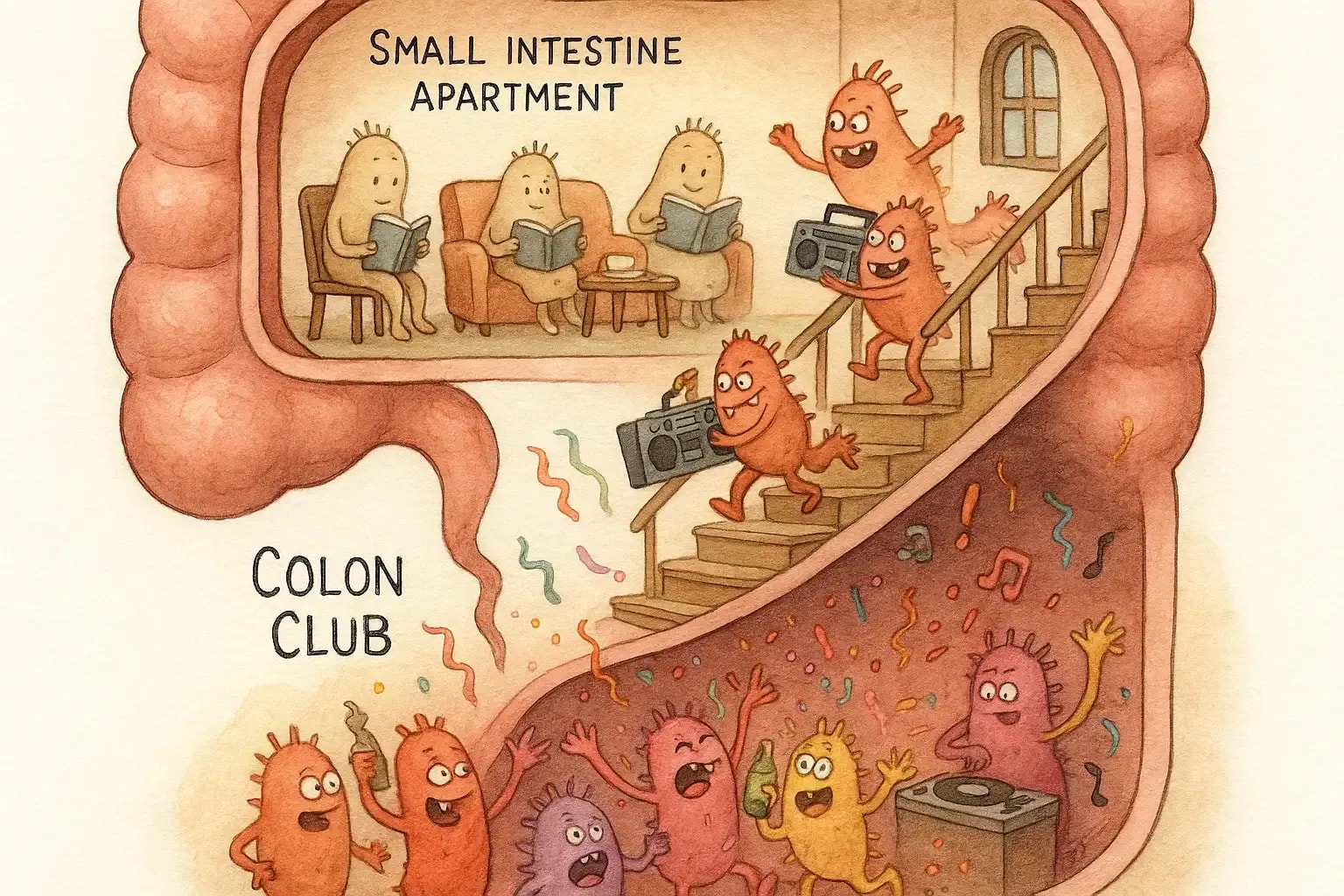
Welcome to the confusing world of SIBO — where bacteria have moved into the wrong neighborhood and thrown a party in your small intestine. It's like having upstairs neighbors who blast music at 3 AM, except the neighbors are microbes and the music is your digestive distress.
The good news? You don't have to abandon fermentation entirely. You just need a different playbook.
Key Takeaways
- SIBO changes the rules: with SIBO, even beneficial bacteria in fermented foods can add to an overcrowded small intestine and worsen bloating and gas.
- Some ferments are riskier initially: many people with SIBO find kombucha, water kefir, store-bought yogurt, and traditional kimchi hard to tolerate at first.
- Long fermentation helps: extended fermentation (30+ day sauerkraut, 36-hour yogurt) consumes sugars and lactose, which may make ferments more SIBO-friendly.
- Start low and slow: with SIBO, consider introducing fermented foods in tiny amounts, tracking symptoms, and increasing only as your body tolerates them.
- This isn't medical advice: SIBO is complex, so consider working with a knowledgeable practitioner rather than self-treating based on general guidance.
Understanding SIBO Without the Medical Degree

What Is Small Intestinal Bacterial Overgrowth?
Picture your digestive tract as a two-story house. The small intestine (upstairs) should be relatively quiet with just a few bacterial residents. The colon (downstairs) is where the real microbial party happens — trillions of bacteria doing their thing.
SIBO occurs when the downstairs party crashes upstairs. Bacteria that belong in your colon migrate up and colonize your small intestine, where they feast on your food before you can absorb it. The result? Gas, bloating, pain, and a host of other symptoms that make you wonder if you'll ever feel normal again.
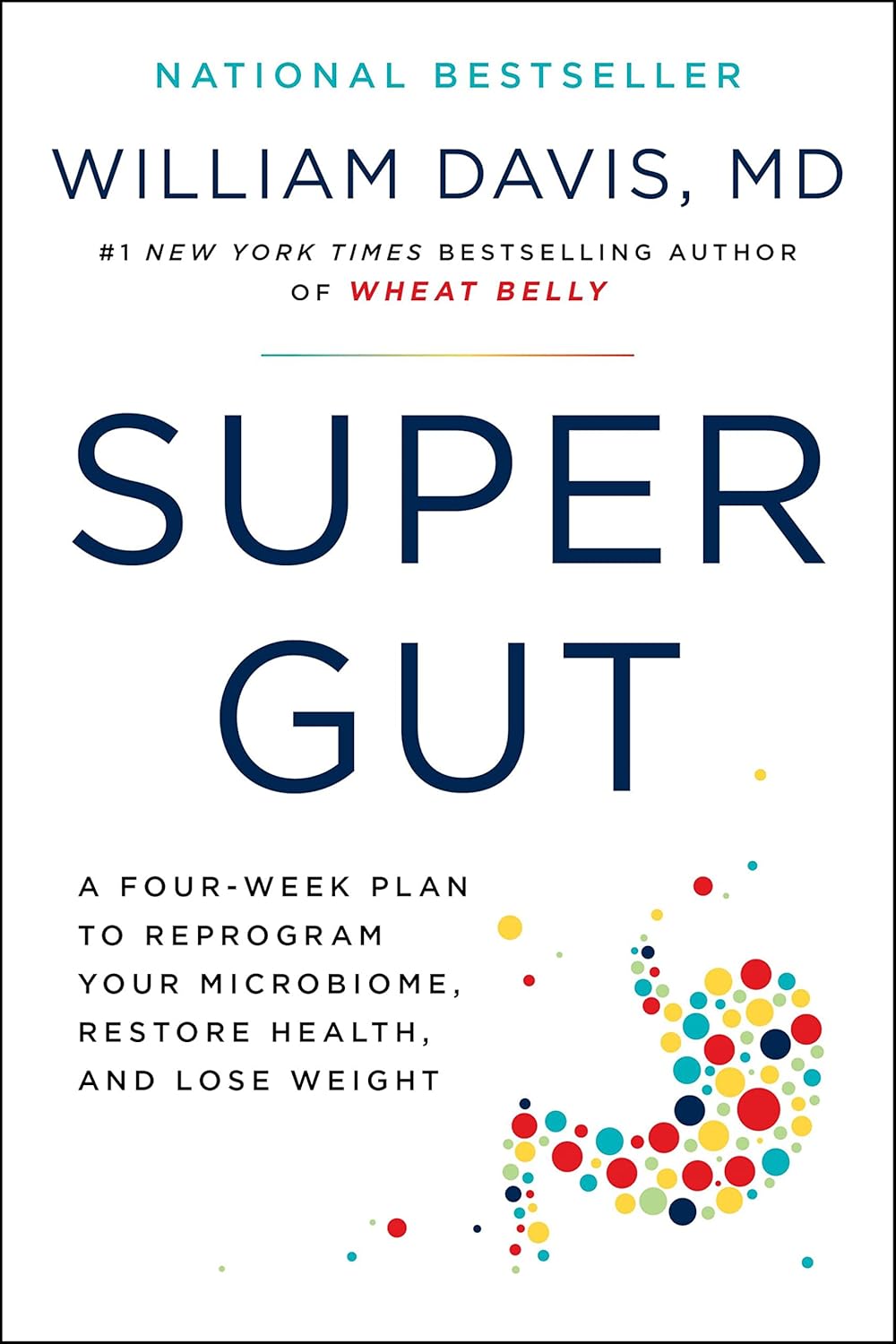
According to Dr. William Davis, author of Super Gut, approximately half the U.S. population may have some degree of SIBO — a silent epidemic caused by our modern lifestyle of antibiotics, processed foods, and stress.
Why Traditional Fermented Foods Can Make SIBO Worse
Here's the cruel irony: those beneficial bacteria in your kombucha? They're adding to an already overcrowded small intestine. It's like trying to solve a traffic jam by adding more cars.
When you have SIBO, even "good" bacteria can become problematic because:
- They're fermenting food in the wrong location (small intestine vs. colon)
- They're producing gas where gas shouldn't be produced
- They're competing with you for nutrients
- They might be feeding the problematic bacteria already there
If you're new to fermentation and wondering about the basics, check out our guide on how fermentation can transform your microbiome — but keep reading to understand the SIBO-specific considerations.
The SIBO Fermentation Spectrum: Navigate Like a Pro
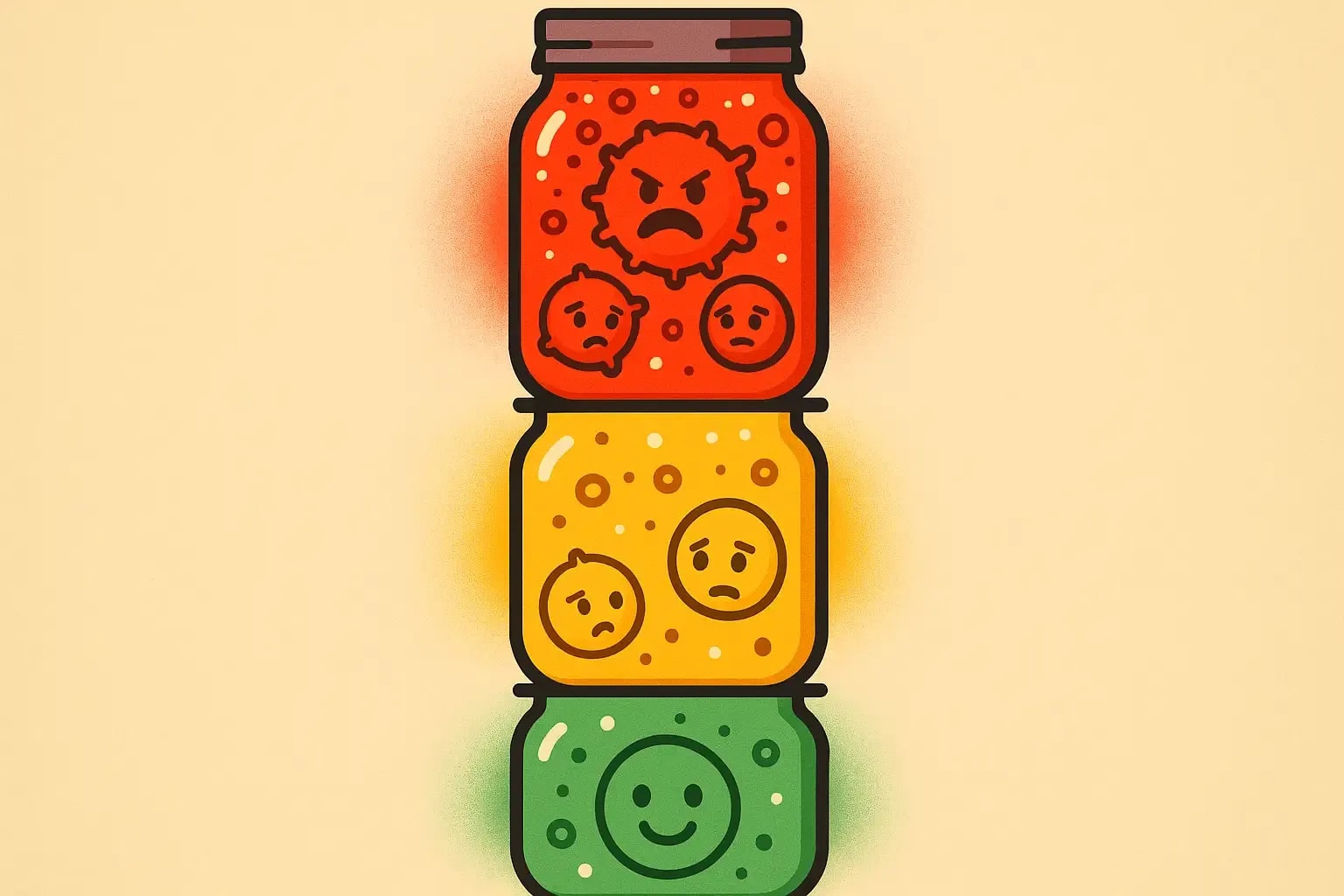
Not all fermented foods are created equal when it comes to SIBO. Think of this as a traffic light system for your gut:
🔴 Red Zone: Fermented Foods to Avoid (Initially)
Kombucha — That fizzy tea might be trendy, but it's loaded with residual sugars and wild yeasts that SIBO bacteria love. While kombucha can be beneficial for healthy guts, with SIBO it's best to avoid it initially.
Water Kefir — Similar issue: high in fermentable sugars that feed the wrong crowd. If you're curious about kefir options, our article on milk kefir versus water kefir explains the differences — but for SIBO, even milk kefir needs special preparation.
Store-bought Yogurt — Most commercial yogurts are only fermented for 6-8 hours, leaving plenty of lactose for bacteria to feast on. Not SIBO-friendly.
Traditional Kimchi — The garlic and onion are high-FODMAP ingredients that can trigger symptoms. Our kimchi guide shows traditional methods, but SIBO sufferers need modifications.
Young Fermented Vegetables — If they've only fermented for a few days, they still contain fermentable carbs.
🟡 Yellow Zone: Proceed with Caution
Long-fermented Sauerkraut (30+ days) — Extended fermentation consumes most sugars, making it potentially tolerable in small amounts. Use proper fermentation jars with tight-fitting lids for best results.
Fermented Ginger — Anti-inflammatory properties might outweigh risks for some.
Properly Made Coconut Yogurt — If fermented for 36 hours to consume all sugars.
🟢 Green Zone: SIBO-Safe Fermented Foods
This is where things get interesting — and hopeful.
The Game-Changer: 36-Hour SIBO Yogurt

Why 36-Hour Fermentation Makes All the Difference
Here's what most people don't know: fermentation time changes everything. Dr. Davis's research shows that bacterial counts only start to significantly increase after 24 hours of fermentation, with optimal results at 36 hours.
Regular yogurt (6-8 hours): Still contains lactose, lower bacterial counts 36-hour yogurt: Lactose fully consumed, exponentially higher probiotic counts
The extended 36-hour fermentation:
- Completely consumes lactose (no food for SIBO bacteria)
- Produces bacterial counts of 250-260 billion CFUs per half-cup
- Creates a pH environment hostile to pathogenic bacteria
SIBO-Specific Probiotic Strains That Actually Help

Not all probiotics are created equal. While most commercial probiotics might make SIBO worse, specific strains can actually help:
L. reuteri — This superhero colonizes the upper GI tract (where SIBO occurs) and produces bacteriocins — natural antibiotics that kill SIBO species like E. coli and Klebsiella. Dr. Davis reports that L. reuteri is so effective that microbiologists use it to clean bacterial production vats.
L. gasseri BNR17 — Produces up to 7 different bacteriocins, making it a "virtual bacteriocin powerhouse" according to Dr. Davis's research.
Bacillus subtilis — The new kid on the block, replacing B. coagulans in many protocols due to better fermentation reliability.
How to Make SIBO-Safe 36-Hour Yogurt
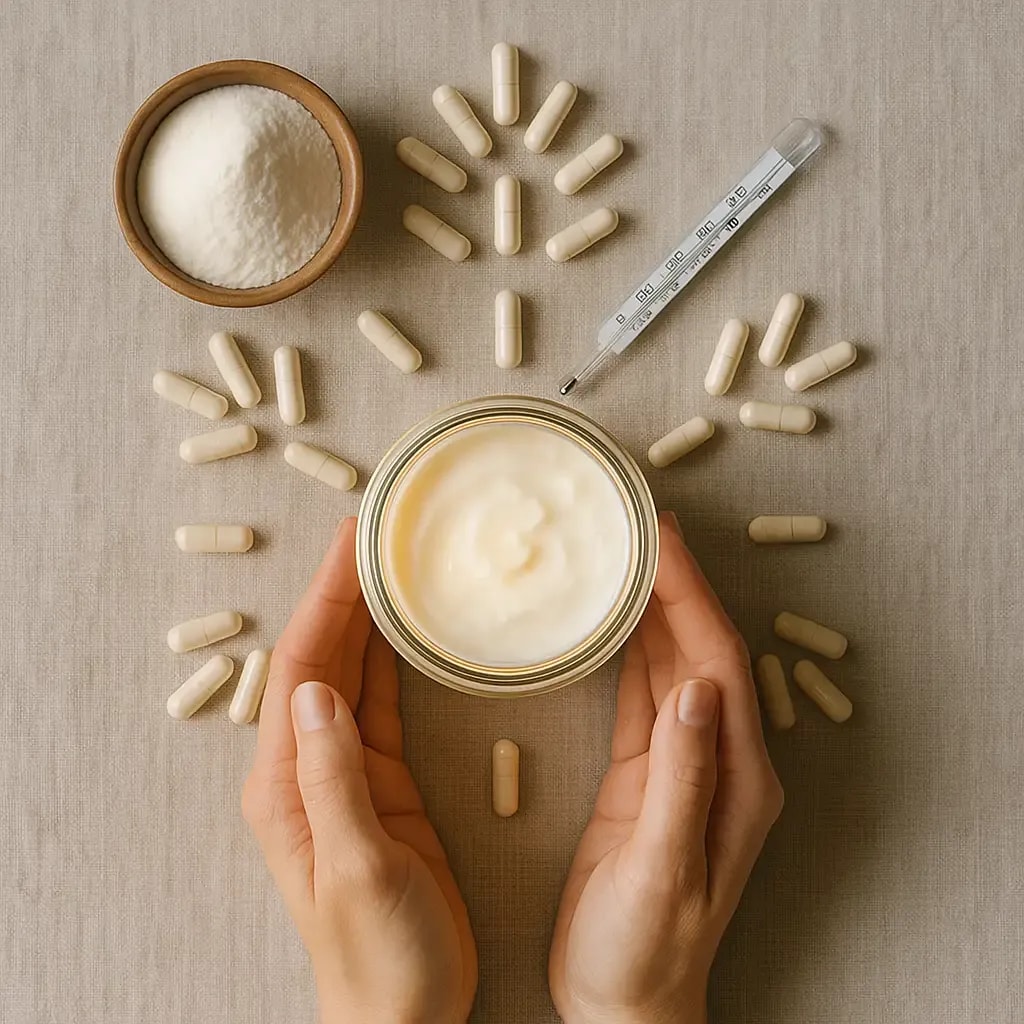
Dr. Davis's SIBO yogurt is a carefully curated blend of three probiotic species chosen for their ability to colonize the upper GI tract and produce bacteriocins — natural antibiotics that combat SIBO species. By fermenting all three together, we limit the potency of L. gasseri (which can be quite strong) to avoid excessive die-off reactions.
Super Gut SIBO Yogurt Recipe:
Ingredients:
- 10 BioGaia Gastrus tablets, crushed (total 2 billion CFUs) OR 2 tablespoons L. reuteri yogurt
- 1 capsule Lactobacillus gasseri BNR17 (10 billion CFUs) OR 2 tablespoons L. gasseri yogurt
- 1 capsule Bacillus coagulans GBI-30,6086 (2 billion CFUs) OR 2 tablespoons B. coagulans yogurt
- 2 tablespoons prebiotic fiber (inulin or raw potato starch)
- 1 quart organic half-and-half (or other liquid)
Instructions:
- In a medium bowl, combine the probiotic starters and prebiotic fiber with 2 tablespoons of half-and-half
- Mix thoroughly to create a slurry — this prevents the prebiotic fiber from clumping
- Stir in the remaining half-and-half until well combined
- Cover lightly with plastic wrap
- Place in your fermenting device set to 106°F (not 100-110°F)
- Ferment for 36 hours
- For future batches, use 2 tablespoons of curds or whey from this batch
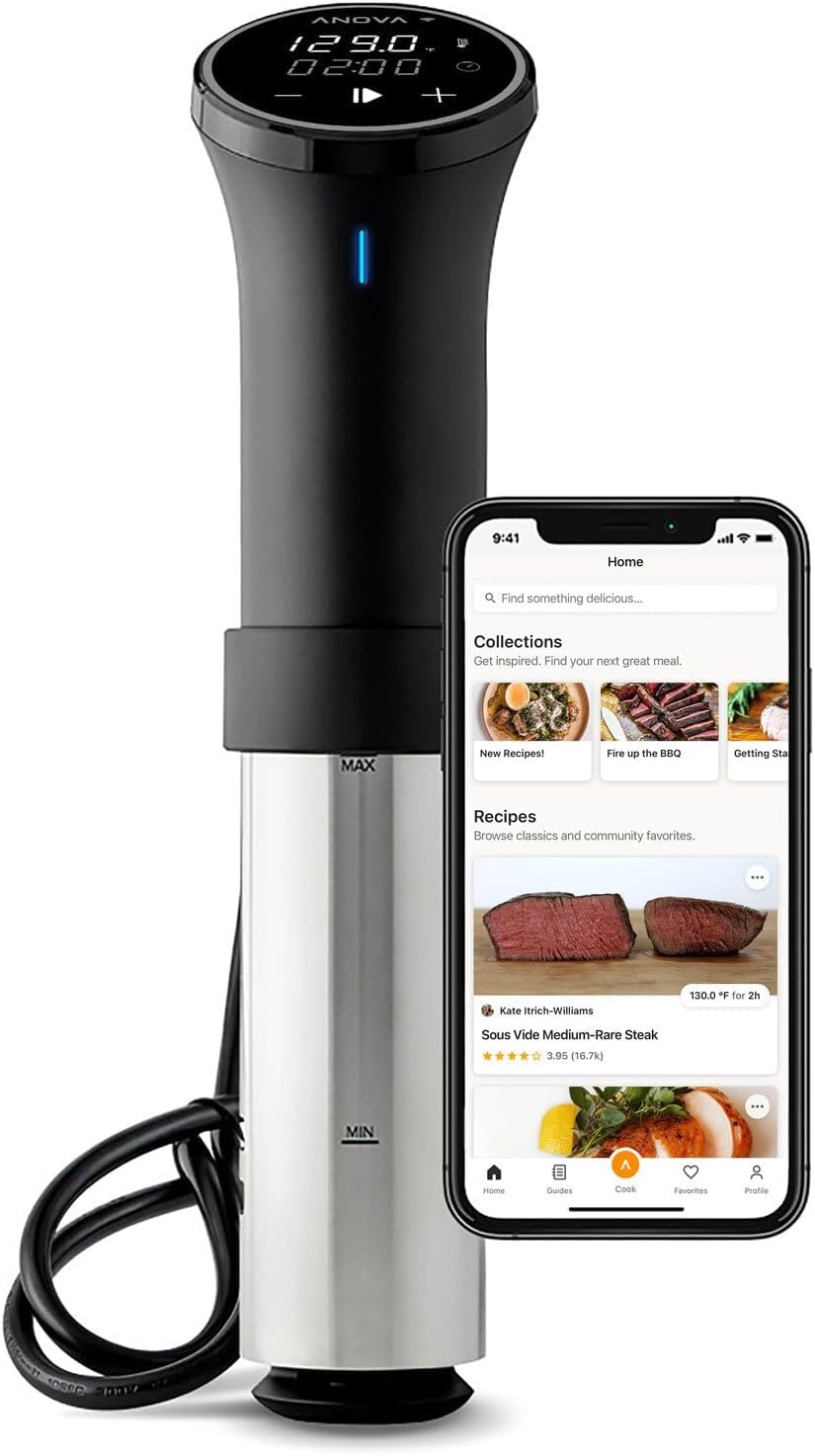
Temperature Control is Critical: The 106°F temperature is specific to this blend. An Anova Precision Cooker or the more compact Anova Nano provides laboratory-level temperature control for perfect results. A yogurt maker or Instant Pot with precise temperature control also works well.
Note: You can start with individual probiotic capsules OR use yogurt from separately fermented batches of each strain. Many people find success starting with the raw probiotics for their first batch. Also, while this is Dr. Davis's original recipe from Super Gut, some practitioners now substitute Bacillus subtilis for B. coagulans due to fermentation reliability. Either strain can work.
The Low Fermentation Diet Approach
Developed by Cedars-Sinai researchers, the Low Fermentation Eating (LFE) protocol focuses on foods bacteria can't easily ferment. But here's the kicker: it's not meant to be forever. Most SIBO diets should only be followed for 4-6 weeks to avoid negatively impacting your microbiome diversity.
The secret sauce? Meal spacing. Allow 4+ hours between meals to let your migrating motor complex (MMC) do its cleaning wave action, sweeping bacteria back where they belong.

Your Personal SIBO Fermentation Roadmap
Testing Your Tolerance: The Smart Approach
Start small. Really small. Like, teaspoon small.
Dr. Davis recommends starting with just 1-2 tablespoons of SIBO yogurt if you're sensitive. Why? Because when the good bacteria start killing the bad ones, you might experience "die-off" symptoms:
- Headache
- Fatigue
- Anxiety
- Temporary worsening of symptoms
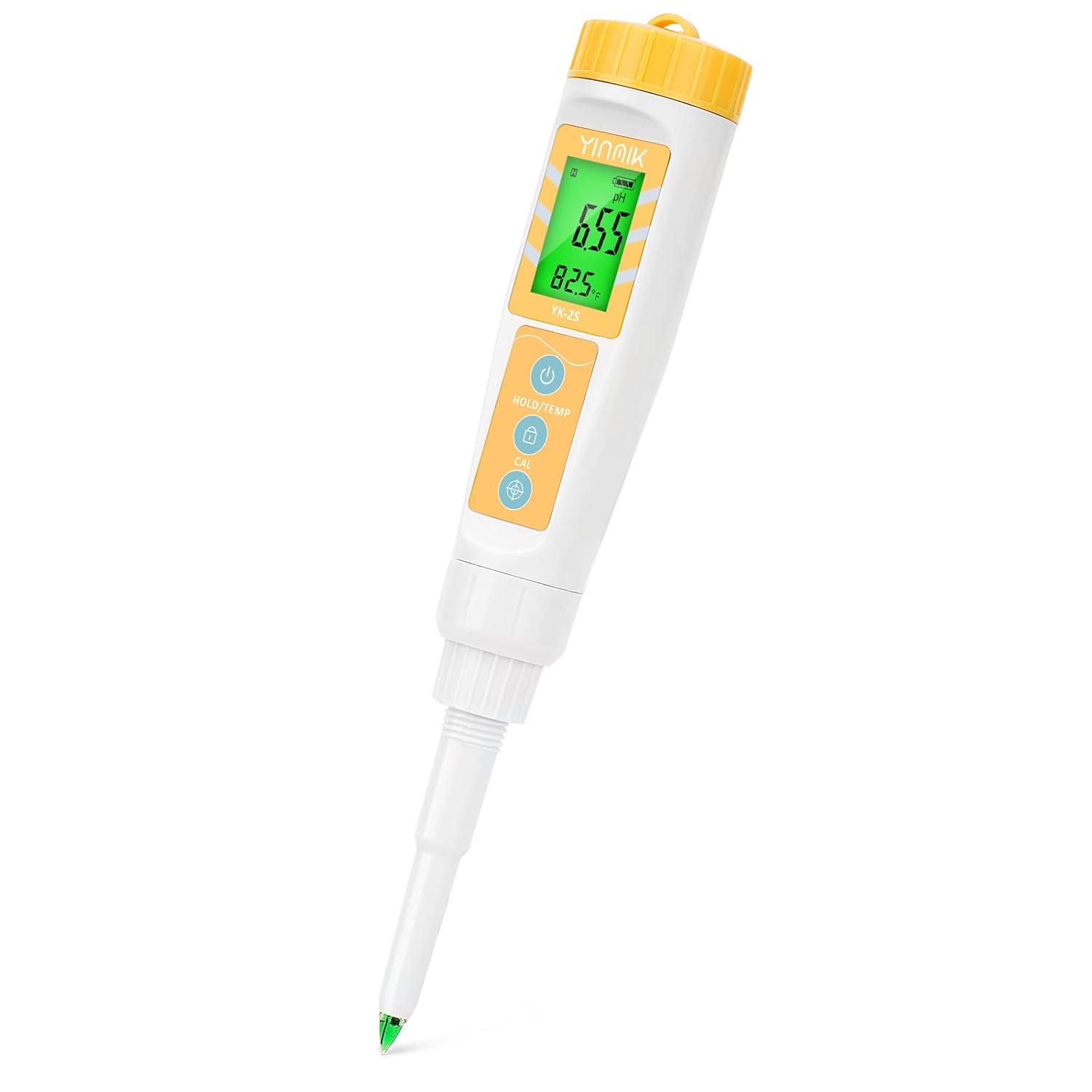
This isn't failure — it's progress. Your body is clearing out the troublemakers. Monitor your pH levels with a digital pH meter to ensure your ferment is properly acidified (below 4.5).

Reading Your Body's Signals
Green lights:
- Gradual improvement in bloating
- Better digestion over time
- Improved mood and sleep (thanks to L. reuteri's oxytocin effects)
Red flags:
- Immediate severe bloating
- Persistent diarrhea
- Worsening brain fog
Practical Tips for SIBO-Safe Fermentation
- Time is your friend: Minimum 36 hours for SIBO yogurt, 30+ days for vegetables
- Temperature matters: Precision is key — guessing doesn't cut it
- Choose wisely: Start with single-strain yogurts before trying blends
- Space it out: Don't take SIBO yogurt with other probiotics initially
- Track everything: Symptoms, timing, amounts — data is power
For those interested in the mindful approach to fermentation and healing, fermentfulness.com offers resources on viewing fermentation as "ancient wisdom for modern living" — a philosophy that aligns perfectly with the patience required for SIBO recovery.

The Bottom Line: Your Gut, Your Rules

SIBO turns conventional gut health wisdom upside down. What helps most people might hurt you — at least initially. But with the right approach, specific strains, and proper fermentation techniques, you can still harness the power of beneficial bacteria.
Start with 36-hour yogurt. Use strains that colonize the right neighborhood. Go slow. Listen to your body. And remember: those bacteria in your small intestine are just lost — with the right approach, you can help them find their way home.
As you embark on this journey, remember that fermentation is as much about patience and mindfulness as it is about microbes. The slow, intentional process can become part of your healing ritual.
Ready to start? Focus on precision temperature control with quality equipment, proper starter cultures, and give time and bacteria space to do their thing. Your small intestine — and your whole body — will thank you.
Remember: This is information based on current research, not medical advice. Work with a knowledgeable practitioner who understands SIBO. And if you found this helpful, explore more gut health wisdom at fermentfulness.com.
Recommended
Super Gut: A Four-Week Plan to Reprogram Your Microbiome, Restore Health, and Lose Weight