
The Gut-Spicy Gospel of Kimchi: What the 2025 Science Actually Says
A look at what recent research does — and doesn't — show about kimchi, from gut-microbiome diversity to inflammation. A flavorful fermented food with some genuinely promising (if still emerging) science behind it.
Reading time: 12 minutes | Last updated: May 2025
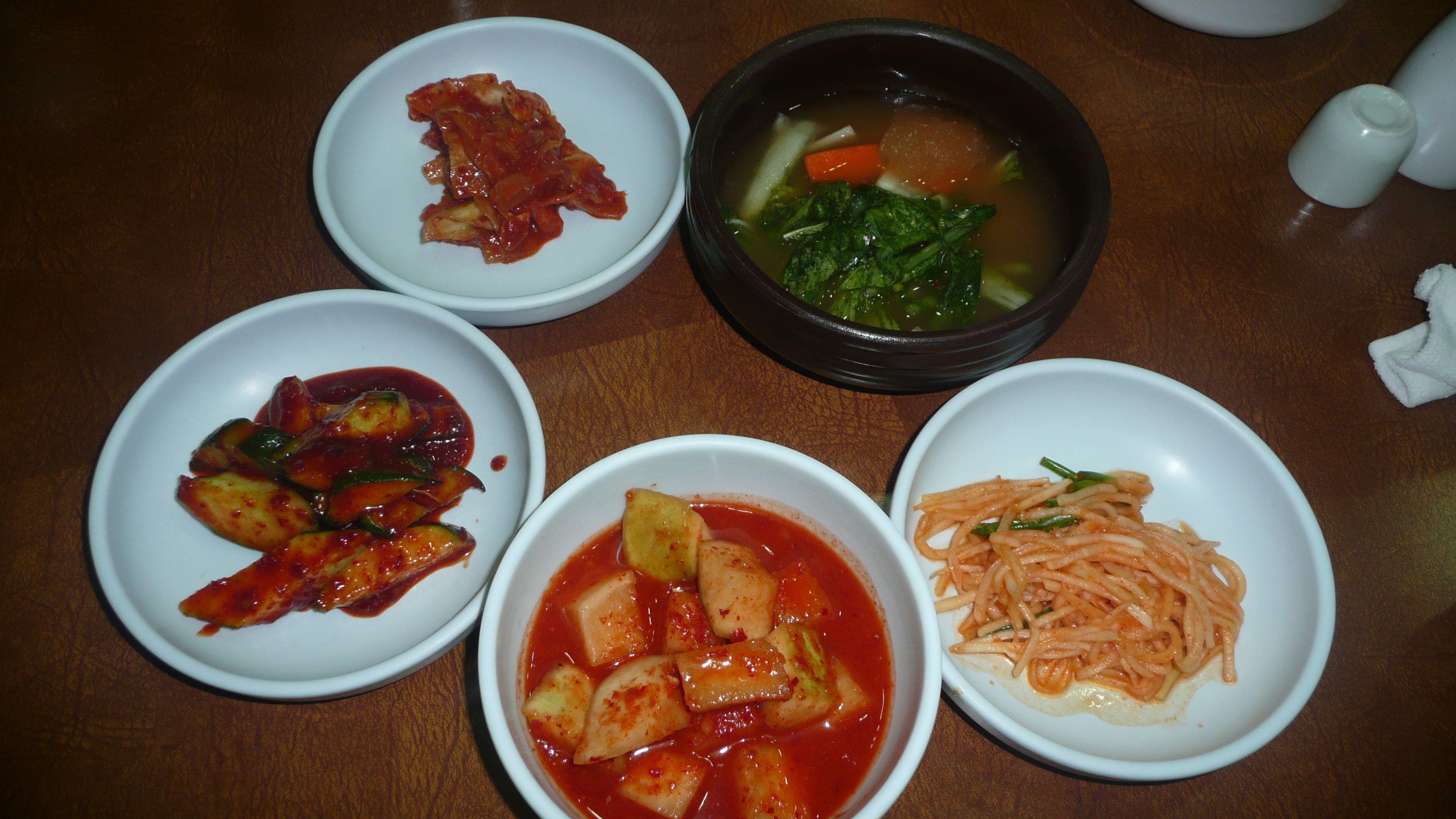
I'm about to preach the gut-spicy gospel of kimchi – that funky, fiery Korean staple made from fermented cabbage (and sometimes radish or cucumber) that might just save your soul, or at least your gut.
As a self-proclaimed fermented food fanatic (raised somewhere between a jazz bar and a farmer's market), I've learned that sometimes the secret to enlightenment is a jar of stinky cabbage bubbling away on your kitchen counter. They say the gut is the second brain, and I suspect my third eye was just a little constipated until I met kimchi.
Kimchi doesn't just slap your tongue with chili and garlic – it also delivers a microbial army of probiotics and a payload of vitamins. In this absurd and heartfelt ode, we'll explore how those humble fermented veggies may support your gut health, help modulate inflammation, and add welcome diversity to your microbiome. By the end, you might just be convinced that this spicy, sour concoction is more miracle than side dish.
🔬 Quick Facts: Kimchi by the Numbers
- 9-10 log CFU/gram - Probiotic bacteria count in properly fermented kimchi
- 19 inflammatory proteins reduced in Stanford fermented foods study
- Improved IBS symptoms, including reduced bloating, in a 12-week trial
- 50-70g daily - Average Korean consumption for health benefits
- 750mg sodium/cup - Important for those monitoring salt intake
Good Gut Vibrations: How Kimchi Transforms Your Microbiome
Your gut is essentially a bustling city of bacteria – home to trillions of microorganisms that influence everything from your mood to your metabolism. And kimchi? It's like a shipment of new, hardworking citizens eager to improve the neighborhood.

The Probiotic Powerhouse
Packed with lactic acid bacteria (particularly Lactobacillus species), each bite of kimchi delivers probiotics that can help balance your intestinal flora. But we're not talking about just any probiotics – kimchi's fermentation produces hardy lactic-acid bacteria, some of which survive stomach acid — though their effects in the gut are largely transient.
Research spotlight: In an eight-week trial on obese Korean women, those who added fermented kimchi to their diet saw (Han et al., 2015):
- Significant shifts in the Firmicutes to Bacteroidetes ratio
- Increases in beneficial gut bacteria (Bacteroides and Prevotella)
- Altered gene expression related to metabolic pathways
- Fermented kimchi showed stronger effects than fresh kimchi
The Diversity Revolution
A groundbreaking clinical trial at Stanford University revealed something remarkable: participants who ate fermented foods (including kimchi) for just 10 weeks experienced a significant boost in gut microbial diversity (Wastyk et al., 2021).
Why does diversity matter? Think of your gut like a garden – monocultures are vulnerable, but diverse ecosystems thrive. Greater microbial diversity correlates with:
- Better resilience against pathogens
- Improved nutrient absorption
- Enhanced immune function
- Reduced risk of chronic diseases
The plot twist: This diversity boost didn't happen with a high-fiber diet alone. Fermented foods like kimchi offer something fiber can't – living cultures that interact with your gut microbiome as they pass through (most are transient rather than permanently colonizing).
Beyond Bacteria: The Metabolic Magic
These new friendly microbes don't just move in – they get to work producing compounds that benefit you:
- Short-chain fatty acids (SCFAs) that nourish your gut lining
- Organic acids that create an inhospitable environment for pathogens
- Antioxidants that protect against cellular damage
- Neurotransmitter precursors that influence mood via the gut-brain axis
Speaking of the gut-brain connection, fermented foods like kimchi have been linked to positive changes in brain activity and mood in preliminary studies (Tillisch et al., 2013). A happier gut often means a happier mind – and who couldn't use more of that?

Fermented Defense: Kimchi's Impact on Immunity and Inflammation
Here's where kimchi transitions from side dish to superhero.
The Inflammation Tamer

That Stanford study dropped another bombshell: the fermented-food group showed notable reductions in 19 inflammatory proteins, including the notorious interleukin-6 (IL-6) – a key driver of chronic inflammation linked to:
- Arthritis
- Obesity
- Heart disease
- Autoimmune conditions
- Accelerated aging
Clinical Evidence for Chronic Conditions
A landmark double-blind, placebo-controlled study focused on patients with irritable bowel syndrome (IBS) found that eating kimchi daily for 12 weeks led to (Kim et al., 2022):
- Significantly lower inflammatory markers (TNF-α, IL-4, IL-10, IL-12)
- Reduced bloating severity
- Reduced abdominal pain and incomplete evacuation
- Improved overall quality of life scores
Translation: kimchi helped calm their overactive immune systems and eased the inflammation driving their symptoms.
The Nutrient Arsenal
Beyond probiotics, kimchi delivers immune-supportive compounds:
Vitamin C (35% DV per cup)
- Crucial for immune cell function
- Powerful antioxidant protecting against oxidative stress
Vitamin K (23% DV per cup)
- Regulates inflammatory response
- Supports bone health and blood clotting
Beta-carotene
- Converts to vitamin A for immune support
- Protects mucous membranes (your first line of defense)
HDMPPA (3-(4′-hydroxyl-3′,5′-dimethoxyphenyl)propionic acid)
- A unique compound formed during kimchi fermentation
- Shows anti-inflammatory potential in lab studies
- Demonstrated 42% reduction in aortic intima thickness (Kim et al., 2007)
Digestive Harmony: Kimchi for Gut Health and Beyond
If you've ever had a belly full of butterflies (or worse), kimchi might be your new best friend.
The IBS Breakthrough
In the most comprehensive IBS study to date, 90 patients consumed kimchi for 12 weeks with remarkable results:
- All kimchi types (standard, white, mustard leaf) improved symptoms
- Significant improvements in abdominal pain (p<0.001)
- Enhanced bowel regularity and stool consistency
- Reduced urgency and incomplete evacuation feelings
The Double Agent: Probiotic AND Prebiotic
Kimchi works on two fronts:
- As a probiotic: Delivering beneficial bacteria
- As a prebiotic: Its fiber feeds your existing good microbes
The fermentation process also breaks down tough compounds in cabbage (like raffinose) that normally cause gas or discomfort. Some people who struggle with raw cruciferous vegetables find fermented versions gentler — but note that kimchi is high in FODMAPs (garlic, onion), which can trigger symptoms for some people with IBS, so introduce it slowly.
Digestive Benefits Timeline
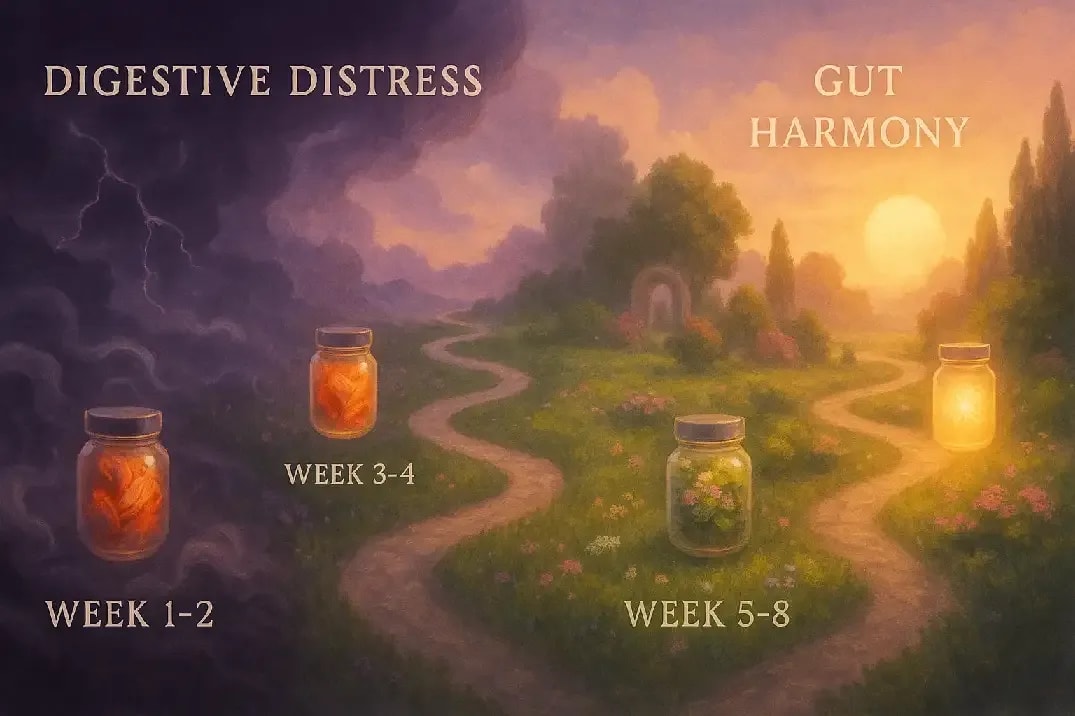
Week 1-2: Initial adjustment (some may experience increased gas as gut flora shifts)
Week 3-4: Noticeable improvements in regularity and comfort
Week 5-8: Significant changes in bloating, pain, and overall digestive health
Week 8+: Sustained benefits with continued consumption
Pro tip: Start with small amounts (1-2 tablespoons daily) and gradually increase to avoid overwhelming your system. For best results, use a proper fermentation vessel to ensure optimal probiotic development.
The Science of Fermentation: What Makes Kimchi Special?
Not all fermented foods are created equal. Kimchi's unique preparation creates specific health benefits:
The Salt-Fermentation Method
Unlike vinegar pickles, kimchi uses lacto-fermentation – a process where salt favors the salt-tolerant lactic-acid bacteria that then acidify and preserve the ferment. This method:
- Preserves heat-sensitive vitamins
- Creates unique bioactive compounds
- Produces higher probiotic counts
- Develops complex flavors impossible to achieve otherwise
The Spice Synergy

The addition of gochugaru (Korean red pepper flakes) isn't just for heat – it:
- Provides capsaicin for its signature heat
- Acts as a natural antimicrobial
- Enhances the growth of beneficial bacteria
- Contributes additional antioxidants
Temperature Matters
Traditional kimchi fermentation happens at room temperature for several days, then moves to cold storage. This two-phase process:
- Allows different bacterial strains to flourish at different stages
- Creates a more complex probiotic profile
- Develops deeper flavors
- Produces more beneficial metabolites
Kimchi vs. Other Fermented Foods: A Comparison
| Feature | Kimchi | Yogurt | Sauerkraut | Kombucha |
|---|---|---|---|---|
| Probiotic Count | 9-10 log CFU/g | 6-8 log CFU/g | 8-9 log CFU/g | 6-7 log CFU/mL |
| Bacterial Diversity | Very High | Low-Moderate | High | Moderate |
| Fiber Content | High | None | High | None |
| Unique Compounds | HDMPPA, Capsaicin | CLA | Isothiocyanates | Organic Acids |
| Anti-inflammatory | Strong | Moderate | Strong | Moderate |
Your Gut Health Journey with Kimchi: A Timeline
🗓️ Day 1-7: The Introduction Phase
- Your gut begins adjusting to new bacteria
- May experience slight increase in gas (normal!)
- Start with 1-2 tablespoons daily
🗓️ Week 2-4: The Adaptation Phase
- Gut flora begins shifting favorably
- Digestive comfort improving
- Energy levels may increase
🗓️ Month 2: The Transformation Phase
- Significant microbiome diversity increase
- Inflammatory markers decreasing
- IBS symptoms notably improved
🗓️ Month 3+: The Maintenance Phase
- Sustained gut health benefits
- Enhanced immune function
- Optimal metabolic benefits achieved

Making Your Own Kimchi: The Path to Fermented Enlightenment
Ready to join the fermentation revolution? Making kimchi at home isn't just a recipe – it's a ritual. A spicy, tangy, hands-on adventure where you commune with cabbage, salt, and microbes.
Essential Equipment for Success
While our ancestors made kimchi with basic tools, modern equipment can ensure consistent results:
- Fermentation vessels: Traditional earthenware containers maintain ideal temperature and allow the kimchi to breathe
- Precise measurements: A kitchen scale ensures perfect salt ratios every time
- Fermentation weights: Keep vegetables submerged with glass weights
Your Kimchi Journey Starts Here
Want to experience the transformation yourself? Check out my foolproof kimchi recipe – it's a step-by-step guide to creating your own probiotic powerhouse.
The Daily Kimchi Practice: Integration and Precautions
How Much is Enough?
Research suggests benefits from as little as:
- 15-30g daily (about 1-2 tablespoons) for general gut health
- 50-100g daily (about 1/3-2/3 cup) for therapeutic effects
- Consistency matters more than quantity – daily small amounts beat occasional large servings
Watch the Sodium
Kimchi contains about 750mg sodium per cup – roughly 1/3 of daily recommended intake. If you're watching your salt:
- Rinse kimchi briefly before eating
- Balance with low-sodium meals
- Choose low-salt kimchi varieties
- Make your own with reduced salt
Who Should Be Cautious?
While kimchi is generally safe, some should proceed carefully:
- Those on blood thinners (high vitamin K content)
- People with histamine intolerance (fermented foods are high in histamines)
- Anyone with severe digestive issues (start very slowly)
- Those with high blood pressure (monitor sodium intake)
The Latest Research: What's New in 2024-2025
Recent Breakthroughs

Meta-Analysis Results (2024): A comprehensive analysis of 5 RCTs and 4 cohort studies (42,455 participants) found (Ahn et al., 2024):
- Fasting blood glucose: -1.93 mg/dL
- Triglycerides: -28.9 mg/dL
- Systolic BP: -3.48 mmHg
- Diastolic BP: -2.68 mmHg
Microbiome Shifts (2024): Latest research shows kimchi consumption leads to (Cha et al., 2024):
- Increased SCFA-producing genera (Faecalibacterium, Roseburia)
- Enhanced Akkermansia muciniphila (gut barrier protector)
- Reduced pathogenic bacteria populations
Gut markers (2021): a small 10-week kimchi study reported changes in microbiome markers linked to colorectal health — note that salted/pickled vegetables are actually associated with a modest increase in gastric-cancer risk, so kimchi is not an "anti-cancer" food through (Park et al., 2021):
- Increased Bifidobacterium and Akkermansia
- Decreased bacteria associated with colon adenoma
- Favorable changes in fecal enzyme activities
The Bottom Line: Kimchi as Medicine

After diving deep into the research, I'm more convinced than ever that kimchi deserves a place in your daily diet. It's more than a side dish – a flavorful, live-culture food that may genuinely support your gut. The science shows kimchi can:
✓ Transform your gut microbiome diversity ✓ Reduce chronic inflammation markers ✓ Improve digestive health and comfort ✓ Support immune system function ✓ Provide essential nutrients and antioxidants ✓ May support favorable cardiometabolic markers (in some studies)
But beyond the data, there's something profound about eating living food. Every bite connects you to centuries of Korean wisdom, to the invisible world of beneficial microbes, and to your own body's capacity for healing.
Your Fermented Future Awaits
Whether you're dealing with digestive issues, looking to boost immunity, or simply wanting to add more life to your diet, kimchi offers a delicious solution backed by both ancient wisdom and modern science.
Ready to embrace the funk? Start with a quality fermentation vessel and my detailed recipe. Your gut will thank you, your taste buds will dance, and you might just find yourself preaching the gut-spicy gospel too.
Remember: While kimchi offers impressive health benefits, it's not a cure-all. Always consult with healthcare providers about significant dietary changes, especially if you have existing health conditions.
Stay spicy,
Elio "Dust" Santorini
P.S. – If this article lit a fire in your belly (the good kind), share it with someone who needs more fermented funk in their life. The gospel spreads one jar at a time.
Related Articles: