#Key Takeaways
- Fermenting uses salt and time to cultivate beneficial bacteria that create lactic acid and probiotics; pickling uses vinegar for quick preservation without live cultures
- Fermented foods contain living beneficial bacteria that may support gut health and immune function, while vinegar pickles offer tangy flavor but no probiotic benefits
- Both methods preserve food safely, but fermentation takes days to weeks while vinegar pickling can be done in hours
- You can enjoy both—ferments for microbiome benefits, pickles for quick flavor—there's room for everything in moderation
Have you ever stood in the grocery store aisle, staring at a jar labeled "pickles," wondering if you're getting those gut-healthy probiotics everyone talks about? Or maybe you've been confused about whether your homemade sauerkraut counts as "pickled" or "fermented"—or both? You're not alone, and the answer is more interesting than you might expect.
#What Is Fermentation, Really?
Fermentation is a living process where beneficial bacteria transform food through their metabolism, creating lactic acid, probiotics, and new flavors. It's ancient alchemy powered by microbes.
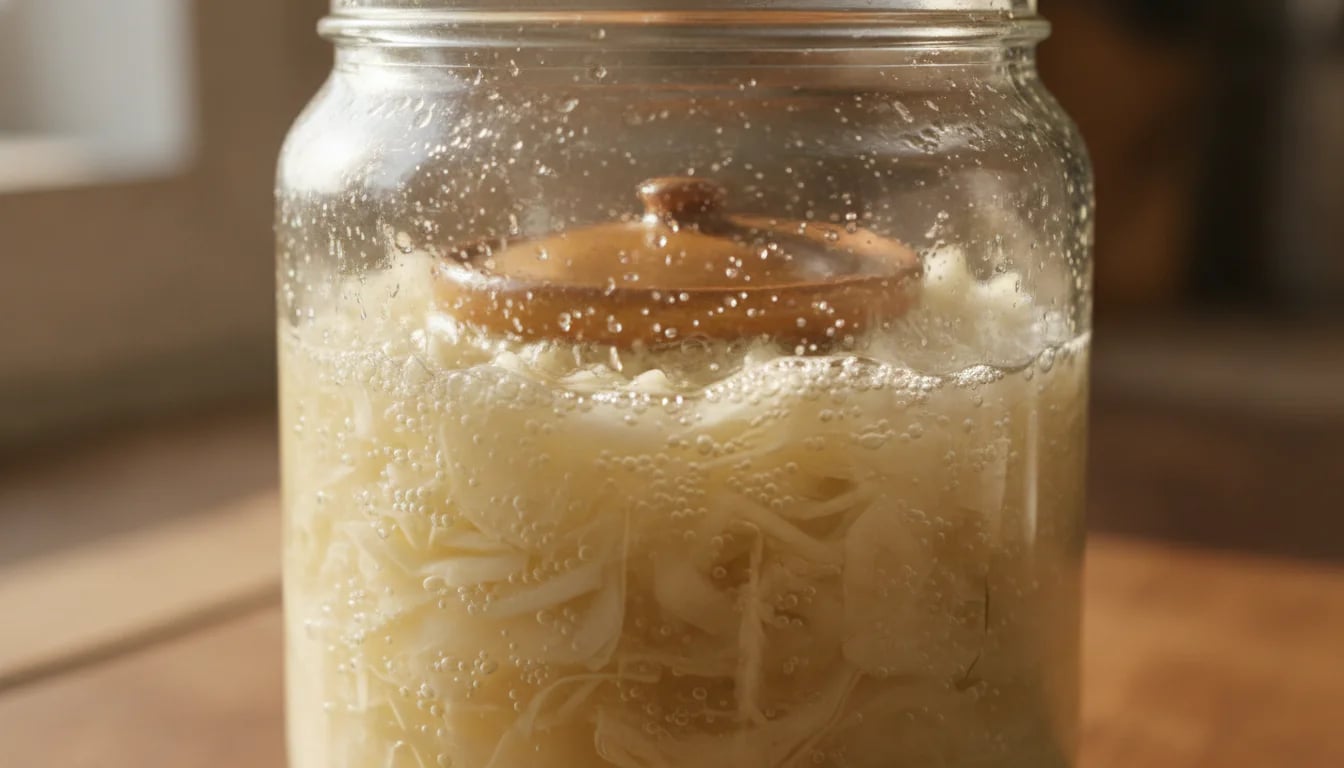
When you ferment vegetables, you're creating an environment where specific beneficial bacteria—primarily lactic acid bacteria (LAB)—can thrive. These bacteria convert carbohydrates into lactic acid, which preserves the food naturally while creating that characteristic tangy flavor we associate with sauerkraut, kimchi, and traditional pickles.
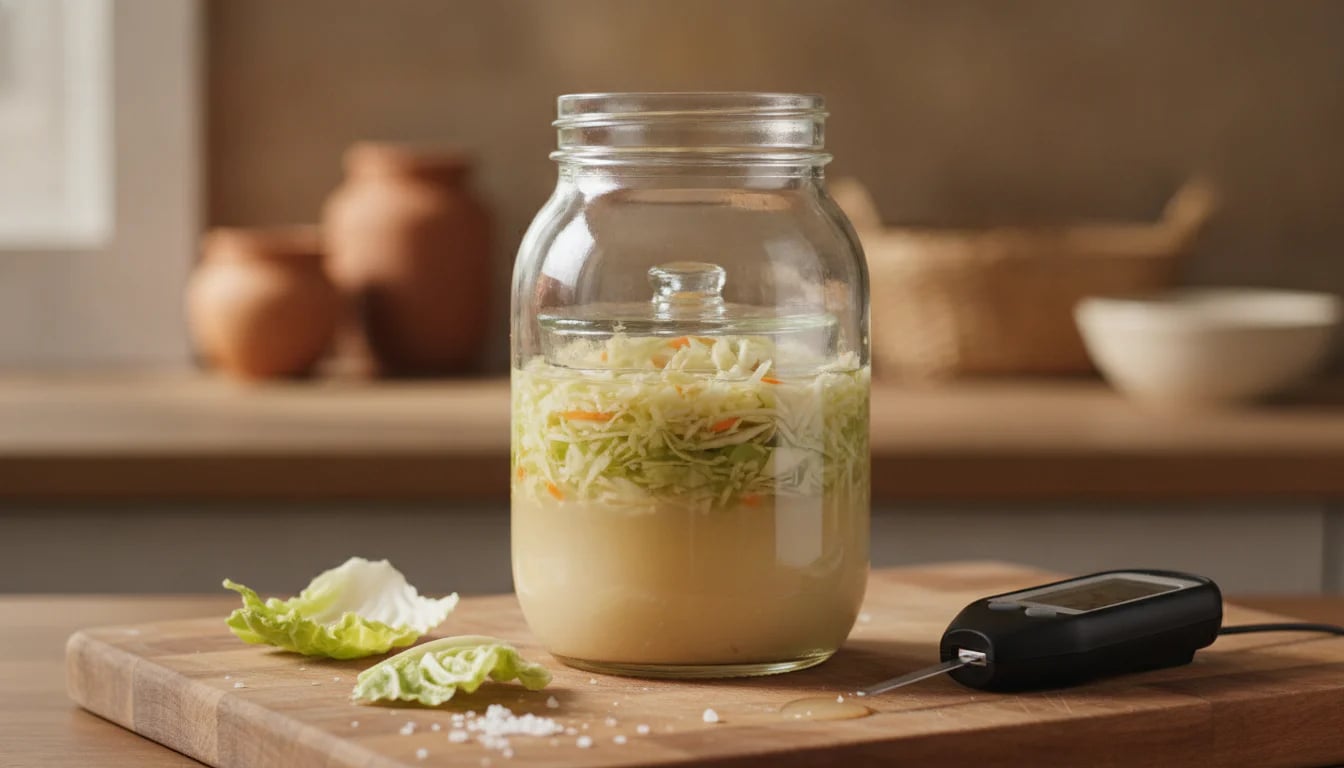
Here's what makes fermentation special: it's a living ecosystem. You start with fresh vegetables, add salt (usually around 2% of the total weight), and then... you wait. The salt draws moisture from the vegetables, creating a brine that becomes home to trillions of beneficial microorganisms. Lactic acid bacteria modify the texture and flavor of foods while possessing beneficial properties for human health.
The process typically takes anywhere from 3 days to several weeks, depending on temperature and the vegetables you're using. During this time, the bacteria are actively working—producing lactic acid, vitamins, and other compounds that not only preserve the food but potentially enhance its nutritional value.
#The Equipment You'll Need for Fermentation
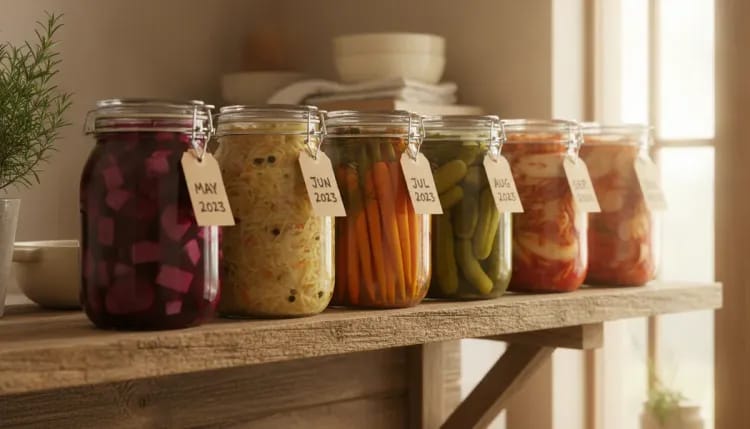
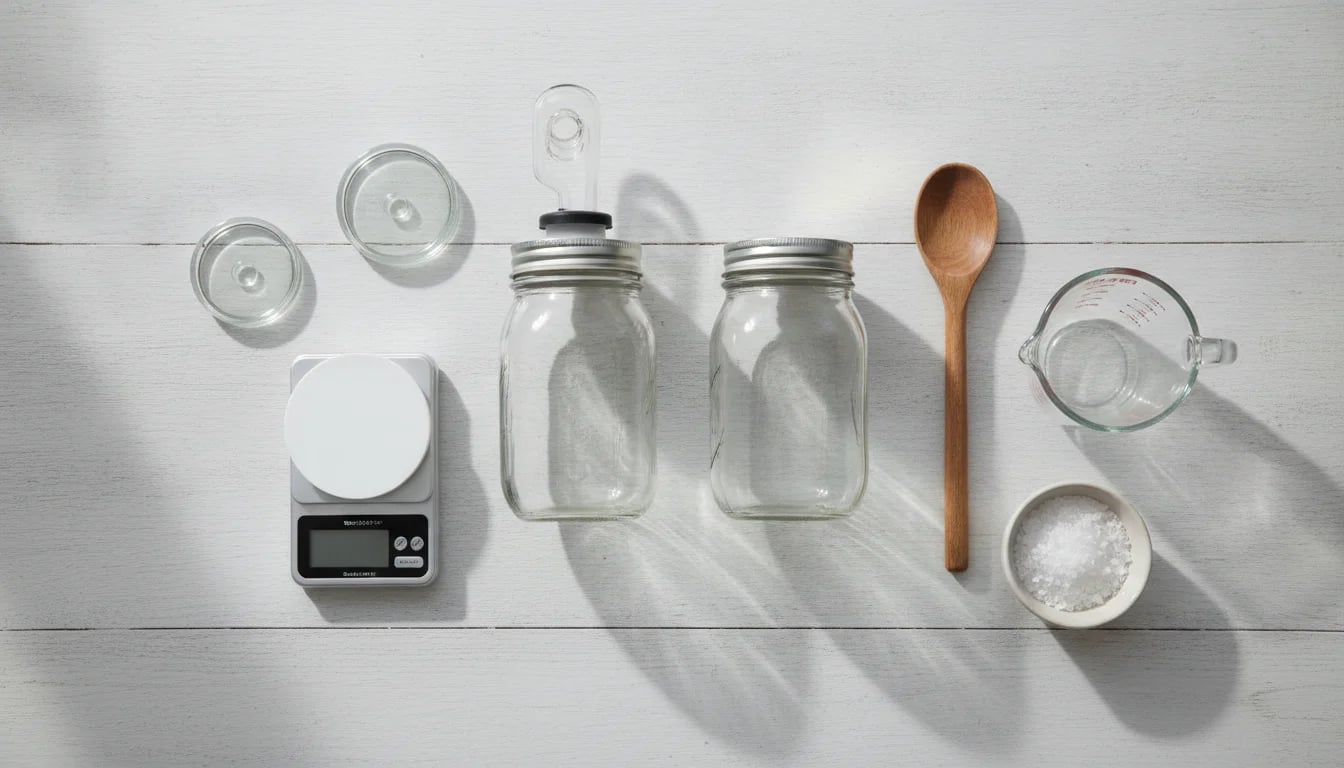
Fermenting doesn't require fancy equipment, but a few key tools make the process easier and more reliable. You'll want wide mouth mason jars for easy packing and access, fermentation weights to keep vegetables submerged under the brine (this prevents mold), and optionally airlock lids that allow CO2 to escape while keeping oxygen out.
For larger batches, a fermentation crock is a beautiful, traditional option that includes built-in weights and a water-seal system. If you're curious about different fermentation methods, you might enjoy reading about airlock vs open fermentation approaches.
#What Is Pickling, Then?
Pickling is preservation using an acidic solution—typically vinegar—that creates an environment too hostile for spoilage bacteria. It's fast, reliable, and delicious, but fundamentally different from fermentation.
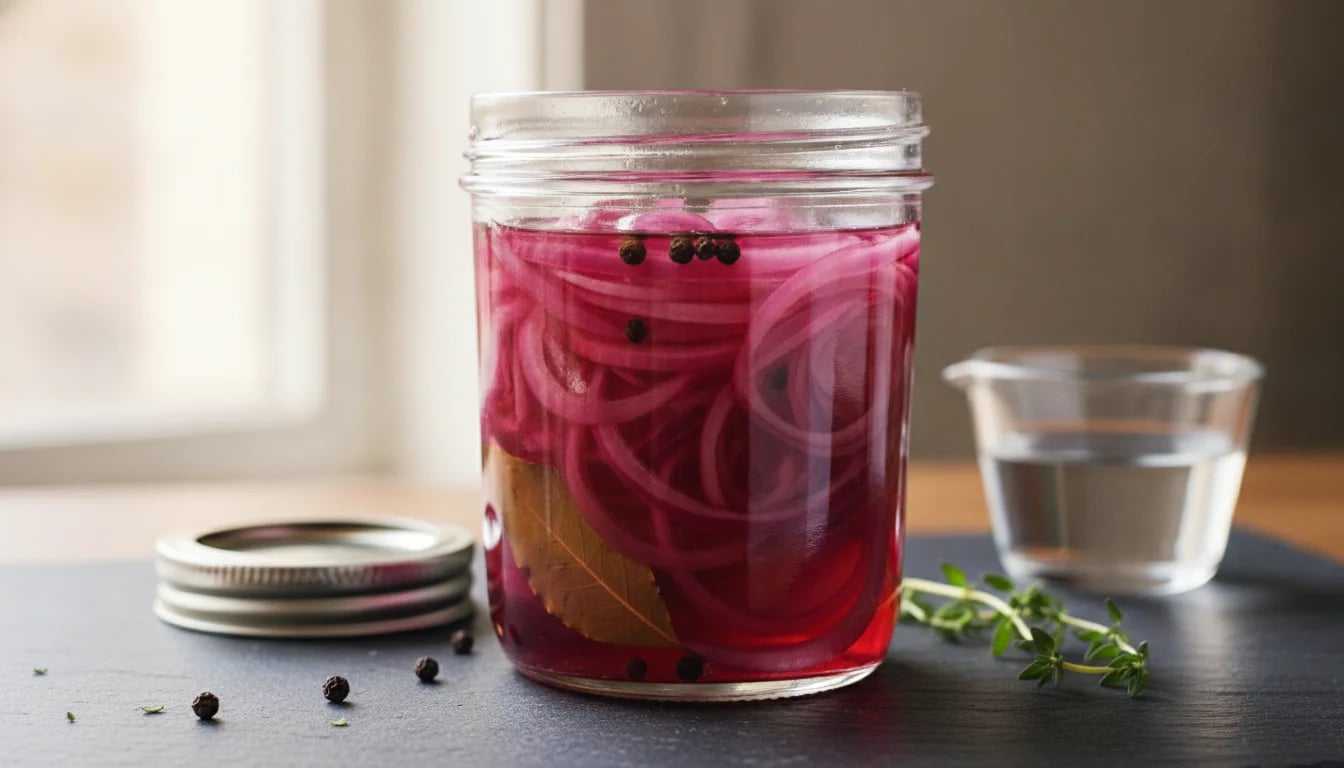
When you pickle something in the modern sense, you're usually making a vinegar-based brine (often with added sugar, salt, and spices), heating it, and pouring it over vegetables. The acidity of the vinegar—usually around 5% acetic acid—immediately creates a pH low enough to prevent bacterial growth. No fermentation required, no waiting for bacteria to do their work.
This method is sometimes called "quick pickling" or "refrigerator pickling," and it's wonderfully convenient. You can have tangy, flavorful pickled onions, jalapeños, or cucumbers ready to eat within hours. The vegetables stay crisp, the flavors are bright and sharp, and the shelf life (especially when properly canned) can be impressive.
But here's the key difference: there are no living probiotics in vinegar pickles. The acidic environment that preserves the food also prevents beneficial bacteria from surviving. You get the tangy flavor and the preservation benefits, but not the potential gut health advantages that come with fermented foods.
#When Pickling Makes Perfect Sense
I'll be honest with you—I love fermented foods for their health benefits, and that's my go-to preservation method most of the time. But pickles? Pickles can be absolutely delicious, and I don't see it as an either-or situation. Everything in moderation, right?
Quick pickles are perfect when you want:
- Speed: Ready in hours instead of days or weeks
- Predictable flavor: No variation from batch to batch
- Crisp texture: Vinegar pickles often stay crunchier
- Specific flavor profiles: Some recipes just taste better with vinegar's sharp acidity
For quick pickling, you can use the same mason jars you'd use for fermentation, though you won't need weights or airlocks since there's no fermentation happening.
#The Probiotic Difference: Why It Matters
Fermented foods can contain billions of beneficial bacteria per serving, while vinegar pickles contain essentially none. This is the most significant health distinction between the two methods.
Clinical studies provide evidence that fermented foods offer health benefits beyond the starting food materials. The beneficial bacteria in fermented foods—primarily lactic acid bacteria—can potentially support digestive health, immune function, and even contribute to a more diverse gut microbiome.
Research has shown that fermented foods can increase diversity of the gut microbiome and reduce inflammation. The probiotics from fermented foods are beneficial strains of bacteria that are generally recognized as safe for human health.
A note on health information: The information shared here is for educational purposes only and is not intended as medical advice. Always consult with a healthcare professional before making changes to your diet, especially if you have existing health conditions or are taking medications.
That said, it's important to understand that not all fermented foods contain probiotics in the clinical sense. For a food to be labeled as "probiotic," specific strain characterization and clinical evidence is required. But many traditionally fermented foods do contain beneficial bacteria that may support health, even if they don't meet the strict definition of a probiotic product.
#What About "Fermented Pickles"?
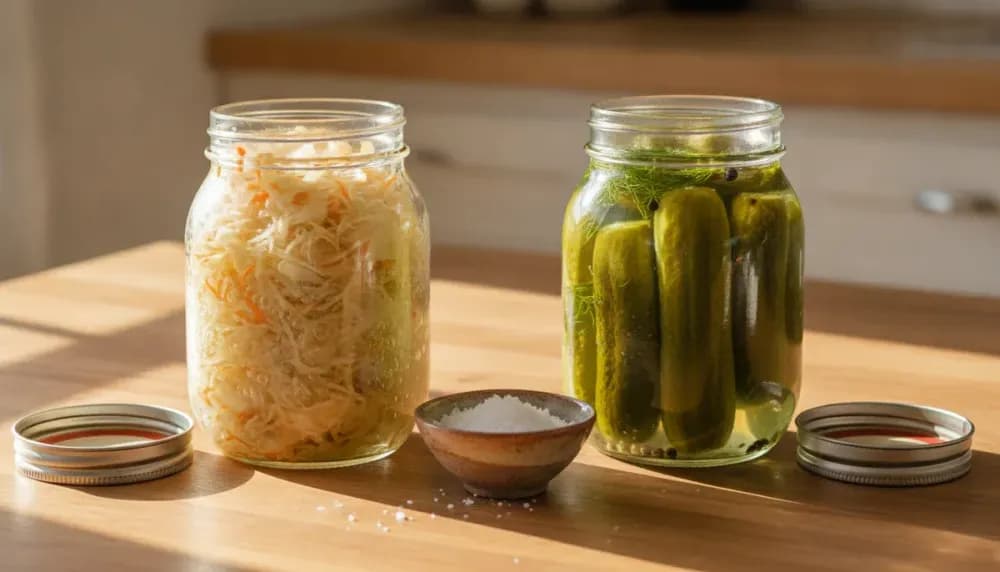
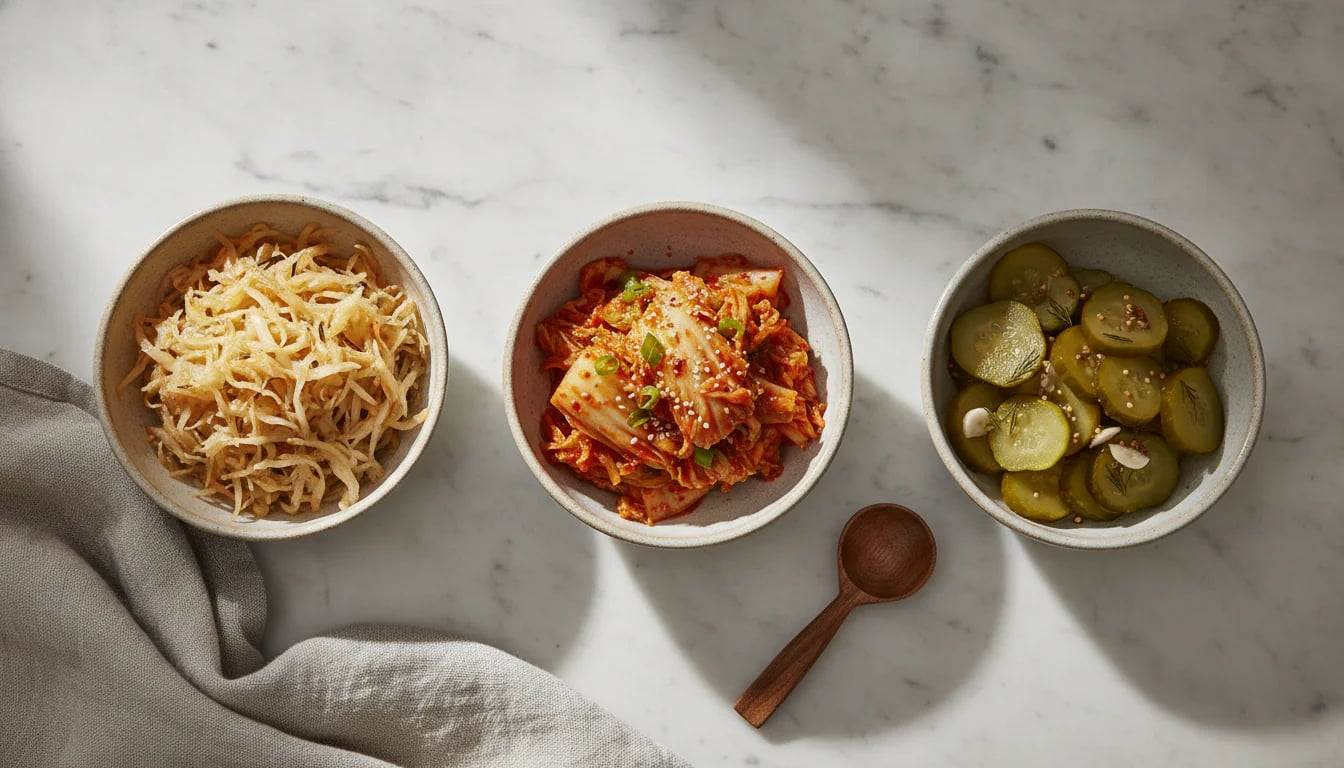
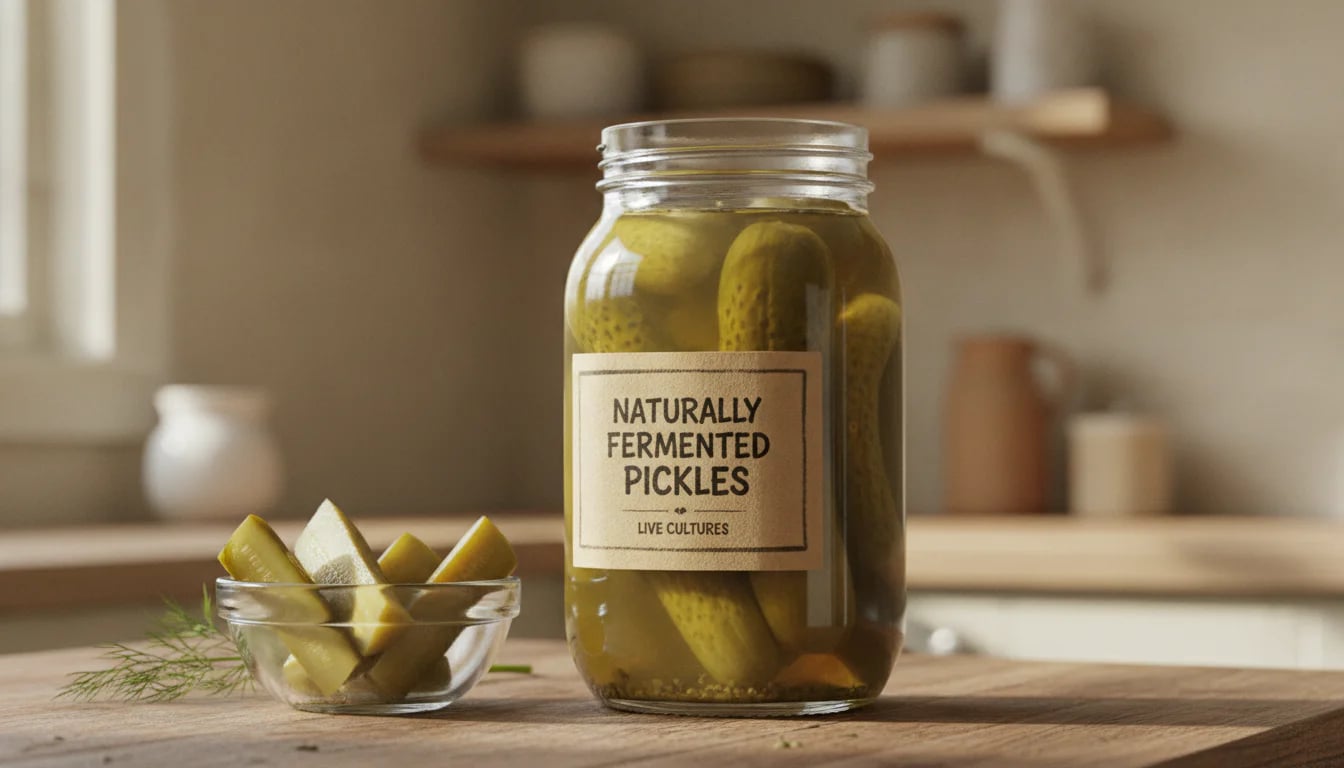
Here's where it gets interesting: traditional pickles—the kind your great-grandmother might have made—were actually fermented, not pickled in vinegar. They were made using salt brine and time, just like sauerkraut. These lacto-fermented pickles have all the probiotic benefits of other fermented vegetables.
So when you see "pickles" in the store, you need to read the label carefully:
- Ingredients include vinegar: These are vinegar pickles (no probiotics)
- Ingredients are just vegetables, salt, water, and spices: These might be fermented pickles (probiotics!)
- Pasteurized: Even if they were fermented, pasteurization kills the beneficial bacteria
If you want to make traditional fermented pickles at home, try this lacto-fermented pickles recipe or these traditional bread & butter pickles made the old-fashioned fermented way.
#The Science of Preservation: How Each Method Works
Both fermentation and pickling preserve food by creating acidic environments, but they get there through completely different paths.
#Fermentation's Preservation Mechanism
In fermentation, lactic acid bacteria convert carbohydrates into lactic acid, gradually lowering the pH of the food. This process typically takes the pH down to around 3.5-4.0, which is acidic enough to prevent the growth of harmful bacteria while allowing the beneficial lactic acid bacteria to thrive.
But lactic acid isn't the only preservative compound at work. The metabolites of fermenting microorganisms inhibit development of undesirable microflora. Some lactic acid bacteria produce bacteriocins—natural antimicrobial compounds that inhibit growth of unwanted microorganisms by interacting with cell membranes.
This is why fermentation is sometimes called "bio-preservation"—you're using living organisms to protect food from spoilage, rather than relying solely on chemical preservatives.
#Pickling's Preservation Mechanism
Vinegar pickling is more straightforward: you're adding acid directly to the food. The acetic acid in vinegar immediately creates an environment where most bacteria, yeasts, and molds cannot survive. It's preservation through chemistry rather than biology.
The advantage? It's fast and predictable. The disadvantage? You miss out on the complex flavor development and potential health benefits that come from the slow work of beneficial bacteria.
#My Personal Journey: Finding Room for Both
For years, I've been passionate about fermentation—it's my preferred preservation method, hands down. The health benefits, the connection to ancient food traditions, the way fermented foods support my microbiome... it all resonates deeply with me. Most of what I make and eat falls into the fermented category.
But here's what I've learned: there's no need to be dogmatic about it. Sometimes I want the quick satisfaction of pickled jalapeños ready for tonight's tacos. Sometimes a friend brings over vinegar pickles, and they're delicious. I enjoy them without guilt, knowing that the bulk of my diet includes plenty of fermented foods.
The key word is moderation. I don't see it as fermentation versus pickling—it's more like fermentation and pickling, each with its place. The fermented foods give me those microbiome benefits I'm after, while the occasional vinegar pickle adds variety and pleasure to my meals.
What I've found is that understanding the difference helps me make intentional choices. When I'm reaching for something in a jar, I know what I'm getting—and I can choose based on what I need in that moment.
#Quick Reference: Fermentation vs Pickling at a Glance
| Aspect | Fermentation | Vinegar Pickling |
|---|---|---|
| Acid Source | Produced by bacteria (lactic acid) | Added directly (acetic acid/vinegar) |
| Time Required | 3 days to several weeks | Hours to 1 day |
| Probiotics | Yes, billions of beneficial bacteria | No, acidic environment prevents bacterial growth |
| Flavor Development | Complex, evolving, tangy-sour | Sharp, bright, consistent |
| Texture | Softer, sometimes effervescent | Often crisper, firmer |
| Equipment Needed | Jars, weights, optional airlocks | Jars, pot for heating brine |
| Shelf Stability | Months in cool storage, indefinite if refrigerated | Months to years if properly canned |
| Health Benefits | Potential gut health and immune support | Preservation only, no probiotic benefits |
| Skill Level | Beginner-friendly but requires patience | Very beginner-friendly, quick results |
#How to Choose: Ferment or Pickle?
Choose fermentation when you want:
- Living probiotics and potential gut health benefits
- Complex, evolving flavors that develop over time
- A connection to traditional food preservation methods
- To experiment with different vegetables and flavor combinations
- The satisfaction of cultivating a living food ecosystem
Choose pickling when you want:
- Quick results (ready in hours instead of days)
- Predictable, consistent flavor every time
- Maximum crispness in your preserved vegetables
- A specific sharp, vinegary taste profile
- Simple, foolproof preservation
And remember: you don't have to choose just one! I keep both fermented vegetables and quick pickles in my kitchen, reaching for whichever suits my needs and mood.
If you're new to fermentation and want to understand more about the process, check out what happens when food ferments—it's truly fascinating once you understand the science behind it.
#Getting Started: Your First Fermentation
If you're ready to try fermentation for yourself, start simple. Sauerkraut is the classic beginner ferment—just cabbage, salt, and time. You'll need a jar, some fermentation weights to keep the cabbage submerged, and patience.
Or try fermented pickled onions—they're quick (ready in just 3 days), delicious, and a great introduction to the world of fermentation. The recipe is forgiving, and the results are reliably tasty.
For those who want to dive deeper into various fermentation methods and equipment options, The Noma Guide to Fermentation is an excellent resource that covers everything from basic vegetable ferments to more advanced techniques.
#The Bottom Line
Pickling and fermenting are both valuable preservation methods, but they're fundamentally different processes with different outcomes. Fermentation creates living foods rich in beneficial bacteria, while pickling uses vinegar for quick, reliable preservation without probiotics.
For me, fermentation is the star of the show—it's what I reach for most often because of the gut health benefits and the deep satisfaction of working with living foods. But I'm not going to pretend that vinegar pickles don't have their place. They're delicious, they're convenient, and there's absolutely nothing wrong with enjoying them.
The key is understanding what you're getting with each method, so you can make choices that align with your health goals and your taste preferences. Want those probiotic benefits? Choose fermented. Need something quick and crispy? Vinegar pickles are your friend. Want both? Go for it.
There's room in your kitchen—and your gut—for both traditions. The important thing is that you're preserving food, exploring flavors, and maybe, just maybe, falling in love with the ancient art of fermentation along the way.
Disclaimer: This article is for informational and educational purposes only. It is not intended to be a substitute for professional medical advice, diagnosis, or treatment. Individual results may vary. Please consult your healthcare provider before beginning any new dietary practice, especially if you have a medical condition or take medications.