#Key Takeaways
- Most fermented foods aren't probiotics — they're sources of postbiotics (beneficial bacterial byproducts) and live cultures that haven't been proven to confer specific health benefits.
- Postbiotics are the metabolic gifts bacteria leave behind — short-chain fatty acids, vitamins, enzymes, and cell fragments that support gut health, immunity, and inflammation control.
- You're getting benefits either way — whether the bacteria in your sauerkraut are "probiotic" or just "live and active cultures," the postbiotics they create during fermentation deliver real health value.
- True probiotics require proof — a microbe only earns the "probiotic" label when science demonstrates it delivers specific health benefits in adequate amounts.
Have you ever stood in the grocery aisle, staring at a jar of sauerkraut labeled "probiotic-rich," wondering if you're actually getting what you think you're getting? You're not alone—and the answer might surprise you.
#What Actually Qualifies as a Probiotic?
The short answer: Probiotics are living microorganisms that provide specific, proven health benefits when consumed in adequate amounts.
But here's where it gets interesting—and where a lot of confusion lives. According to the International Scientific Association for Probiotics and Prebiotics (ISAPP), very few fermented foods actually contain microbes that meet the strict criteria to be called "probiotic." The term isn't just a friendly descriptor for anything with bacteria in it—it's a scientific designation that requires evidence.
Think of it this way: not every friendly neighbor is a licensed therapist, even if they give great advice. Similarly, not every beneficial bacterium is a probiotic, even if it's doing good things in your gut.
#The Three Requirements for Probiotic Status
For a microbe to earn the "probiotic" label, it needs to check three boxes:
- Alive and kicking: The microorganisms must be living when you consume them
- Present in sufficient numbers: There must be enough of them to actually do something (typically billions of colony-forming units)
- Scientifically proven benefits: Research must demonstrate that these specific strains provide specific health benefits to humans
That last requirement is the kicker. It's not enough for bacteria to simply survive in your gut or even to be "good" bacteria. Scientists need to have studied that exact strain and proven it does something beneficial—like improving digestion, supporting immune function, or reducing inflammation.
Most fermented foods contain what ISAPP calls "live and active cultures"—bacteria that are alive and potentially beneficial, but haven't been put through the rigorous testing required for probiotic status. And honestly? That's perfectly fine. These cultures are still doing wonderful things.

#So What Are Postbiotics?
The direct answer: Postbiotics are the beneficial compounds that bacteria produce during fermentation—the metabolic byproducts and cellular components left behind by microbial activity.
In 2021, ISAPP defined a postbiotic as "a preparation of inanimate microorganisms and/or their components that confers a health benefit on the host." This definition emerged after more than a year of debate among scientists with different backgrounds and perspectives—which tells you just how nuanced this topic is.
Here's what makes postbiotics so fascinating: they're the gifts bacteria leave behind. When beneficial microbes feast on the sugars and fibers in your cabbage or milk, they don't just multiply—they transform those ingredients into an entire pharmacy of beneficial compounds.
#What Postbiotics Actually Include
Research has identified several categories of postbiotics that show up in fermented foods:
- Short-chain fatty acids (SCFAs): Particularly butyrate, acetate, and propionate—these are the rock stars of gut health, helping maintain the gut microbiota, supporting the intestinal barrier, and modulating immune function
- Vitamins: B vitamins and vitamin K2, synthesized by bacteria during fermentation
- Enzymes: Proteins that help break down food and support digestion
- Microbial cell fragments: Pieces of bacterial cell walls, including peptidoglycans and teichoic acids
- Extracellular polysaccharides: Complex sugars that bacteria produce
- Organic acids: Lactic acid, acetic acid, and others that create the tangy flavor and preserve the food
The beautiful thing about postbiotics? They don't need to be alive to work. Unlike probiotics, which must contain living bacteria, postbiotics are the stable, non-living compounds that can survive cooking, storage, and even your stomach acid.
#What's Actually in Your Fermented Foods?
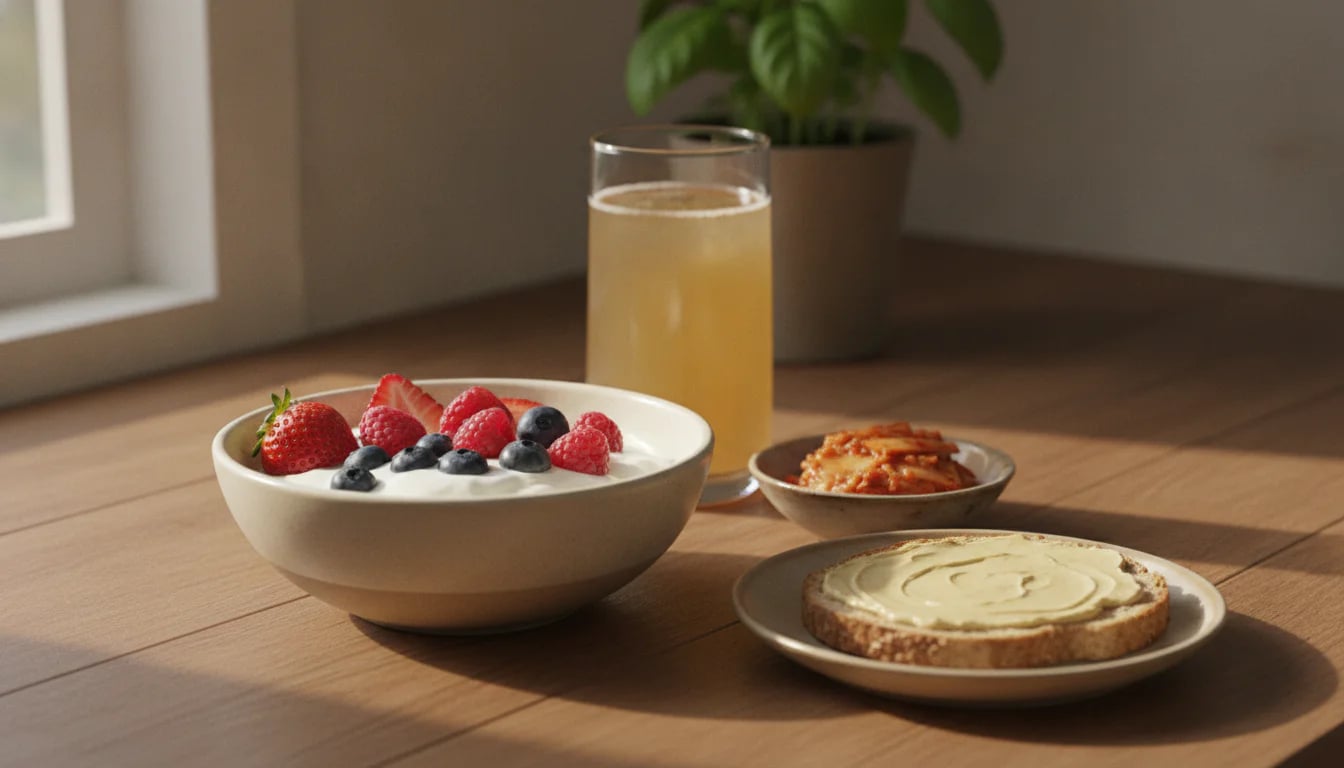
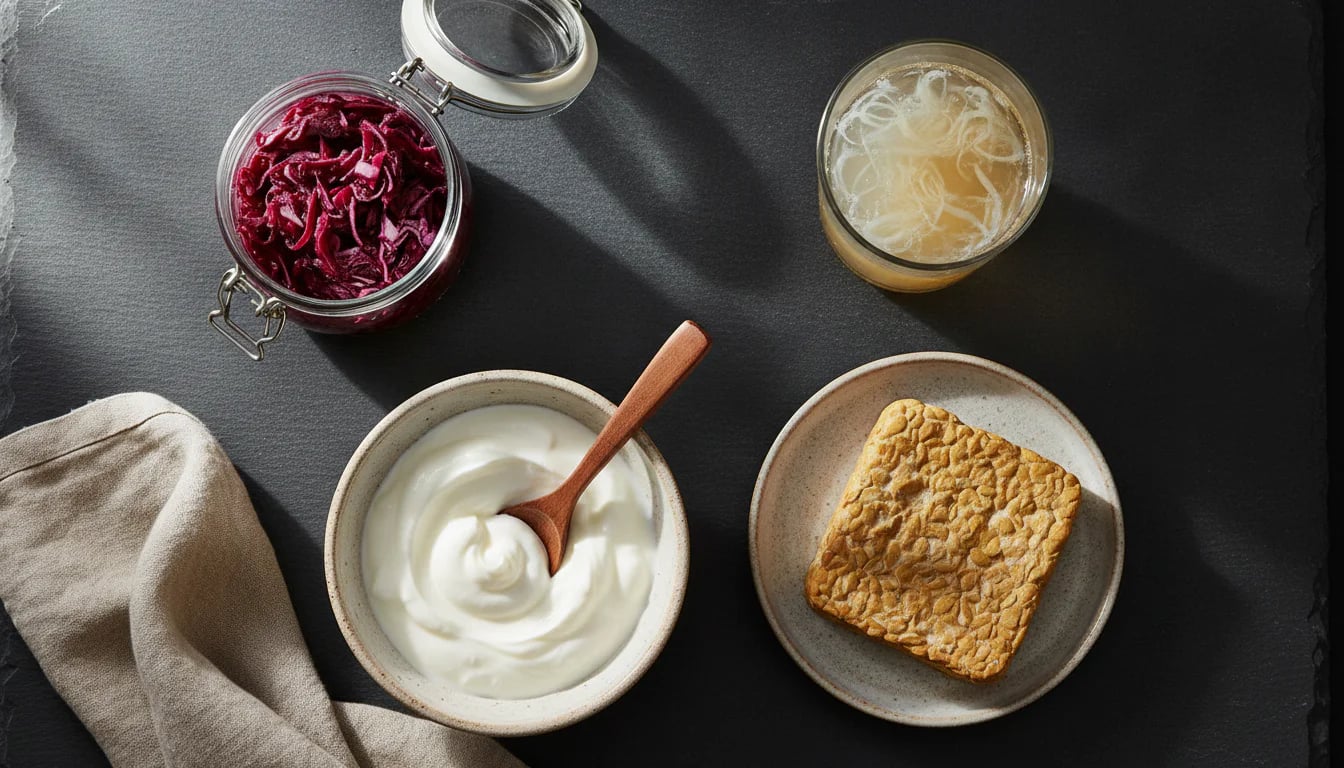
The truth: Any fermented food that contains or was made by live bacteria contains postbiotics—including yogurt, kefir, sauerkraut, kimchi, miso, tempeh, and kombucha.
Let's walk through your kitchen and see what you're really getting:
#Fermented Vegetables (Sauerkraut, Kimchi, Pickles)
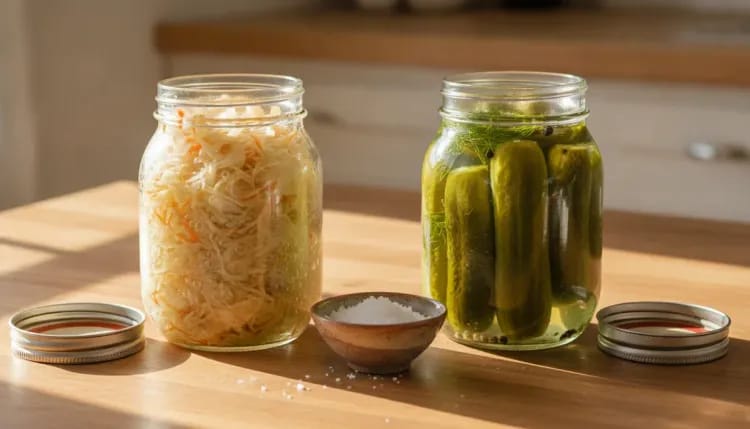
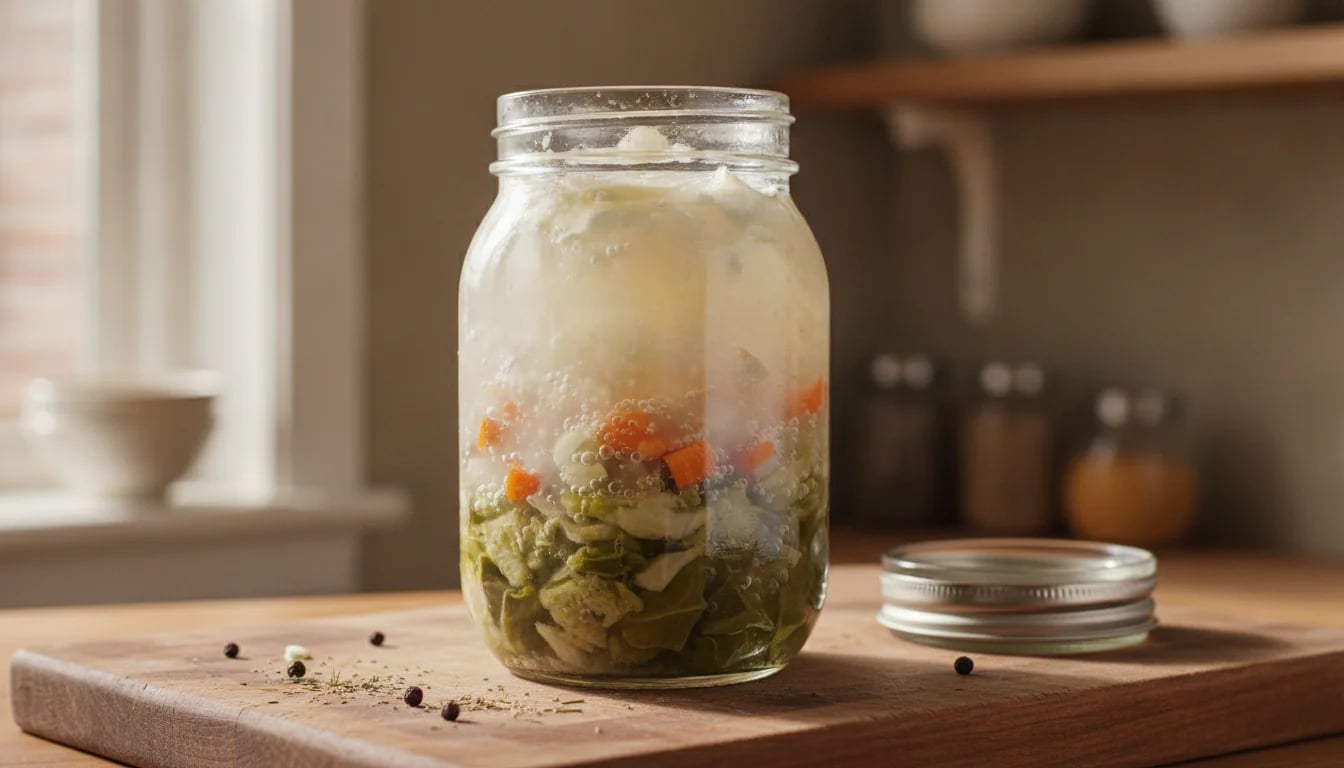
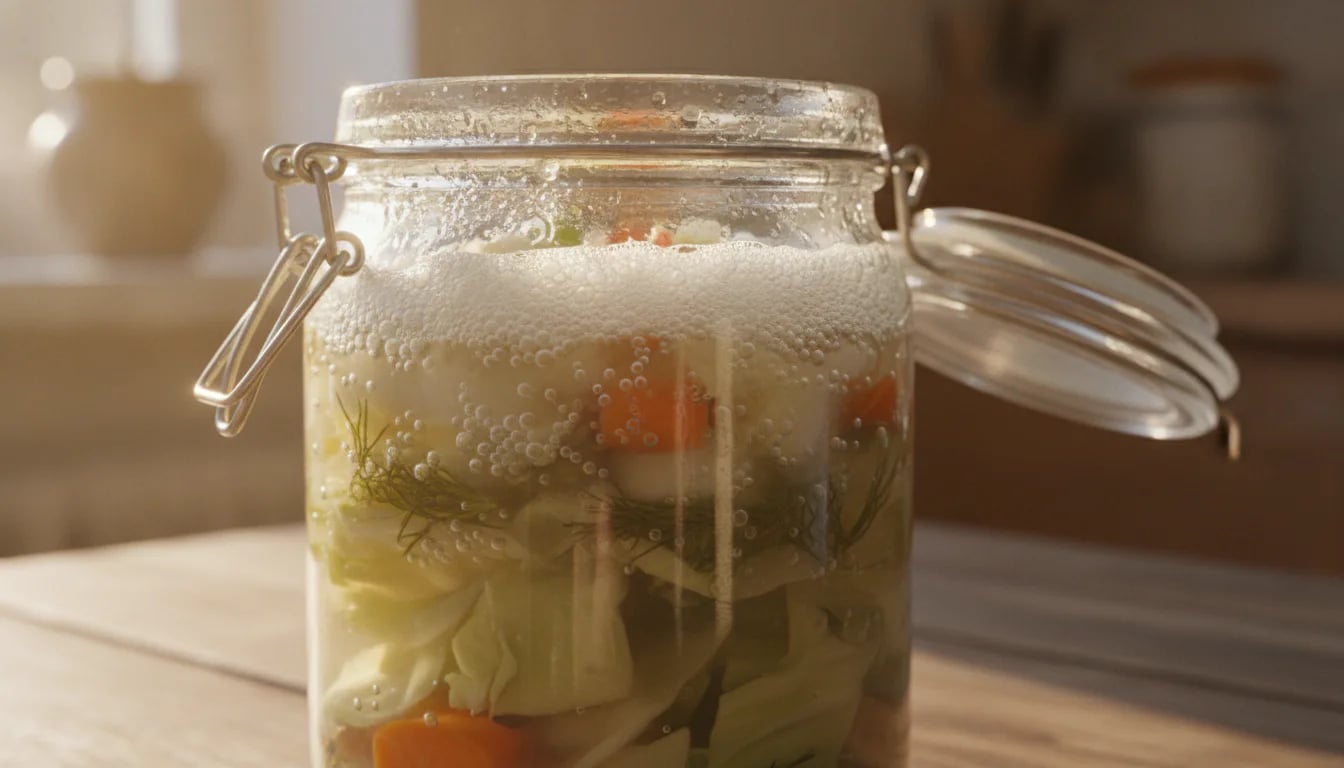
When you make traditional sauerkraut or kimchi in a fermentation crock or mason jar with fermentation weights, you're creating an environment where Lactobacillus bacteria thrive. These bacteria consume the natural sugars in the vegetables and produce:
- Lactic acid (the tangy flavor and natural preservative)
- Short-chain fatty acids that support gut barrier function
- B vitamins synthesized during fermentation
- Enzymes that pre-digest the vegetables, making nutrients more bioavailable
Are these bacteria "probiotics"? Probably not in the strict scientific sense—most haven't been studied enough to prove specific health benefits. But they're absolutely beneficial live cultures, and the postbiotics they create are doing real work in your body.
One important note: as ISAPP points out, there's no requirement for fermented foods to contain living microbes at the time you eat them. Bread, chocolate, and beer are all fermented, but then baked, roasted, or filtered—killing the bacteria but leaving many of the postbiotic benefits behind.
#Yogurt and Kefir
Dairy ferments occupy an interesting middle ground. When you make yogurt at home using a precision yogurt maker, you're typically using specific starter cultures—often Lactobacillus bulgaricus and Streptococcus thermophilus.
These cultures are well-studied and do provide health benefits, but they're not always classified as probiotics because they don't necessarily survive passage through your digestive system in large numbers. However, they absolutely produce postbiotics during fermentation—SCFAs, vitamins, and bioactive peptides that support digestive health.
Kefir tends to contain a more diverse community of bacteria and yeasts, some of which may qualify as probiotics. But again, the postbiotic compounds they create during fermentation are valuable regardless of whether the bacteria themselves survive your stomach acid.
If you're curious about the specific strains in different fermented dairy products, I wrote about which probiotic strains are in which foods—it's a fascinating deep dive.
#Kombucha and Fermented Beverages
Kombucha is fermented by a SCOBY (symbiotic culture of bacteria and yeast), creating a beverage rich in:
- Organic acids (acetic, gluconic, lactic)
- B vitamins and vitamin C
- Enzymes and amino acids
- Polyphenols from the tea
The bacteria and yeast in kombucha are live and active, but again, they haven't been studied enough to claim probiotic status for most strains. The postbiotic compounds, however, are well-documented and beneficial.
A note on health information: The information shared here is for educational purposes only and is not intended as medical advice. Always consult with a healthcare professional before making changes to your diet, especially if you have existing health conditions or are taking medications.
#Why the Distinction Matters (And Why It Doesn't)
Here's where I want to be really honest with you: the probiotic vs. postbiotic distinction matters for scientific accuracy and regulatory purposes, but it matters less for your actual health than you might think.
#Why It Matters
Consumer protection: More than half of Americans believe that fermented foods contain probiotics, when in fact very few meet the strict criteria. This confusion can lead to unrealistic expectations or paying premium prices for products that aren't delivering what they promise.
Scientific precision: When researchers study gut health interventions, they need to know exactly what they're testing. A probiotic supplement with a specific strain at a specific dose is very different from a serving of sauerkraut with unknown quantities of various bacteria.
Regulatory clarity: ISAPP's consensus statement emphasizes that fermented food products should only be labeled as "containing probiotics" when there's evidence that their live microbial components provide health benefits and the precise microbiological content is defined.
#Why It Doesn't Matter (As Much As You Think)
You're getting benefits either way: Whether you're consuming proven probiotics or beneficial live cultures with postbiotics, you're supporting your gut health. Evidence suggests that postbiotics may help lower inflammation, support digestive health, and play a role in maintaining a balanced immune system.
Diversity is valuable: Your gut microbiome thrives on diversity. Eating a variety of fermented foods—even if they're not "probiotic"—exposes your gut to different bacteria, different postbiotic compounds, and different beneficial effects.
The process matters: The act of fermentation itself transforms food in ways that go beyond just adding bacteria. Nutrients become more bioavailable, anti-nutrients are reduced, and new beneficial compounds are created.
I think of it this way: you don't need to know the Latin names of every plant in a forest to benefit from walking through it. Similarly, you don't need to know whether your homemade kimchi contains "probiotics" or just "beneficial live cultures" to reap the rewards of eating it regularly.

#The Postbiotic Advantage: Why Dead Might Be Better Than Alive
Here's something that might surprise you: in some cases, postbiotics might actually be more beneficial than probiotics.
Research has shown that postbiotics offer several advantages:
Stability: Postbiotics don't need to be kept alive, so they can survive cooking, baking, and long-term storage. This means you can get benefits from fermented foods even after they've been heated or processed.
Safety: Because postbiotics don't contain live bacteria, they're safer for people with compromised immune systems, infants, or those who need to avoid live microorganisms for medical reasons.
Consistency: The composition of postbiotics is more stable and predictable than live probiotic cultures, which can vary in viability depending on storage conditions and time.
Targeted effects: Postbiotics can promote homeostatic immune responses, reduce inflammation, induce selective cytotoxicity against tumor cells, and enhance intestinal epithelial barrier function—all without requiring the bacteria to be alive.
This doesn't mean probiotics aren't valuable—they absolutely are. But it does mean that even if the bacteria in your fermented foods don't survive the journey through your digestive system, you're still getting significant benefits from the postbiotic compounds they created.
#Short-Chain Fatty Acids: The Postbiotic Superstars
If postbiotics had a celebrity spokesperson, it would be short-chain fatty acids (SCFAs). These compounds—particularly butyrate, acetate, and propionate—are produced when beneficial bacteria ferment dietary fiber and other nutrients.
Research demonstrates that SCFAs:
- Enhance mucin production: Strengthening the protective mucus layer in your gut
- Support antimicrobial protein production: Helping your gut defend against pathogens
- Modulate cytokine production: Including anti-inflammatory interleukin-10 and interleukin-18
- Influence neurotransmitter production: Including serotonin, which affects mood and gut motility
- Maintain gut barrier integrity: Keeping your intestinal lining healthy and preventing "leaky gut"
When you eat fermented vegetables from a fermentation crock or drink homemade kefir, you're getting a dose of these SCFAs along with the substrate for your own gut bacteria to make more.
#How to Maximize Both Probiotics and Postbiotics in Your Diet
Now that you understand the difference, here's how to get the best of both worlds:
#Choose Raw, Unpasteurized Fermented Foods
If you want live cultures (whether they're technically "probiotics" or not), look for raw, unpasteurized fermented foods. The Great Sauerkraut Swindle explains how many commercial fermented foods are pasteurized, killing the bacteria but leaving some postbiotic benefits.
When shopping:
- Check for "raw" or "unpasteurized" on the label
- Look in the refrigerated section (shelf-stable fermented foods are usually pasteurized)
- Choose products with visible bubbles or active fermentation
- Or better yet, make your own using fermentation airlocks to ensure freshness
#Eat a Variety of Fermented Foods
Different fermentation processes create different bacteria and different postbiotic profiles:
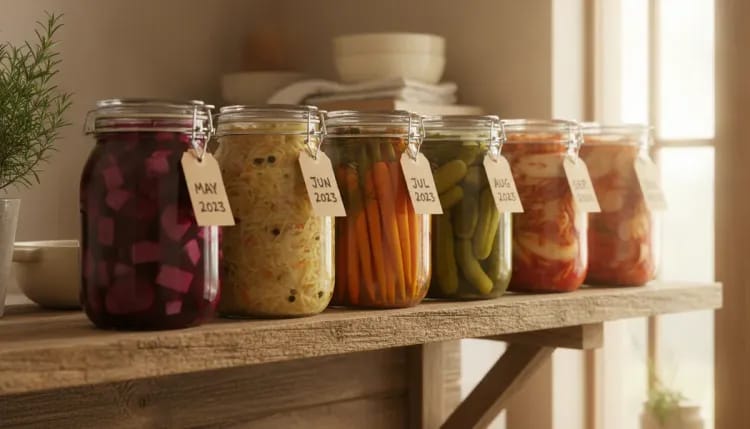
- Lacto-fermented vegetables (sauerkraut, kimchi, pickles) → Lactobacillus species, lactic acid, B vitamins
- Fermented dairy (yogurt, kefir) → Various Lactobacillus and Streptococcus species, bioactive peptides, vitamins
- Fermented soy (miso, tempeh) → Bacillus species, enzymes, vitamin K2
- Fermented beverages (kombucha, water kefir) → Acetobacter and various yeasts, organic acids, B vitamins
Rotating through different types ensures you're getting a diverse array of beneficial compounds.
#Don't Overcook Your Ferments
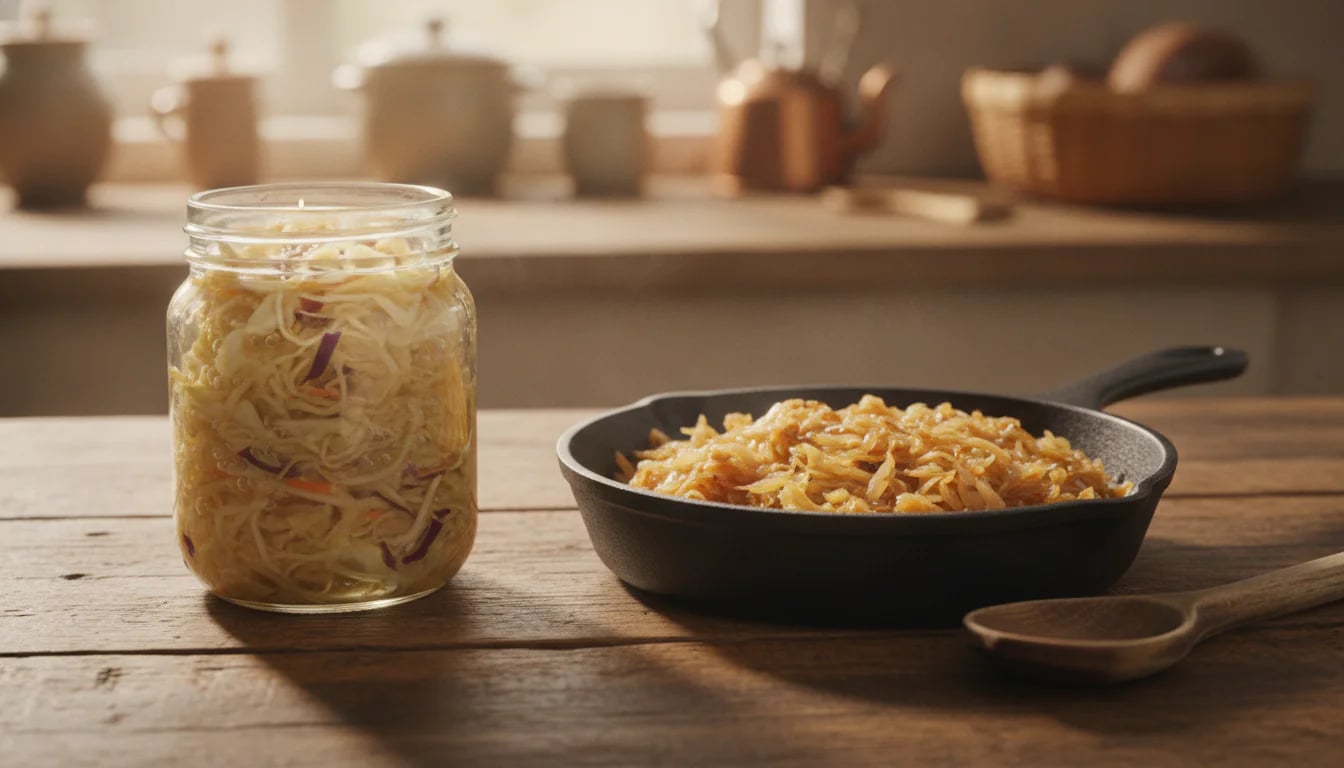
If you want the live cultures, eat your fermented foods raw or add them to dishes after cooking. For example:
- Top your hot soup with a spoonful of raw sauerkraut after serving
- Add miso paste to your soup after removing it from heat
- Enjoy yogurt cold or at room temperature
- Drink kombucha chilled
That said, even cooked fermented foods retain many postbiotic benefits, so don't stress if you prefer your kimchi in a hot stew.
#Consider Fermentation Equipment That Preserves Live Cultures
If you're fermenting at home, using proper equipment helps ensure your ferments stay alive and active:
- Fermentation weights: Keep vegetables submerged in brine, preventing mold and ensuring anaerobic fermentation
- Airlock lids: Allow CO2 to escape while preventing oxygen and contaminants from entering
- Fermentation crocks: Traditional vessels designed to maintain ideal fermentation conditions
- Tampers: Help you pack vegetables tightly and release their juices for proper brine formation
Proper equipment isn't just about convenience—it's about creating the conditions where beneficial bacteria thrive and produce maximum postbiotic compounds.
#The Bottom Line: Stop Worrying About Labels, Start Eating Fermented Foods
Here's what I want you to take away from all of this:
The probiotic vs. postbiotic distinction is scientifically important but practically less so. Whether your fermented foods contain "true" probiotics or just beneficial live cultures with postbiotics, you're supporting your gut health, immune function, and overall wellbeing.
Postbiotics are the unsung heroes. Research increasingly shows that these bacterial byproducts—the SCFAs, vitamins, enzymes, and bioactive compounds—deliver significant health benefits regardless of whether the bacteria that made them are still alive.
Diversity matters more than perfection. Rather than obsessing over whether a food is a "true" probiotic, focus on eating a variety of fermented foods regularly. Your gut microbiome thrives on diversity.
Homemade is often best. When you ferment foods at home using quality equipment like fermentation crocks, you control the process, ensure freshness, and maximize both live cultures and postbiotic content.
Trust your body. Pay attention to how you feel when you eat fermented foods. Do you digest better? Have more energy? Feel less bloated? These subjective experiences matter more than any label.
The science of probiotics and postbiotics is fascinating and evolving. Only 13% of Americans are familiar with postbiotics, despite their significant health benefits. But you don't need to be a microbiologist to benefit from fermented foods—you just need to eat them.
So go ahead: make that batch of kimchi, enjoy that bowl of yogurt, sip that kombucha. Whether you're getting probiotics, postbiotics, or both, your gut will thank you.
Disclaimer: This article is for informational and educational purposes only. It is not intended to be a substitute for professional medical advice, diagnosis, or treatment. Individual results may vary. Please consult your healthcare provider before beginning any new dietary practice, especially if you have a medical condition or take medications.