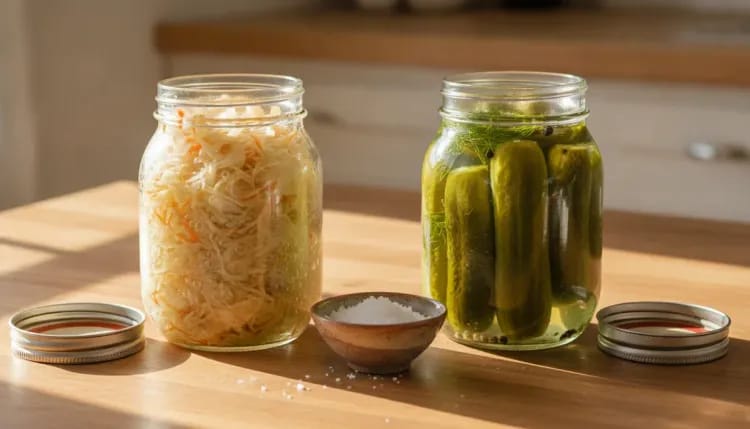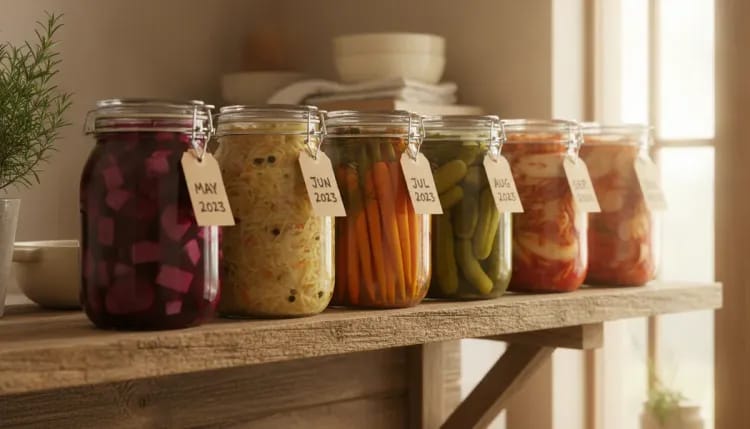

Have you ever stood in front of your fermenting jars and wondered what's actually happening in there? Beyond the bubbles and the tangy transformation, there's an entire universe of microscopic life at work—and not all bacteria are created equal.
You might have heard names like Lactobacillus or Bifidobacterium thrown around, but what do they actually mean? And more importantly, which of your favorite fermented foods contain which strains? Let's explore the fascinating world of probiotic strains together, so you can make informed choices about what you're cultivating in your kitchen and nurturing in your gut.
In this guide, we'll break down the most common probiotic strains found in fermented foods, what scientists have learned about them, and which foods are richest in each type. No PhD required—just curiosity and maybe a jar or two of something delicious.
#Understanding Probiotic Strains: The Basics
Before we dive into specific foods, let's get clear on what we mean by "strains." Think of it like a family tree: bacteria have genus names (like Lactobacillus), species names (like plantarum), and then specific strains (like Lactobacillus plantarum 299v).
Each strain has its own personality, if you will. Some are champion acid-producers, creating that signature sour tang. Others are gentle colonizers that prefer to settle in your gut lining. Some produce specific vitamins, while others excel at breaking down complex carbohydrates.
Research on the gut microbiome has revealed that diversity matters tremendously. It's not just about having probiotics—it's about having a variety of different strains working together in harmony. This is why eating a range of fermented foods, rather than relying on just one, can be so beneficial for your gut ecosystem.
A note on health information: The information shared here is for educational purposes only and is not intended as medical advice. Always consult with a healthcare professional before making changes to your diet, especially if you have existing health conditions or are taking medications.
#The Lactobacillus Family: Your Fermentation Workhorses
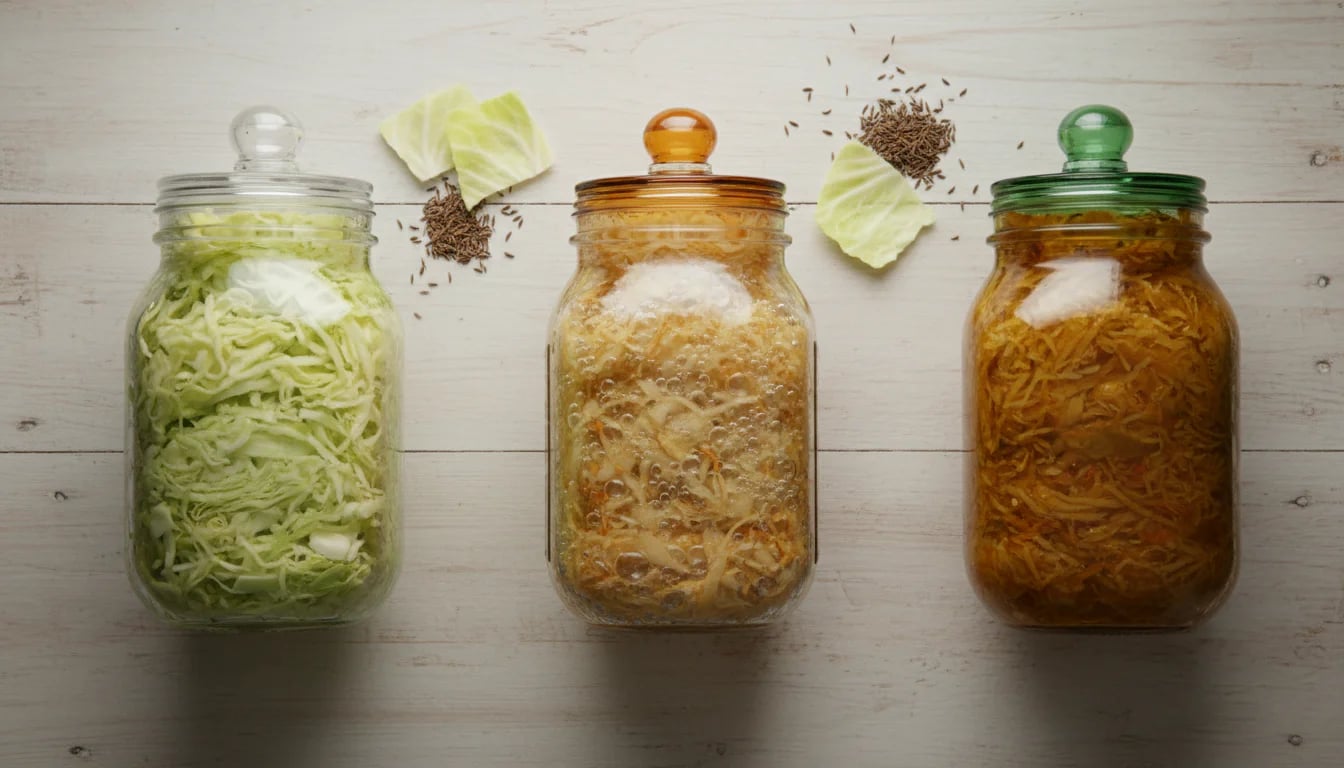
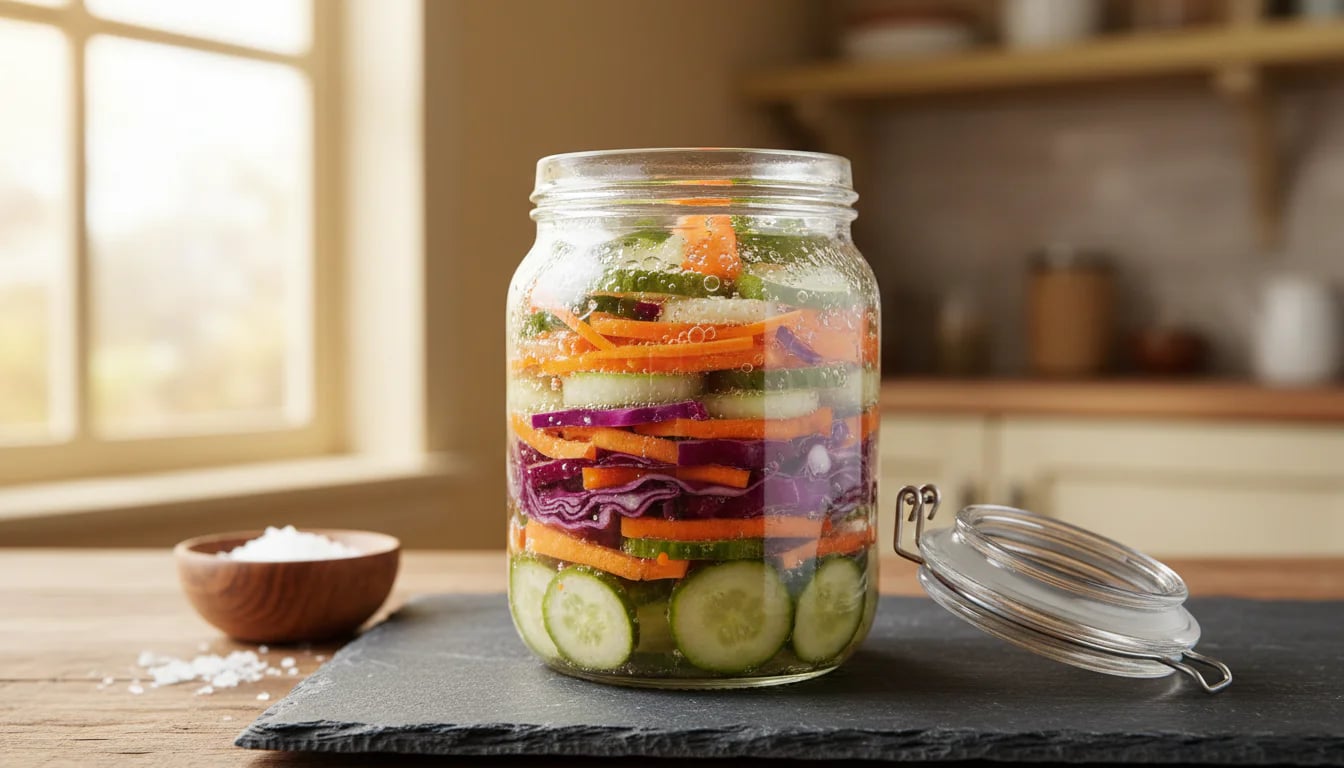
When you think of fermentation, you're probably thinking of Lactobacillus species—even if you didn't know it. These are the bacteria responsible for lacto-fermentation, the process that transforms cabbage into sauerkraut and cucumbers into pickles.
#Common Lactobacillus Strains and Where to Find Them
Lactobacillus plantarum is perhaps the most versatile strain you'll encounter. Scientists have found it thriving in sauerkraut, kimchi, pickles, and even some fermented beverages. It's known for being a hardy survivor—it can withstand the acidic environment of your stomach and potentially colonize your intestinal tract. Many fermenters appreciate that this strain produces a clean, pleasant sourness without overwhelming bitterness.
Lactobacillus brevis often appears alongside L. plantarum in vegetable ferments. Research suggests this strain may produce antimicrobial compounds that help preserve your ferments and potentially support your immune system. You'll find it in traditional sauerkraut and other lacto-fermented vegetables.
Lactobacillus acidophilus is the strain you've probably seen advertised in yogurt commercials. It's a primary culture in many dairy ferments and is one of the most studied probiotic strains. While it's naturally present in your intestinal tract, consuming it through fermented dairy may help maintain healthy populations.
Lactobacillus rhamnosus is another dairy-loving strain found in yogurt and kefir. Studies on this strain have explored its potential role in supporting digestive comfort and immune function, though individual results vary.
Lactobacillus casei rounds out the common dairy strains, often found in aged cheeses and some yogurt cultures. It's known for being particularly resilient and may survive the journey through your digestive system.
#Bifidobacterium: The Gut Specialists
While Lactobacillus species dominate fermented foods, Bifidobacterium strains are equally important for gut health—though they're less common in home ferments.
Bifidobacterium species are among the first colonizers of infant intestines and remain important throughout life. They're particularly skilled at breaking down complex carbohydrates and producing beneficial short-chain fatty acids.
You'll find Bifidobacterium strains primarily in:
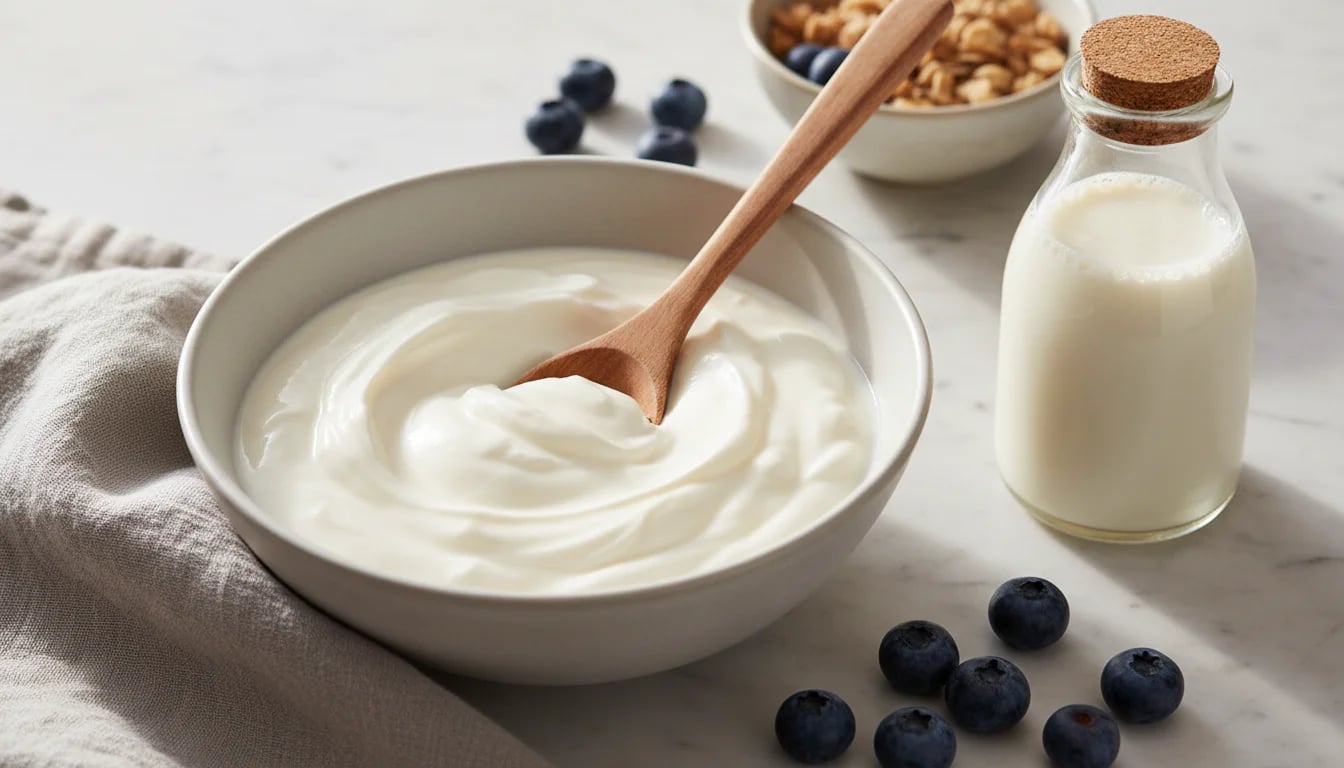
- Yogurt and kefir: Some commercial and homemade cultures include B. bifidum, B. longum, or B. breve
- Aged cheeses: Certain varieties develop Bifidobacterium populations during the aging process
- Some fermented soy products: Traditional miso and tempeh may contain these strains
While Bifidobacterium isn't as prominent in vegetable ferments, it's worth seeking out dairy or soy ferments if you want to diversify your probiotic intake. When making yogurt at home, using quality glass jars helps maintain the right environment for these beneficial bacteria to thrive.
#Leuconostoc: The Flavor Artists
Leuconostoc species might not get as much attention as their Lactobacillus cousins, but they play a crucial role in creating complex, delicious flavors in fermented vegetables.
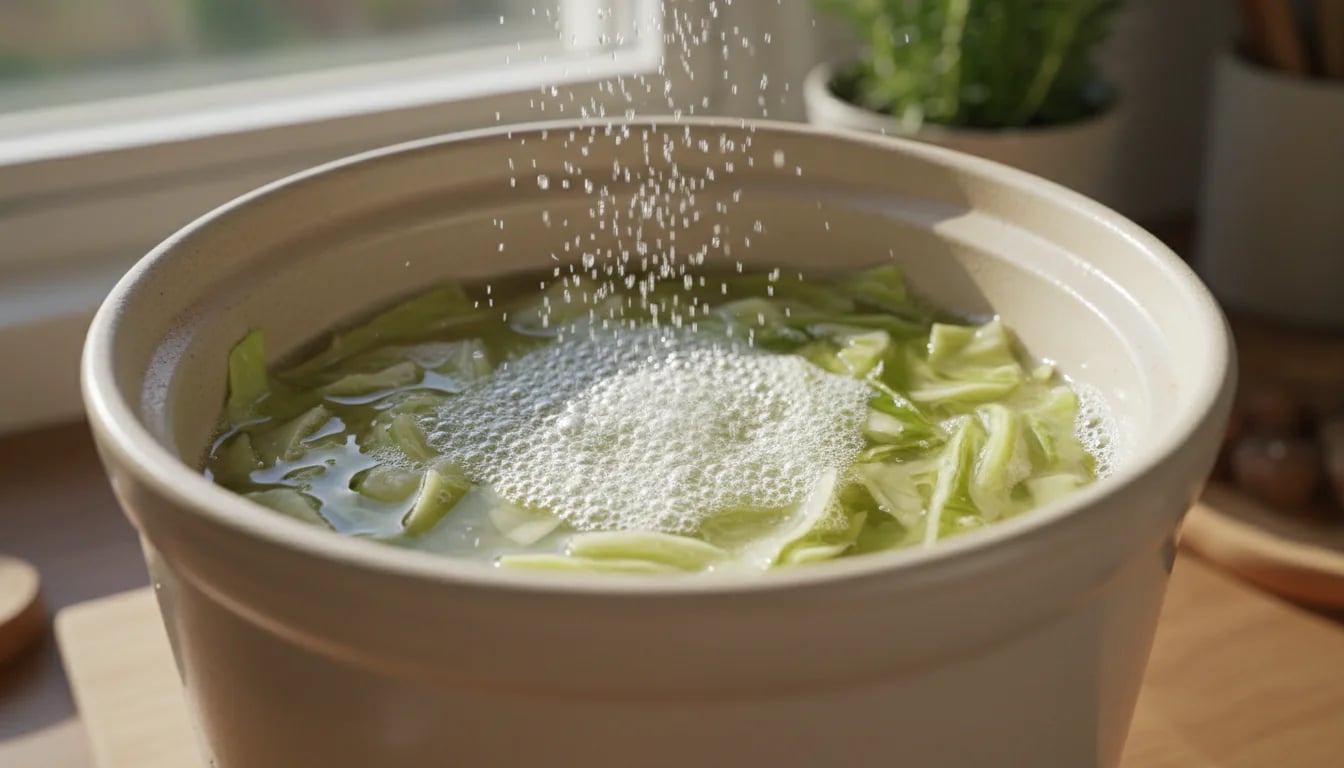
Leuconostoc mesenteroides is typically the first bacteria to get to work when you pack cabbage into a fermentation crock. It thrives in the early, less-acidic stages of fermentation, producing carbon dioxide (those exciting bubbles!), lactic acid, and various flavor compounds.
As the environment becomes more acidic, Leuconostoc passes the baton to Lactobacillus species, which continue the fermentation process. This succession of bacterial species is what creates the complex, layered flavors in well-fermented vegetables.
You'll find Leuconostoc in:
- Fresh sauerkraut and kimchi (especially in the first few days)
- Naturally fermented pickles
- Some fermented dairy products
This is why fermentation is as much art as science—the interplay between different bacterial species creates flavors that can't be replicated by adding a single probiotic strain.
#Streptococcus and Pediococcus: The Supporting Cast
While less famous than Lactobacillus, these genera contribute important characteristics to fermented foods.
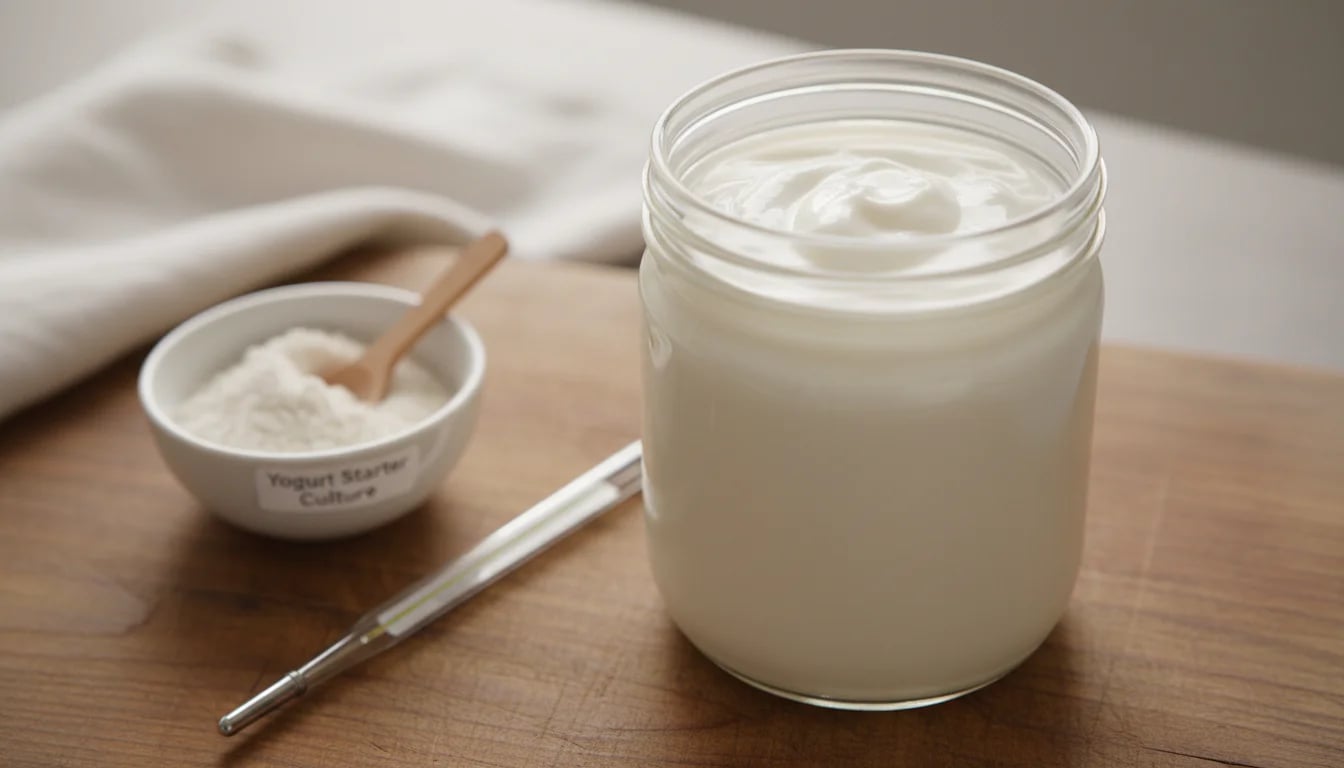
Streptococcus thermophilus is a heat-loving bacteria essential for yogurt making. It works in partnership with Lactobacillus bulgaricus to create that signature yogurt texture and tang. This symbiotic relationship is fascinating—each strain produces compounds that help the other thrive.
Pediococcus species are salt-tolerant bacteria that excel in high-salt ferments like soy sauce and some styles of kimchi. Pediococcus pentosaceus and P. acidilactici can handle conditions that would inhibit other bacteria, making them valuable for certain fermentation styles.
These strains remind us that fermentation is a team effort. The most successful ferments often involve multiple species working together, each contributing their unique capabilities.
#Acetobacter and Saccharomyces: Beyond Bacteria
Not all probiotics are bacteria! Fermented beverages introduce us to other beneficial microorganisms.
#Kombucha's Unique Ecosystem
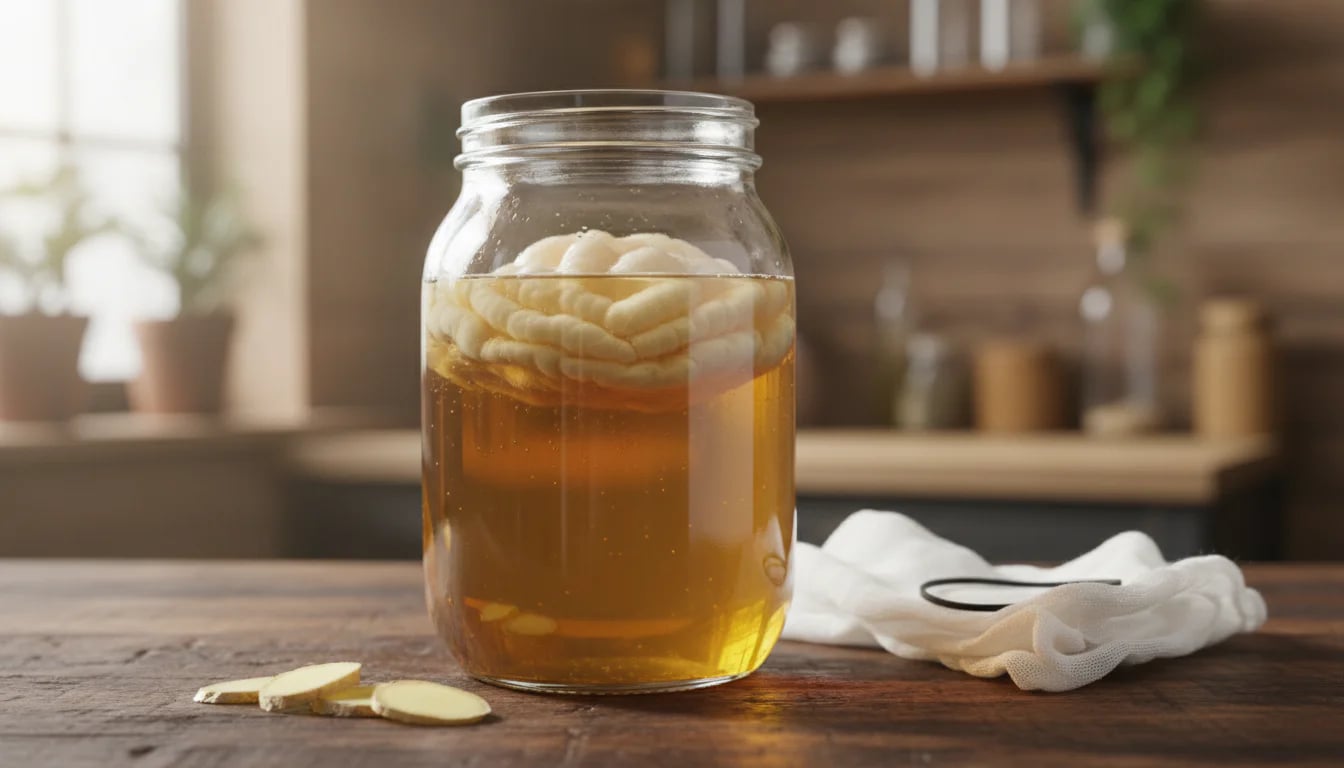
Kombucha is home to a symbiotic culture of bacteria and yeast (SCOBY). The bacterial component typically includes Acetobacter species, which convert alcohol into acetic acid, giving kombucha its characteristic tang. The yeast component—often Saccharomyces and other species—produces the alcohol that Acetobacter then transforms.
This bacterial-yeast partnership creates a beverage rich in organic acids, B vitamins, and various beneficial compounds. If you're interested in cultivating this unique ecosystem, our guide on how to make kombucha walks you through the process step by step.
#Water Kefir's Diverse Community
Water kefir grains harbor an even more diverse microbial community than kombucha, including various Lactobacillus species, Leuconostoc, yeasts, and sometimes Acetobacter. This diversity is part of what makes water kefir such a probiotic powerhouse.
The exact composition varies between different kefir grain cultures, which is why grains passed down through generations develop their own unique character and flavor profiles.
#Matching Strains to Your Goals
Now that you know which strains live where, you might be wondering: does it matter which ones you consume?
The honest answer is that we're still learning. The gut microbiome is incredibly complex, and what works beautifully for one person might have different effects for another. That said, here are some general patterns that research has suggested:
For digestive comfort: Many people find that Lactobacillus and Bifidobacterium strains from yogurt and kefir are gentle and well-tolerated. Starting with dairy ferments might be easier on your system than jumping straight into high-histamine ferments.
For immune support: Diversity seems to be key. Studies on the microbiome indicate that a varied population of beneficial bacteria may support immune function better than high doses of a single strain.
For flavor and culinary joy: This is where vegetable ferments shine. The complex interplay of Lactobacillus, Leuconostoc, and Pediococcus species creates flavors that are impossible to replicate with commercial probiotic supplements.
For specific health concerns: If you're dealing with particular digestive issues or health conditions, it's worth consulting with a healthcare provider who understands the microbiome. Some strains have been studied more extensively for specific applications, but individual responses vary significantly.
#Practical Tips for Maximizing Probiotic Diversity
Here's what I've learned about cultivating a diverse probiotic intake through fermented foods:
#Rotate Your Ferments
Rather than eating the same fermented food every day, try rotating through different types. Maybe sauerkraut with Monday's lunch, yogurt for Tuesday's breakfast, kombucha on Wednesday afternoon, and kimchi with Thursday's dinner. This exposes your gut to a wider variety of beneficial strains.
#Use Quality Equipment
The right tools make a difference in which bacteria thrive. Airlock fermentation lids help create the anaerobic environment that Lactobacillus species prefer, while keeping out unwanted aerobic bacteria. Fermentation weights keep vegetables submerged in brine, preventing surface mold and ensuring even fermentation.
#Mind Your Temperature
Different strains thrive at different temperatures. Room temperature (65-75°F) works well for most vegetable ferments, allowing a natural succession of bacterial species. Yogurt cultures prefer warmer temperatures (105-115°F), which favor Streptococcus thermophilus and Lactobacillus bulgaricus. Our fermentation temperature guide offers detailed information for different fermentation types.
#Start Fresh, Eat Aged
Younger ferments (3-7 days) tend to have higher populations of diverse bacteria, while older ferments (2-4 weeks) have more complex flavors but potentially fewer live cultures. There's value in both—fresh ferments for maximum probiotics, aged ferments for depth of flavor.
#Store Properly
Once your ferment reaches the flavor you love, refrigeration slows bacterial activity without killing the cultures. Using appropriate storage jars with tight-sealing lids helps maintain quality and probiotic content.

#When Supplements Make Sense
While this guide focuses on food-based probiotics, there's a place for supplements too. Some specific strains that have been extensively studied—like certain Lactobacillus rhamnosus or Bifidobacterium longum strains—may not be present in high concentrations in home ferments.
Supplements can provide targeted, high-dose delivery of specific strains, which might be helpful if you're working with a healthcare provider on particular health goals. However, they shouldn't replace the diverse, food-based probiotics that come with the added benefits of nutrients, enzymes, and the complex microbial communities that develop in traditional fermentation.
Think of it this way: fermented foods are like a diverse, thriving ecosystem, while supplements are more like introducing specific species to fill particular niches. Both can have value, and they're not mutually exclusive.
#The Bottom Line: Diversity Is Delicious
After exploring the world of probiotic strains, here's what stands out: diversity matters, both in your ferments and in your gut.
You don't need to memorize every strain name or obsess over which bacteria are in which jar. What matters more is cultivating a variety of fermented foods, made with care and attention, and enjoying them regularly.
Each fermented food brings its own unique community of microorganisms to your table. Sauerkraut offers hardy Lactobacillus plantarum and flavor-creating Leuconostoc. Yogurt provides Streptococcus thermophilus and various Lactobacillus species. Kombucha introduces the bacterial-yeast partnership of Acetobacter and Saccharomyces. Together, they create a symphony of beneficial bacteria that support your gut ecosystem in ways we're only beginning to understand.
The most important thing? Start somewhere. Pick one fermented food that excites you, learn to make it well, and then gradually expand your repertoire. Your gut—and your taste buds—will thank you.
For more guidance on getting started, explore our collection of beginner-friendly fermentation guides and discover which fermented foods resonate with you.
Disclaimer: This article is for informational and educational purposes only. It is not intended to be a substitute for professional medical advice, diagnosis, or treatment. Individual results may vary. Please consult your healthcare provider before beginning any new dietary practice, especially if you have a medical condition or take medications.