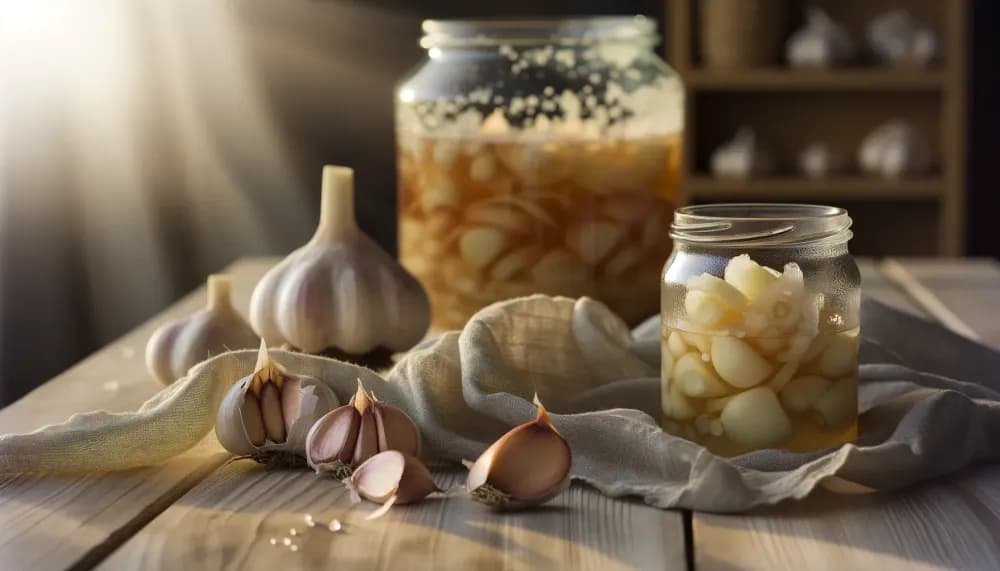
Fermented Garlic in Honey with Salt Brine
A safe, flavorful fermented condiment combining garlic and honey with salt brine for proper acidification. Perfect for adding depth to dishes while ensuring food safety.
Make It Yours
Recipe Overview
Dietary Information
Ingredients
InstructionsEnjoy the process
Important Safety Information
Critical Food Safety Note: Garlic in anaerobic (low-oxygen) environments can harbor Clostridium botulinum spores, which produce deadly botulism toxin. This recipe uses a 5% salt brine to create an osmotic environment hostile to C. botulinum and promote safe lactic acid fermentation. Do not skip the salt - it is essential for food safety, not just flavor.
You will also need a pH meter or pH test strips to verify safety before consumption. The final product must reach pH 4.6 or below.
Preparing Your Workspace
Before beginning, ensure all equipment is thoroughly cleaned with hot, soapy water. While fermentation vessels don't need to be sterilized, cleanliness prevents unwanted bacteria from competing with beneficial fermentation.
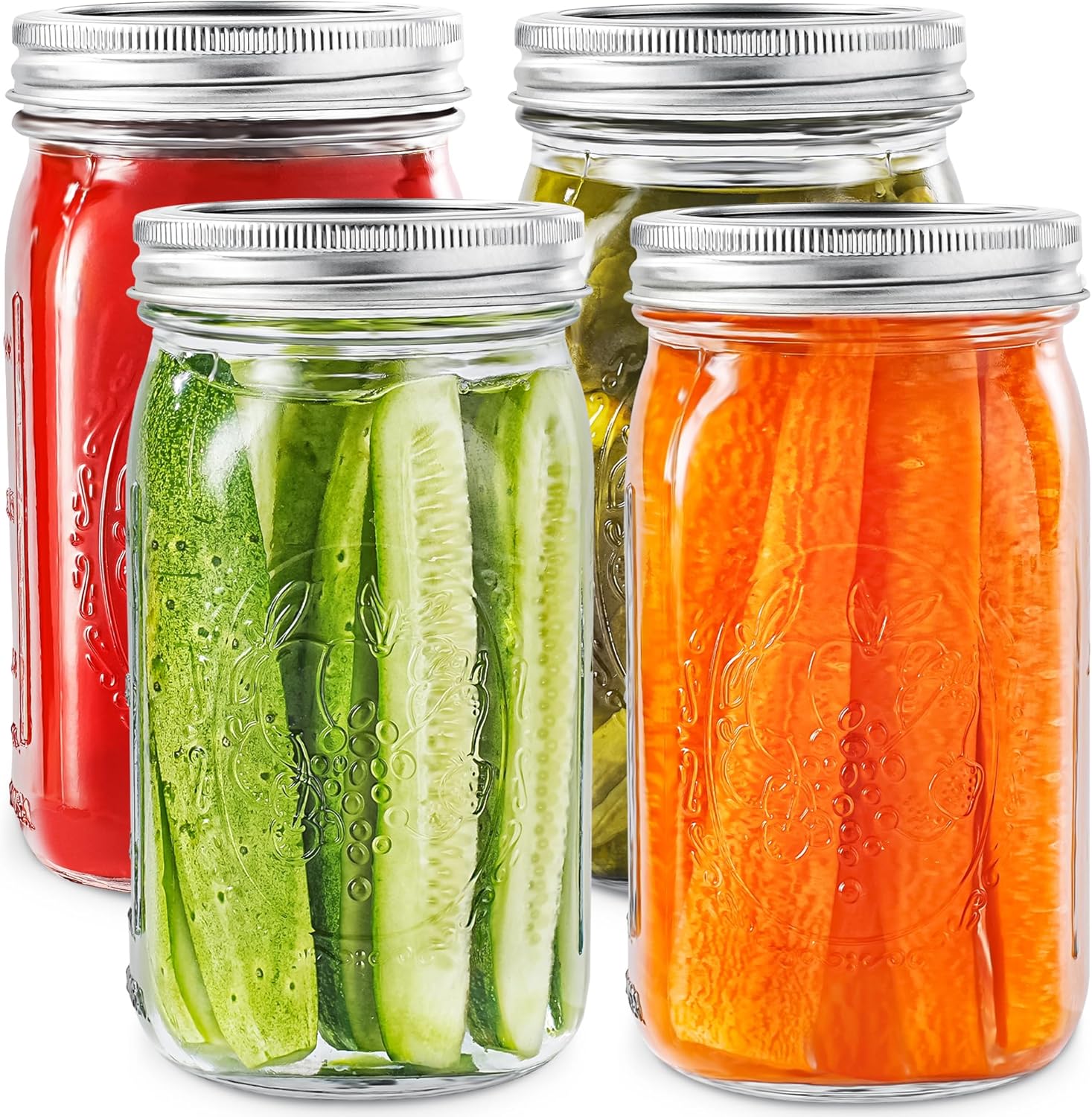
Gather your tools: Clean glass jar (pint or quart size), fermentation weight, pH meter or test strips, and a clean spoon for stirring.
Making the Salt Brine
Assembling the Ferment
Fermentation Process
Safety Verification and Storage
Troubleshooting
White film on surface: If you see a thin white film (kahm yeast), it's generally harmless but can affect flavor. Skim it off, ensure garlic stays submerged, and continue fermentation.
No bubbling activity: If you see no fermentation signs after 7 days, your environment may be too cold. Move to a warmer location (68-75°F/20-24°C) and wait another few days.
Mold growth: If you see fuzzy mold (green, black, or pink), discard the entire batch. This indicates contamination. Ensure garlic stays submerged in future batches.
Using Your Fermented Garlic Honey
Serving size: Start with 1 clove daily or 1 teaspoon of the honey. Increase gradually as tolerated. The fermented garlic is mellow and can be used in cooking, while the honey makes an excellent glaze or addition to dressings.
Culinary applications: Use the garlic in roasted vegetables, spread on bread, or add to sauces. The honey is wonderful in salad dressings, glazes for roasted meats, or drizzled over cheese.
Health considerations: While fermentation creates a flavorful condiment through wild yeast and acetic acid bacteria activity, this recipe should be viewed primarily as a culinary enhancement rather than a probiotic supplement. The high sugar content and antimicrobial properties of honey limit beneficial lactic acid bacteria growth compared to traditional vegetable ferments. If taking blood thinners or have digestive sensitivities, consult your healthcare provider before regular consumption.
FODMAP note: Garlic is high in FODMAPs. While extended fermentation (3+ months) may reduce FODMAP content somewhat, this recipe is not suitable for strict low-FODMAP diets.
Frequently Asked Questions
More to discover
Recommended Equipment4 items
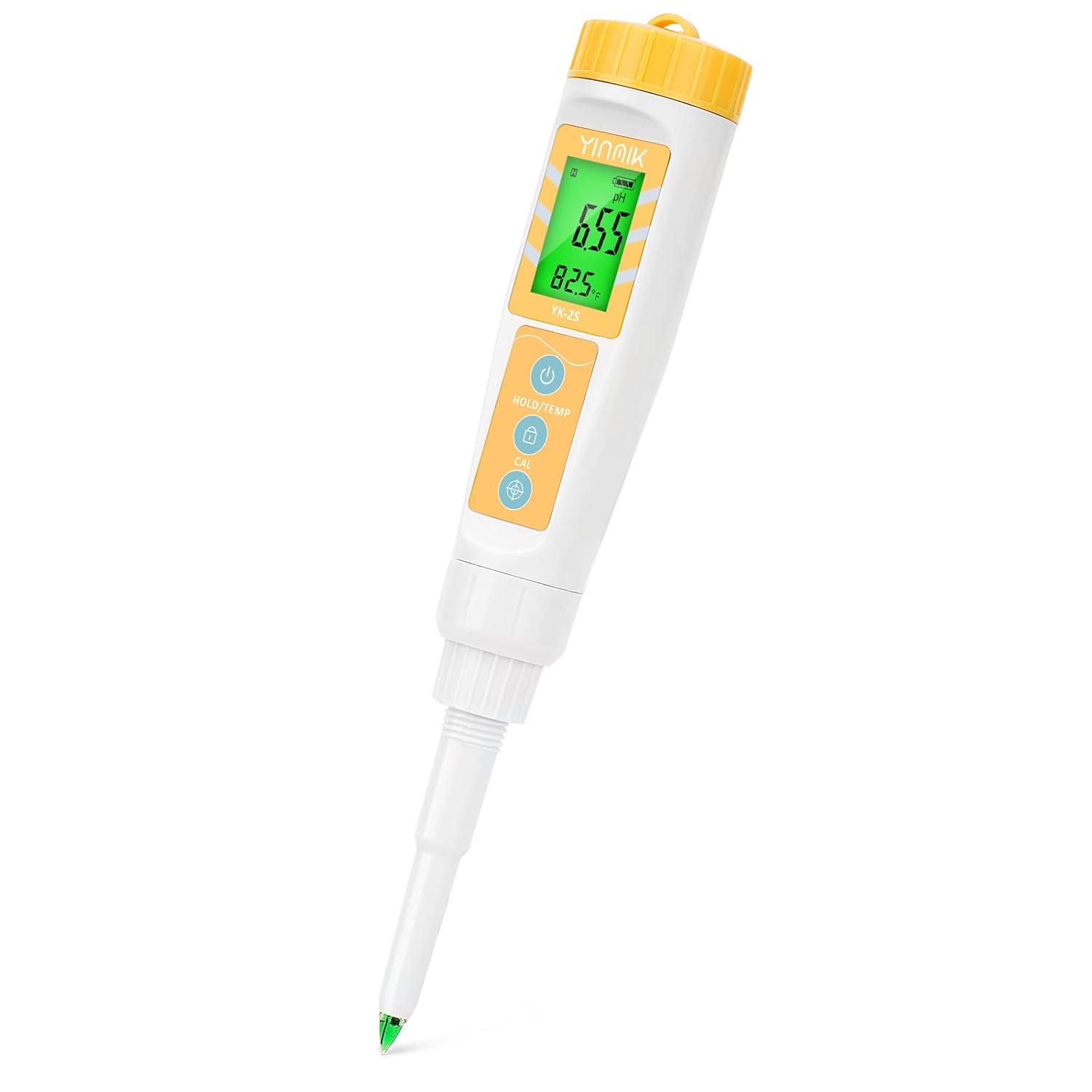
YINMIK Digital pH Meter for Food
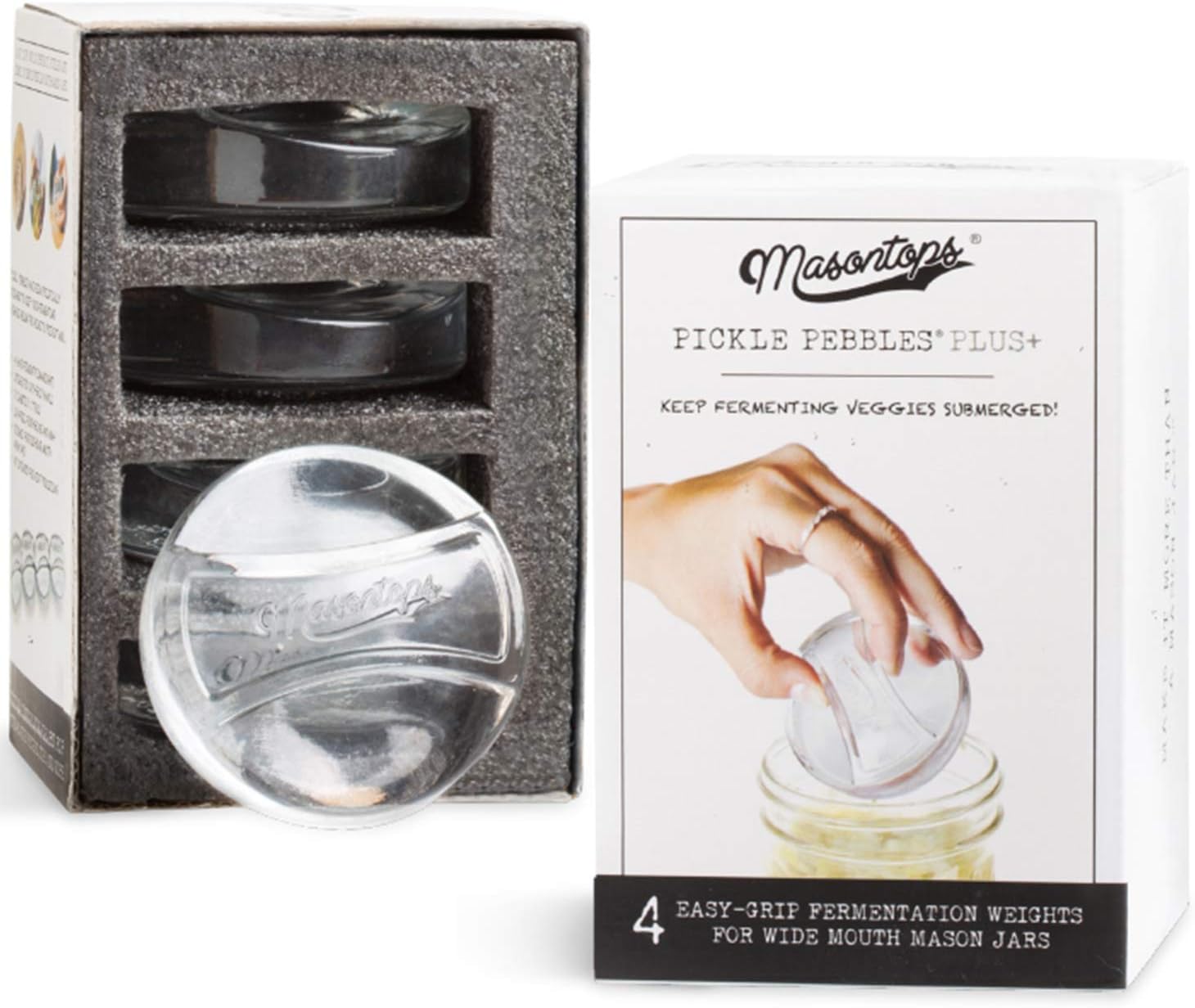
Masontops Pickle Pebbles – Glass Weights for Wide Mouth Mason Jar Fermentation (4-Pack)
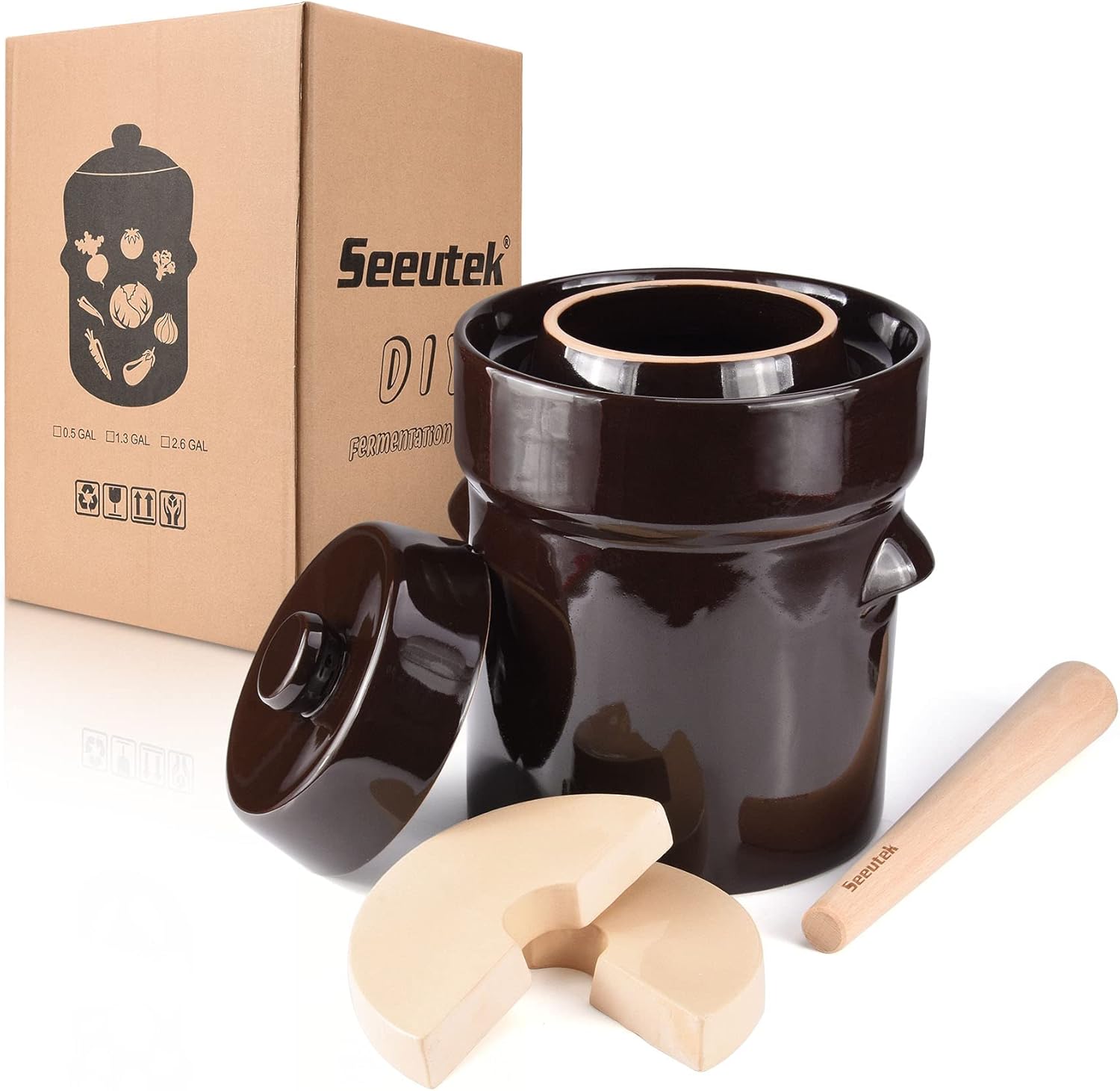
Seeutek Fermentation Crock Jar 5L – Stoneware Pot with Weights, Lid & Pickle Tamper