Discover more delicious fermentation recipes similar to this one.
Fermentfulness.com
Your source for mindful fermentation recipes
Easy
Difficulty: Easy
Fermentation: 2w
How to Make Sauerkraut at Home (Ultimate Guide)
Master the art of homemade sauerkraut with this comprehensive guide. Just cabbage and salt create probiotic-rich fermented vegetables perfect for gut health and beginners.
How did it turn out?
Be the first to rate
O
Recipe by Ori Iscovici
Published
Make It Yours
Recipe by: Ori Iscovici
Published: 7/17/2026
Your fermentation journey0 / 20 items
Ingredients: 0/3Steps: 0/17
Recipe Overview
Total Time
Prep: 30m
Servings
16 people
Difficulty
Easy
Fermentation
2w
Dietary Information
Vegan
Gluten-Free
Low FODMAP
Ingredients
ingredients0 / 3
Instructions
Enjoy the process
steps0 / 17
Preparing Your Workspace
Before you begin, ensure your workspace, hands, cutting board, knife, and fermentation vessel are clean. You don't need to sterilize—just regular clean is perfect. The beneficial bacteria on the cabbage will naturally dominate in the salty environment.
Remove outer leaves: Peel away and discard any damaged or wilted outer leaves from your cabbage. Set aside one or two clean outer leaves—you'll use these later to keep the shredded cabbage submerged.
2
Quarter and core: Cut the cabbage into quarters and remove the tough core from each piece. You can save the core for juicing or discard it.
3
Shred the cabbage: Slice the cabbage into thin ribbons, about 1/8 inch (3mm) thick. You can do this by hand with a sharp knife, use a mandoline, or pulse in a food processor. Thinner shreds ferment faster and create a more tender texture. Don't worry about perfection—irregular pieces add character!
Salting and Massaging
4
Weigh your cabbage: Place the shredded cabbage in a large mixing bowl and weigh it if possible. For every pound (450g) of cabbage, you'll need about 1.5-2 teaspoons (7-10g) of salt. For a 2-pound cabbage, use 1-1.5 tablespoons total.
5
Add salt gradually: Sprinkle about half the salt over the cabbage and begin massaging with clean hands. Squeeze, knead, and scrunch the cabbage for 5-10 minutes. This is therapeutic and important—you're breaking down cell walls to release the natural juices.
6
Add remaining salt: After a few minutes, you'll notice liquid pooling at the bottom of the bowl. Add the remaining salt and continue massaging for another 5 minutes. The cabbage should reduce in volume by about half and be swimming in its own brine. If you're feeling stressed, this is wonderful mindful work—the repetitive motion is calming.
Packing the Jar
7
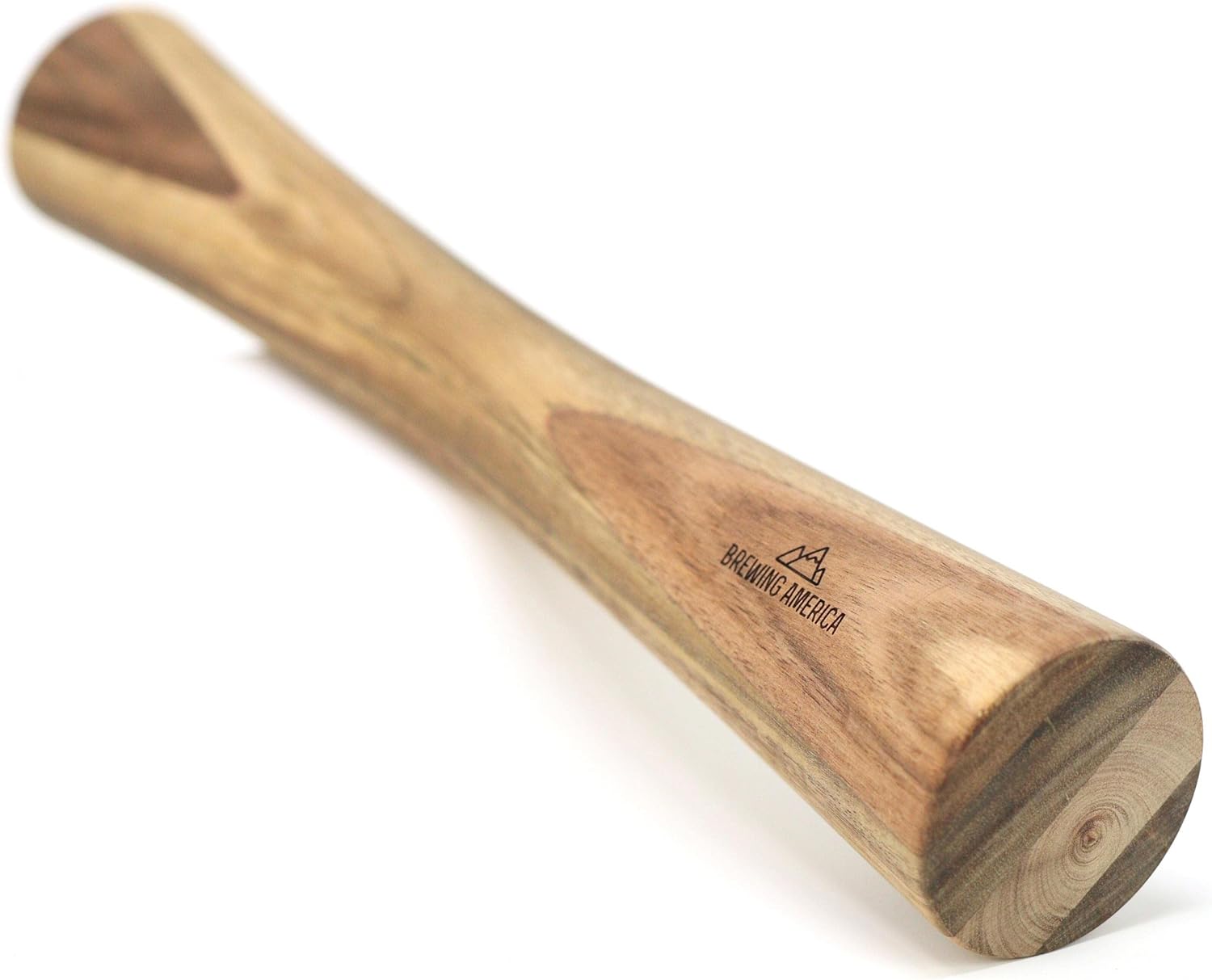
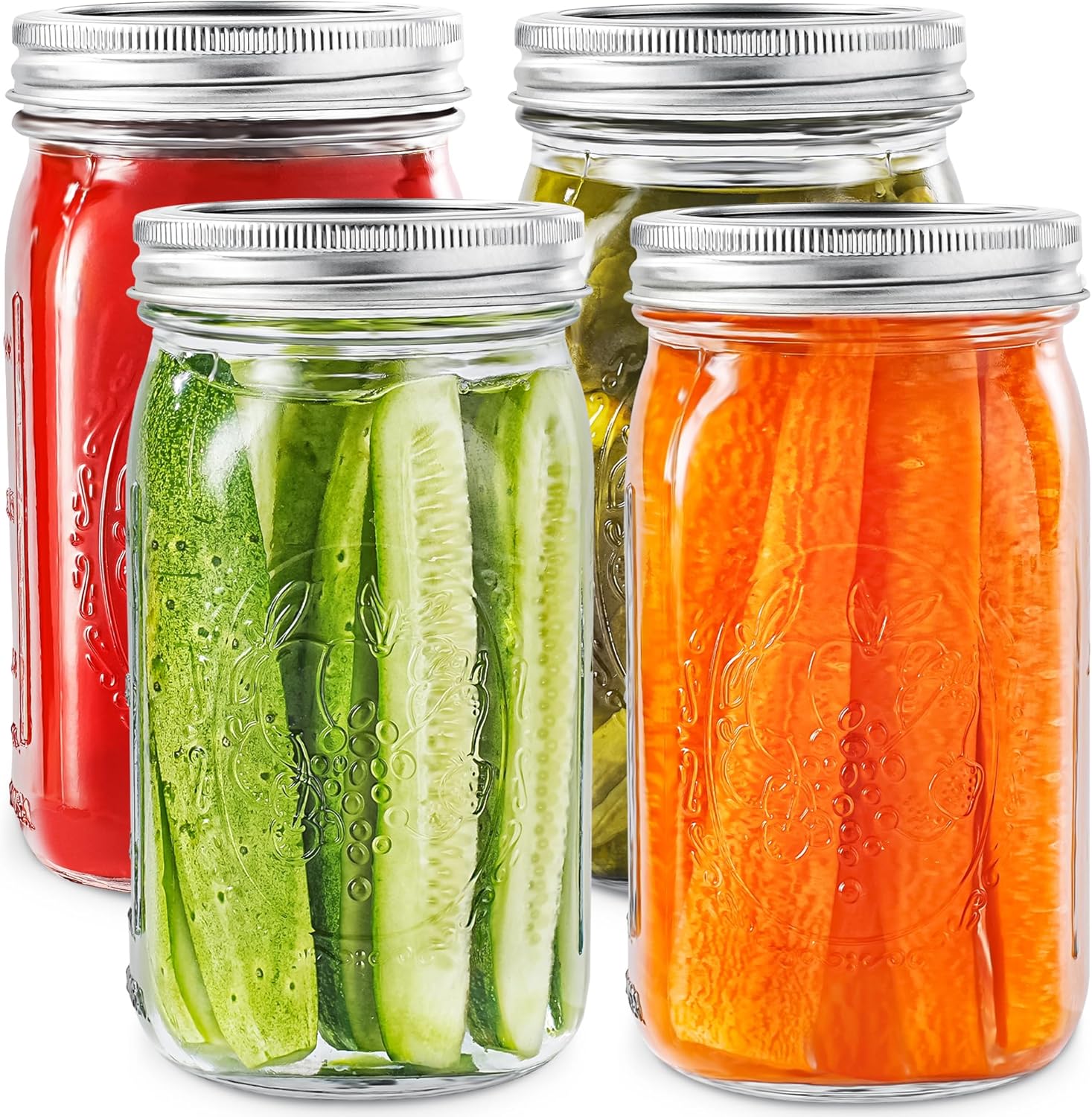
Pack tightly: Transfer the cabbage and all its liquid into your clean jar, pressing down firmly with your fist or a tamper after each addition. Pack it tightly to eliminate air pockets. Leave about 2-3 inches (5-7cm) of headspace at the top—the cabbage will expand and bubble during fermentation.
8
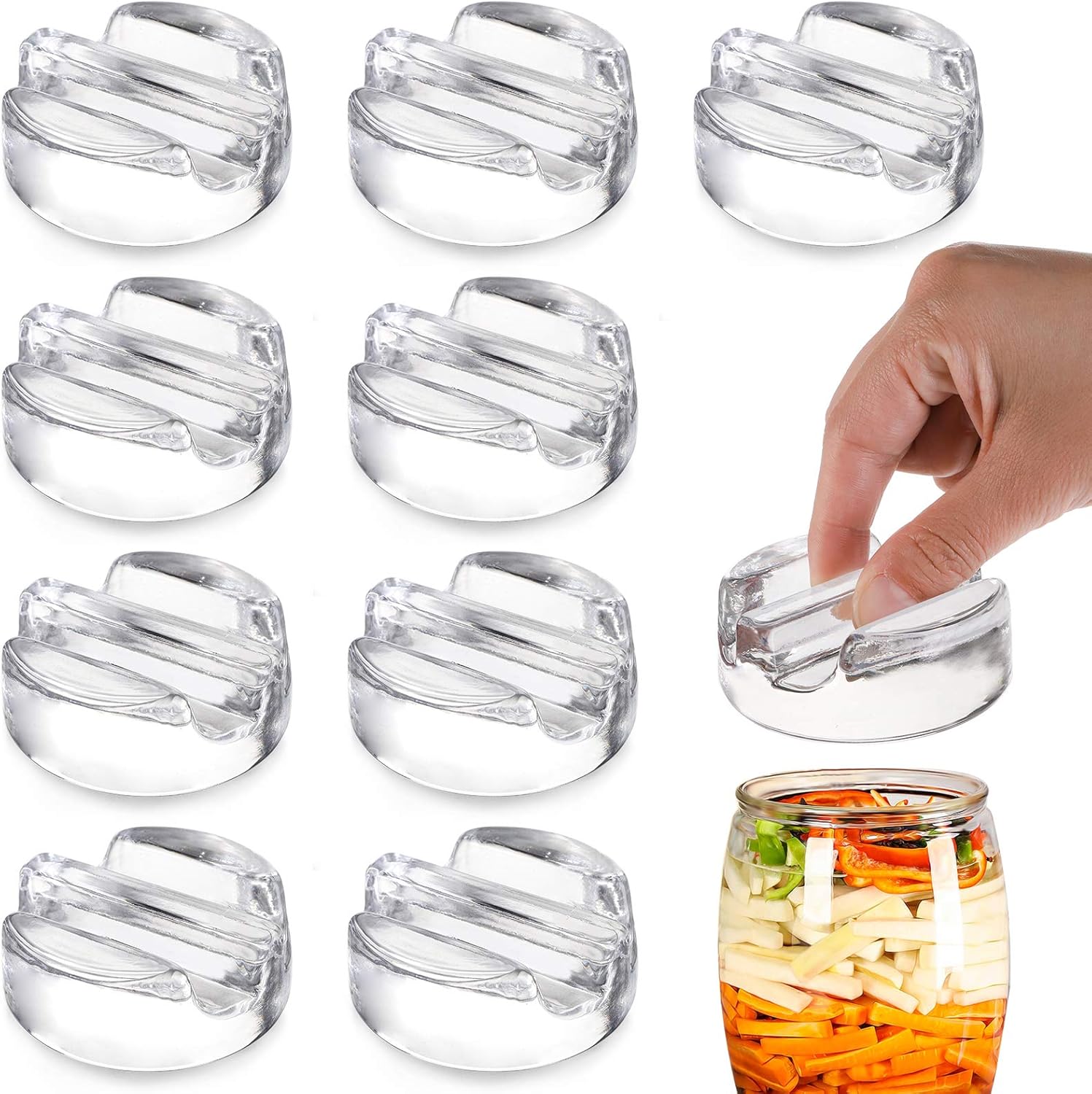
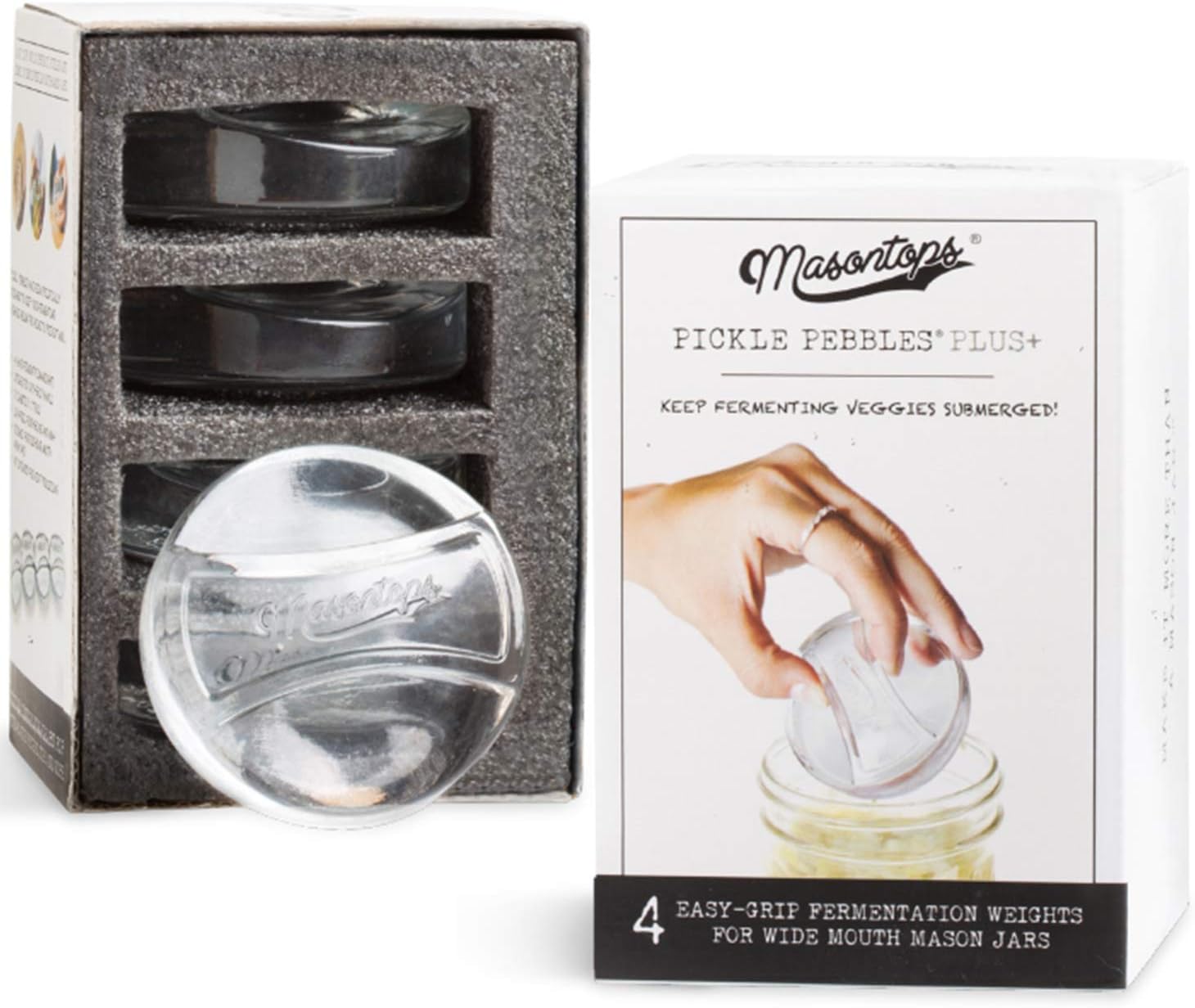
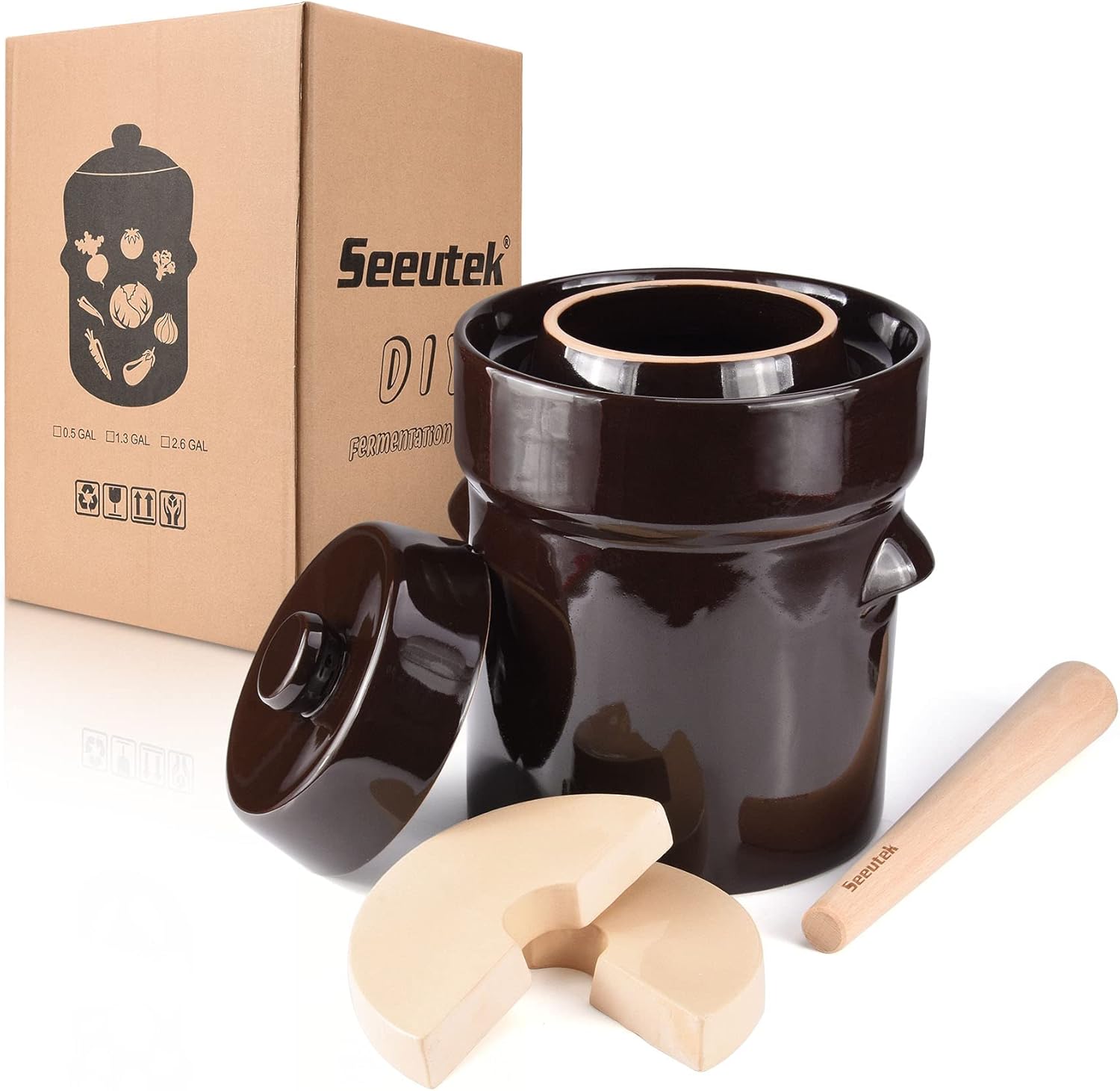
Ensure submersion: The cabbage must stay submerged under the brine to prevent mold. Pour any remaining liquid from the bowl over the cabbage. Place a reserved cabbage leaf over the surface, tucking the edges down. Top with a fermentation weight to keep everything submerged.
9
Add brine if needed: The liquid should cover the cabbage by at least 1 inch (2.5cm). If you don't have enough brine, dissolve 1 teaspoon of salt in 1 cup (240ml) of filtered water and add enough to cover.
Starting Fermentation
10
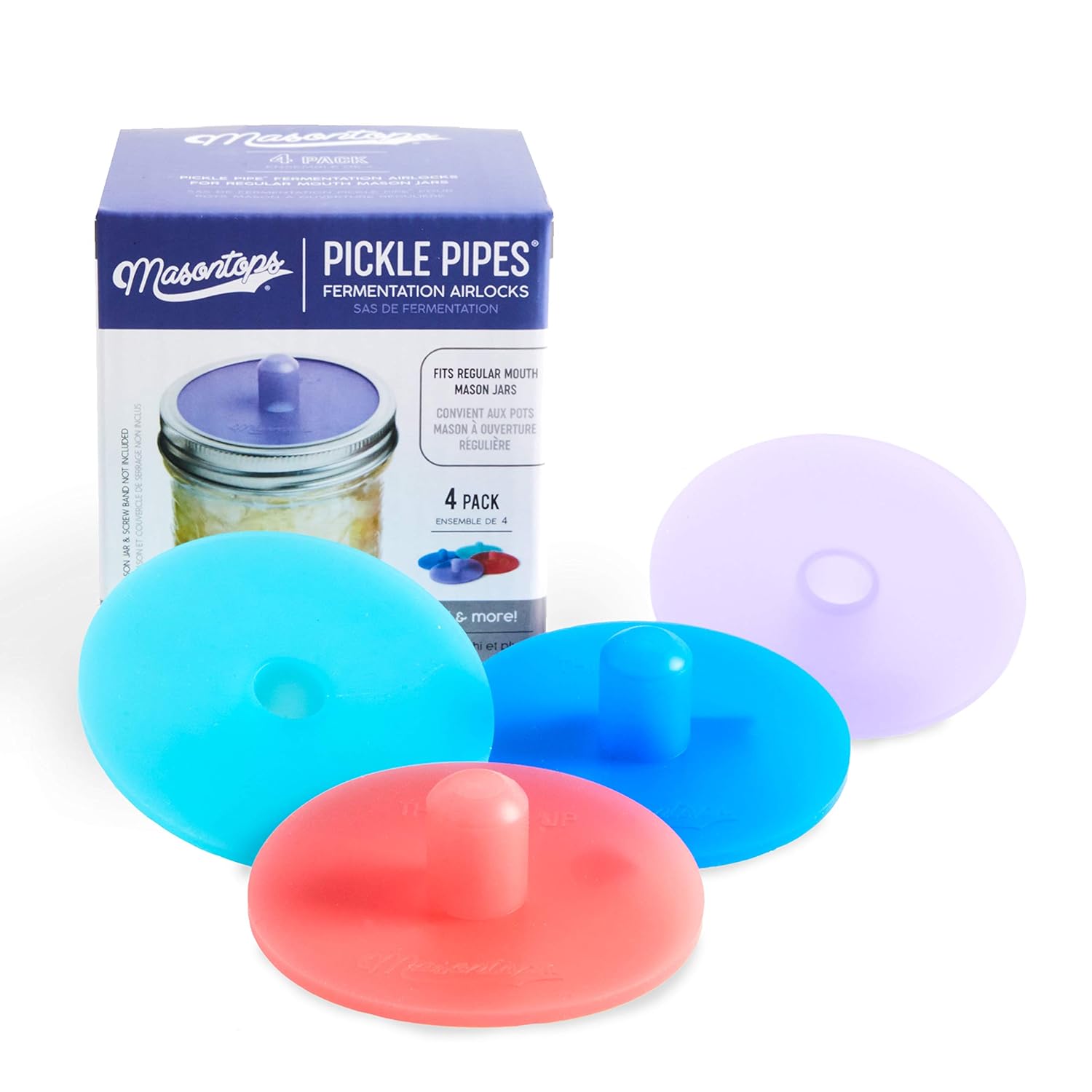
Seal the jar: If using an airlock lid, attach it according to manufacturer instructions and fill the airlock with water. If using a regular lid, screw it on loosely—you'll need to "burp" the jar daily to release carbon dioxide. Place the jar on a plate or in a shallow bowl to catch any overflow.
11
Find the right spot: Place your jar in a location away from direct sunlight where the temperature stays between 65-75°F (18-24°C). Cooler temperatures (65-68°F/18-20°C) create a slower, more complex fermentation. Warmer temperatures (70-75°F/21-24°C) ferment faster but can be softer in texture.
During Fermentation
12
Monitor daily: Check your sauerkraut daily. You should see bubbles rising within 24-48 hours—this is the lactobacillus bacteria converting sugars to lactic acid. This is the magic happening! If using a regular lid, open it once daily to release gas buildup.
13
Keep it submerged: If the cabbage floats above the brine, press it back down. If you see any white film on the surface (kahm yeast), simply skim it off—it's harmless but can affect flavor if left too long.
14
Taste as you go: After 5-7 days, start tasting your sauerkraut. Use a clean fork to pull out a small amount. It should taste pleasantly sour and tangy. Trust your senses—if it smells fresh and sour (not rotten), looks good, and tastes tangy, it's perfect.
Finishing and Storing
15
Determine doneness: Sauerkraut is ready when it reaches your preferred level of tanginess and the cabbage has softened but still has a pleasant crunch. This typically takes 1-4 weeks depending on temperature and personal preference. Beginners often enjoy it best at 2-3 weeks.
16
Store properly: Once fermented to your liking, remove the weight and covering leaf. Press the sauerkraut down, seal with a regular lid, and transfer to the refrigerator. Cold storage dramatically slows fermentation, preserving your perfect flavor.
17
Enjoy: Your sauerkraut will keep in the refrigerator for 6 months or longer, continuing to develop flavor slowly. Always use clean utensils when serving to prevent contamination.
Troubleshooting Tips
Too salty? Rinse before eating or ferment longer—the salt taste mellows over time.
Not enough brine? Make sure you massaged long enough. Next time, add a bit more salt or make a separate brine.
Mold on top? If you see fuzzy mold (not white kahm yeast), remove it and an inch of sauerkraut below it. If the smell is off, discard and start fresh. Prevention: keep everything submerged.
Too soft? Likely fermented too warm or too long. Try a cooler spot next time.
Not sour enough? Give it more time or move to a warmer location.
Your Healing Journey
Congratulations on making your first batch of sauerkraut! This simple ferment is packed with beneficial lactobacillus bacteria that support gut health, digestion, and overall wellness. Start with small amounts (1-2 tablespoons) with meals and gradually increase as your body adjusts. You've just created living food—something humans have been doing for thousands of years. Welcome to the fermentation family!