#Welcome to Your Inner Universe
Have you ever wondered what's really happening inside your gut? Right now, as you read this, trillions of microscopic organisms are working tirelessly in your digestive system—breaking down food, producing vitamins, training your immune system, and even influencing your mood. Welcome to your gut microbiome, one of the most fascinating ecosystems on Earth.
If the idea of bacteria living inside you sounds a bit unsettling, you're not alone. But here's the beautiful truth: you're not just a human. You're a walking ecosystem, a living collaboration between your human cells and the trillions of microbial partners that call your body home. Understanding this inner world is one of the most empowering things you can do for your health.
Let's explore this incredible ecosystem together—no science degree required.
#What Exactly Is the Gut Microbiome?
Think of your gut microbiome as a bustling city inside your digestive tract. Just as a city has millions of residents—each with different jobs, neighborhoods, and ways of contributing to the community—your gut hosts an estimated 100 trillion microorganisms. That's roughly ten times more microbial cells than human cells in your entire body.
This microscopic metropolis includes:
Bacteria (the main residents): Thousands of different species, with names like Lactobacillus, Bifidobacterium, and Akkermansia. Some break down fiber, others produce vitamins, and many protect you from harmful invaders.
Fungi and yeasts: Including beneficial species like Saccharomyces that help with digestion and immune function.
Viruses (mostly bacteriophages): These actually help regulate bacterial populations, keeping the ecosystem balanced.
Archaea: Ancient microorganisms that help process certain compounds and gases.
All of these organisms live primarily in your large intestine, where they form complex communities that communicate with each other and with your body. Scientists have found that the diversity and balance of these communities can influence everything from your digestion to your mental health.
#Why Should You Care About Your Microbiome?
Here's where it gets really interesting. Your gut microbiome isn't just along for the ride—it's actively shaping your health in ways researchers are only beginning to understand.
Your microbial partners help you:
- Digest foods you couldn't break down on your own, especially fiber and complex carbohydrates
- Produce essential vitamins like B vitamins and vitamin K
- Train your immune system to distinguish between friends and foes
- Protect against pathogens by crowding out harmful bacteria
- Produce neurotransmitters like serotonin and GABA that influence mood
- Regulate inflammation throughout your body
- Maintain the gut barrier that keeps toxins out of your bloodstream
Research suggests that imbalances in the gut microbiome—a state called dysbiosis—may be connected to conditions ranging from digestive issues to mood disorders, though scientists are still working to understand these complex relationships.
#How Your Microbiome Develops (And Changes)
Your relationship with your microbiome begins at birth. During vaginal delivery, babies are exposed to their mother's vaginal and fecal bacteria, which become the founding members of their gut community. Babies born via C-section receive a different initial colonization, primarily from skin bacteria, though their microbiomes typically diversify over time.
Breastfeeding further shapes the infant microbiome, as breast milk contains both beneficial bacteria and special sugars (human milk oligosaccharides) that feed specific bacterial species. It's a beautiful example of how our bodies have evolved to nurture our microbial partners from day one.
As you grow, your microbiome continues to evolve:
Infancy to age 3: Rapid colonization and development. The microbiome is highly dynamic and responsive to diet changes.
Childhood: The microbiome becomes more stable and diverse, influenced by diet, environment, pets, siblings, and antibiotic use.
Adulthood: Your microbiome reaches a relatively stable state, though it remains responsive to lifestyle factors like diet, stress, medications, and travel.
Older age: Microbial diversity often decreases, which researchers believe may contribute to age-related health changes.
The good news? Your microbiome remains remarkably adaptable throughout your life. The choices you make today—especially what you eat—can begin shifting your microbial community within days.
#What Shapes Your Microbiome?
Many factors influence the composition of your gut microbiome:
Diet: This is the most powerful tool you have. Your gut bacteria eat what you eat, and different foods feed different bacterial species. Fiber-rich foods, fermented foods, and diverse plant foods tend to promote a healthy, diverse microbiome.
Antibiotics: While sometimes necessary, antibiotics can significantly disrupt your microbiome by killing both harmful and beneficial bacteria. The effects can last for months or even years.
Stress: Chronic stress can alter gut bacteria composition and increase intestinal permeability, affecting the gut-brain axis.
Sleep: Poor sleep quality and irregular sleep patterns have been linked to reduced microbial diversity.
Exercise: Regular physical activity appears to promote beneficial bacteria and increase microbial diversity.
Environment: Where you live, whether you have pets, time spent in nature, and exposure to diverse environments all influence your microbiome.
Medications: Beyond antibiotics, medications like proton pump inhibitors, NSAIDs, and metformin can affect gut bacteria.
#Feeding Your Microbiome: The Power of Fermented Foods
Now for the really exciting part: you can actively nurture your gut microbiome through the foods you choose. And this is where fermentation becomes your secret weapon.
Fermented foods are like a welcome gift for your gut bacteria. They provide two powerful benefits:
Live beneficial bacteria (probiotics): Fermented foods contain living microorganisms that can temporarily colonize your gut, support your existing beneficial bacteria, and help crowd out harmful species.
Prebiotics and postbiotics: The fermentation process creates compounds that feed your gut bacteria and support gut health, including organic acids, enzymes, and bioavailable nutrients.
Research on fermented foods and the microbiome suggests that regular consumption may increase microbial diversity and support overall gut health. Many people report improvements in digestion, regularity, and even mood after incorporating fermented foods into their diet.
#Starting Your Fermentation Journey
If you're new to fermented foods, the variety can feel overwhelming. The good news is that you can start simple and gradually explore.
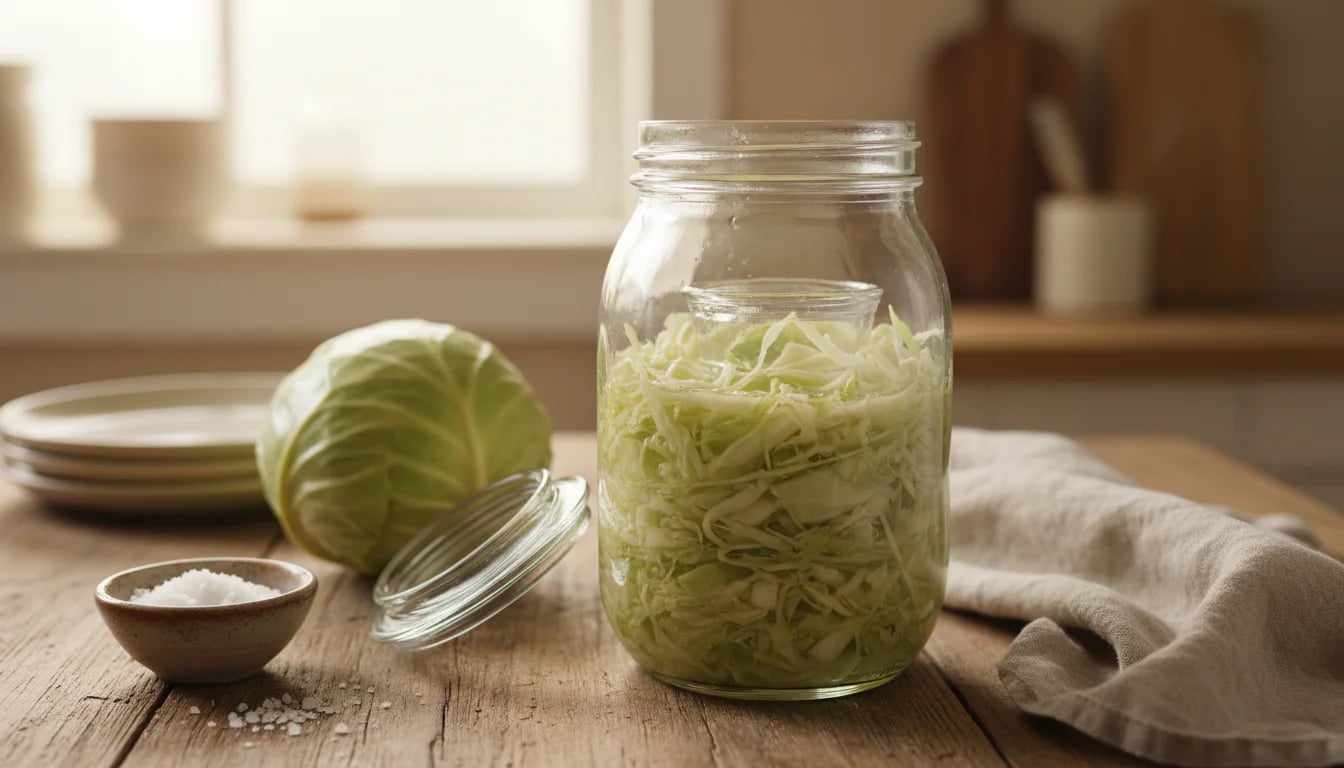
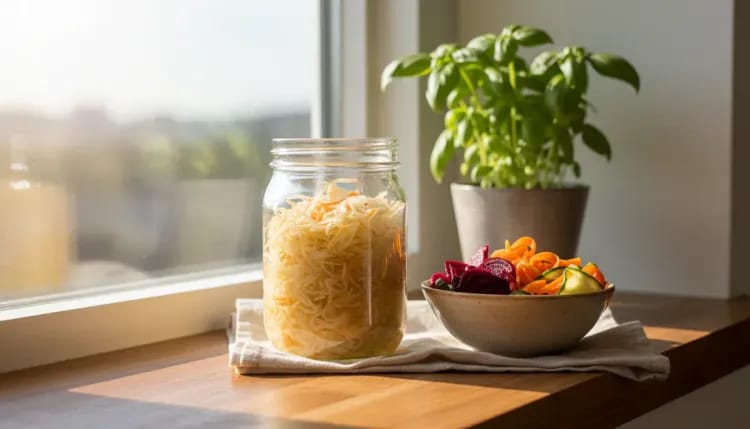
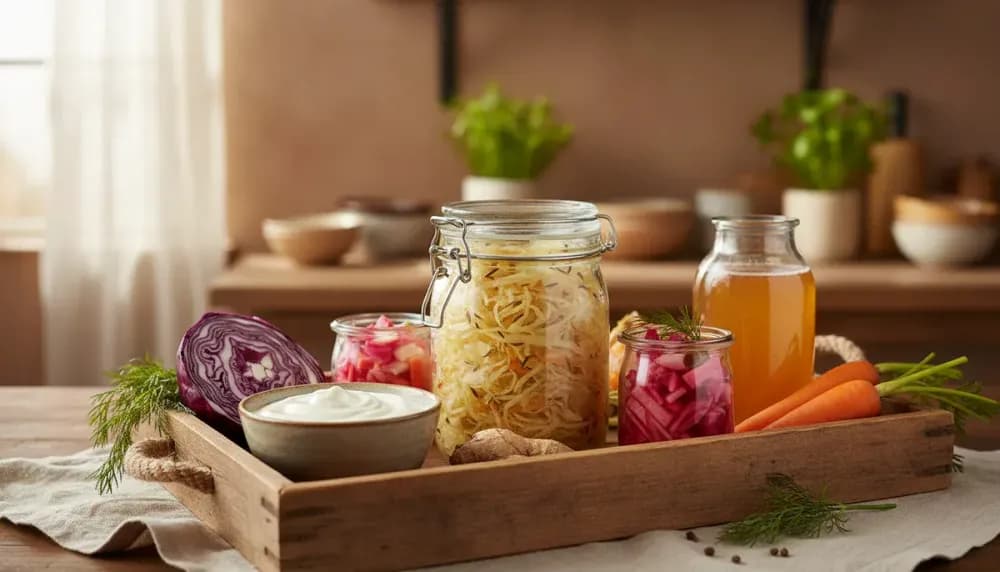
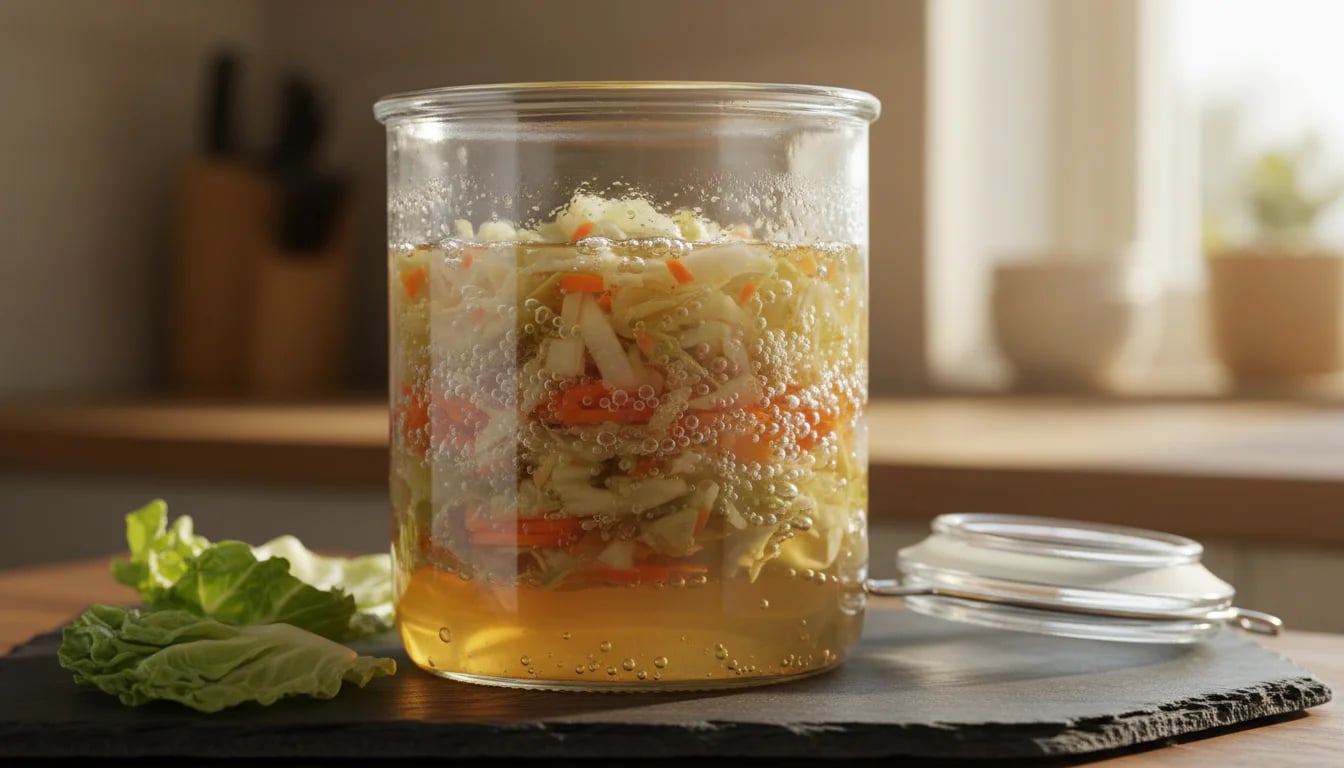
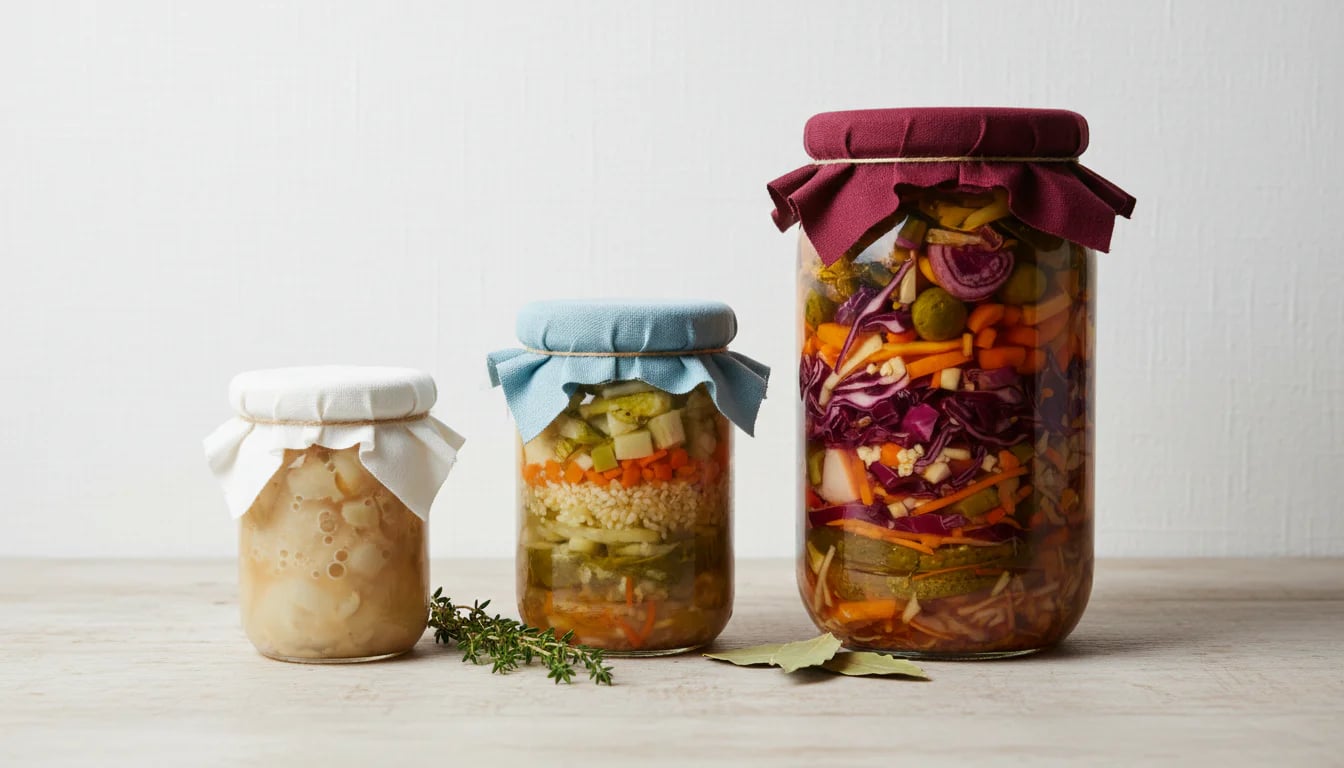
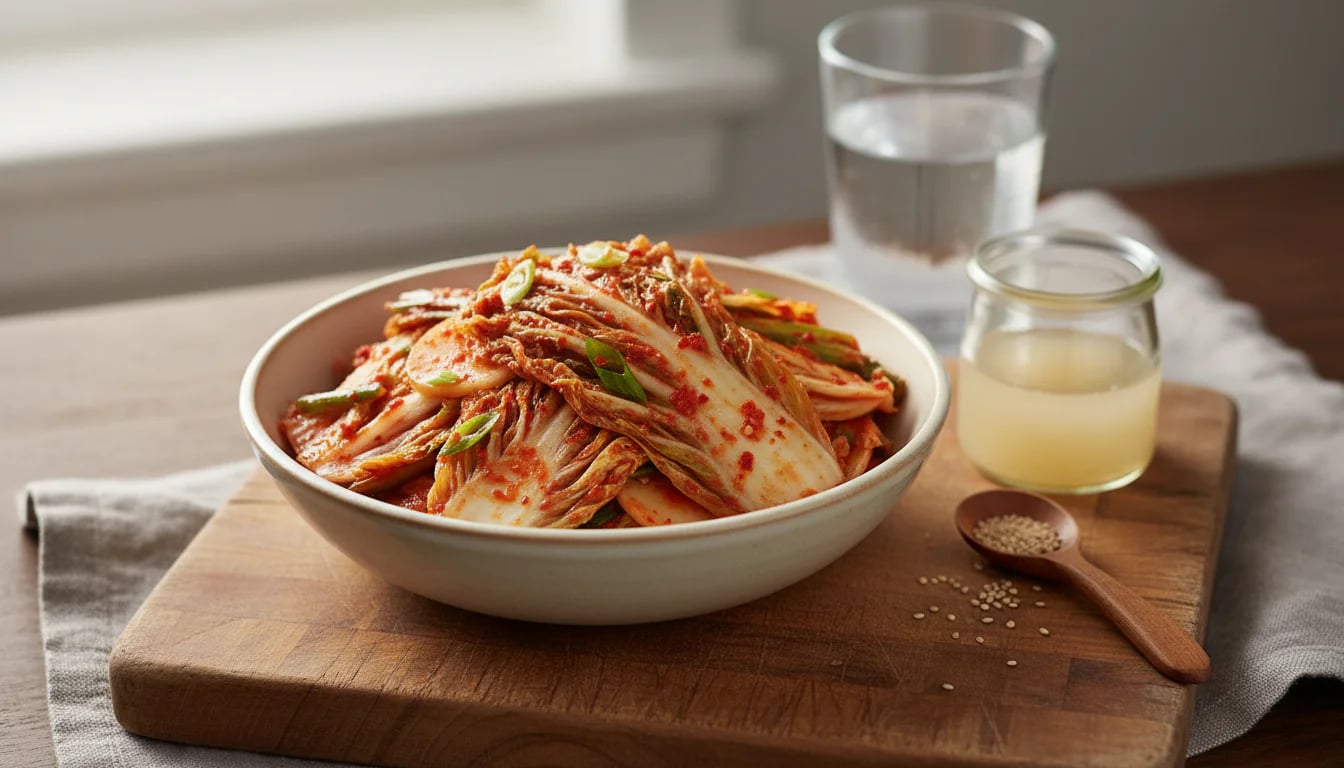
Fermented vegetables like sauerkraut and kimchi are excellent starting points. They're rich in Lactobacillus species that produce lactic acid, creating that characteristic tangy flavor while supporting gut health. Making your own sauerkraut at home is surprisingly simple—all you need is cabbage, salt, and a wide-mouth mason jar.
For a beautiful variation with added antioxidants, try red cabbage sauerkraut with caraway seeds. The vibrant purple color comes from anthocyanins, powerful plant compounds that may support gut health.
If you prefer something with a bit more kick, spicy horseradish sauerkraut adds antimicrobial compounds from horseradish while maintaining all the probiotic benefits.
Fermented beverages like kombucha offer a refreshing way to support your microbiome. Kombucha is made by fermenting sweetened tea with a SCOBY (Symbiotic Culture of Bacteria and Yeast), creating a fizzy, tangy drink rich in beneficial bacteria and organic acids. You can learn how to make kombucha at home with a kombucha brewing kit, or if you're feeling adventurous, try growing your own SCOBY from scratch.
For a unique twist, Jun tea uses honey instead of sugar and green tea instead of black, creating a lighter, more delicate flavor profile.
#Essential Fermentation Equipment
You don't need fancy equipment to start fermenting, but a few key tools make the process easier and more reliable:
Fermentation vessels: Wide-mouth mason jars work perfectly for small batches of vegetables. For larger projects, a fermentation crock with a water seal creates an ideal anaerobic environment.
Fermentation weights: Glass fermentation weights keep vegetables submerged under brine, preventing mold and ensuring even fermentation.
Storage containers: Once your ferments are ready, glass storage jars keep them fresh in the refrigerator.
For kombucha brewing, a complete brewing kit includes everything you need to get started, including the SCOBY.

#Beyond Fermented Foods: Other Ways to Support Your Microbiome
While fermented foods are powerful allies, they're just one piece of the microbiome puzzle. Here are other evidence-based strategies for nurturing your inner ecosystem:
#Eat a Diverse, Fiber-Rich Diet
Your gut bacteria thrive on dietary fiber, which they ferment into beneficial compounds called short-chain fatty acids (SCFAs). These SCFAs, particularly butyrate, feed the cells lining your colon, reduce inflammation, and may even influence your metabolism and mood.
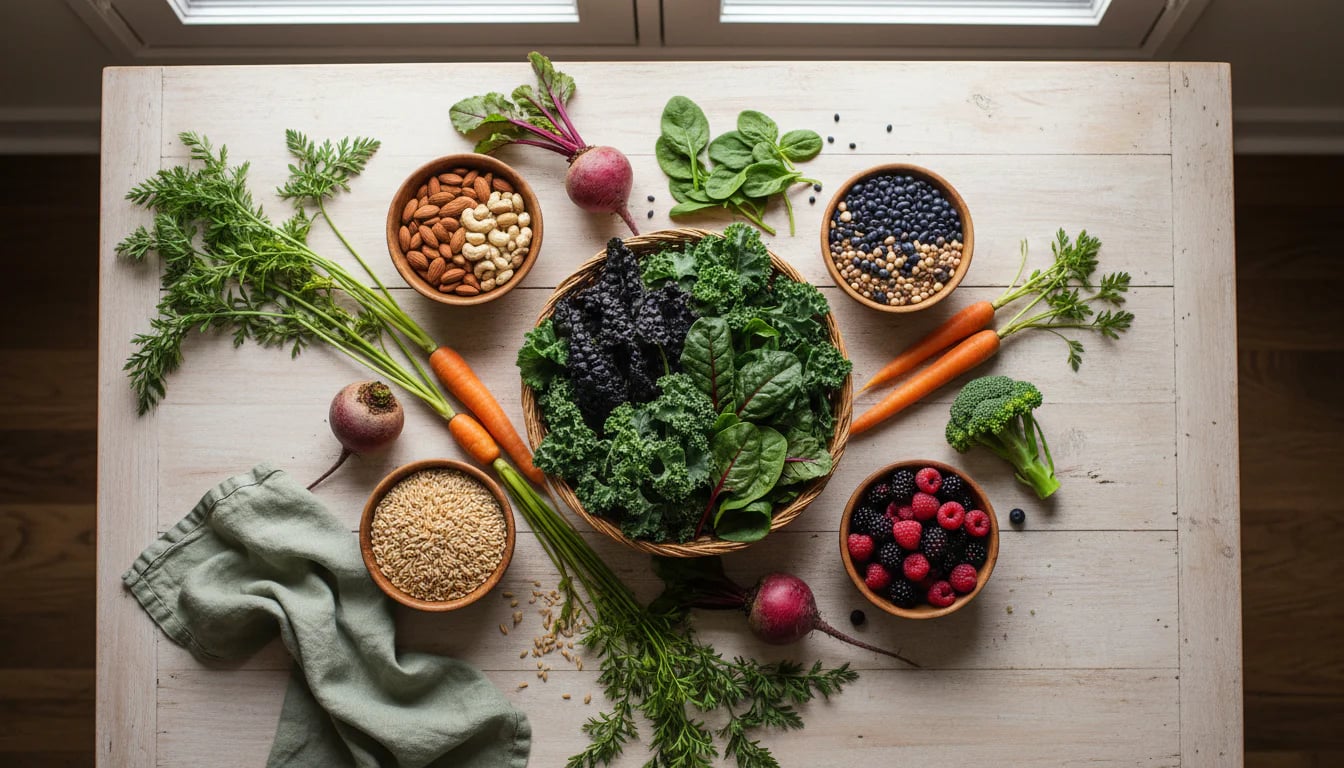
Aim to eat a wide variety of plant foods—vegetables, fruits, whole grains, legumes, nuts, and seeds. Research suggests that people who eat more than 30 different plant foods per week have more diverse gut microbiomes than those who eat fewer than 10.
Some particularly beneficial foods include:
- Prebiotic-rich foods: Onions, garlic, leeks, asparagus, Jerusalem artichokes, and slightly green bananas contain special fibers that feed beneficial bacteria
- Polyphenol-rich foods: Berries, dark chocolate, green tea, and olive oil contain plant compounds that beneficial bacteria can transform into health-promoting metabolites
- Resistant starch: Cooked and cooled potatoes, rice, and oats contain starch that resists digestion and feeds gut bacteria
#Minimize Unnecessary Antibiotics
Antibiotics save lives, and when you need them, you should absolutely take them. But they're often overprescribed, especially for viral infections where they provide no benefit.
If you do need antibiotics, you might consider:
- Taking them exactly as prescribed (never stopping early)
- Eating fermented foods during and after treatment
- Being patient with your gut as it recovers—it can take months for your microbiome to fully bounce back
- Discussing probiotic supplementation with your healthcare provider
#Manage Stress Mindfully
The gut-brain axis is a two-way street. Your gut bacteria can influence your mood and stress response, and your stress levels can affect your gut bacteria. Chronic stress can reduce beneficial bacteria, increase intestinal permeability, and alter gut motility.
Practices that may support both your mental health and your microbiome include:
- Meditation and mindfulness practices
- Regular physical activity
- Adequate sleep (7-9 hours for most adults)
- Time in nature
- Social connection
#Consider Your Environment
Your microbiome doesn't exist in isolation—it's constantly influenced by your environment. Some ways to support microbial diversity:
- Spend time outdoors and in nature
- If possible, have pets (especially dogs, which increase household microbial diversity)
- Garden or work with soil
- Avoid excessive use of antibacterial products (regular soap and water work just fine for most situations)
- Open your windows to increase indoor microbial diversity
#Signs Your Microbiome Might Need Support
While there's no single test that can tell you everything about your gut health, your body often provides clues when your microbiome is out of balance. You might notice:
- Digestive issues like bloating, gas, constipation, or diarrhea
- Frequent infections or a weakened immune system
- Skin issues like eczema or acne
- Mood changes, anxiety, or brain fog
- Food intolerances that seem to develop suddenly
- Fatigue or low energy
- Sugar and carbohydrate cravings
A note on health information: The information shared here is for educational purposes only and is not intended as medical advice. Always consult with a healthcare professional before making changes to your diet, especially if you have existing health conditions or are taking medications.
If you're experiencing persistent symptoms, it's worth discussing them with a healthcare provider. They may recommend testing or refer you to a gastroenterologist or registered dietitian who specializes in gut health.
#Microbiome Testing: Is It Worth It?
Commercial microbiome testing has become increasingly popular, with companies offering to analyze your gut bacteria composition from a stool sample. While these tests can provide interesting information about which bacterial species are present in your gut, the science of interpreting these results is still evolving.
Most experts agree that microbiome tests aren't necessary for most people. The fundamental principles of supporting gut health—eating diverse plant foods, including fermented foods, managing stress, and avoiding unnecessary antibiotics—apply to everyone regardless of their specific bacterial composition.
That said, microbiome testing might be helpful if:
- You're working with a healthcare provider on specific digestive issues
- You're curious about your microbial composition and can afford the test
- You want to track changes over time as you modify your diet
Just remember that a single snapshot of your microbiome doesn't tell the whole story, and the most important measure of gut health is how you feel.
#Your Microbiome Journey Starts Now
Understanding your gut microbiome is empowering, but it's what you do with that knowledge that matters. The beautiful thing about your microbiome is that it's remarkably responsive—the changes you make today can begin shifting your microbial community within days.
You don't need to overhaul your entire life overnight. Start small:
- Add one new plant food to your diet this week
- Try making a simple classic sauerkraut with just cabbage and salt
- Take a walk outside and notice how it makes you feel
- Practice five minutes of mindful breathing
- Get curious about the fermented foods available at your local grocery store
Your gut microbiome has been with you since birth, adapting and evolving alongside you. By nurturing this inner ecosystem with intention and care, you're not just supporting your digestive health—you're investing in your overall wellbeing, from your immune system to your mood to your long-term health.
The trillions of microbes inside you are ready to thrive. All they need is a little support from you.
Welcome to the beginning of your microbiome journey. Your inner ecosystem is waiting.