

Have you ever noticed how your mood shifts after a few days of eating poorly? For years, I watched my own outlook transform as I focused on gut-friendly eating habits—my energy soared, my attitude brightened, and life just felt more manageable. But I've also witnessed the opposite: happy, optimistic people descending into dark places after antibiotics or chemotherapy disrupted their gut ecosystems.
The growing research on the gut-brain connection is making this all make sense. Your gut isn't just digesting food—it's home to trillions of bacteria that are constantly communicating with your brain, influencing everything from your energy levels to your capacity for hope. And yet, so few people understand this connection. Let's explore how the microscopic universe in your gut might be shaping your entire outlook on life.
A note on health information: The information shared here is for educational purposes only and is not intended as medical advice. Always consult with a healthcare professional before making changes to your diet, especially if you have existing health conditions or are taking medications.
#The Gut-Brain Highway: A Two-Way Street
Your gut and brain are in constant conversation through what scientists call the gut-brain axis—a complex communication network involving nerves, hormones, and immune signals. Research suggests that the bacteria living in your intestines play a starring role in this dialogue, producing neurotransmitters and other compounds that directly influence your mood, stress response, and even your capacity for optimism.
Think of your gut microbiome as a vast ecosystem—when it's diverse and balanced, with beneficial bacteria thriving, the messages sent to your brain tend to be positive. But when harmful bacteria dominate or diversity plummets, the signals can shift toward anxiety, low mood, and that pervasive sense of pessimism that's hard to shake.
Studies on the gut microbiome have identified specific bacterial families that seem to correlate with mental wellbeing. Beneficial bacteria like Lactobacillus and Bifidobacterium species have been associated with improved mood and reduced anxiety in research settings. Meanwhile, an overgrowth of certain Proteobacteria—a family that includes many opportunistic pathogens—has been linked to inflammation and may contribute to that foggy, pessimistic mindset.

#When Good Bacteria Go Missing
Here's what I've learned through both research and lived experience: when your gut bacteria take a hit—whether from antibiotics, chronic stress, processed foods, or illness—the effects ripple far beyond digestion. You might notice brain fog, fatigue, irritability, or a creeping sense that everything feels harder than it should.
Antibiotics, while sometimes necessary and life-saving, don't discriminate between harmful pathogens and beneficial bacteria. They can wipe out entire populations of the microbes that have been quietly supporting your mental clarity and emotional resilience. Chemotherapy can have similar effects, which helps explain why cancer patients often struggle with mood changes beyond what we'd expect from the diagnosis alone.
The scientific literature supports what many of us have experienced: disruption to the gut microbiome can lead to increased inflammation throughout the body, including in the brain. This inflammatory state has been associated with depression, anxiety, and cognitive difficulties. It's not that gut bacteria are the only factor in mental health—far from it—but they're a piece of the puzzle that's often overlooked.
#My Journey from Fog to Clarity
Let me share what this looked like in my own life. For years, I struggled with low energy and a pessimistic outlook that I couldn't quite explain. I wasn't clinically depressed, but I wasn't thriving either—everything felt muted, like I was viewing life through a gray filter.
When I started focusing on gut health—incorporating fermented foods, reducing processed ingredients, and being more mindful about what I ate—the shift was gradual but undeniable. My energy improved first, then my mood began to lift. That gray filter started to clear, and I found myself approaching challenges with curiosity instead of dread. My outlook became genuinely more optimistic, not through positive thinking exercises, but through nourishing the microscopic ecosystem that had been struggling.
I've also watched friends and family members experience the opposite trajectory. Healthy, upbeat people who needed antibiotics or underwent chemotherapy sometimes emerged from treatment not just physically depleted, but emotionally altered—more anxious, more pessimistic, struggling with brain fog they'd never experienced before. Understanding the gut connection helped make sense of these changes and pointed toward potential paths for recovery.

#Rebuilding Your Inner Ecosystem
The hopeful news is that your gut microbiome is remarkably resilient and responsive to change. You're not stuck with the bacterial community you have today—you can actively cultivate a healthier, more diverse ecosystem through the foods you eat and the habits you build.
Fermented foods are one of the most powerful tools in your gut-healing toolkit. When you eat traditionally fermented vegetables, yogurt, kefir, or kombucha, you're introducing beneficial bacteria directly into your system while also providing the compounds these microbes need to thrive.
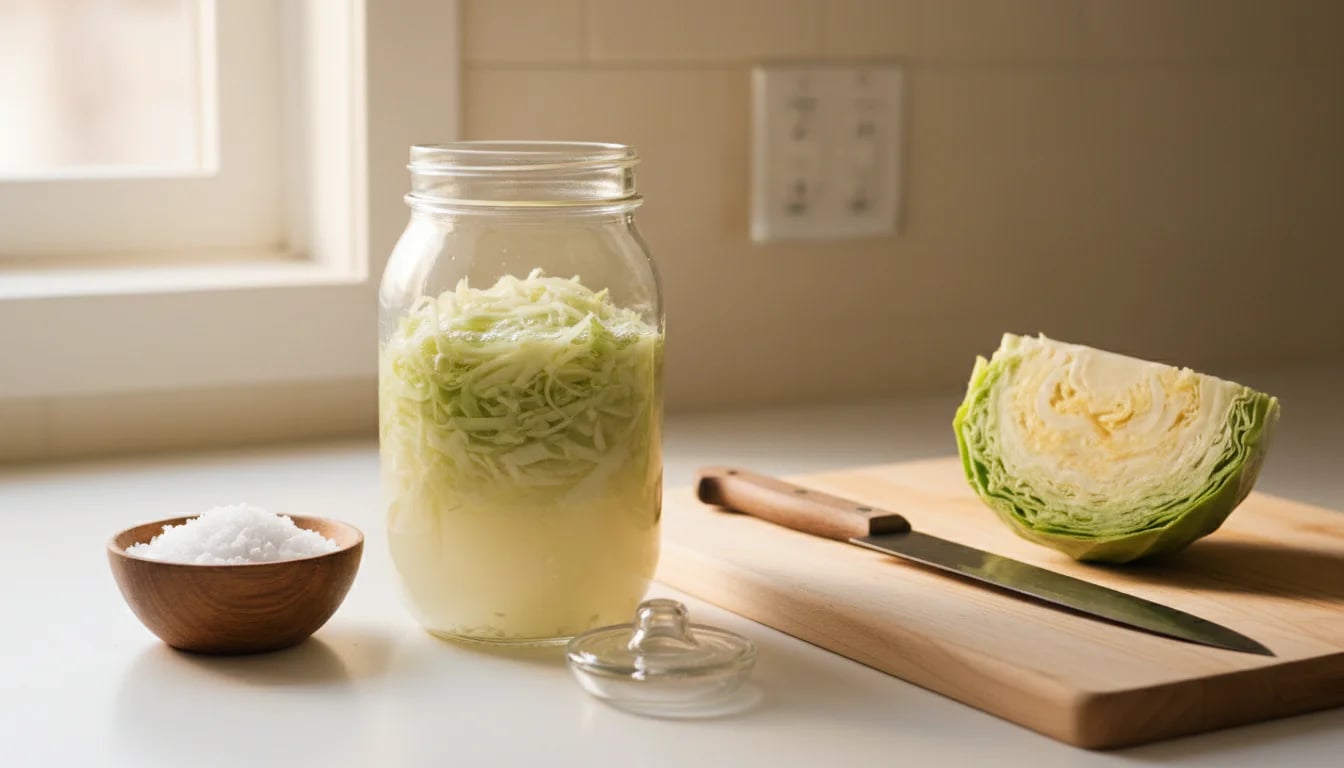
Starting a simple fermentation practice at home doesn't require fancy equipment. A basic wide mouth mason jar and some fermentation weights are enough to get you started with vegetables. For those ready to dive deeper, a fermentation crock provides a traditional vessel that makes larger batches easier to manage.
#Simple Ferments for Mood Support
You don't need to become a fermentation expert overnight. Start with one simple practice and build from there. Here are some beginner-friendly options that pack a probiotic punch:
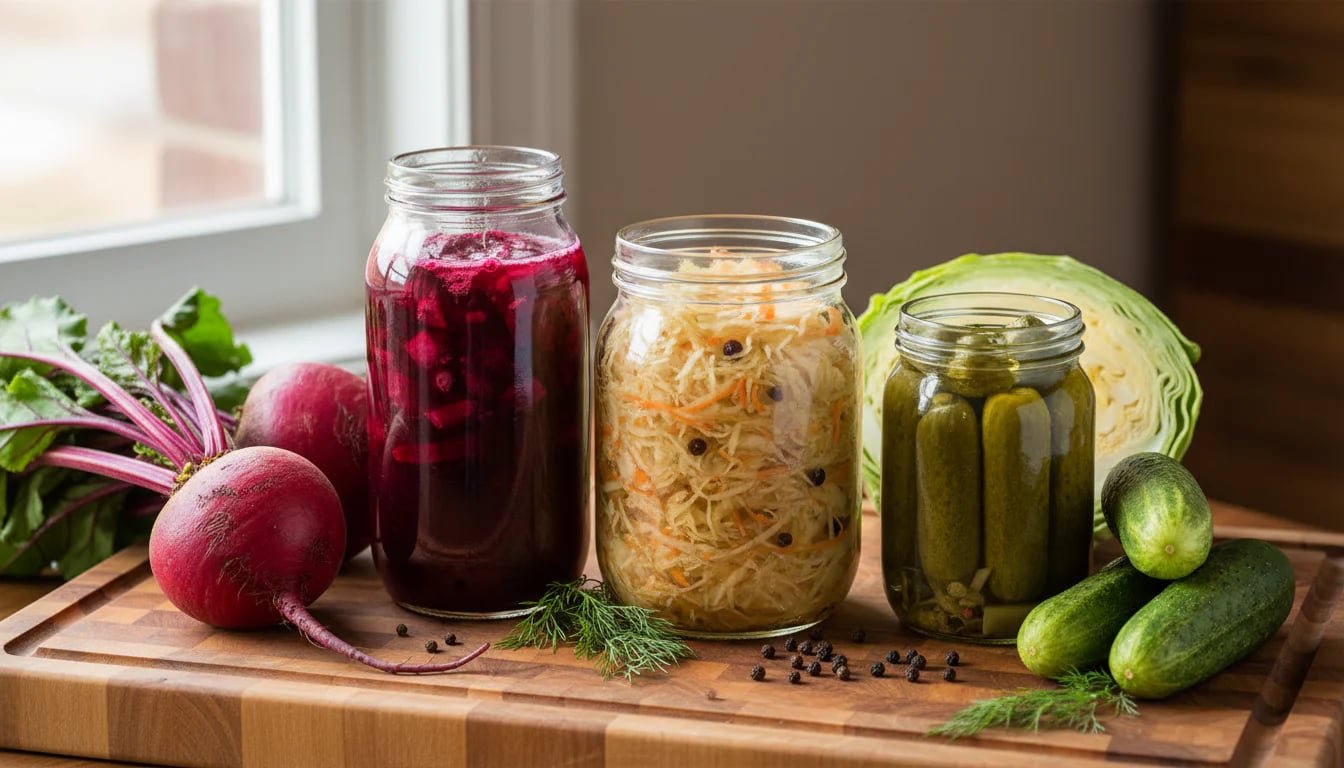
Sauerkraut and Fermented Vegetables: These lacto-fermented foods are rich in Lactobacillus species that research has associated with improved mood. Try a spicy horseradish sauerkraut for a flavorful introduction, or experiment with a golden beet and orange ferment that's as beautiful as it is beneficial.
Kombucha: This fermented tea provides both probiotics and organic acids that support gut health. If you're new to kombucha brewing, our complete kombucha guide walks you through every step. You'll need a kombucha starter kit or SCOBY with starter tea to begin.
Probiotic Yogurt: For those interested in therapeutic strains, making yogurt at home allows you to control the bacterial cultures. A precision yogurt maker maintains the exact temperatures needed for specific probiotic strains, and you can store your finished yogurt in glass yogurt jars for easy portioning.
#Beyond Food: Supporting Your Gut Galaxy
While fermented foods are powerful, they work best as part of a broader gut-supportive lifestyle. Here are other factors that influence your microbiome and, by extension, your mood:
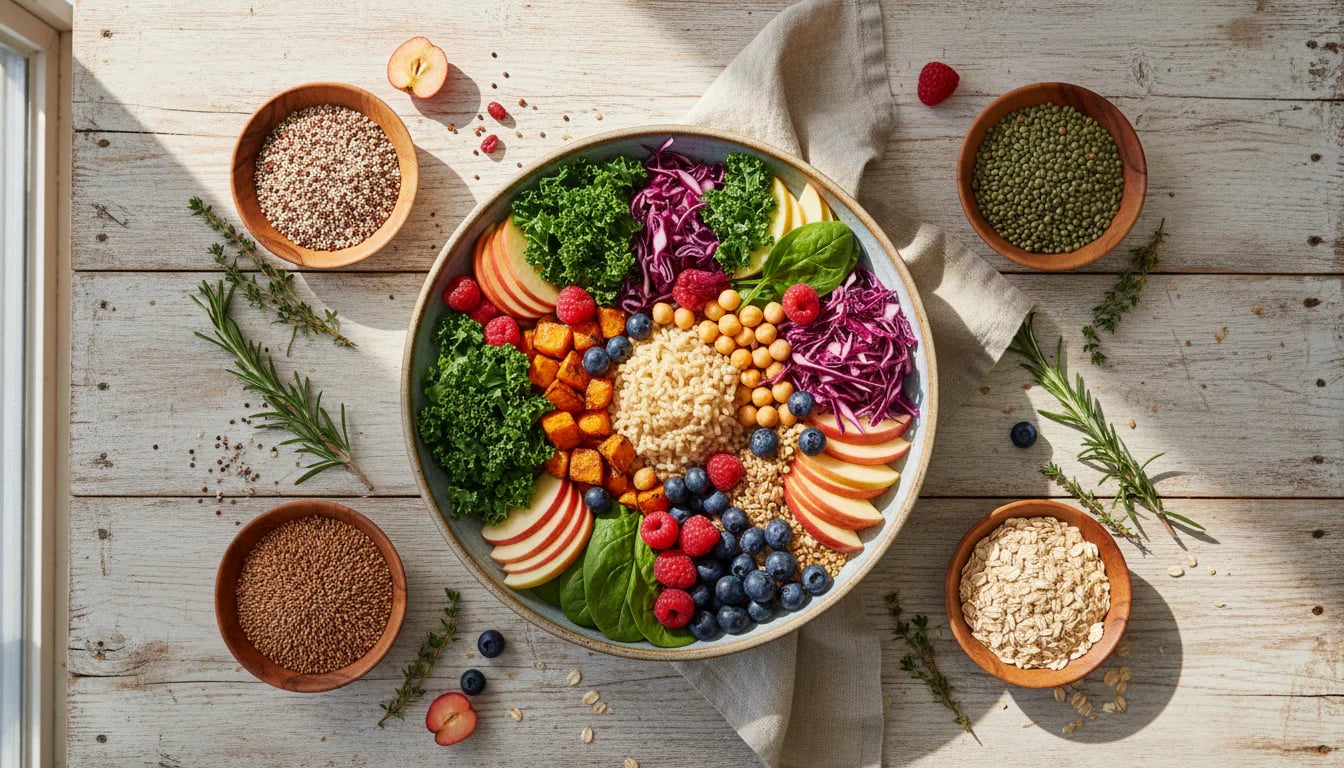
Fiber Diversity: Your beneficial bacteria feed on the fiber from vegetables, fruits, whole grains, and legumes. The more diverse your fiber sources, the more diverse your microbiome becomes. Think of fiber as fertilizer for your inner garden.
Stress Management: Chronic stress directly impacts your gut bacteria, often reducing beneficial species and allowing opportunistic ones to flourish. The gut-brain axis works both ways—just as your gut affects your mood, your stress levels affect your gut. Practices like meditation, gentle movement, and adequate sleep all support microbial balance.
Limiting Gut Disruptors: Highly processed foods, artificial sweeteners, and excessive alcohol can harm beneficial bacteria. You don't need to be perfect, but being mindful about these choices makes a difference over time.
Antibiotic Stewardship: When antibiotics are necessary, they're necessary—but it's worth having a conversation with your healthcare provider about whether they're truly needed for your situation. If you do take antibiotics, consider supporting your gut recovery afterward with fermented foods and probiotic-rich options.
#The Proteobacteria Problem
Researchers have identified that an overgrowth of certain Proteobacteria—a diverse family that includes both harmless species and opportunistic pathogens—often correlates with gut inflammation and may influence mood. When your gut ecosystem is out of balance, these bacteria can proliferate, producing compounds that trigger inflammation and potentially affecting brain function.
The good news is that cultivating beneficial bacteria through fermented foods and fiber-rich whole foods can help crowd out problematic species. It's not about eliminating Proteobacteria entirely—they're a natural part of a healthy microbiome—but about maintaining balance so they don't dominate the ecosystem.
Think of it like a garden: when you plant and nourish the flowers you want, they naturally outcompete the weeds. Similarly, when you feed and introduce beneficial bacteria, they help keep opportunistic species in check.
#Recognizing the Signs of Imbalance
How do you know if your gut bacteria might be affecting your mood? While everyone's experience is different, here are some patterns that might suggest your microbiome needs support:
- Brain fog and difficulty concentrating: That feeling of mental cloudiness that makes even simple tasks feel overwhelming
- Persistent low mood or pessimism: Not clinical depression necessarily, but a general sense that life feels harder than it should
- Energy crashes: Especially after meals or in the afternoon, suggesting blood sugar and gut issues
- Digestive symptoms: Bloating, irregular bowel movements, or food sensitivities that weren't there before
- Increased anxiety or irritability: Feeling on edge without clear external causes
- Sleep disruptions: Difficulty falling asleep or staying asleep, which both affects and is affected by gut health
If several of these resonate with you, especially after a course of antibiotics, a period of high stress, or dietary changes, your gut microbiome might benefit from some attention. This isn't about self-diagnosis—it's about recognizing patterns and considering whether gut support might be worth exploring.

#Starting Your Gut-Healing Journey
If you're ready to explore how gut health might influence your outlook, here's a gentle approach to begin:
Week 1-2: Add One Fermented Food Daily Start with something simple that appeals to you. A few forkfuls of lacto-fermented pickles with lunch, a small glass of kombucha in the afternoon, or a spoonful of fermented vegetables with dinner. Let your body adjust gradually.
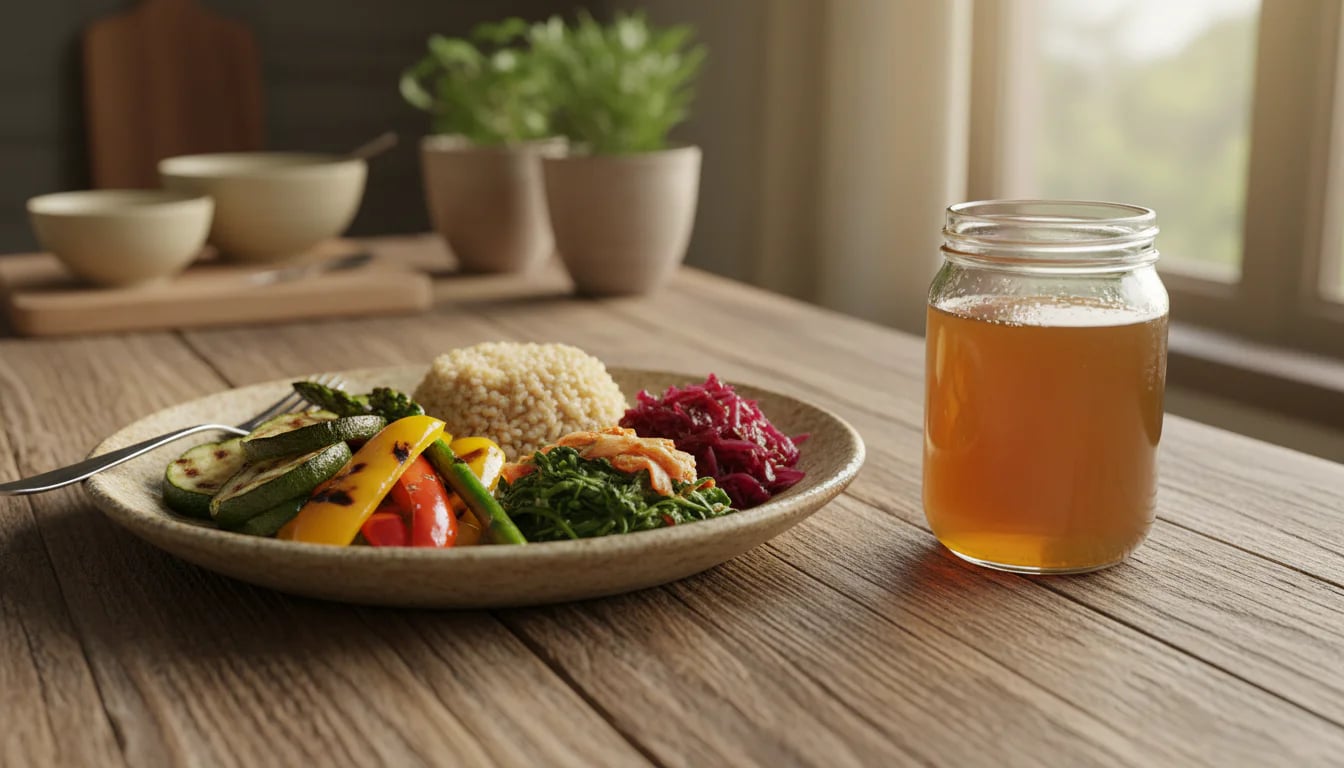
Week 3-4: Increase Fiber Diversity Add more colorful vegetables, fruits, and whole grains to your meals. Think of this as feeding the beneficial bacteria you're introducing. A beet horseradish ferment combines probiotics with prebiotic fiber in one delicious package.
Week 5-6: Try Making Your Own There's something deeply satisfying about fermenting your own foods. Start with a simple vegetable ferment using a mason jar and glass weights. The quick kimchi no-soak method is perfect for beginners.
Ongoing: Notice and Adjust Pay attention to how you feel—not just digestively, but mentally and emotionally. Do you have more energy? Is your mood more stable? Are you approaching challenges with more optimism? These subtle shifts can be profound over time.
#The Connection That Changes Everything
Understanding the gut-brain connection has been transformative for me, and I've seen it change lives for others too. When you realize that your mood, energy, and outlook aren't just products of your thoughts or circumstances—that they're also influenced by the trillions of bacteria in your gut—it opens up new possibilities for healing and growth.
This isn't about blaming yourself if you're struggling with low mood or pessimism. It's about recognizing that you have more agency than you might think. The foods you choose, the stress you manage, the sleep you prioritize—all of these influence your gut microbiome, which in turn influences how you experience life.
The research on this connection is still evolving, and there's much we don't yet understand. But the basic principle is becoming clear: your gut bacteria matter for your mental health. They're not the whole story, but they're a significant chapter that deserves attention.
For me, focusing on gut health didn't just improve my digestion—it lifted that gray filter I'd been living under. It gave me back my energy, my optimism, and my sense that life could be joyful rather than just manageable. And I've watched others experience similar transformations when they started nourishing their gut ecosystems.
You don't need to be perfect. You don't need to ferment everything or eliminate all processed foods or become a gut health expert. You just need to start somewhere—maybe with a jar of fermented vegetables, maybe with a commitment to more fiber-rich whole foods, maybe with better stress management. Small, consistent changes to support your gut bacteria can ripple out into surprising improvements in how you feel and how you see the world.
Your gut galaxy is waiting to be nurtured. And when you tend to it with care, it tends to you in return—supporting not just your digestion, but your mood, your energy, and your capacity to meet life with optimism and hope.
Disclaimer: This article is for informational and educational purposes only. It is not intended to be a substitute for professional medical advice, diagnosis, or treatment. Individual results may vary. Please consult your healthcare provider before beginning any new dietary practice, especially if you have a medical condition or take medications. If you're experiencing persistent low mood, anxiety, or other mental health concerns, please seek support from a qualified mental health professional.