Have you ever loved the idea of kombucha but found it a bit too... intense? Maybe the acidity bothered your stomach, or the flavor felt too sharp? You're not alone—and there's a beautiful alternative that's been quietly fermenting in the shadows of kombucha's popularity.
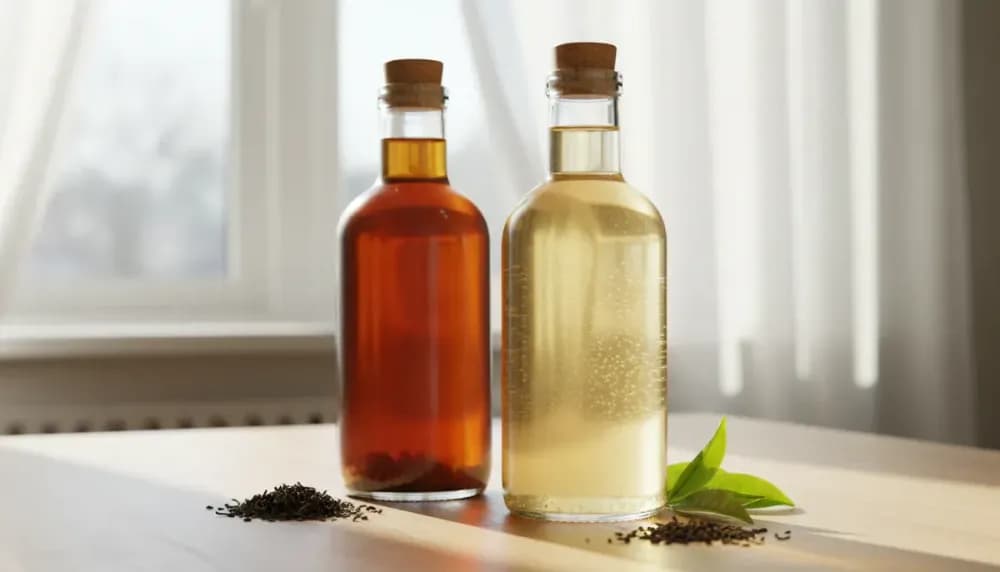
Meet jun tea: kombucha's gentler, more refined cousin. Made with raw honey and green tea instead of sugar and black tea, jun has been called the "champagne of kombucha" for good reason. It's lighter, more delicate, and—here's the part that matters most—often easier on sensitive digestive systems.
Let's explore what makes jun tea different, why it might be the fermented beverage your gut has been waiting for, and how you can start brewing this elegant elixir at home.
#What Exactly Is Jun Tea?
Jun tea is a fermented beverage that shares kombucha's probiotic benefits but with a gentler personality. While kombucha uses black tea and white sugar as its foundation, jun is traditionally made with green tea and raw honey.
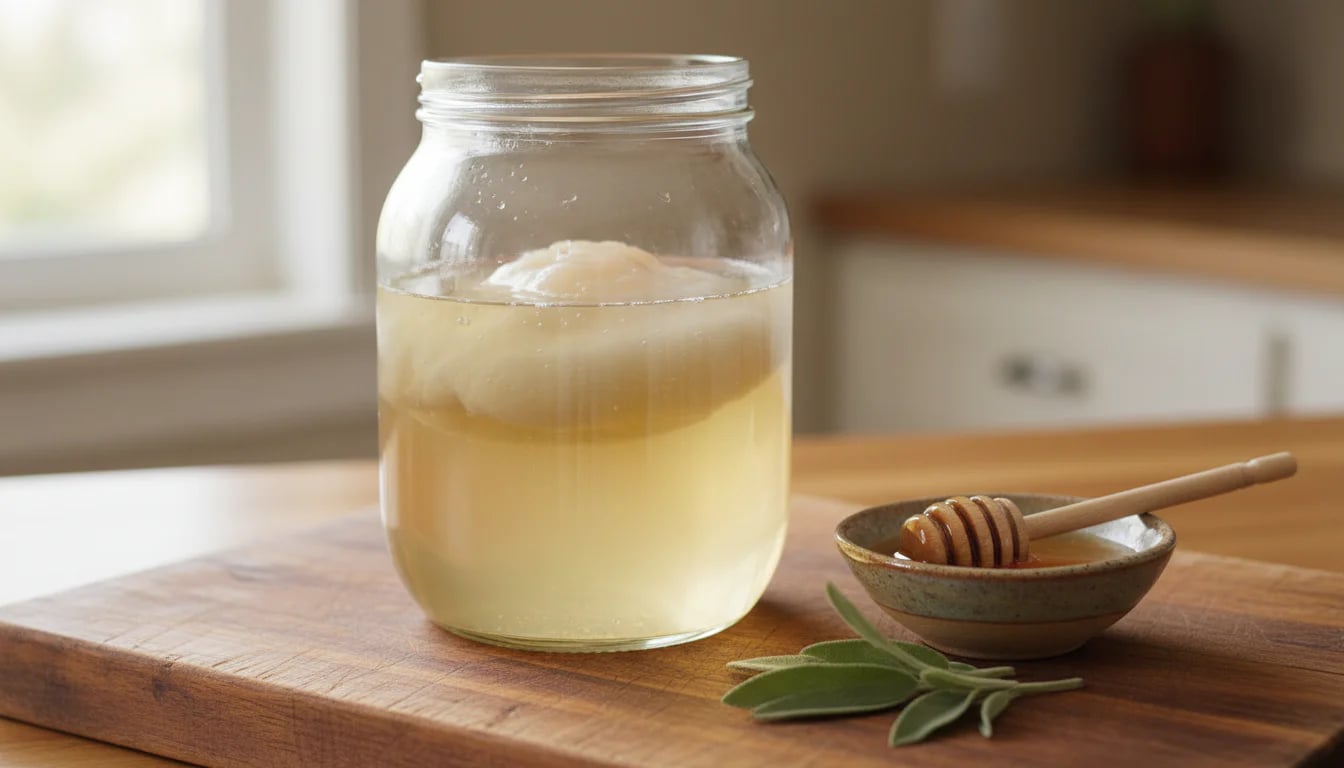
But here's where it gets interesting: jun doesn't just use different ingredients—it uses a different SCOBY culture altogether. The jun SCOBY (that's the symbiotic culture of bacteria and yeast that makes fermentation happen) has adapted over generations to prefer honey over sugar and green tea over black.
Think of it like this: if kombucha is a robust, tangy sourdough bread, jun is a delicate brioche. Both are fermented, both are wonderful, but they offer distinctly different experiences.
#The Jun SCOBY: A Specialized Culture
You might wonder: can I just use my kombucha SCOBY with honey and green tea? Technically, you could try, but it won't be true jun. The jun SCOBY has evolved to metabolize honey's complex sugars differently than a kombucha SCOBY processes refined sugar. This specialized adaptation is part of what makes jun unique—and potentially gentler on your system.
The jun culture tends to ferment at slightly cooler temperatures (around 75-80°F compared to kombucha's 75-85°F) and typically ferments faster, often reaching its sweet spot in just 3-5 days instead of kombucha's typical 7-10 days.
A note on health information: The information shared here is for educational purposes only and is not intended as medical advice. Always consult with a healthcare professional before making changes to your diet, especially if you have existing health conditions or are taking medications.
#Why Jun Might Be Gentler on Your Gut
So what makes jun potentially easier on sensitive stomachs? Several factors work together to create a milder fermented beverage.
#1. Lower Acidity Levels
Jun typically reaches a final pH of around 3.5-4.0, while kombucha often drops to 2.5-3.5. That might not sound like a huge difference, but remember that pH is logarithmic—each whole number represents a tenfold difference in acidity.
For people with acid reflux, gastritis, or sensitive stomachs, that extra half-point or full point of pH can make a real difference in how comfortable the beverage feels going down. Many people who find kombucha too acidic discover they can enjoy jun without discomfort.
#2. The Honey Factor
Raw honey brings more to the fermentation than just sweetness. It contains enzymes, trace minerals, and compounds that may support digestive health. While much of the honey is consumed during fermentation, some of these beneficial components remain in the finished jun.
Honey also contains oligosaccharides—prebiotic compounds that feed beneficial gut bacteria. This means jun isn't just delivering probiotics; it's also providing food for the good bacteria already living in your gut.
#3. Green Tea's Gentler Profile
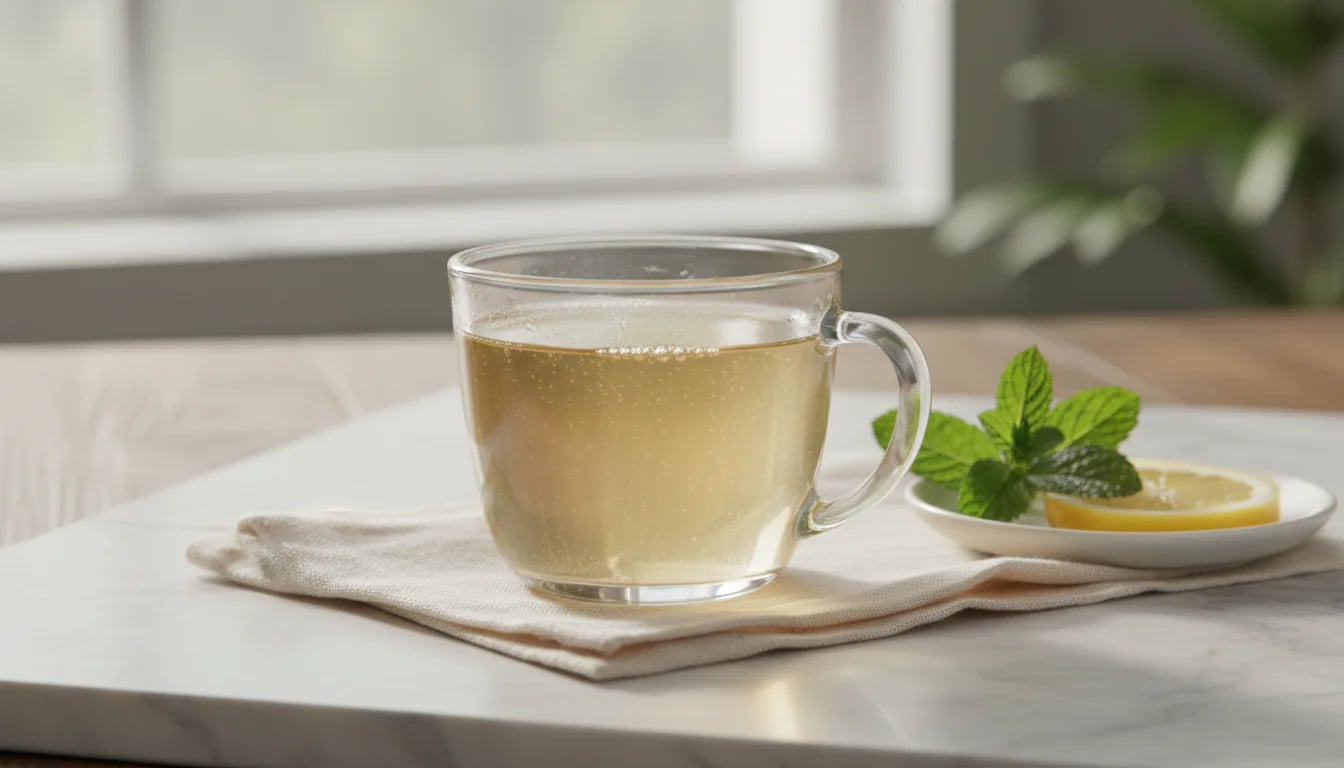
Green tea contains less caffeine than black tea (about 25-50mg per cup versus 40-70mg) and has a different tannin profile. Tannins are compounds that can sometimes irritate sensitive digestive systems, and green tea's lighter tannin content may contribute to jun's gentler nature.
Green tea is also rich in L-theanine, an amino acid known for promoting calm and potentially supporting digestive comfort. While fermentation alters these compounds, some of green tea's soothing qualities carry through to the finished jun.
#4. Faster Fermentation, Milder Flavor
Because jun ferments more quickly, it doesn't have as much time to develop the sharp, vinegary notes that can characterize over-fermented kombucha. This shorter fermentation window makes it easier to catch jun at its sweet spot—when it's pleasantly tart but not aggressively acidic.
Many jun brewers describe the flavor as more floral, delicate, and champagne-like compared to kombucha's bolder, funkier character. If you're someone who finds strong flavors overwhelming, jun's subtlety might be exactly what you're looking for.
#The Probiotic Profile: How Jun and Kombucha Compare
Both jun and kombucha are probiotic-rich beverages, but their microbial communities differ slightly due to their different ingredients and fermentation conditions.
Research on fermented tea beverages suggests that both contain beneficial bacteria and yeasts, including species of Lactobacillus, Acetobacter, and various yeasts. The specific strains and their proportions can vary based on the SCOBY culture, ingredients, and fermentation environment.
What's particularly interesting about jun is that its honey-adapted microbes may produce different metabolic byproducts than sugar-fed kombucha cultures. Some jun enthusiasts report that it feels more "probiotic-forward" and less acidic, though individual experiences vary widely.
The bottom line? Both beverages offer probiotic benefits, but jun's gentler acidity and unique microbial profile might make those benefits more accessible to people with sensitive digestive systems.
#Getting Started with Jun: What You Need to Know
Ready to try brewing jun? Here's what makes it different from kombucha brewing—and what stays the same.
#Finding a Jun SCOBY
This is the trickiest part: you need an actual jun SCOBY, not a kombucha SCOBY. Jun cultures are less common than kombucha SCOBYs, but they're becoming more available. You can find them through:
- Online fermentation suppliers
- Local fermentation communities or Facebook groups
- Friends who already brew jun (SCOBYs multiply with each batch)
If you're already brewing kombucha, you might want to check out our guide on how to grow a SCOBY from scratch—while that guide focuses on kombucha, the principles are similar for jun if you can source some finished jun tea as a starter.
#Essential Equipment
The good news? Jun uses the same basic equipment as kombucha. You'll need:
-
A fermentation vessel: A kombucha brewing kit works perfectly for jun, or you can use a large glass jar. The Fermentaholics Complete Kombucha Brewing Starter Kit includes everything you need to get started.
-
Breathable cover: A clean cloth or coffee filter secured with a rubber band keeps out fruit flies while allowing the culture to breathe.
-
Temperature awareness: Jun prefers slightly cooler temperatures than kombucha. While you don't necessarily need special equipment, being mindful of your brewing environment helps.
-
Glass weights (optional): If you're experimenting with fruit additions during second fermentation, fermentation glass weights can help keep fruit submerged.
#The Honey Question: Raw vs. Processed
Traditional jun brewing calls for raw, unpasteurized honey. The reasoning is that raw honey contains enzymes and beneficial compounds that support the fermentation process. However, this is one area where you might need to experiment.
Some considerations:
- Raw honey is traditional and may offer additional benefits, but it's more expensive
- Local honey supports local beekeepers and may contain regional pollen
- Avoid honey with additives or ultra-processed honey, which may not ferment as well
Start with the best quality honey you can reasonably afford, and see how your jun culture responds.
#Brewing Your First Batch: The Basic Process
If you've brewed kombucha before, jun will feel familiar with a few key differences:
-
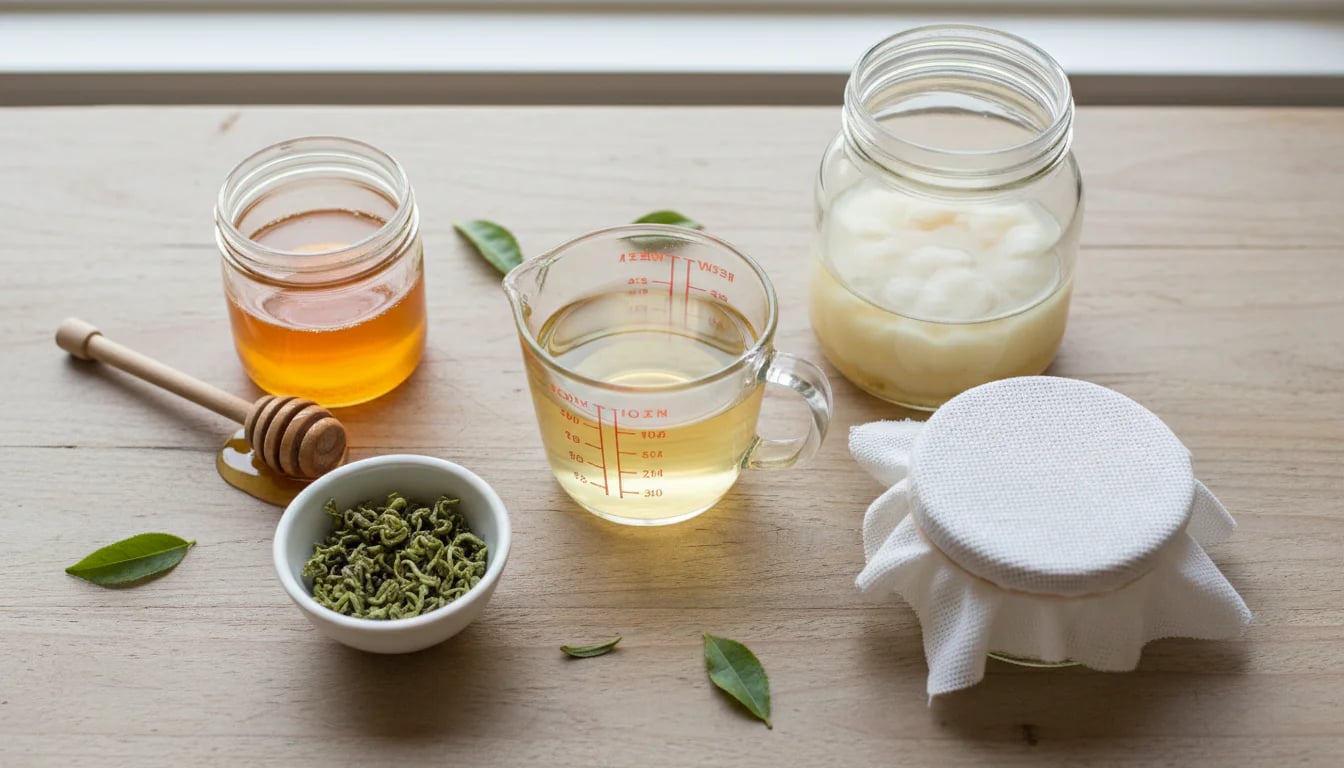
Brew green tea: Use about 4-6 green tea bags (or equivalent loose leaf) per gallon of water. Let it steep for 3-5 minutes—over-steeping green tea can make it bitter.
-
Add honey: While the tea is still warm (not hot!), stir in about 1/2 to 3/4 cup of raw honey per gallon. The warmth helps the honey dissolve, but make sure the tea cools to room temperature before the next step.
-
Add your SCOBY and starter liquid: Once the sweetened tea is completely cool, add your jun SCOBY and at least 1 cup of finished jun tea from a previous batch (or from wherever you got your SCOBY). This starter liquid lowers the pH and protects your new batch.
-
Cover and ferment: Cover your vessel with a breathable cloth and secure it. Place it somewhere with stable temperatures around 75-80°F, away from direct sunlight.
-
Taste and bottle: Start tasting after 3 days. Jun typically reaches its sweet spot faster than kombucha—often in 3-5 days rather than 7-10. When it tastes pleasantly tart but not too acidic, it's ready.
For complete step-by-step instructions with photos and troubleshooting tips, check out our Jun Tea (Honey Kombucha) recipe.
#Troubleshooting: When Jun Doesn't Go as Planned
Even with jun's generally forgiving nature, you might encounter some bumps along the way. Here are the most common issues and what they usually mean.
#My Jun Tastes Too Sweet
This means it needs more time. Jun ferments faster than kombucha, but it still needs time for the culture to consume the honey. Give it another day or two and taste again.
#My Jun Tastes Too Sour/Vinegary
You've let it go too long—easy to do with jun's faster fermentation! The good news? Over-fermented jun makes excellent starter liquid for your next batch, or you can use it in salad dressings. For your next batch, start tasting earlier.
#My SCOBY Isn't Growing
Jun SCOBYs typically form a new layer with each batch, but growth can be slower in cooler temperatures. As long as your jun is fermenting (getting less sweet and more tart), your culture is healthy. The SCOBY will grow when it's ready.
#I See Bubbles/Carbonation During First Fermentation
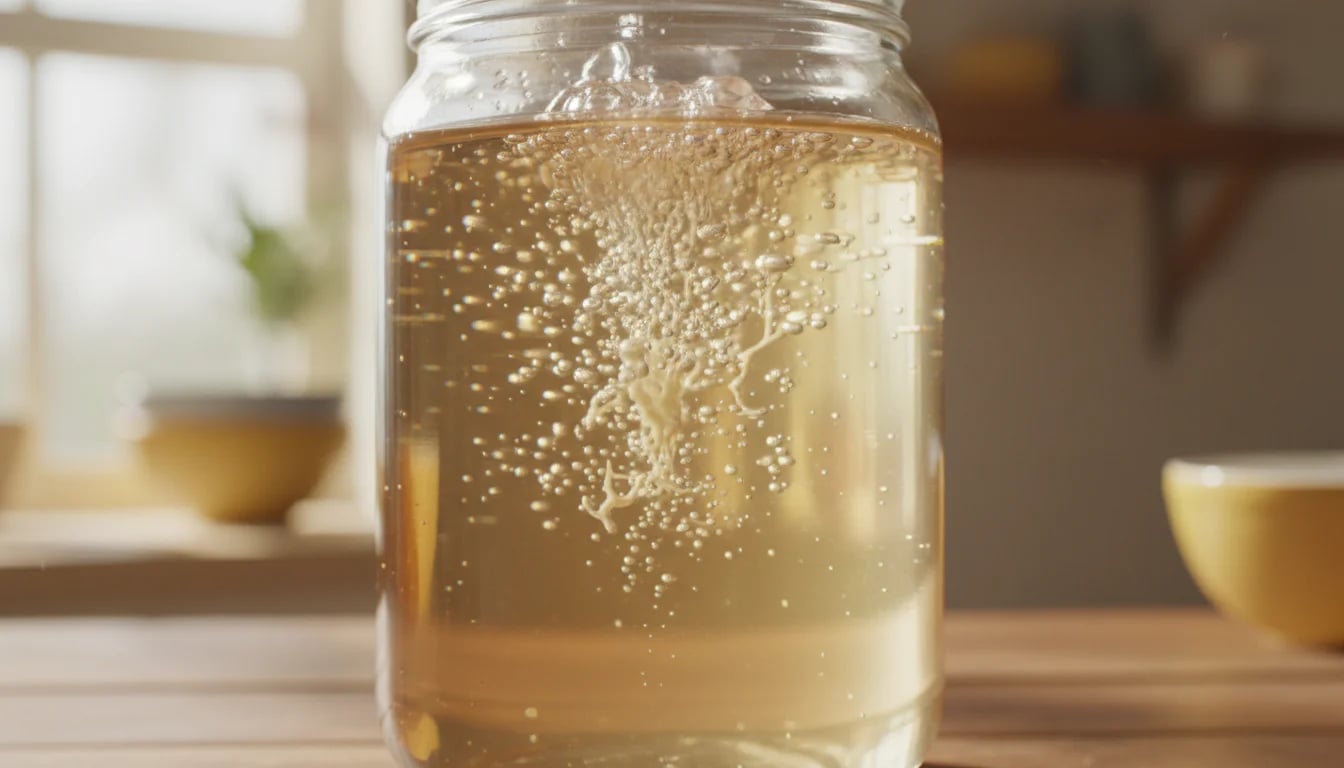
This is actually normal and more common with jun than kombucha! The honey and faster fermentation can create more active yeast activity. It's not a problem unless you see mold (which is rare and looks fuzzy and colored, not like the creamy SCOBY).
For more detailed troubleshooting, our How to Make Kombucha (Complete Guide) includes a comprehensive troubleshooting section that applies to jun as well.
#Beyond Basic Jun: Flavoring and Second Fermentation
Once you've mastered basic jun, the fun really begins. Jun's delicate flavor makes it an excellent canvas for creative flavoring.
#Second Fermentation Basics
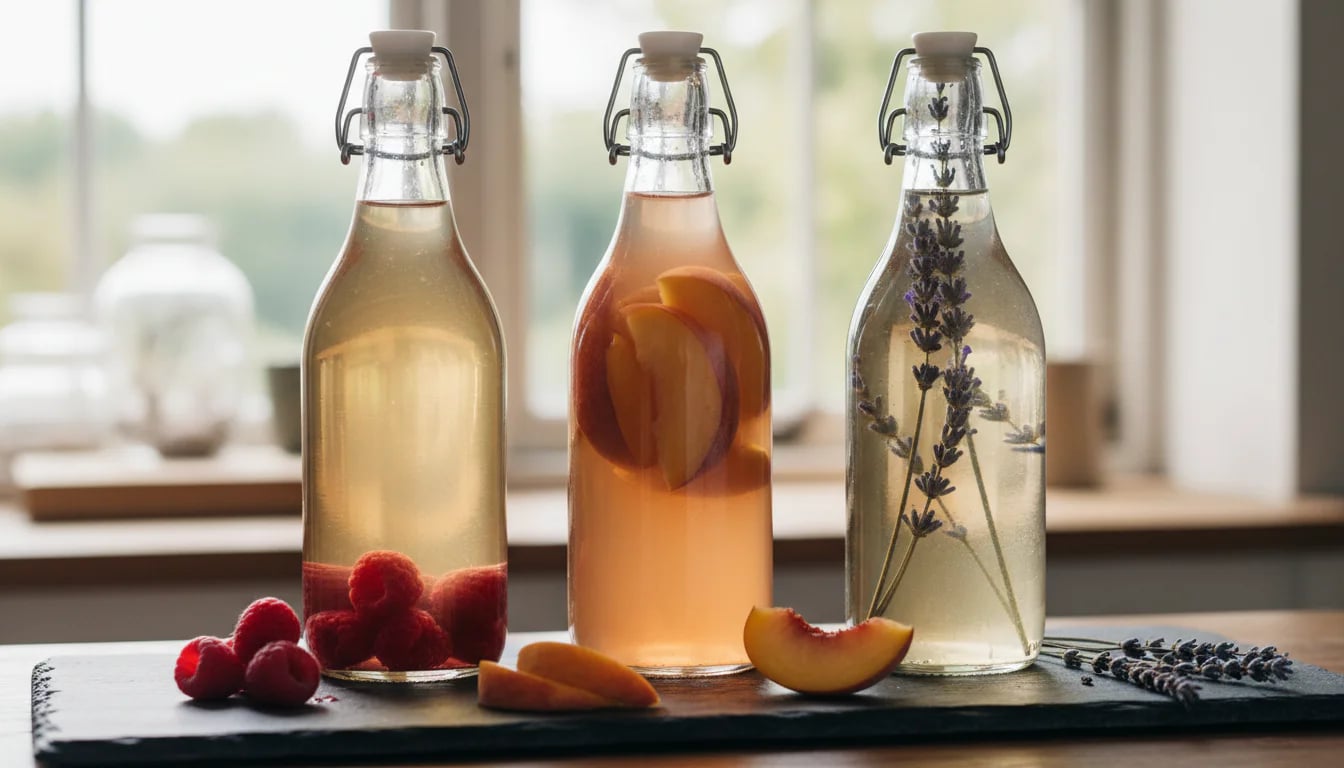
After your first fermentation is complete, you can bottle your jun with flavorings for a second fermentation. This creates carbonation and infuses flavors. Popular additions include:
- Fresh fruit: Berries, peaches, mango, or citrus
- Herbs: Lavender, mint, basil, or rosemary
- Ginger: Fresh grated ginger adds warmth and aids digestion
- Floral additions: Rose petals, hibiscus, or elderflower
Jun's lighter flavor profile means it pairs beautifully with delicate flavors that might get lost in kombucha's bolder taste. Think champagne pairings: floral, fruity, and elegant.
#A Word of Caution About Carbonation
Jun can become quite carbonated during second fermentation—sometimes more so than kombucha. Always use bottles designed for carbonation, and "burp" them daily by opening briefly to release excess pressure. This prevents over-carbonation and potential bottle explosions.
#Other Fermented Beverages to Explore
If you're enjoying jun's gentle nature, you might also love these other probiotic-rich drinks:
- Water kefir: Another light, fizzy option that's dairy-free and uses water kefir grains instead of a SCOBY
- Traditional Russian Beet Kvass: An earthy, mineral-rich fermented beverage that's incredibly simple to make
- Elderberry Immune Tonic Ferment: A seasonal fermented drink that combines immune support with probiotic benefits
Each of these offers its own unique flavor profile and potential benefits, giving you plenty of options for keeping your gut microbiome diverse and happy.
#Is Jun Right for You?
So should you make the switch from kombucha to jun, or add jun to your fermentation rotation? Here are some questions to consider:
Jun might be perfect for you if:
- You find kombucha too acidic or harsh on your stomach
- You prefer lighter, more delicate flavors
- You're sensitive to caffeine (jun has less due to green tea)
- You're drawn to the idea of honey-based fermentation
- You want faster fermentation times
You might want to stick with kombucha if:
- You love kombucha's bold, tangy flavor
- You have easy access to kombucha SCOBYs but not jun cultures
- You prefer using less expensive ingredients (sugar vs. honey)
- You're vegan (honey is an animal product)
- You already have a thriving kombucha practice that works for you
Or do both! Many fermentation enthusiasts keep both cultures going, enjoying kombucha's robust character some days and jun's gentle elegance on others. There's no rule that says you have to choose.
The beautiful thing about fermentation is that it's deeply personal. What works wonderfully for one person might not suit another, and that's completely okay. Your gut will tell you what it needs—you just have to listen.
#My Experience with Jun
I discovered jun during a time when my stomach was particularly sensitive. I'd been brewing kombucha for years and loved it, but after a bout of gastritis, even my carefully fermented kombucha felt too harsh. A friend mentioned jun, describing it as "kombucha's gentler sister," and I was intrigued.
Finding a jun SCOBY took some effort—this was before they were as available online as they are now. I finally connected with someone through a local fermentation group who generously shared a piece of their culture and some starter liquid.
That first batch was a revelation. The flavor was lighter, almost floral, with a champagne-like effervescence that felt celebratory rather than medicinal. More importantly, my sensitive stomach handled it beautifully. No burning, no discomfort—just the pleasant feeling of drinking something alive and nourishing.
I kept both cultures going for several years, reaching for jun when my digestion needed gentleness and kombucha when I wanted something bolder. Eventually, jun became my daily go-to, and I found myself brewing it more consistently than kombucha.
What surprised me most was how different the two ferments felt in my body, despite their similarities. Jun seemed to settle my stomach rather than challenge it, and I noticed I could drink it earlier in the day without the slight jittery feeling I sometimes got from kombucha's higher caffeine content.
Of course, this is just my experience—your body might respond differently. But if you've been curious about fermented beverages and worried about acidity or sensitivity, jun might be worth exploring.

#The Bottom Line: Gentle Fermentation for Sensitive Systems
Jun tea offers a beautiful alternative for people who want the probiotic benefits of fermented tea without kombucha's intensity. Its lower acidity, honey-based sweetness, and delicate green tea foundation create a beverage that's often easier on sensitive digestive systems.
Is it definitively "better" than kombucha? Not necessarily—they're different, each with their own character and benefits. But for people who find kombucha too harsh, jun can be a game-changer, opening the door to fermented beverages that might have otherwise felt inaccessible.
The learning curve is gentle, especially if you already brew kombucha. The main challenges are finding a jun SCOBY and adjusting to the faster fermentation time. Beyond that, it's a forgiving, rewarding fermentation practice that produces something truly special.
Whether you're dealing with a sensitive stomach, simply curious about different fermentation traditions, or drawn to honey's golden sweetness, jun tea is worth exploring. Your gut—and your taste buds—might just thank you.
Ready to start your jun journey? Gather your supplies, find a SCOBY, and prepare to discover why this ancient fermented beverage is finding new appreciation among modern fermentation enthusiasts. The champagne of kombucha is waiting.
Disclaimer: This article is for informational and educational purposes only. It is not intended to be a substitute for professional medical advice, diagnosis, or treatment. Individual results may vary. Please consult your healthcare provider before beginning any new dietary practice, especially if you have a medical condition or take medications.