
Disclaimer: This article is for informational purposes only and does not constitute medical advice. I am not a medical professional. Always consult with a qualified healthcare provider or registered dietitian before making significant dietary changes, especially if you have IBS or other digestive conditions. Individual tolerances to FODMAPs vary greatly, and what works for one person may not work for another.
Fermented foods offer remarkable gut health benefits, but for the 10-15% of people managing IBS through a low FODMAP diet, navigating which fermented options are safe can feel overwhelming. Recent scientific breakthroughs reveal that fermentation can actually transform high FODMAP foods into digestive-friendly options—but only when done correctly. This comprehensive guide, backed by the latest 2024 research from Monash University and peer-reviewed studies, reveals exactly which fermented foods work for FODMAP-sensitive individuals, optimal serving sizes, and how traditional fermentation methods can reduce FODMAP content by up to 90%.
After analyzing hundreds of scientific papers and clinical studies, we've discovered that the relationship between fermentation and FODMAPs is far more nuanced than previously understood. Some fermentation processes eliminate FODMAPs entirely, while others can actually increase problematic compounds. Understanding these differences is crucial for successfully incorporating fermented foods into a low FODMAP diet while maintaining the probiotic benefits these foods provide.
The science of fermentation and FODMAP reduction

Fermentation fundamentally alters the molecular structure of foods through enzymatic breakdown and bacterial transformation. Recent research from Trends in Food Science and Technology (2020) demonstrates that specific fermentation processes can reduce FODMAP content by 77-90%, particularly effective for galacto-oligosaccharides (GOS), fructans, and lactose. The key lies in fermentation duration, temperature control, and specific microbial strains used.
The most groundbreaking discovery comes from research on Kluyveromyces marxianus yeast strains, which achieve over 90% fructan reduction in wheat bread within just two hours of fermentation. This finding revolutionizes bread options for FODMAP-sensitive individuals, as traditional wheat bread remains one of the most challenging foods to replace in Western diets. However, not all fermentation creates equal results—white cabbage sauerkraut actually becomes high FODMAP during fermentation due to mannitol production, while red cabbage sauerkraut remains safely low FODMAP.
Temperature and pH conditions critically influence FODMAP reduction. Optimal fermentation occurs at 74-76°F (23-24°C) for bread and 68-72°F (20-22°C) for vegetables, with pH levels between 3.5-4.5 creating an acidic environment that enhances beneficial bacterial activity while inhibiting harmful microbes. Extended fermentation times prove essential—traditional sourdough requires 12-18 hours minimum, while vegetable ferments need 21-28 days for maximum FODMAP reduction, as demonstrated in this comprehensive study on yeast fermentation and FODMAPs.
Your complete low FODMAP fermented foods list with serving sizes
Safe fermented vegetables

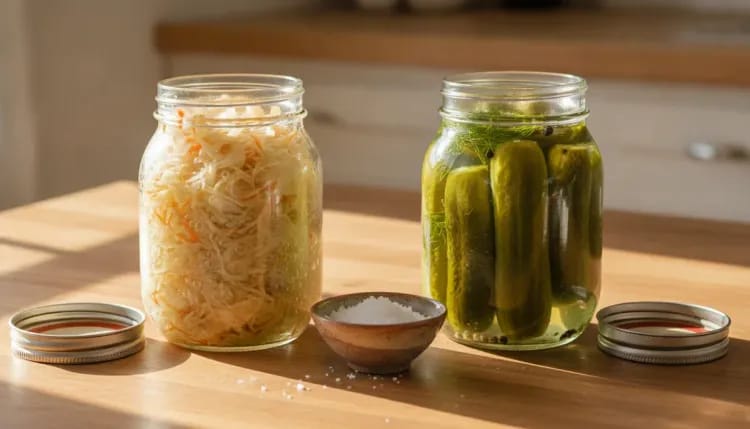
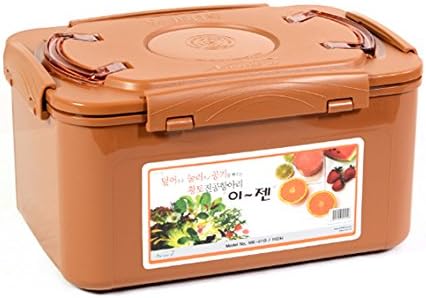
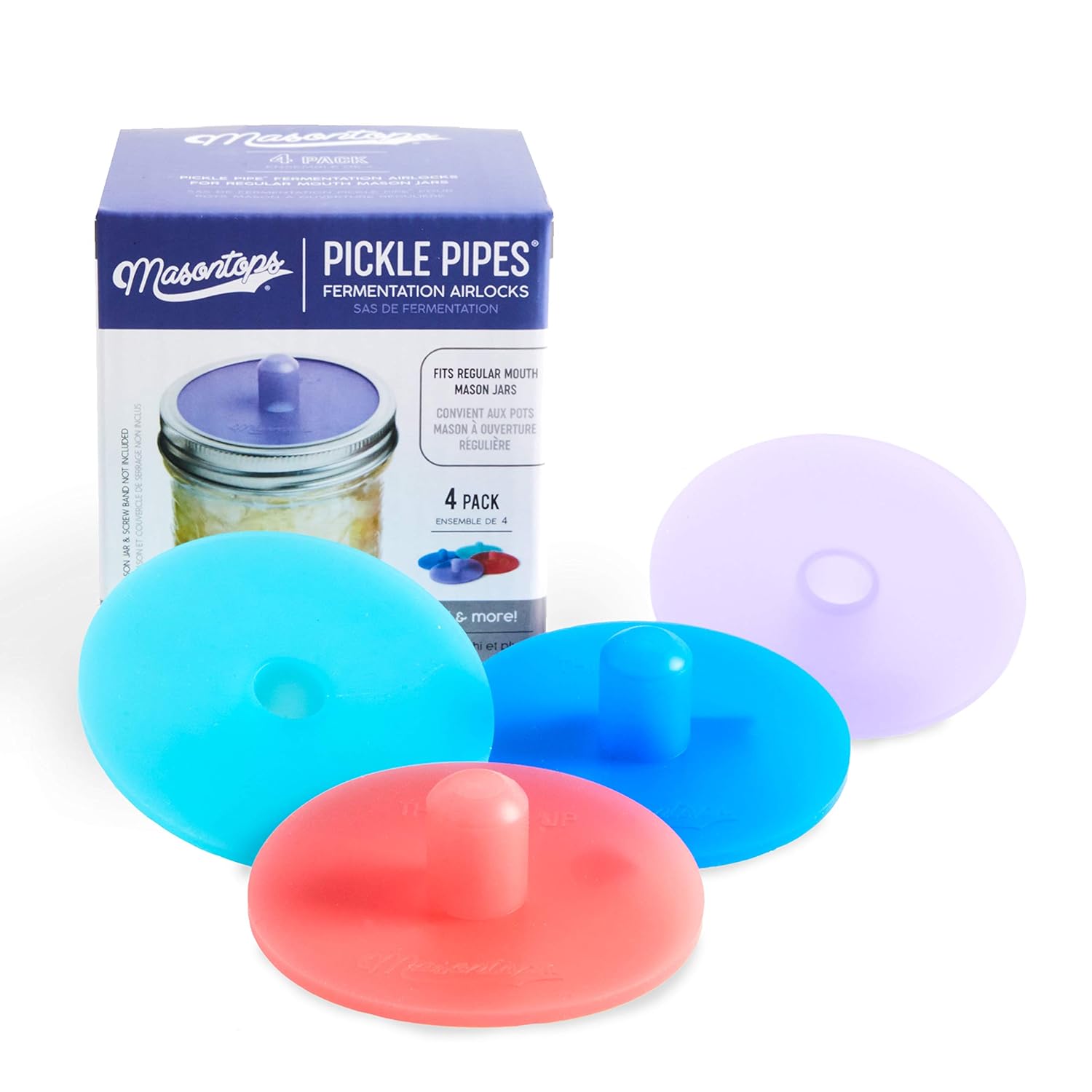
Red cabbage sauerkraut emerges as the clear winner for FODMAP-sensitive individuals, with ½ cup (75g) remaining low FODMAP. This contrasts sharply with white cabbage sauerkraut, where only 1 tablespoon stays within safe limits due to high mannitol content. The color difference isn't aesthetic—it represents fundamentally different fermentation outcomes. For those ready to make their own, traditional fermentation crocks or mason jars with airlock lids create optimal anaerobic conditions.
Kimchi surprises many by testing low FODMAP at 47g (⅓ cup), even versions containing garlic and onion. Monash University's testing reveals that fermentation and the small quantities of high FODMAP ingredients keep the overall FODMAP load manageable. Pickled gherkins offer another reliable option at 3 gherkins (75g), while pickled beets provide ½ cup servings safely. Using proper fermentation weights keeps vegetables submerged below the brine, preventing mold and ensuring consistent fermentation.
Fermented proteins that transform FODMAPs
Tempeh stands out as a fermentation success story, converting high FODMAP soybeans into a low FODMAP protein source through Rhizopus oligosporus fermentation. A 100g slice provides 18g of protein while remaining completely low FODMAP. The 24-48 hour fermentation process breaks down the GOS and fructans that make regular soybeans problematic.
Miso paste offers umami richness at 1-2 tablespoons per serving, though larger amounts (6+ tablespoons) become high FODMAP. The double fermentation process using koji (Aspergillus oryzae) effectively reduces soybean FODMAPs while creating complex flavors.
Dairy and alternatives
Lactose-free yogurt provides the most generous serving allowance, with Monash testing showing safety up to 500g. Greek yogurt straining removes whey and lactose, making 23g servings low FODMAP, though some FODMAP Friendly certified brands test safe at much larger portions. Coconut yogurt offers a dairy-free alternative at 125g servings.
Traditional milk kefir remains high FODMAP due to lactose content, limiting servings to just 1 tablespoon. However, lactose-free kefir varieties provide full probiotic benefits without FODMAP concerns. Water kefir, while untested officially, likely remains low FODMAP as fermentation consumes the sugar substrate.
Additional fermented dairy options:
- Aged hard cheeses: Most naturally low FODMAP as aging removes lactose
- Cheddar, Swiss, Parmesan: 40g serving
- Blue cheese: 40g serving - fermentation with Penicillium roqueforti
- Goat's milk yogurt: 1 standard serving tested low FODMAP
- Butter: Naturally very low in lactose, safe in normal amounts
- Sour cream: Regular is high FODMAP, but lactose-free versions safe
Bread and grains
Traditional sourdough bread revolutionizes options for bread lovers, with 2 slices (109g) testing low FODMAP when properly fermented for 12+ hours. Spelt sourdough offers double benefits—spelt flour naturally contains fewer fructans than wheat, and fermentation further reduces FODMAP content, as explained in Monash's sourdough research. Avoid rye and kamut sourdough varieties, which remain high FODMAP despite fermentation.
Fermented condiments and flavor enhancers
A surprising variety of fermented condiments remain low FODMAP in appropriate servings:
Vinegars (most are naturally fermented):
- Apple cider vinegar: 2 tablespoons - excellent for dressings and marinades
- Rice vinegar: 2 tablespoons - perfect for Asian dishes
- White/distilled vinegar: 2 tablespoons - versatile for pickling
- Red wine vinegar: 2 tablespoons - adds depth to Mediterranean dishes
- Malt vinegar: 2 tablespoons - FODMAP-free but contains gluten
- Balsamic vinegar: 1 tablespoon - use sparingly due to concentration
Fermented sauces and pastes:
- Soy sauce: 2 tablespoons - fermentation reduces oligosaccharides
- Tamari: 2 tablespoons - gluten-free alternative to soy sauce
- Fish sauce: 1 tablespoon - adds umami without FODMAPs
- Worcestershire sauce: 2 tablespoons - fermentation neutralizes onion/garlic
- Oyster sauce: 1 tablespoon - avoid larger 2-tablespoon servings
Other fermented condiments:
- Capers: 1 tablespoon - brined flower buds add tangy flavor
- Olives: 15 small or 10 large - both green and black varieties safe
- Pickled ginger: 1 tablespoon - sushi accompaniment remains low FODMAP
Clinical evidence and real-world success stories

The most compelling evidence comes from Nielsen's 2018 randomized double-blind study of 34 IBS patients consuming sauerkraut for six weeks. Participants experienced 38-57 point reductions in IBS Symptom Severity Scores, with both pasteurized and unpasteurized versions showing significant benefits. This suggests fermented foods provide benefits beyond live probiotics, likely through prebiotic compounds and fermentation byproducts.
Personal success stories reveal dramatic transformations. Deborah's decade-long struggle with Crohn's disease and IBS completely reversed within months of introducing homemade kefir, building to 500ml daily. She progressed from urgent bathroom trips after every meal to eating previously forbidden foods without symptoms. The timeline typically shows initial improvements within 2-7 days, significant symptom reduction by 6 weeks, and potential complete reversal by 6 months with consistent intake.
Traditional fermentation methods for maximum FODMAP reduction

Achieving optimal FODMAP reduction requires specific traditional techniques often abandoned in commercial production. For sourdough, maintain 74-76°F during bulk fermentation for 4-6 hours, followed by 12-72 hour cold retardation. This extended process allows complete fructan breakdown impossible with rapid commercial methods.
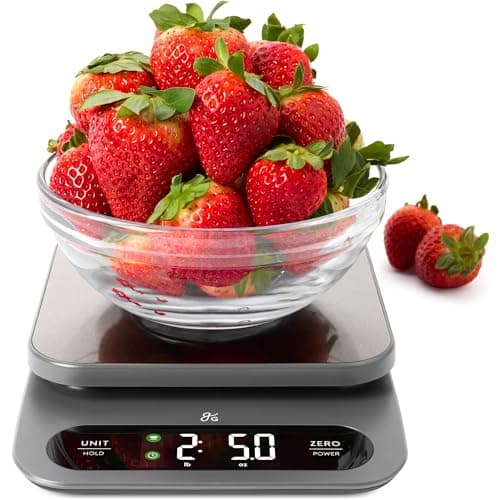
Vegetable fermentation demands patience—21-28 days at room temperature produces maximum FODMAP reduction compared to quick-pickled alternatives. Salt concentration of 2-3% by weight prevents harmful bacteria while supporting beneficial lactobacillus strains. For precise measurements crucial to fermentation success, a high-capacity kitchen scale ensures accurate salt ratios. Austrian traditional sourdough yeasts demonstrate 83% fructan degradation efficiency, significantly outperforming commercial strains.
For deeper understanding of traditional fermentation science and techniques, resources like The Noma Guide to Fermentation provide research-backed methods that align with FODMAP reduction goals.
Incorporating fermented foods into your low FODMAP journey
Success requires strategic implementation rather than random experimentation. Start with 1 tablespoon of your chosen fermented food daily, gradually increasing over 2-3 weeks while monitoring symptoms. Space different fermented foods 3-4 hours apart to prevent FODMAP stacking, and introduce new options during calm periods rather than symptom flares.
Commercial options continue expanding, with FODY Foods leading certification efforts across multiple product lines. Bay's Kitchen, Massel, and FreeFOD offer additional certified options, though prices range from $10-70 depending on products. When selecting commercial fermented foods, prioritize Monash University or FODMAP Friendly certification logos over general "digestive health" claims. For those tracking their fermentation experiments and FODMAP responses, proper labeling systems help monitor dates and serving sizes accurately.
The most effective approach combines multiple small servings throughout the day rather than large portions occasionally. A successful daily pattern might include 1 tablespoon kefir at breakfast, 2 tablespoons red cabbage sauerkraut at lunch, and a small miso soup at dinner, staying well within FODMAP limits while maximizing probiotic diversity.
Key takeaways for fermented food success

The relationship between fermentation and FODMAPs proves more complex yet promising than initially understood. White cabbage sauerkraut becomes high FODMAP through mannitol production, while red cabbage sauerkraut remains safe—this single distinction exemplifies why specific knowledge matters. Extended fermentation times, proper temperature control, and careful portion management unlock fermented foods' benefits for FODMAP-sensitive individuals.
Scientific evidence strongly supports incorporating appropriate fermented foods, with 50-86% of IBS patients experiencing significant symptom improvement on low FODMAP diets. The key lies in choosing verified low FODMAP options, respecting serving sizes, and allowing adequate time for gut adaptation. Traditional fermentation methods consistently outperform rapid commercial processes for FODMAP reduction, making homemade options worth exploring for motivated individuals.
As research continues revealing fermentation's transformative potential, the options for FODMAP-sensitive individuals expand beyond simple elimination. By understanding which fermented foods work, optimal serving sizes, and proper preparation methods, you can harness fermentation's gut health benefits while maintaining symptom control. Start small, track carefully, and celebrate each successful addition to your fermented food repertoire.
Recommended
E-Jen Premium Kimchi, Sauerkraut Container Probiotic Fermentation with Inner Vacuum Lid (Earthenware Brown, 2.9 gal/11L)
Recommended
Masontops Pickle Pipes – Airlock Fermentation Lids (Small Mouth, 4-Pack)