

Picture this: Two jars sit on your kitchen counter, both bubbling with life, both promising gut health benefits, yet fundamentally different in almost every way. Welcome to the ancient probiotic debate that's dividing modern kitchens across the globe. On one side, we have milk kefir—the creamy, tangy traditional champion that's been nourishing communities for centuries. On the other, water kefir—the light, fizzy plant-based challenger that's winning hearts with its versatility and gentle nature.
These two fermented beverages might share a name, but they're as different as champagne and yogurt. Each brings its own unique culture (literally), distinct preparation methods, and specific health benefits to the table. The question isn't which one is better—it's which one is better for you.
By the end of this comprehensive guide, you'll understand the nuances of both probiotic drinks, know exactly which kefir fits your lifestyle, and feel confident starting your own fermentation journey. Whether you're seeking digestive health support, exploring dairy-free probiotics, or simply curious about homemade kefir, you're about to discover everything you need to make an informed choice.
Meet the Contenders
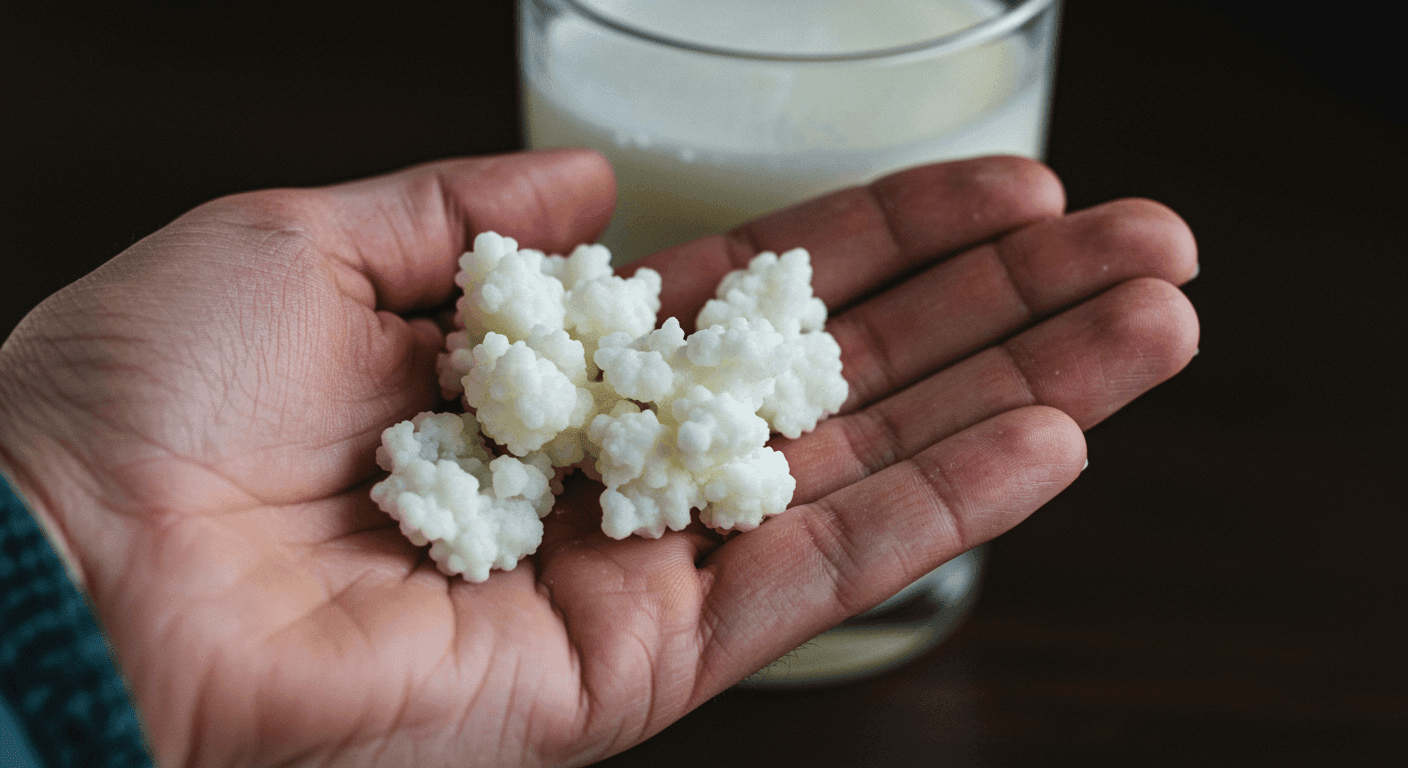
Milk Kefir: The Traditional Champion
Let's start with the heavyweight of the fermented beverage world. Milk kefir is what most people envision when they hear the word "kefir"—a tangy, yogurt-like drink that's been a dietary staple in Eastern Europe and Central Asia for millennia. But milk kefir is so much more than just drinkable yogurt.
At its core, milk kefir is dairy milk transformed by a symbiotic culture of bacteria and yeast (SCOBY) living in what we call "kefir grains." Don't let the name fool you—these aren't actual grains but rather gelatinous clusters that look like tiny cauliflower florets. These living colonies contain an impressive array of beneficial bacteria and yeasts. Across all kefir cultures worldwide researchers have catalogued 30–50+ species, though any single culture hosts a subset of that (commonly a dozen or more bacteria plus several yeasts) — still far more diverse than commercial yogurt.
The origins of milk kefir are shrouded in legend. The most captivating story traces back to the Caucasus Mountains, where these mysterious grains were considered a gift from Allah and jealously guarded by mountain tribes. Known as the "grains of the Prophet," they were so precious that they were passed down through generations as family heirlooms. The tribes believed that sharing the secret of kefir would diminish its power, which explains why this fermented treasure remained isolated in the Caucasus region for so long.
When you first encounter milk kefir, you'll notice its distinctive appearance and texture. Fresh milk kefir pours like a thin yogurt drink, with a consistency somewhere between buttermilk and a yogurt smoothie. The color ranges from pure white to slightly yellow, depending on the type of milk used. Small curds might be visible, especially if it's been over-fermented, and you might notice a slight separation between the thicker kefir and the whey—this is perfectly normal and actually a sign of active fermentation.
The taste? Prepare your palate for something unique. Milk kefir delivers a complex flavor profile that's tangy, slightly sour, and sometimes described as "yeasty" or "effervescent." First-timers often compare it to plain yogurt with a hint of natural carbonation. The longer you ferment it, the more pronounced these flavors become, eventually developing what enthusiasts lovingly call "funkiness"—a depth of flavor that speaks to the complex microbial activity happening in your jar.
Water Kefir: The Plant-Based Challenger
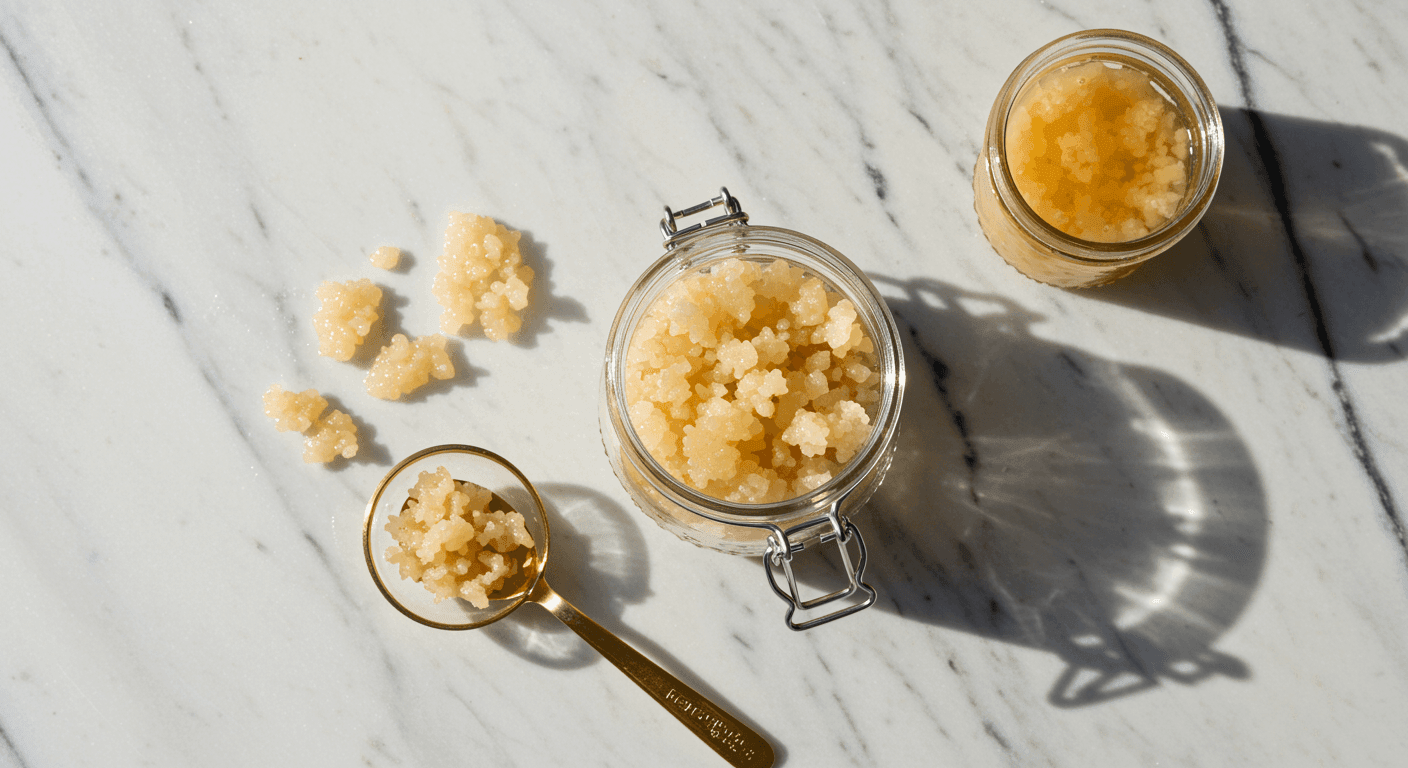
Now, let's meet the lighter, more approachable member of the kefir family. Water kefir might share part of its name with its dairy cousin, but that's where most similarities end. This effervescent, slightly sweet beverage offers a completely different fermentation experience and opens up a world of possibilities for those avoiding dairy or seeking a lighter probiotic option.
Water kefir is created using a different type of kefir grain—translucent, crystal-like structures that feed on sugar water rather than lactose. These grains, also known as tibicos, Japanese water crystals, or California bees, create a mildly fermented beverage that's closer to a natural soda than a dairy drink. The fermentation process produces a light fizz and reduces the sugar content significantly, leaving you with a refreshing drink that's alive with beneficial bacteria.
The history of water kefir is equally fascinating, though less mythologized than its dairy counterpart. Most food historians trace water kefir's origins to Mexico, where it was discovered growing on the pads of the Opuntia cactus (prickly pear). Local communities would harvest these naturally occurring cultures and use them to ferment sweetened water, creating a traditional beverage called tepache. From Mexico, these cultures spread throughout the world, adapting to different environments and earning various regional names.
Visually, water kefir presents quite differently from milk kefir. The finished product is typically clear to slightly cloudy, often taking on the color of whatever you've used to flavor it. The texture is light and refreshing, with a subtle effervescence that develops during fermentation. Think of it as nature's answer to soda—lightly sweet, gently fizzy, and infinitely customizable.
The base flavor of plain water kefir is mild and slightly sweet with subtle tangy notes. It lacks the assertive sourness of milk kefir, making it an excellent canvas for flavor additions. Many describe it as having a clean, refreshing taste with hints of whatever sugar source you've used—whether that's organic cane sugar, coconut sugar, or even maple syrup. The real magic happens during the second fermentation, where you can add fruits, herbs, and spices to create custom flavors that rival any artisanal beverage.
The Key Differences
Taste Profile

The flavor distinction between milk and water kefir is perhaps the most immediate difference you'll notice, and it often becomes the deciding factor for many people choosing between the two.
Milk kefir's taste is bold and complex. The primary flavor is distinctly tart and tangy, similar to plain yogurt but with additional depth. As the beneficial bacteria and yeasts work their magic on the milk sugars, they create lactic acid and other compounds that contribute to its characteristic sourness. But there's more happening here than simple acidity. Well-fermented milk kefir develops subtle notes that experienced fermenters describe as "bready," "yeasty," or even "cheesy." Some batches might have a slight effervescence on the tongue, a natural result of the yeasts producing small amounts of CO2.
The flavor intensity of milk kefir can be controlled through fermentation time and temperature. A 12-hour ferment at room temperature produces a mild, creamy drink that's only slightly tangy. Extend that to 24 or 48 hours, and you'll have a much more assertive flavor with pronounced sourness and complexity. Some adventurous fermenters even enjoy "over-fermented" milk kefir, which develops an almost champagne-like quality with distinct layers of flavor.
Water kefir, in contrast, offers a much gentler flavor experience. The base taste is mildly sweet and slightly tangy, without the mouth-puckering sourness of its dairy cousin. This subtlety is actually one of water kefir's greatest strengths—it serves as a neutral backdrop that readily accepts flavor additions. During the initial fermentation, water kefir develops a clean, crisp taste with just a hint of natural fermentation tang.
The real excitement with water kefir comes during the second fermentation, where its flavor development potential truly shines. Add fresh ginger and lemon for a probiotic ginger ale. Toss in some berries for a fruity, antioxidant-rich beverage. Experiment with herbs like mint or basil for sophisticated flavor profiles. The mild base allows these additions to shine without competing flavors, resulting in beverages that can range from fruit-forward and sweet to complex and herbal.
Nutritional Showdown
When it comes to nutrition, both kefirs bring impressive credentials to the table, but their profiles differ significantly. Understanding these differences is crucial for aligning your choice with your health goals.
Milk kefir takes the crown for protein content, delivering approximately 3-6 grams of complete protein per cup, depending on the type of milk used. This makes it an excellent post-workout recovery drink or a satisfying snack that helps maintain stable blood sugar levels. The fermentation process actually enhances protein digestibility by partially breaking down casein and whey proteins, making them easier for your body to absorb.
In terms of probiotic strain diversity, milk kefir is often considered the champion. Research has catalogued 30–50+ species of beneficial bacteria and yeasts across milk kefir grains worldwide (any single culture hosts a subset of that), including powerful probiotics like Lactobacillus kefiranofaciens, Lactobacillus kefiri, and various Bifidobacterium species. This diversity is particularly important because different strains are being studied for various potential benefits, from immune modulation to mood via the gut-brain axis.
Water kefir, while lower in protein (essentially none), offers its own nutritional advantages. It's significantly lower in calories—typically 20-30 calories per cup compared to milk kefir's 100-150 calories. This makes it an excellent choice for those managing their caloric intake while still wanting probiotic benefits. Water kefir grains harbor a different but equally impressive array of microorganisms, including unique strains like Lactobacillus hilgardii and Lactobacillus nagelii, which aren't typically found in dairy ferments.
The vitamin and mineral content also differs notably between the two. Milk kefir is rich in calcium (about 300mg per cup), B vitamins (especially B12), and fat-soluble vitamins A, D, and K2 when made with whole milk. The fermentation process increases the bioavailability of these nutrients, meaning your body can absorb and use them more efficiently than from regular milk.
Water kefir's mineral content depends largely on the water and sugar source used. Using mineral-rich water and unrefined sugars can provide trace amounts of minerals like magnesium, phosphorus, and potassium. Some fermenters add mineral supplements like molasses or sea salt to boost the mineral content and keep their grains healthy. While not as nutrient-dense as milk kefir, water kefir can be enhanced with fruit additions during second fermentation, adding vitamins, antioxidants, and phytonutrients to the final beverage.
Preparation and Maintenance
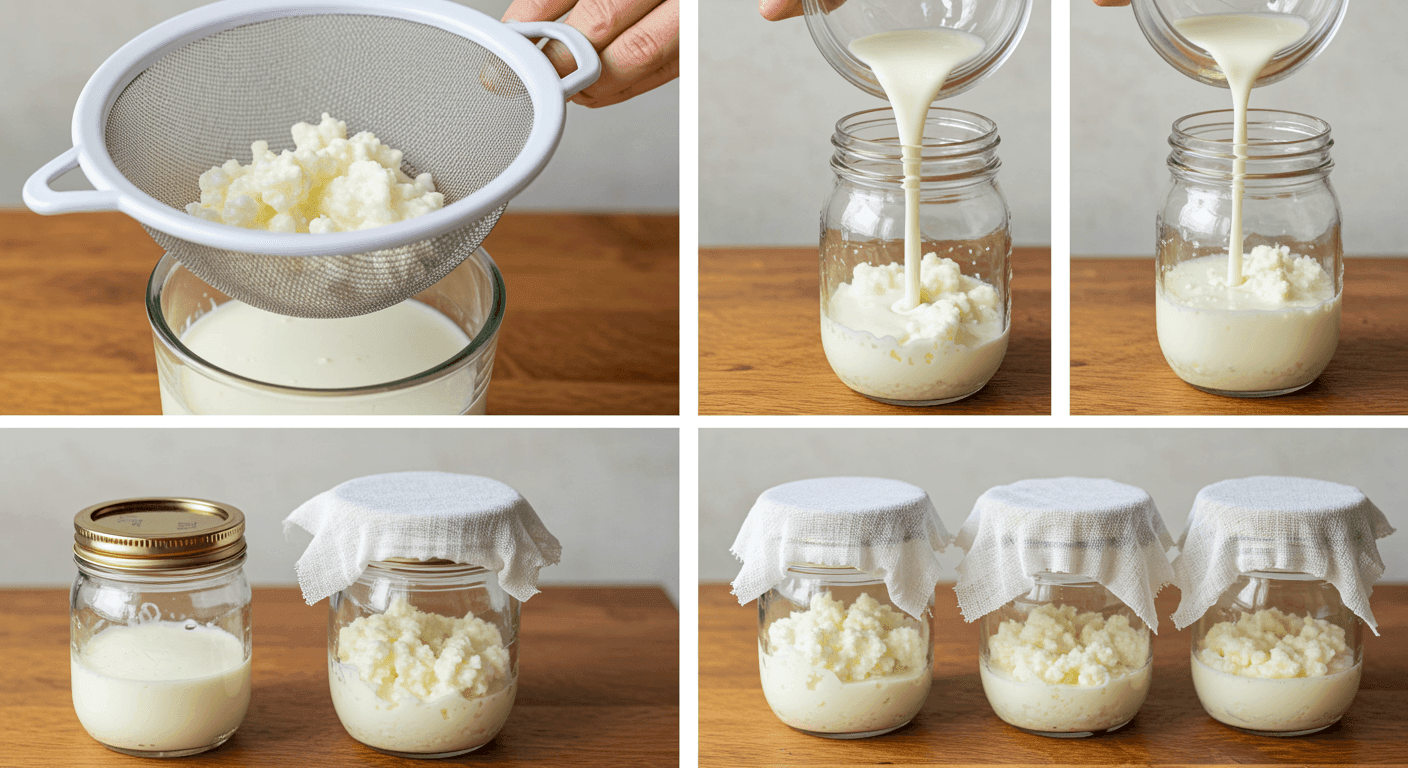
The practical aspects of making and maintaining each type of kefir can significantly impact your fermentation experience and long-term success.
Caring for milk kefir grains is relatively straightforward but requires consistency. These grains are remarkably resilient and can survive some neglect, but they thrive with regular feeding. The basic process involves placing your grains in fresh milk every 12-48 hours, depending on temperature and desired sourness. The grains feed on the lactose in the milk, multiplying slowly over time. In ideal conditions, milk kefir grains can double in size every 2-4 weeks, giving you plenty to share with friends or create backup cultures.
Water kefir grains require a bit more attention to thrive. Unlike milk kefir grains that get all their nutrients from milk, water kefir grains need a balanced environment with adequate minerals. This means using good-quality water (chlorine-free) and adding mineral sources like a pinch of sea salt, a drop of molasses, or even a clean eggshell. Water kefir grains tend to be more delicate and can deteriorate if not properly cared for, though they multiply faster than milk kefir grains when happy.
Fermentation times vary between the two, offering different levels of flexibility. Milk kefir typically ferments for 12-48 hours at room temperature, with 24 hours being the sweet spot for most people. The process is quite forgiving—if you forget about your kefir for an extra day, it simply becomes more sour and separated, which can be remedied by straining and shaking.
Water kefir ferments faster, usually requiring only 24-48 hours for the first fermentation, followed by an optional 12-24 hour second fermentation for carbonation and flavoring. The faster fermentation time can be both an advantage (quicker turnaround) and a challenge (less flexibility in your schedule).

Equipment needs are minimal for both, but there are some differences. Both require glass jars (stainless steel is fine — only avoid reactive metals like aluminum or copper in prolonged contact with the acids), straining implements, and breathable covers for fermentation. Milk kefir is slightly simpler, needing just a jar, plastic strainer, and spoon. Water kefir benefits from additional equipment for second fermentation, such as flip-top bottles for carbonation and a plastic funnel for bottling.
Common troubleshooting issues differ between the two. Milk kefir problems usually involve over-fermentation (too sour, separated), under-fermentation (still sweet, milk-like), or temperature issues. These are easily resolved by adjusting fermentation time or grain-to-milk ratios. Water kefir issues more often involve grain health—they might stop multiplying, become mushy, or develop off-flavors if the mineral balance is wrong. Both types can develop contamination issues if hygiene practices slip, though the acidic environment they create is generally protective against harmful bacteria.
Who Should Choose Milk Kefir?
Ideal Candidates
Milk kefir is the perfect choice for several specific groups of people. First and foremost, if you tolerate dairy well and enjoy tangy, creamy beverages, milk kefir offers an unparalleled probiotic experience. The rich, complex flavor and substantial texture make it satisfying in a way that water-based ferments can't match.
Athletes and fitness enthusiasts particularly benefit from milk kefir's high protein content and complete amino acid profile. The combination of easily digestible proteins and probiotics makes it an ideal post-workout recovery drink, supporting both muscle repair and digestive health. Many athletes report improved recovery times and reduced digestive issues during intense training when incorporating milk kefir into their routines.
Those seeking a traditional fermentation experience with deep cultural roots will find milk kefir particularly appealing. There's something profoundly satisfying about participating in a food tradition that stretches back thousands of years, using the same type of culture that nourished mountain peoples in the Caucasus. The process connects you to a long lineage of fermenters who understood the value of beneficial bacteria long before modern science confirmed their benefits.
People looking to maximize probiotic diversity should strongly consider milk kefir. With its broad mix of bacteria and yeasts — more diverse than most commercial supplements or other fermented foods — milk kefir offers wide-spectrum probiotic support. (The oft-cited "30–50 strains" is the global range across all kefirs, not the count in any one jar.) This diversity may be especially helpful for supporting gut flora after antibiotic use, though kefir isn't a treatment for complex digestive conditions.
Specific Benefits
The benefits of choosing milk kefir extend far beyond basic nutrition. For bone health, milk kefir is exceptional. Not only does it provide highly bioavailable calcium, but the fermentation process also produces vitamin K2, a crucial nutrient for directing calcium into bones rather than soft tissues. Animal studies have linked milk kefir to improved bone density, and it's an area of ongoing research — though reduced fracture risk hasn't been demonstrated in humans yet.
The satiety factor of milk kefir shouldn't be underestimated. The combination of protein, beneficial fats (in whole milk versions), and probiotics creates a deeply satisfying beverage that can help control appetite and reduce snacking. Many people find that a glass of milk kefir mid-morning or mid-afternoon helps maintain stable energy levels and reduces cravings for less healthy options.
Research suggests that milk kefir's probiotic concentration might be higher than water kefir's, though direct comparisons are limited. The dairy matrix seems to protect probiotic organisms during digestion, potentially delivering more live cultures to your intestines where they can act while you're consuming them (their effects are transient rather than permanently colonizing). Some studies have shown milk kefir consumption improving lactose digestion and, in some trials, inflammatory markers; effects on cholesterol are mixed and not consistently shown in humans.
The B-vitamin content of milk kefir is particularly noteworthy, especially vitamin B12, which is crucial for energy production, nervous system health, and DNA synthesis. For vegetarians who include dairy in their diet, milk kefir can be an important source of this essential vitamin that's primarily found in animal products.
Considerations and Cautions
Despite its many benefits, milk kefir isn't suitable for everyone. The most obvious consideration is lactose intolerance, though interestingly, many lactose-intolerant individuals find they can tolerate milk kefir. The fermentation process breaks down much of the lactose, and the beneficial bacteria may further aid lactose digestion. Still, those with severe lactose intolerance should approach with caution, starting with small amounts.
Dairy sensitivities beyond lactose—such as reactions to casein or whey proteins—won't be resolved by fermentation. If you react to dairy proteins, milk kefir will likely cause similar issues. Some people with mild sensitivities find that using goat's milk or sheep's milk for their kefir reduces reactions, as these proteins are structured differently than cow's milk proteins.
For those following low-FODMAP diets for IBS management, milk kefir presents a complex picture. While fermentation reduces lactose (a FODMAP), the degree of reduction varies with fermentation time. Working with a healthcare provider to determine individual tolerance is advisable.
The cost factor can't be ignored. Quality milk for kefir-making—ideally organic, grass-fed, and non-homogenized—can be expensive. If you're making a cup or two daily, costs can add up quickly. However, many find the health benefits and superior quality compared to store-bought kefir justify the expense.
Who Should Choose Water Kefir?
Ideal Candidates
Water kefir opens up the world of probiotic beverages to a much broader audience. If you follow a dairy-free or vegan lifestyle, water kefir provides an excellent source of beneficial bacteria without any animal products. This makes it invaluable for those who want probiotic benefits but can't or won't consume dairy.
Those with lactose intolerance or dairy allergies can enjoy water kefir without worry. There's no lactose to digest, no dairy proteins to react to—just clean, refreshing probiotic goodness. This is particularly important for the many adults worldwide who lose the ability to digest lactose after childhood.
If you prefer lighter, more refreshing beverages, water kefir's mild flavor and slight effervescence make it much more approachable than milk kefir. It's the perfect choice for those who find fermented dairy too heavy or tangy. The customizable nature means you can create flavors that suit your exact preferences, from barely sweet to fruit-forward.
Parents looking for kid-friendly probiotic options often find water kefir more successful than milk kefir. Children who turn their noses up at yogurt or milk kefir often enjoy water kefir, especially when flavored with their favorite fruits. One caveat worth knowing: like all kefirs, water kefir contains a little alcohol (typically ~0.5–1% ABV, higher with a long or sealed second ferment) — usually negligible, but something to keep in mind for young children, pregnancy, or anyone avoiding alcohol. It's an excellent way to support children's digestive health without battles over bitter or sour flavors.
Specific Benefits
One of water kefir's most underappreciated benefits is its role in hydration. Unlike milk kefir, which can be filling and isn't typically consumed in large quantities, water kefir can be enjoyed throughout the day as a hydrating beverage. This makes it easier to consume larger amounts of probiotics while meeting your fluid needs.
The lower calorie content—typically 70-80% fewer calories than milk kefir—makes water kefir an excellent choice for weight management. You get probiotic benefits without significant caloric impact, and the mild sweetness can help satisfy cravings for less healthy beverages like soda or juice.
The flavor customization possibilities with water kefir are virtually endless. Each batch can be different, preventing flavor fatigue and keeping your probiotic routine interesting. From classic combinations like lemon-ginger to exotic blends like mango-turmeric or blueberry-lavender, you can create sophisticated beverages that rival any craft kombucha or artisanal soda.
Digestively, many people find water kefir easier to tolerate than dairy-based ferments. The lighter nature means it's less likely to cause bloating or heaviness, making it suitable for those with sensitive stomachs. Some people successfully use water kefir as a gentle introduction to fermented foods before moving on to stronger ferments.
The versatility of water kefir extends beyond drinking. It can be used in salad dressings, marinades, or even as a starter for sourdough bread. Some creative fermenters use it to ferment non-dairy milks or create probiotic fruit chutneys. This versatility makes it a valuable addition to a whole-foods kitchen.
Considerations and Cautions
Water kefir does come with its own set of considerations. The mineral requirements for healthy grains mean you need to pay attention to your water quality and mineral additions. Using distilled or reverse osmosis water without mineral supplementation will eventually weaken and kill your grains. This extra attention to grain nutrition can feel fussy compared to milk kefir's simpler care.
The lower protein content means water kefir won't provide the same satiety or post-workout recovery benefits as milk kefir. If you're relying on fermented beverages as a significant nutrition source, water kefir might leave you wanting. It's more of a probiotic supplement than a food.
Sugar content management requires attention with water kefir. While fermentation reduces sugar significantly, some remains in the final product. Those monitoring blood sugar need to account for this, though the probiotic benefits often outweigh the minimal sugar content for most people. Using lower glycemic index sugars or fermenting longer can help minimize residual sugars.
SCOBY hotel maintenance—storing backup grains—can become overwhelming if your grains multiply rapidly. Water kefir grains can multiply by 30-50% with each batch in ideal conditions, quickly leaving you with more grains than you know what to do with. While sharing with friends is rewarding, finding homes for excess grains can become a recurring task.
Practical Decision Framework
Lifestyle Factors
Choosing between milk and water kefir isn't just about nutrition—it's about finding a ferment that fits seamlessly into your life. Consider your daily routine: Do you have time for daily straining and refreshing, or do you need more flexibility? Milk kefir's longer fermentation window might suit busy professionals better, while water kefir's quick turnaround appeals to those with predictable schedules.
Your dietary restrictions play a crucial role. Obviously, vegans and those with dairy allergies have an easy choice—water kefir wins by default. But even omnivores might choose water kefir if they're reducing dairy intake or following specific dietary protocols. Consider not just current restrictions but potential future changes to your diet.
Taste preferences can't be ignored. Some people never acquire a taste for milk kefir's tanginess, while others find water kefir too mild. Be honest about what you'll actually drink regularly. The best probiotic is the one you'll consume consistently, not the one with marginally better nutrition that sits forgotten in your fridge.
Budget considerations extend beyond ingredient costs. Milk kefir requires a steady supply of quality milk, which can strain budgets, especially for larger families. Water kefir's sugar and water base is generally more economical, though the cost of flavoring ingredients for second fermentation can add up. Factor in not just current costs but long-term sustainability.

Health Goals Assessment
Your specific health goals should guide your choice. If digestive health is your primary concern, both kefirs offer benefits, but milk kefir's higher probiotic diversity might give it an edge for complex gut issues. However, if you're dealing with dairy-triggered digestive problems, water kefir is the clear winner.
For weight management, consider your overall dietary pattern. Water kefir's lower calorie content supports weight loss efforts, but milk kefir's protein and satiety factor might prevent overeating elsewhere. Some find milk kefir helpful for maintaining stable blood sugar, which indirectly supports weight management.
Athletic performance goals might tip the scales toward milk kefir. The protein content, B-vitamins, and electrolyte balance make it superior for recovery. However, water kefir can play a supporting role in athlete nutrition, particularly for hydration and providing probiotics without the heaviness of dairy.
Overall wellness goals often benefit from variety. Many experienced fermenters find that different ferments serve different purposes in their wellness routine. Milk kefir might be your morning nutrition boost, while water kefir serves as an afternoon refresher or digestive aid with meals.
The "Try Both" Approach
Why choose when you can have both? Many fermentation enthusiasts maintain both types of kefir, enjoying the unique benefits of each. This approach requires more time and attention but offers maximum flexibility and benefit diversity.
Starting with one type and adding the other later often works better than jumping into both simultaneously. Most people begin with whichever seems more appealing or accessible, developing confidence and routine before adding complexity. If you're starting fresh, consider beginning with water kefir in summer (when light, refreshing drinks appeal) and adding milk kefir in cooler months.
Seasonal rotation makes practical and nutritional sense. Summer's heat makes water kefir's refreshing nature particularly appealing, while winter's chill calls for milk kefir's substantial nutrition. This natural rotation prevents fermentation burnout and aligns your probiotic intake with seasonal needs.
Signs it might be time to switch or add the other type include: flavor fatigue with your current kefir, changing health needs, lifestyle shifts that affect your fermentation routine, or simply curiosity about expanding your fermentation practice. Listen to your body and your interests—fermentation should enhance your life, not complicate it.
Getting Started Successfully

Sourcing Quality Grains
Your fermentation journey begins with acquiring healthy kefir grains. The quality of your starter culture directly impacts your success, so source carefully. Online suppliers offer convenience and often guarantee viability, but quality varies widely. Look for vendors who ship fresh (not dried) grains with clear care instructions and responsive customer service.
Getting grains from friends or local fermentation communities often yields the best results. These grains are already adapted to your local environment and come with firsthand knowledge about their care. Check social media fermentation groups, farmer's markets, or health food stores for local connections. Many fermenters happily share excess grains, viewing it as spreading health and continuing fermentation traditions.
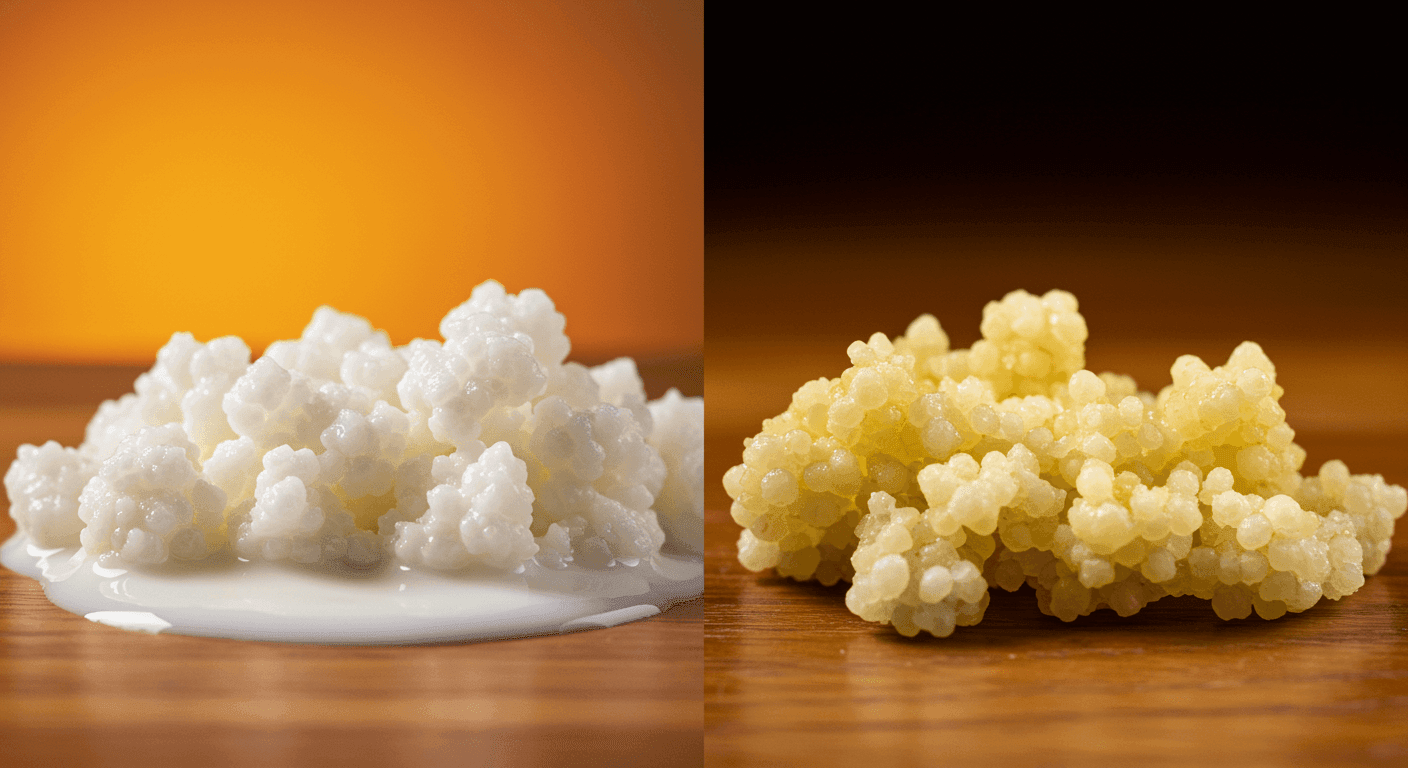
Healthy milk kefir grains look like small cauliflower florets, white to slightly yellow in color, with a firm but yielding texture. They should smell yeasty and slightly sour, never putrid or off. Healthy grains will float when placed in fresh milk and visibly increase in size over time.
Water kefir grains appear as translucent crystals, ranging from clear to slightly amber. They should be distinct crystals, not mushy or dissolving. Healthy water kefir grains often have a slight shimmer and bounce back when gently squeezed. Any strong odors, unusual colors, or slimy textures indicate compromised grains.
Red flags when sourcing include: grains stored in sugar water or milk for extended periods without feeding, sellers who can't answer basic care questions, unusually cheap grains (often dried or poor quality), or grains with visible mold or unusual discoloration. Trust your instincts—if something seems off, find another source.
First Batch Best Practices
Your first batch sets the tone for your fermentation journey, so approach it with patience and realistic expectations. Both types of kefir grains often need an adjustment period in their new home, so your first few batches might not represent the final product quality.
For milk kefir, start with a ratio of 1 tablespoon of grains to 2 cups of milk. Use whole milk for best results—the fats and proteins create a superior texture and help maintain grain health. Let it ferment at room temperature (68-78°F) for 24 hours for your first batch. The result might be thin or not very sour—this is normal as the grains activate.
Water kefir benefits from starting with a simple recipe: 1⁄4 cup grains to 4 cups sugar water (1⁄4 cup sugar dissolved in water). Add a pinch of sea salt and a drop of molasses for minerals. Ferment for 24-48 hours, tasting after 24 to gauge sweetness. Your first batch might be sweeter than expected—the grains need time to reach full activity.
Temperature consistency is crucial for both types. Avoid placing jars near heating vents, windows, or appliances that cycle on and off. A consistent spot on your kitchen counter usually works well. If your home is particularly cool, consider creating a fermentation station with a seedling heat mat for gentle, consistent warmth.
Don't judge your kefir journey by the first week. It typically takes 3-4 batches for grains to fully activate and produce consistent results. Keep notes about fermentation times, temperatures, and results to identify patterns and optimize your process.
Building Your Routine
Successfully integrating kefir-making into daily life requires developing sustainable routines. The key is finding a rhythm that feels natural rather than burdensome. Many successful fermenters link kefir care to existing habits—straining morning kefir while coffee brews or refreshing grains during dinner cleanup.
Start modestly with production goals. Making 2-3 cups every other day is more sustainable than attempting daily quarts immediately. As your confidence and grain supply grow, you can scale up production. Remember that excess kefir can be used in smoothies, baking, or even pet nutrition—nothing needs to go to waste.
Creating a fermentation station helps maintain consistency. Dedicate a counter corner with all necessary supplies: jars, strainer, covers, and ingredients. This eliminates the barrier of gathering supplies each time and makes the process more automatic. Some fermenters even set phone reminders for the first few weeks until the routine becomes natural.
Scaling up production requires planning. As your grains multiply, you can increase batch sizes, share grains with friends, or create backup cultures. Many experienced fermenters maintain a "grain bank" in the refrigerator—backup grains stored in fresh milk or sugar water, refreshed weekly. This insurance policy protects against losses and provides grains for sharing.
Community building around fermentation enriches the experience immeasurably. Share your successes and challenges with other fermenters online or in person. Start a grain-sharing circle in your neighborhood. Teach friends and family about fermentation. This ancient practice thrives in community, and sharing knowledge and cultures continues traditions stretching back millennia.
Conclusion
As we've explored the fascinating world of milk kefir and water kefir, one truth emerges clearly: there is no universally "wrong" choice. Both fermented beverages offer unique benefits, distinct flavors, and valuable probiotic support. The "right" choice is deeply personal, depending on your dietary needs, lifestyle preferences, health goals, and taste inclinations.
If you thrive on dairy, seek substantial nutrition, and enjoy tangy flavors, milk kefir offers unparalleled probiotic diversity and nutritional density. Its protein content, B-vitamins, and traditional preparation connect you to ancient wisdom while supporting modern health goals. The creamy texture and complex flavor profile make it a satisfying addition to any diet that includes dairy.
If you prefer plant-based options, need a lighter beverage, or enjoy experimenting with flavors, water kefir opens up endless possibilities. Its gentle nature, customizable flavors, and refreshing quality make probiotic consumption effortless and enjoyable. The lower calorie content and dairy-free nature make it accessible to virtually everyone.
Many fermentation enthusiasts eventually realize they don't need to choose exclusively. Maintaining both cultures, or alternating seasonally, provides maximum benefit diversity and prevents fermentation fatigue. Start with whichever appeals most strongly, master that process, then consider expanding your fermentation practice.
Remember that fermentation is both art and science. While the basic process is simple, each fermenter develops their own techniques, preferences, and rhythms. Embrace the experimentation, learn from occasional failures, and celebrate the successes. You're participating in one of humanity's oldest food preservation and health practices.
Your kefir journey starts with a single batch. Whether you choose the creamy complexity of milk kefir or the sparkling refreshment of water kefir, you're taking a positive step toward better digestive health, increased probiotic diversity, and connection with traditional food wisdom. Why wait? Your countertop fermentation adventure begins today. Start simple, stay consistent, and let these ancient cultures transform both your kitchen and your health.
Welcome to the wonderful world of kefir—may your grains multiply, your batches bubble perfectly, and your gut thank you for the probiotic abundance you're about to provide.

Quick Comparison Chart
| Feature | Milk Kefir | Water Kefir |
|---|---|---|
| Base Ingredient | Dairy milk | Sugar water |
| Texture | Creamy, yogurt-like | Light, fizzy |
| Flavor | Tangy, sour, complex | Mild, slightly sweet |
| Protein | 3-6g per cup | None |
| Calories | 100-150 per cup | 20-30 per cup |
| Probiotic Strains | More diverse (broad mix) | Less diverse (~15-20) |
| Fermentation Time | 12-48 hours | 24-48 hours |
| Dietary Restrictions | Contains dairy | Vegan-friendly |
| Maintenance Level | Low-moderate | Moderate |
| Flavor Customization | Limited | Extensive |
| Best For | Protein seekers, traditional fermenters | Dairy-free dieters, flavor experimenters |
Myth-Busting Box: Kefir Edition
Myth #1: "Kefir grains are actual grains"
Reality: They're living colonies of bacteria and yeast, named "grains" only for their appearance.
Myth #2: "Store-bought kefir is just as good"
Reality: Commercial kefir is often far less diverse than homemade, and studies have found its label strain and CFU claims are frequently inaccurate.
Myth #3: "Kefir is just liquid yogurt"
Reality: Kefir contains beneficial yeasts and different bacterial strains than yogurt.
Myth #4: "Metal kills kefir grains"
Reality: Brief contact with stainless steel is fine; avoid reactive metals and prolonged contact.
Myth #5: "You can't over-ferment kefir"
Reality: Over-fermentation creates very sour kefir and stressed grains—balance is key!

Seasonal Flavor Ideas for Water Kefir
Spring Refreshers:
- Strawberry-basil with fresh mint
- Elderflower and lemon verbena
- Green tea with jasmine and honey
Summer Coolers:
- Watermelon-lime with fresh mint
- Peach-ginger with a touch of vanilla
- Cucumber-melon with fresh dill
Autumn Warmers:
- Apple-cinnamon with a touch of maple
- Pear-cardamom with star anise
- Cranberry-orange with fresh rosemary
Winter Comfort:
- Pomegranate-ginger with black pepper
- Citrus blend with warming spices
- Hibiscus-rose hip with vanilla bean
Further Reading & Research References
Microbiota and Health Benefits
1. The Microbiota and Health Promoting Characteristics of the Fermented Beverage Kefir - Comprehensive review of kefir's microbial diversity and health benefits (Frontiers in Microbiology, 2016)
2. Kefir and Intestinal Microbiota Modulation: Implications in Human Health - Review of kefir's effects on gut microbiota modulation and disease prevention (Frontiers in Nutrition, 2021)
3. Modern perspectives on the health benefits of kefir in next generation sequencing era - Analysis of kefir's impact on host gut microbiota improvement (Critical Reviews in Food Science and Nutrition, 2018)
4. An update on water kefir: Microbiology, composition and production - Comprehensive review of water kefir microbiota and production methods (International Journal of Food Microbiology, 2021)
5. Water Kefir and Derived Pasteurized Beverages Modulate Gut Microbiota, Intestinal Permeability and Cytokine Production In Vitro - Study on water kefir's effects on gut health and immune modulation (Nutrients, 2021)
Bone Health Research
6. Kefir improves bone mass and microarchitecture in an ovariectomized rat model of postmenopausal osteoporosis - Study showing kefir's protective effects on bone density through calcium uptake enhancement (Osteoporosis International, 2015)
7. Kefir Peptides Prevent Estrogen Deficiency-Induced Bone Loss and Modulate the Structure of the Gut Microbiota in Ovariectomized Mice - Research on kefir peptides' dual effects on bone health and gut microbiota (Nutrients, 2020)
8. Osteoprotective effects of kefir fortified with omega-3 and vitamin C in ovariectomized rats - Study on enhanced kefir formulations for bone health (International Journal for Vitamin and Nutrition Research, 2021)
Lactose Digestion and Tolerance
9. Kefir improves lactose digestion and tolerance in adults with lactose maldigestion - Clinical study demonstrating kefir's effectiveness in improving lactose tolerance (Journal of the American Dietetic Association, 2003)
Cholesterol and Cardiovascular Health
10. Hypocholesterolaemic effects of milk-kefir and soyamilk-kefir in cholesterol-fed hamsters - Animal study showing kefir's cholesterol-lowering properties (British Journal of Nutrition, 2006)
11. Kefir consumption does not alter plasma lipid levels or cholesterol fractional synthesis rates relative to milk in hyperlipidemic men - Human clinical trial examining kefir's effects on cholesterol (BMC Complementary and Alternative Medicine, 2002)
12. Consumption of kefir made with traditional microorganisms resulted in greater improvements in LDL cholesterol - Recent study comparing traditional vs commercial kefir effects on cholesterol and inflammation (Applied Physiology, Nutrition, and Metabolism, 2023)
Exercise Performance and Anti-Fatigue
13. The Effect of Kefir Supplementation on Improving Human Endurance Exercise Performance and Antifatigue - Human clinical trial on kefir's effects on exercise performance (Advances in Food and Nutrition Research, 2021)
14. Kefir Supplementation Modifies Gut Microbiota Composition, Reduces Physical Fatigue, and Improves Exercise Performance in Mice - Animal study linking kefir, gut microbiota, and athletic performance (Nutrients, 2018)
15. The effects of postexercise consumption of a kefir beverage on performance and recovery during intensive endurance training - Study on kefir's role in athletic recovery (Journal of Dairy Science, 2015)
Immune Function and Anti-Inflammatory Effects
16. The Effects of Kefir and Kefir Components on Immune and Metabolic Physiology in Pre-Clinical Studies - Comprehensive review of kefir's immunomodulating properties (Advances in Food and Nutrition Research, 2022)
17. Impact of kefir derived Lactobacillus kefiri on the mucosal immune response and gut microbiota - Research on specific kefir strains and immune response (Journal of Immunology Research, 2015)
Water Kefir Specific Studies
18. Microbiological, biochemical, and functional aspects of sugary kefir fermentation - A review - Comprehensive review of water kefir fermentation and properties (Food Microbiology, 2017)
19. Water kefir, a fermented beverage containing probiotic microorganisms: From ancient and artisanal manufacture to industrialized and regulated commercialization - Review of water kefir's commercial potential and health benefits (Future Foods, 2022)
20. Microbial viability and nutritional content of water kefir grains under different storage conditions - Study on water kefir grain preservation and vitamin content (Journal of Food Science, 2024)
Comprehensive Reviews
21. Milk kefir: nutritional, microbiological and health benefits - Comprehensive review of kefir's nutritional composition and health effects (Nutrition Research Reviews, 2017)
22. Comparison of the relative impacts of acute consumption of an inulin-enriched diet, milk kefir or a commercial probiotic product on the human gut microbiome and metabolome - Comparative study of different probiotic interventions (npj Science of Food, 2023)
These peer-reviewed studies provide scientific evidence for many of the health claims discussed in this article. While research is ongoing and more human clinical trials are needed, the current body of evidence suggests that both milk and water kefir offer significant potential health benefits through their unique probiotic profiles and bioactive compounds.