Important Disclaimer: This article is based on personal experience and publicly available research. It is not medical advice, nor is it intended to diagnose, treat, cure, or prevent any disease. The author is not a medical professional, and the experiences shared are individual results that may not be typical. Always consult with a qualified healthcare provider before making any changes to your diet, supplement routine, or treatment plan. The statements in this article have not been evaluated by the FDA. By reading this article, you acknowledge that you are responsible for your own health decisions.
What is SIBO Yogurt? The Evolution of Our Yogurt Journey
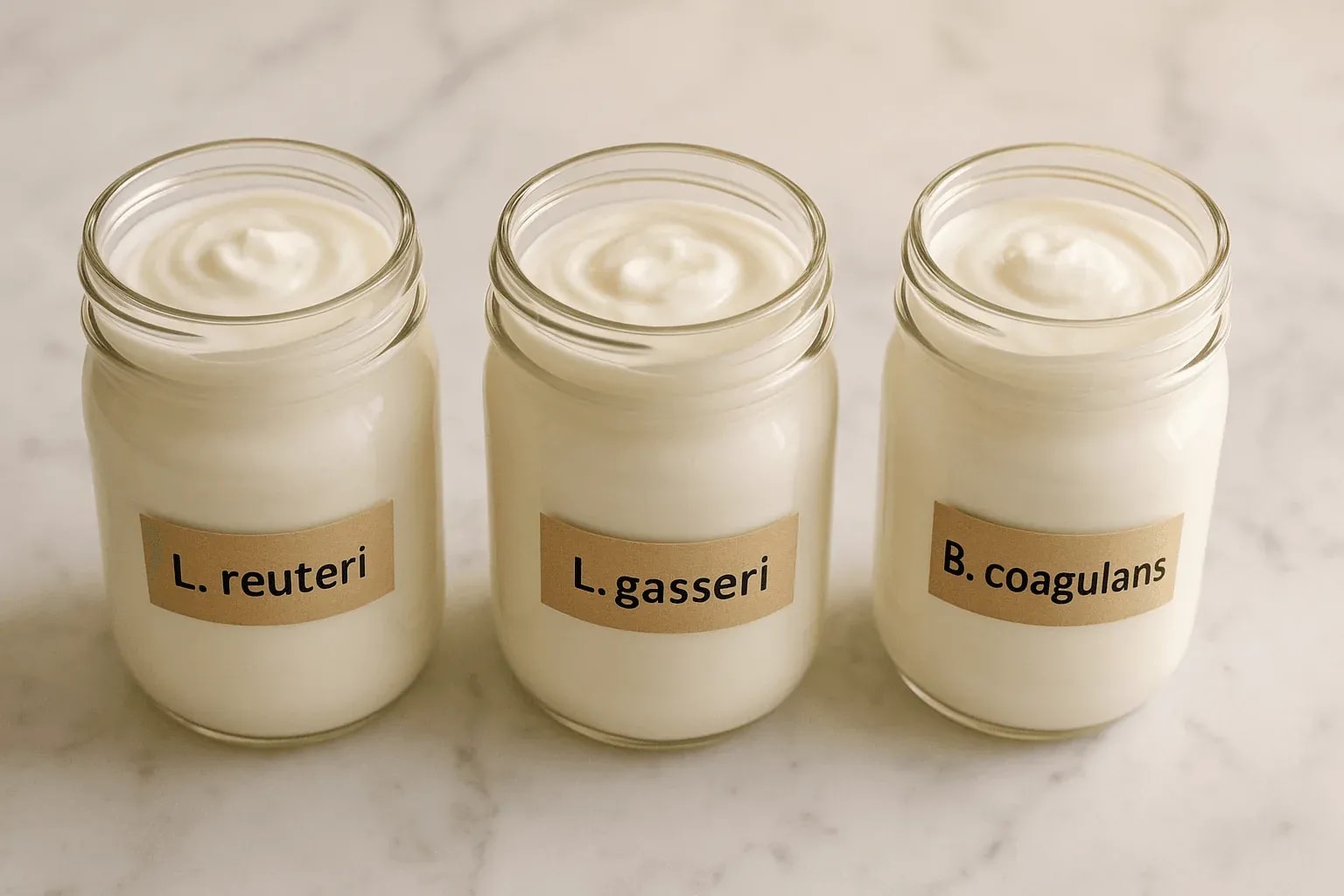
SIBO yogurt is Dr. William Davis's revolutionary triple-strain probiotic yogurt that combines L. reuteri, L. gasseri, and B. coagulans to address Small Intestinal Bacterial Overgrowth and optimize gut health. But for our family, it became so much more.
Edit: Since this was first introduced, Dr. Davis has updated the protocol and replaced B. coagulans with B. subtilis HU58, based on newer insights. You can read the full explanation and what it means in practice here.
L. reuteri yogurt transformed my health—as I shared in my previous article, it cleared my psoriasis and eased my fibromyalgia in ways I never imagined possible. But then we discovered Dr. Davis's SIBO yogurt recipe, a triple-strain powerhouse that took everything we loved about L. reuteri and amplified it.
This isn't a story about L. reuteri failing or being inadequate. It's about evolution, optimization, and the delightful discovery that good can become great. Today, our family starts every morning with generous bowls of this triple-strain SIBO yogurt, and we've never looked back. The kids actually request it, my wife swears by it for her energy levels, and I've experienced benefits that go beyond even my initial L. reuteri success.
Why do we call this the "ultimate yogurt"? Because it combines the transformative power of L. reuteri with two additional strains that create something greater than the sum of its parts. It's more delicious, more effective, and somehow even more satisfying than the single-strain version that already changed our lives.
Key Takeaways
- Three strains, one jar: SIBO yogurt combines L. reuteri, L. gasseri, and B. coagulans for broader gut benefits — creamier and milder than single-strain L. reuteri.
- Ferment at 106°F for 36 hours — the compromise temperature that keeps all three strains happy (L. reuteri dies above 109°F).
- First batch: 1 quart dairy + 2 Tbsp inulin + 10 crushed BioGaia Gastrus tablets, 1 L. gasseri capsule, and 1 B. coagulans capsule; after that, 1/3 cup of a previous batch re-starts it.
- Beyond SIBO: you get the L. reuteri benefits plus support for weight, immunity, digestion, and mood — the strains work in synergy, not competition.
- 2025 update: Dr. Davis now swaps B. coagulans for B. subtilis HU58; the method below still works, and the new strain is covered in our update post.
Why We Upgraded From L. Reuteri to SIBO Yogurt: From Good to Great
Let me be clear: L. reuteri yogurt is amazing. It delivers on every promise—from boosting oxytocin to clearing skin conditions. If you're making L. reuteri yogurt and loving it, you're already miles ahead of where most people are with their gut health. But when I discovered Dr. Davis's SIBO yogurt recipe in his groundbreaking book Super Gut, I was intrigued by the possibility of even more benefits.
The SIBO yogurt includes all the L. reuteri goodness we already knew and loved, but adds two complementary strains: Lactobacillus gasseri BNR17 and Bacillus coagulans GBI-30,6086. Dr. Davis designed this triple-strain yogurt combination specifically to address Small Intestinal Bacterial Overgrowth (SIBO), but what we discovered went far beyond that targeted application.
Related: Why L. Reuteri Yogurt is a Game-Changer for Gut Health
The first thing we noticed? The taste. Oh, the taste! While L. reuteri yogurt has a mild, slightly cheesy flavor that we enjoyed, the addition of B. coagulans creates a yogurt so delicious that it rivals any gourmet dairy product. It's creamier, milder, and has a depth of flavor that makes our morning SIBO yogurt feel like a true indulgence rather than a health routine.
But the SIBO yogurt benefits extended beyond flavor. Within weeks of switching to the triple-strain version, I noticed enhanced mental clarity that surpassed even my L. reuteri experience. The fibromyalgia stiffness that used to make mornings brutal became manageable. The kids' moods became more stable throughout the day. We weren't just maintaining our health improvements—we were building on them.
Understanding SIBO and Dr. Davis's Triple-Strain Yogurt Solution
What does SIBO yogurt do? SIBO (Small Intestinal Bacterial Overgrowth) affects an estimated 60-80% of people with IBS and countless others who don't even realize they have it. It occurs when bacteria that should stay in the colon migrate upward into the small intestine, causing bloating, pain, malabsorption, and a cascade of other symptoms. Traditional treatments often involve antibiotics that provide temporary relief but don't address the root cause.
Dr. Davis's genius was recognizing that we could use specific probiotic strains to naturally restore order in the small intestine. His SIBO yogurt recipe isn't just about adding good bacteria—it's about choosing strains that can colonize the upper GI tract and produce natural antimicrobial compounds to keep unwanted bacteria in check.
The Triple-Strain Synergy
| Strain | Primary Role | Unique Benefits | Why It's Essential |
|---|---|---|---|
| L. reuteri (DSM 17938 & ATCC 6475) | Foundation strain | • Oxytocin production • Upper GI colonization • Anti-inflammatory • Skin health | Provides all original benefits plus synergy |
| L. gasseri BNR17 | Bacteriocin powerhouse | • Weight management • Powerful antimicrobials • Oxalate reduction • Athletic performance | Targets unwanted bacteria effectively |
| B. coagulans GBI-30,6086 | Resilient enhancer | • Survives stomach acid • Anti-inflammatory • Improves protein absorption • Amazing flavor | Adds stability and taste |
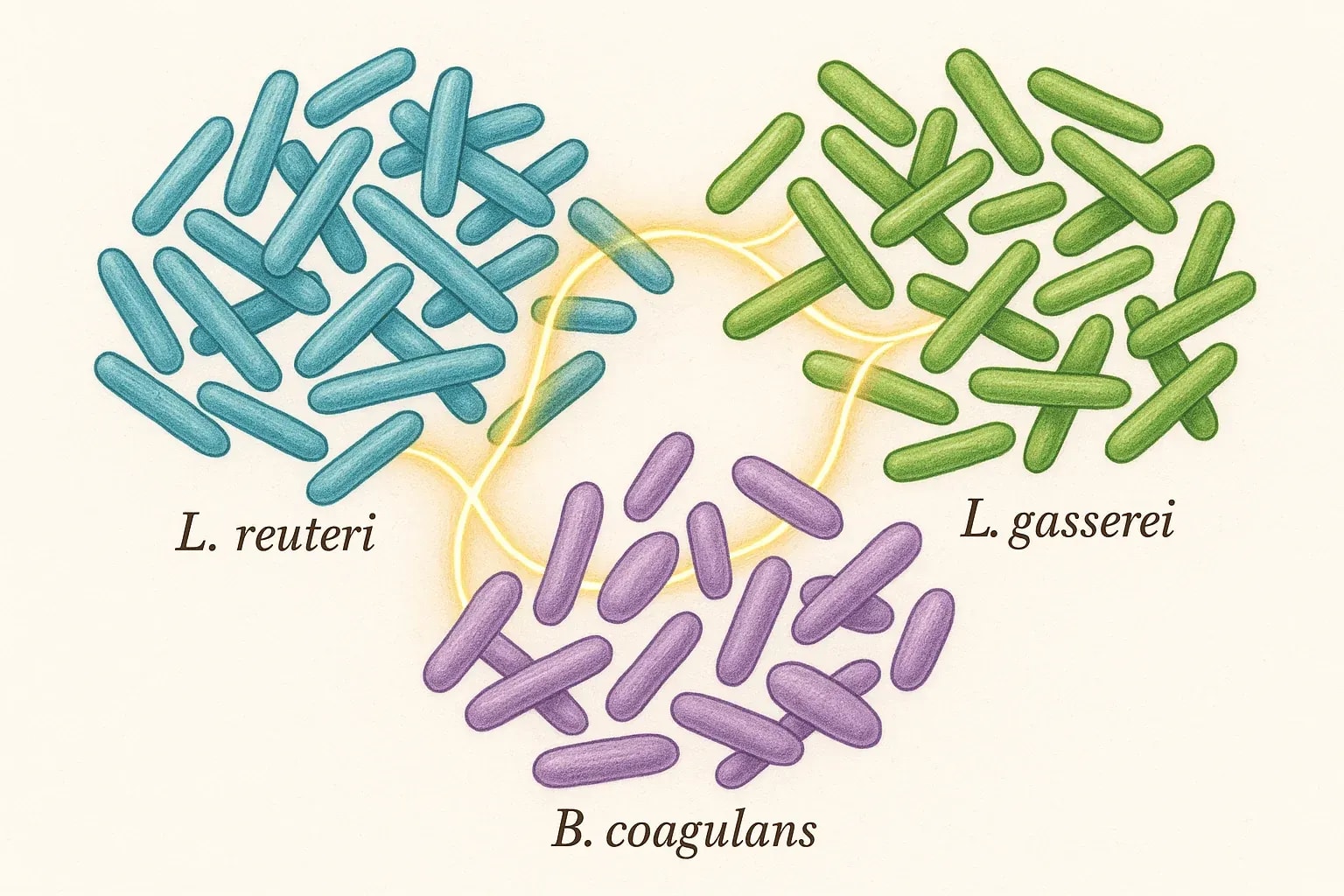
The magic happens when these three work together. Think of it as assembling a dream team where each player not only excels individually but makes the others better. L. reuteri colonizes the upper GI tract, L. gasseri produces potent bacteriocins that act like natural antibiotics, and B. coagulans adds resilience and anti-inflammatory power while making the whole thing taste incredible.
The result? A yogurt that addresses gut issues comprehensively while being so delicious that compliance is never an issue. In our house, the problem isn't getting people to eat their therapeutic dose—it's keeping them from eating the entire batch!
The Science of Strain Synergy
Understanding why these three strains work so well together requires diving into the fascinating world of bacterial cooperation. Unlike the competitive environment when fermenting a single strain for maximum numbers, the SIBO yogurt creates a balanced ecosystem where each strain contributes unique benefits without overwhelming the others.
Bacteriocins: Nature's Gut Police
L. gasseri BNR17 is particularly gifted at producing bacteriocins—protein compounds that selectively inhibit harmful bacteria while leaving beneficial species alone. Think of them as precision antibiotics created by nature. When combined with L. reuteri's own antimicrobial compounds and B. coagulans' ability to create an inhospitable environment for pathogens, you have a triple-threat defense system.
The Temperature Sweet Spot
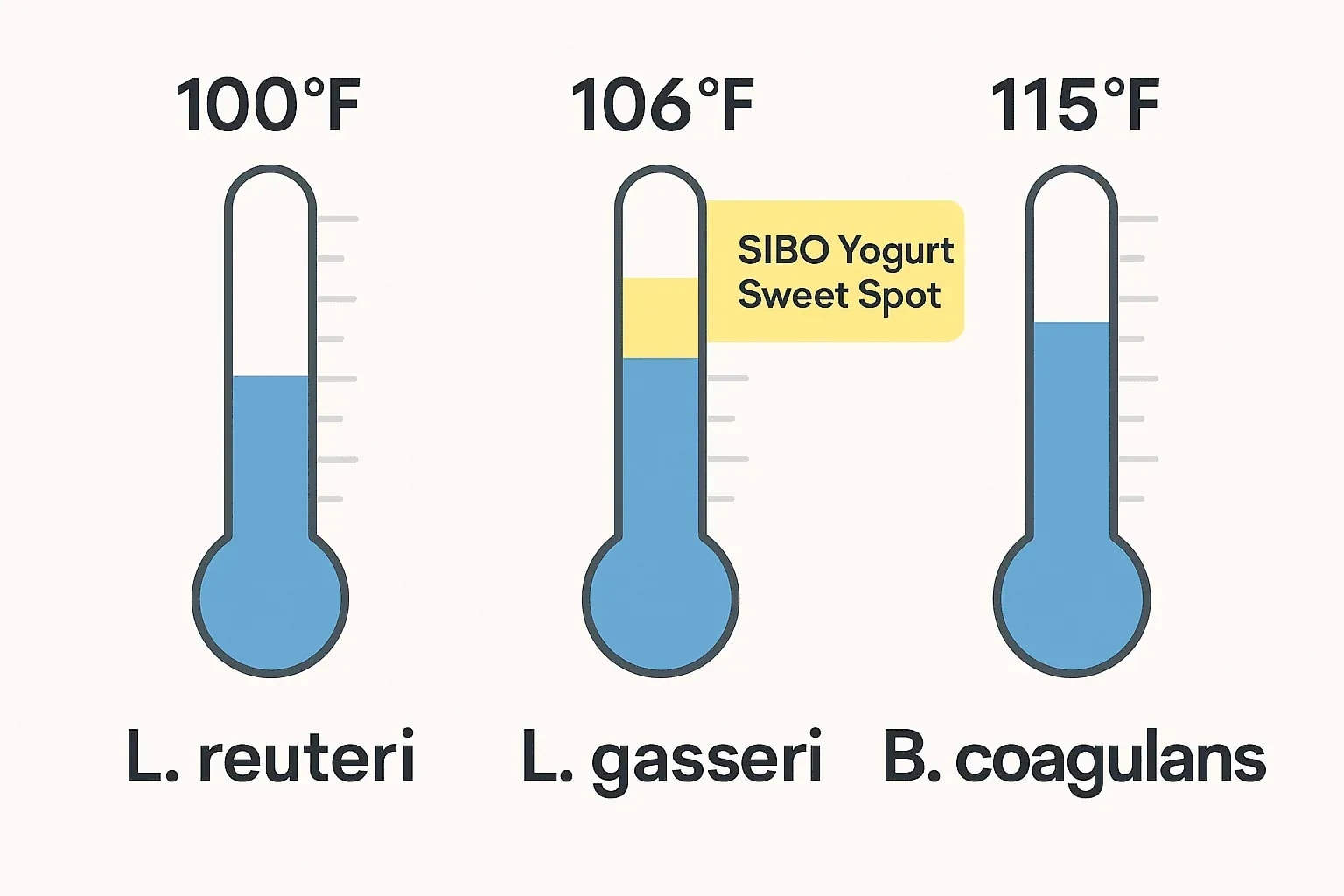
One challenge in creating this yogurt is that different strains prefer different temperatures:
- L. reuteri thrives at 97-100°F
- L. gasseri prefers around 106-109°F
- B. coagulans likes it hot at 115-122°F
Dr. Davis solved this by fermenting at 106°F—a compromise that keeps all strains happy and productive. This temperature allows L. reuteri to survive (it dies above 109°F), gives L. gasseri its preferred environment, and while not optimal for B. coagulans, still allows it to flourish due to its hardy spore-forming nature.
Fermentation Dynamics in Mixed Culture
| Factor | Single Strain | Triple Strain | Result |
|---|---|---|---|
| Bacterial Count | 200-300 billion/serving | 60-100 billion per strain | Still therapeutic levels |
| Competition | None | Balanced | Gentler on system |
| Metabolites | Single type | Multiple types | Broader benefits |
| Die-off Risk | Can be intense | Naturally limited | Easier transition |
| Flavor Complexity | One-note | Multi-dimensional | Superior taste |
This balanced approach means you get therapeutic levels of all three strains without the overwhelming die-off reactions that can occur with super-high counts of a single strain. It's like the difference between taking a handful of one supplement versus a balanced multivitamin—sometimes the synergy is more important than the mega-dose.
SIBO Yogurt vs. L. Reuteri Yogurt: Which is Better?
When people ask me whether they should make L. reuteri yogurt or SIBO yogurt, I tell them it's like asking whether you should drive a Tesla Model 3 or a Model S—they're both fantastic, but one offers premium features that make the experience even better.
Complete SIBO Yogurt vs L. Reuteri Yogurt Comparison
| Feature | L. Reuteri Yogurt | SIBO Yogurt |
|---|---|---|
| Strains | L. reuteri only | L. reuteri + L. gasseri + B. coagulans |
| Primary Benefits | Oxytocin boost, skin health, anti-inflammatory | All L. reuteri benefits PLUS weight management, enhanced immunity |
| Taste | Mild, slightly cheesy | Creamy, rich, absolutely delicious |
| Temperature | 97-100°F | 106°F |
| Best For | Targeted L. reuteri benefits | Comprehensive gut health optimization |
| Die-off Potential | Can be significant | Naturally moderated |
| Kid-Friendly | Good | Excellent (they beg for it!) |
| Athletic Recovery | Good | Superior |
| Mental Clarity | Improved | Significantly enhanced |
| Making Difficulty | Easy | Equally easy |
All the transformative benefits I experienced with L. reuteri yogurt are still there in the SIBO version—the oxytocin boost, the skin improvements, the anti-inflammatory effects. But now they're enhanced by L. gasseri's metabolic benefits and B. coagulans' digestive support. It's not about replacing something that works; it's about making it work even better.
The taste difference alone has been game-changing for our family. While we enjoyed L. reuteri yogurt, the SIBO yogurt is something we genuinely crave. My teenage son, who used to grudgingly eat a small bowl of the single-strain version, now asks if we can make double batches of the SIBO yogurt. That's the power of B. coagulans—it transforms therapeutic food into gourmet delight.
How to Make SIBO Yogurt: Dr. Davis's Triple-Strain Recipe
After years of making SIBO yogurt, we've refined our process to achieve consistent, creamy perfection every time. Here's exactly how to make SIBO yogurt that has become the cornerstone of our family's health routine.
Essential Equipment
Just like with L. reuteri yogurt, precision matters. Here's what works in our kitchen:
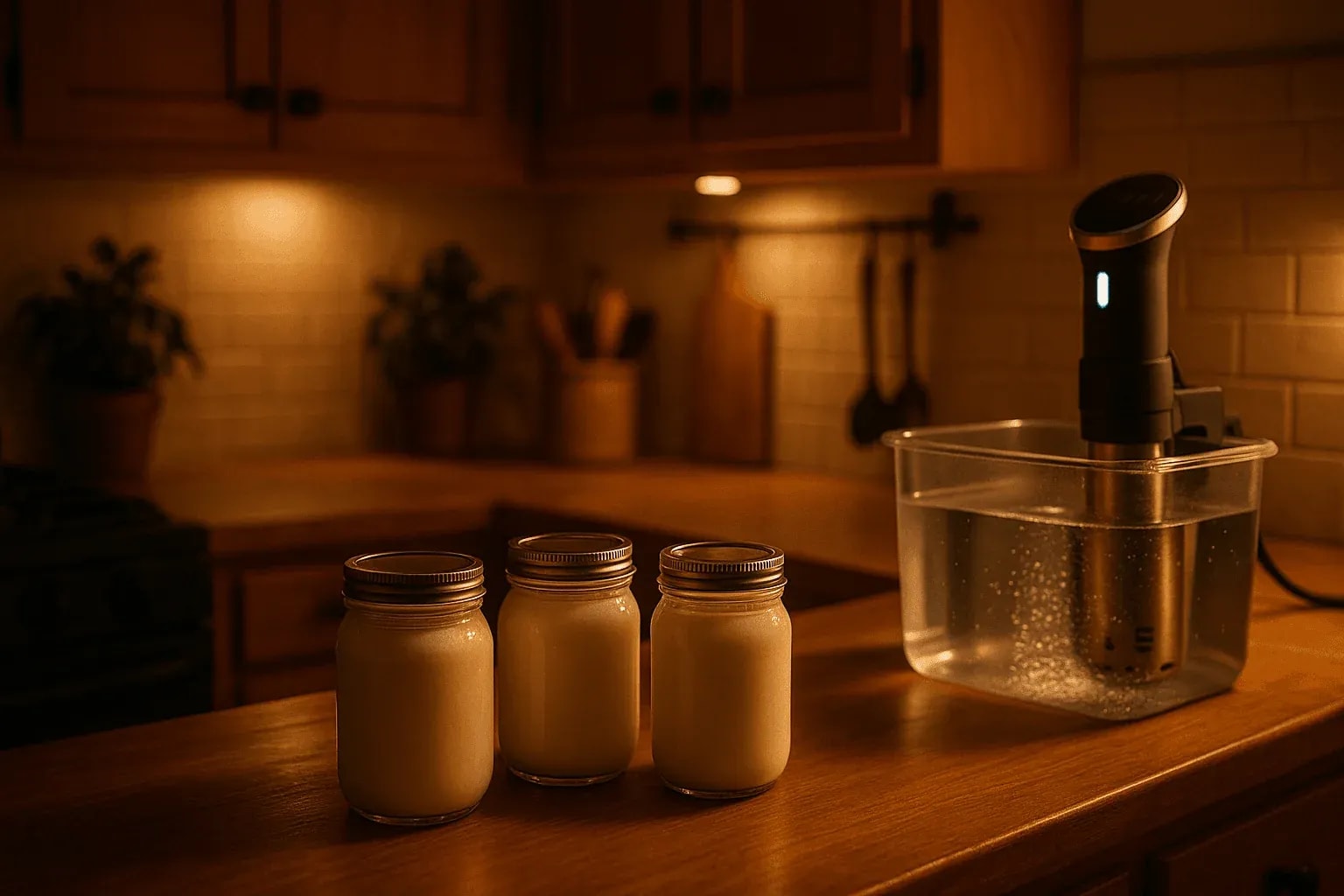
- Temperature control: We use an Anova sous vide cooker because holding 106°F for 36 hours requires precision — the affordable 3.0 is plenty (the Pro is overkill). After trying various methods, this has been the most reliable. A good adjustable yogurt maker works too.
- Glass jars: Wide-mouth mason jars work perfectly. We make 2-3 at a time since our family goes through it quickly.
- Lids: Learned the hard way that metal lids can react with the acidic yogurt—plastic lids solved that problem.
- Labels: Sounds minor, but tracking batches with a simple label maker helps you perfect your process.
SIBO Yogurt Ingredients and Starter Cultures
What cultures are in SIBO yogurt? The three essential strains are:
| Culture | Product | Source | First Batch Amount |
|---|---|---|---|
| L. reuteri (DSM 17938 & ATCC 6475) | BioGaia Gastrus | iHerb | 10 tablets, crushed |
| L. gasseri BNR17 | AceBiome BNRThin (same strain as Dr. Mercola Biothin) | Amazon | 1 capsule |
| B. coagulans GBI-30,6086 | Digestive Advantage | iHerb | 1 capsule |
Dr. Davis's SIBO Yogurt Recipe
Prep Time: 10 minutes
Fermentation Time: 36 hours
Total Time: 36 hours 10 minutes
Servings: 8 (1/2 cup each)
Difficulty: Easy
Ingredients:
- 1 quart (4 cups) liquid dairy — the original recipe uses half-and-half; we use regular 3–4% whole milk (see our tips below)
- 2 tablespoons inulin or raw potato starch
- SIBO yogurt starter cultures (see table above) OR 2 tablespoons each from previous individual yogurts OR 1/3 cup from previous SIBO yogurt batch
Our Dairy Discovery: While Dr. Davis's original recipe calls for half-and-half, we've found that regular 3–4% whole milk creates an absolutely perfect yogurt for our family. It's less heavy, still incredibly creamy, and the B. coagulans makes it taste rich without all the fat. This has been a game-changer for daily consumption—we can enjoy generous bowls without feeling weighed down.
Instructions:
-
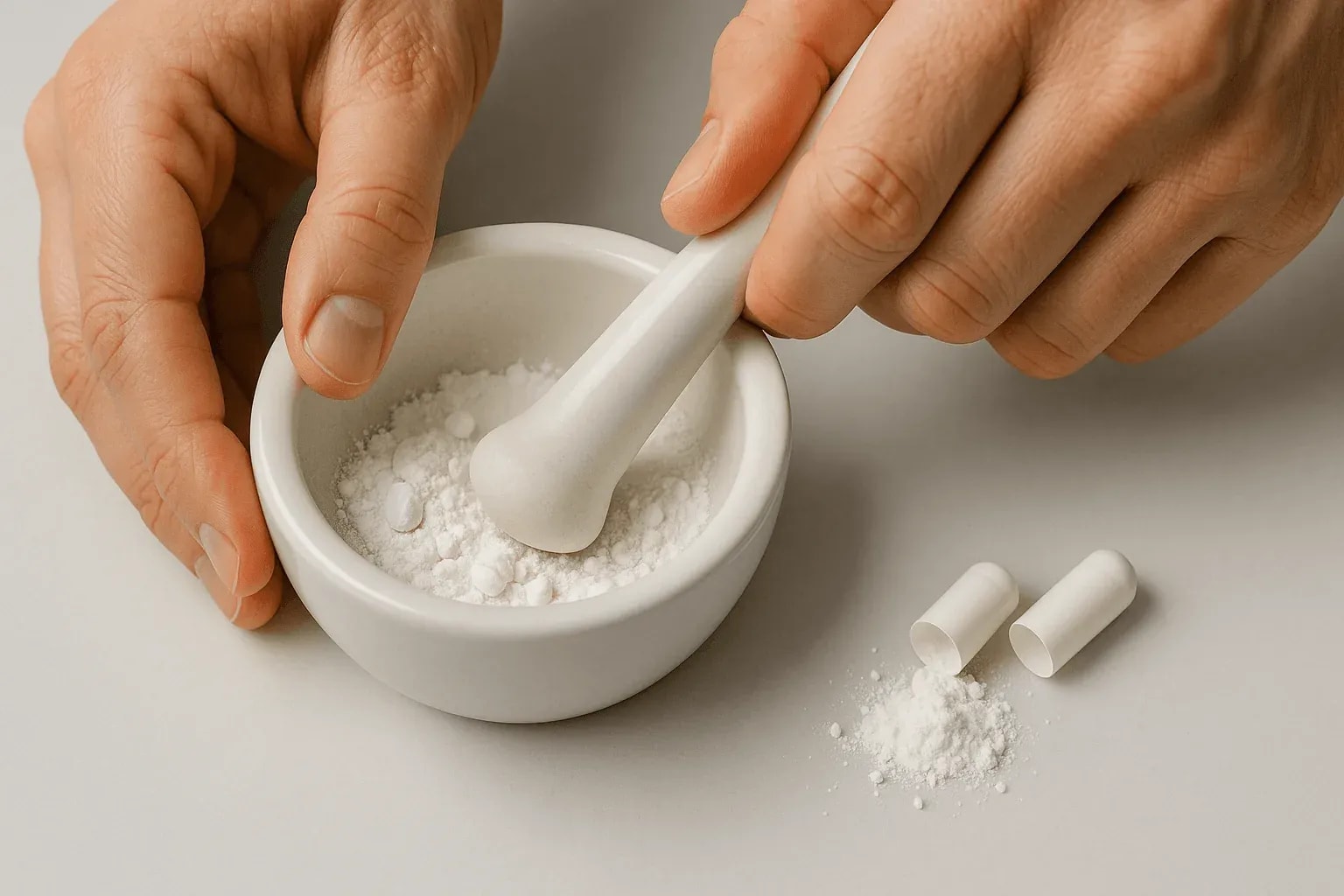
Prepare Your Starters: If using tablets, crush the Gastrus thoroughly. Open the L. gasseri and B. coagulans capsules.
-
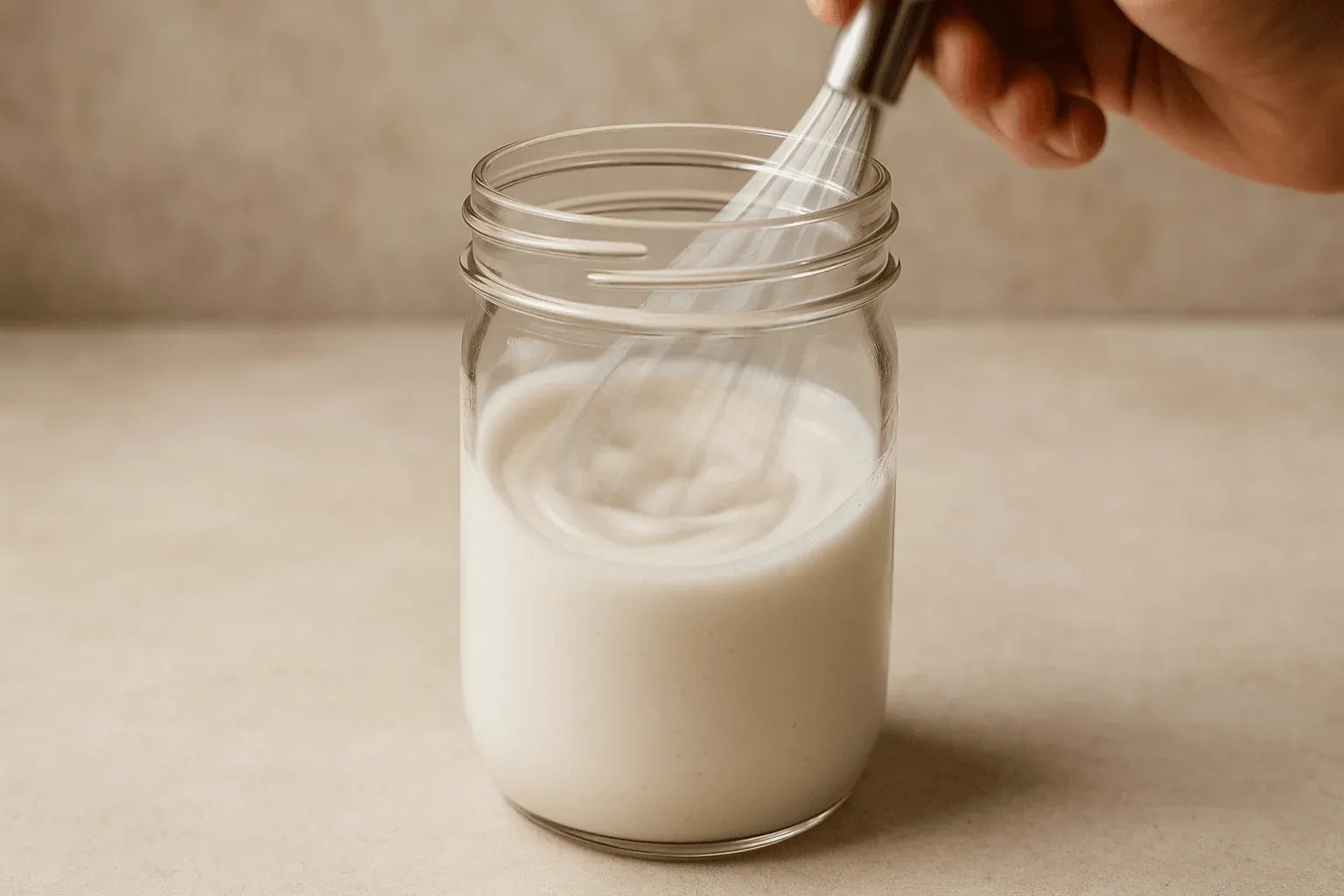
Create the Master Slurry: In your jar, combine all three probiotics with the prebiotic fiber and 2 tablespoons of your milk. Whisk vigorously until completely smooth—this is crucial for even distribution.
-
Add Remaining Dairy: Stir in the rest of your milk until well combined.
-
Ferment at the Magic Temperature: Seal the jars and hold them in your temperature-controlled water bath at 106°F for 36 hours. (Two approaches both work: I screw plastic lids on and fully submerge; Dr. Davis recommends a loose lid or plastic wrap with the water only up to the milk level, not over the lids, so the small amount of gas can vent — use plastic lids, not metal.)
-
Refrigerate and Enjoy: The yogurt continues to thicken as it cools. It's usually perfect by the next morning.
Pro Tips for Perfection
- Use the freshest cultures: We've found that newer probiotic capsules produce thicker yogurt
- Don't skip the slurry step: Uneven distribution leads to inconsistent results
- Be patient with separation: First batches often separate—both parts are beneficial!
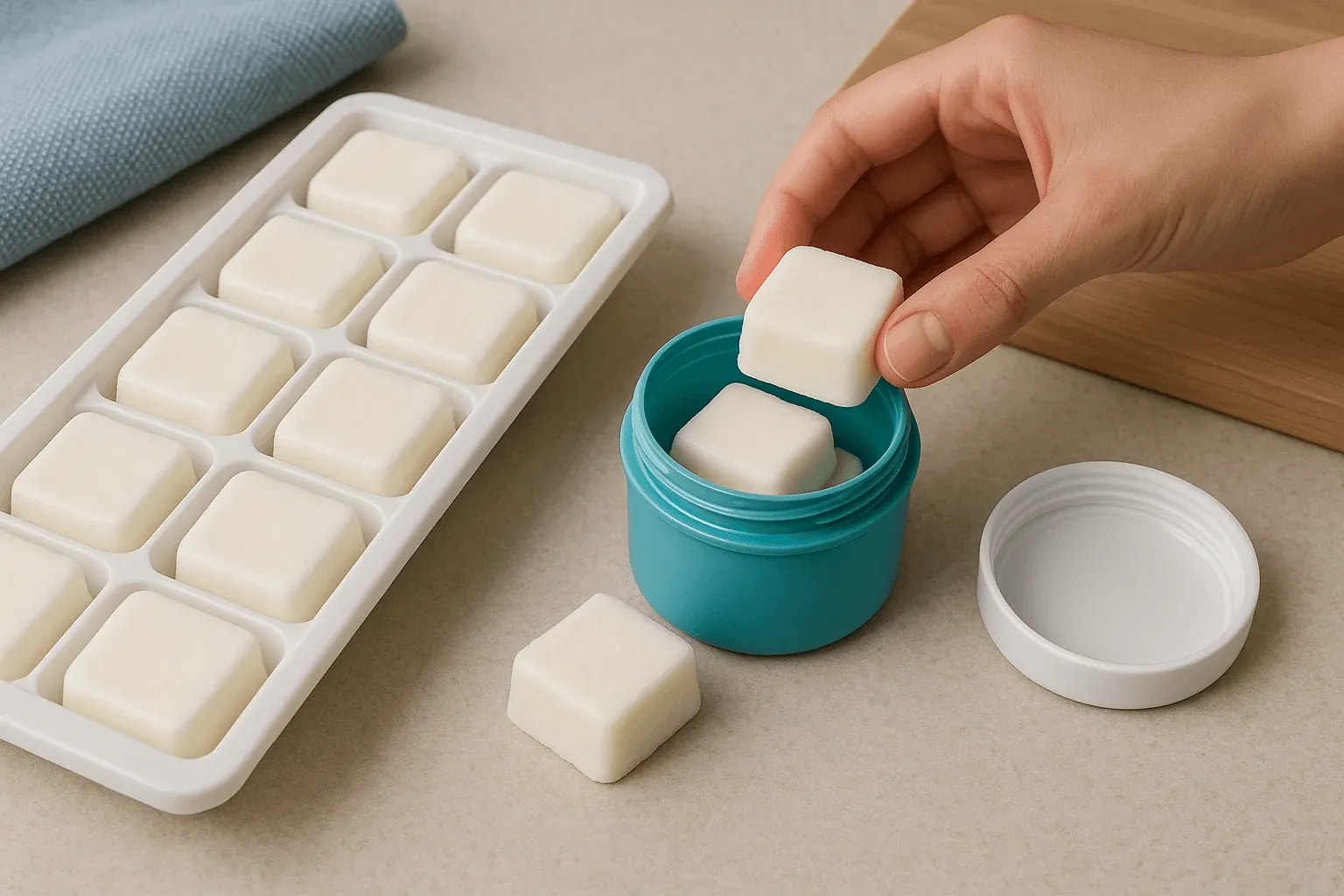
- Save starter religiously: We freeze portions in ice cube trays as backup
Taking It Further: Greek Yogurt and Whey Magic
One of our favorite discoveries? Straining the finished SIBO yogurt through cheesecloth for 4-6 hours creates the most incredible Greek yogurt texture. The concentrated result is so thick and creamy, it's like eating healthy ice cream. We do this when we want something extra special for dessert or when making yogurt-based dips.
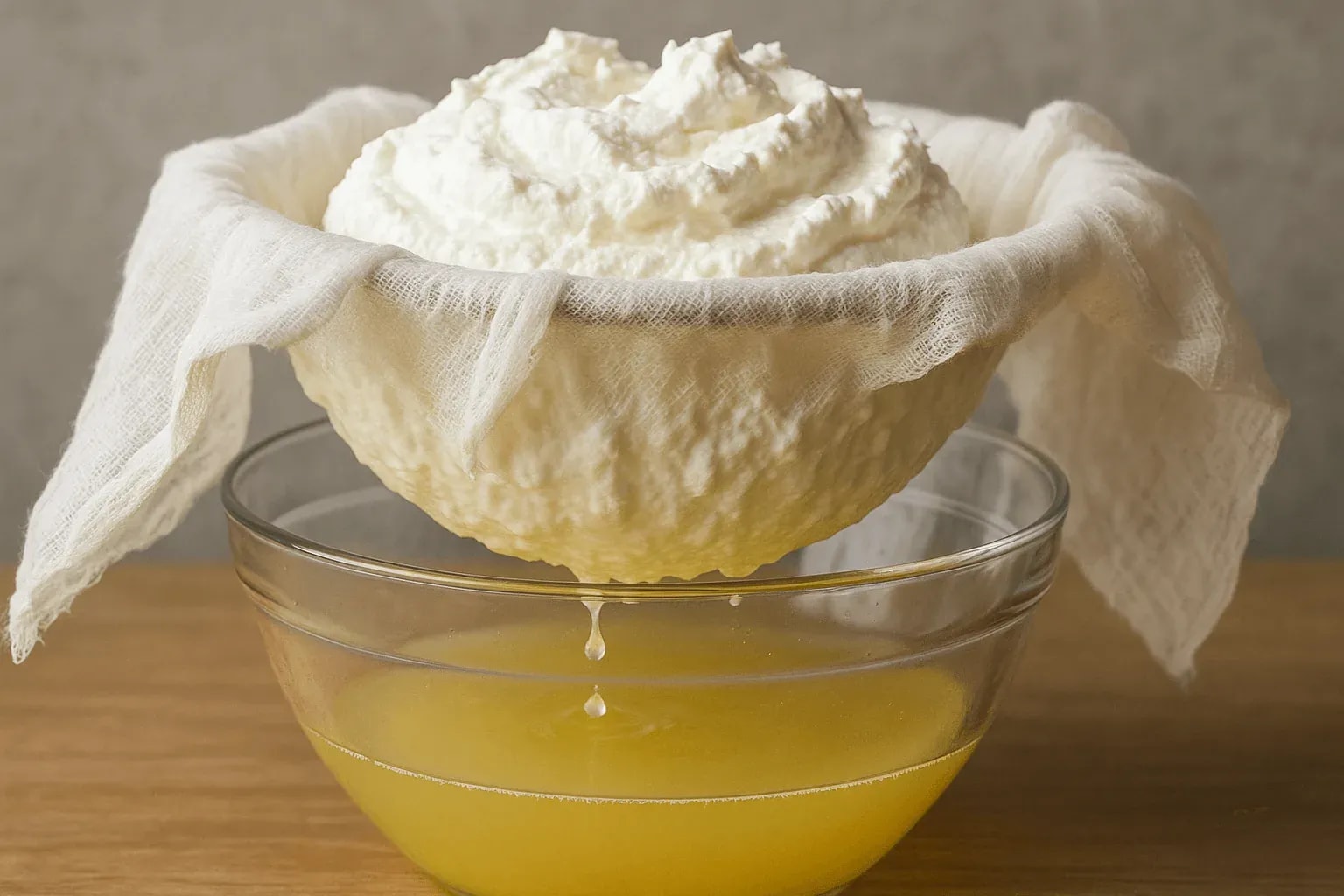
Don't toss that whey! If you're not lactose intolerant, the strained whey is liquid gold. We use it to:
- Make ricotta cheese (heat to 185°F and add a splash of vinegar)
- Add to smoothies for probiotic boost
- Use as starter for fermenting vegetables
- Mix into soups for added nutrition
The whey contains tons of beneficial bacteria and proteins—it seems almost criminal that most people pour it down the drain.
The Unexpected SIBO Yogurt Benefits We Discovered
While we initially made SIBO yogurt for its targeted gut health benefits, what we've experienced goes far beyond our expectations. This is where the synergy of three strains really shines—especially for someone dealing with chronic inflammation and pain.
Enhanced Mental Performance with SIBO Yogurt
The mental clarity from L. reuteri alone was noticeable, but the SIBO yogurt took it to another level. That "fibro fog" that used to cloud my thinking? It's lifting. I find myself able to focus, to think clearly, to tackle tasks that used to feel overwhelming. Is it the combined anti-inflammatory effects? The enhanced nutrient absorption from B. coagulans? The metabolic optimization from L. gasseri? Probably all of the above.
SIBO Yogurt for Fibromyalgia and Pain Relief
The fibromyalgia that once made me feel like I was "80 years old in a 35-year-old body" has dramatically improved since adding triple-strain SIBO yogurt to my routine. That brick-like stiffness, the aching heaviness that sleep couldn't cure—it's not gone, but it's manageable now. I attribute this to the combined anti-inflammatory effects of all three strains, particularly B. coagulans' documented ability to reduce inflammatory markers and L. reuteri's systemic anti-inflammatory properties. The difference between single-strain and triple-strain for my fibro symptoms has been remarkable.
Kids Love SIBO Yogurt (The Taste Victory)
Perhaps the most unexpected SIBO yogurt benefit is how much our kids love this yogurt. Our 2-year-old gets excited when she sees the jars, and the older kids in our extended family choose it over sugary alternatives. They don't know about the billions of beneficial bacteria or the strain-specific benefits. They just know it tastes amazing and makes them feel good. No more negotiations about eating a "healthy breakfast"—they're asking for seconds and experimenting with their own topping combinations.
SIBO Yogurt and Digestive Perfection
While L. reuteri helped significantly with digestive issues, the addition of L. gasseri and B. coagulans in SIBO yogurt created what I can only describe as digestive perfection. Bloating? Gone. Irregular movements? History. That heavy feeling after meals? Completely resolved. It's like our digestive systems are finally working the way they were designed to.
Making It Part of Your Life
Incorporating SIBO yogurt into daily life has been effortless because it's genuinely enjoyable. Here's how we've made it a sustainable part of our routine:
Our Morning Ritual
Every morning starts the same way in our house:
- Pull the SIBO yogurt from the fridge
- Set out our favorite toppings bar
- Everyone creates their perfect bowl (yes, even the 2-year-old has preferences!)
- Enjoy together before the day begins
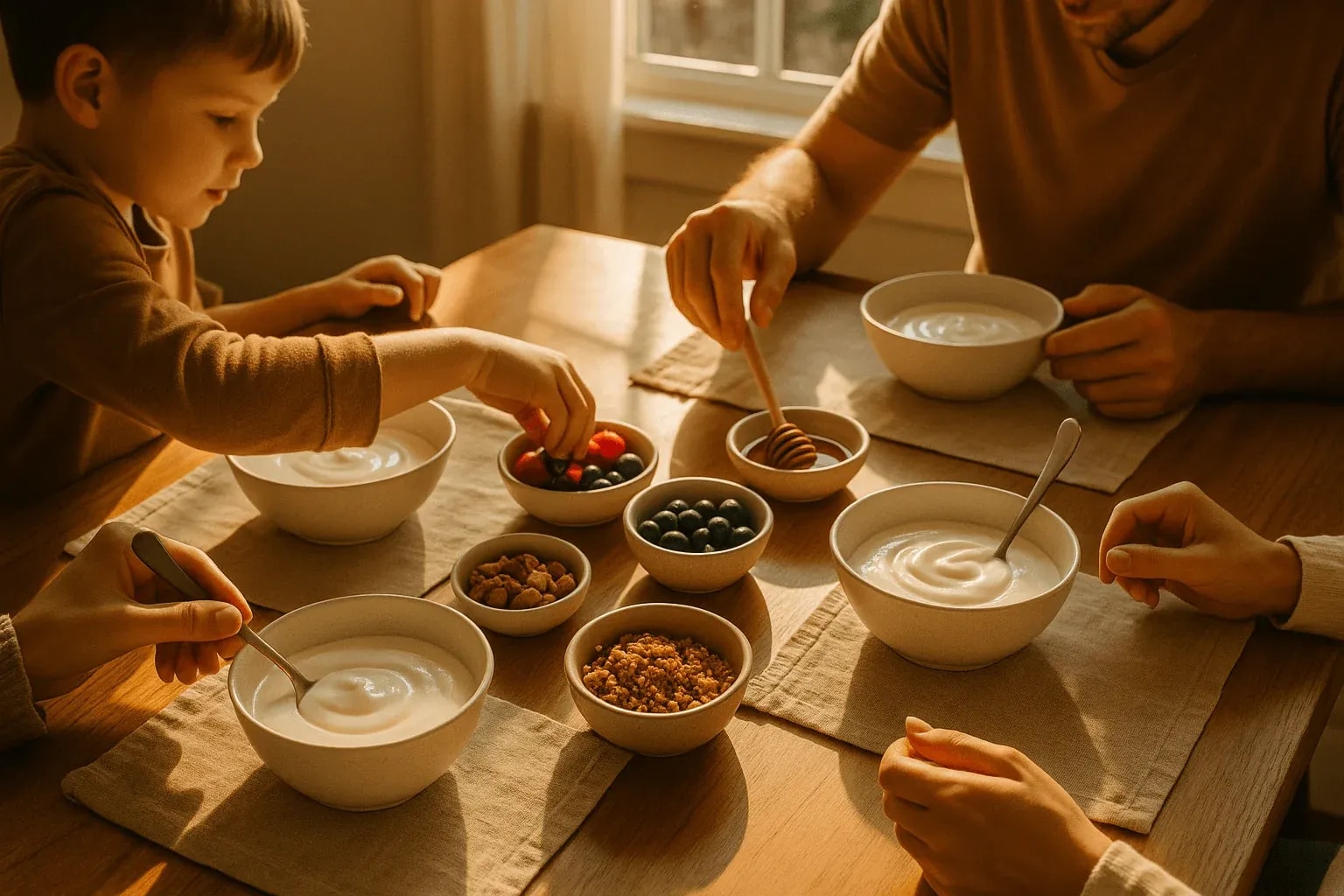
It's become such a cherished routine that when we have family visiting, they quickly join in. My teenage nieces and nephews, who normally skip breakfast, are suddenly morning people when they smell the toppings being set out.
Favorite Combinations That Make It Irresistible
| Family Member | Go-To Toppings | Why It Works |
|---|---|---|
| Me | Berries, cacao nibs, almond butter | Antioxidant powerhouse |
| My wife | Honey, walnuts, sliced banana | Perfect morning energy boost |
| 2-year-old | Mashed banana, tiny berries | Toddler-safe & naturally sweet |
| Teenagers | Granola, strawberries, chocolate chips | Feels like dessert |
| Grandparents | Stewed prunes, ground flax | Digestive support combo |
Transitioning from L. Reuteri to SIBO Yogurt
If you're currently making L. reuteri yogurt, transitioning is simple:
- Use 2 tablespoons of your current L. reuteri yogurt as the L. reuteri component
- Add the L. gasseri and B. coagulans capsules
- Ferment at 106°F instead of 100°F
- Everything else stays the same!
Batch Management for Busy Families
We've learned to streamline production:
- Make 3 jars at once (lasts our family 4-5 days)
- Start the next batch when opening the last jar
- Keep frozen starter cubes as backup
- Label everything with dates using our label maker
- Order fresh cultures quarterly (we get all three from iHerb with one order)
Troubleshooting and Mastery Tips
After hundreds of batches, we've encountered and solved every possible issue. Here's our wisdom:
Achieving Perfect Texture Every Time
The key to consistently thick, creamy yogurt:
- Temperature precision: Even 2 degrees off affects results
- Quality dairy: Organic, grass-fed produces superior texture
- Fresh cultures: Replace your starters every 3-4 months
- Patience: Don't check constantly—let the magic happen
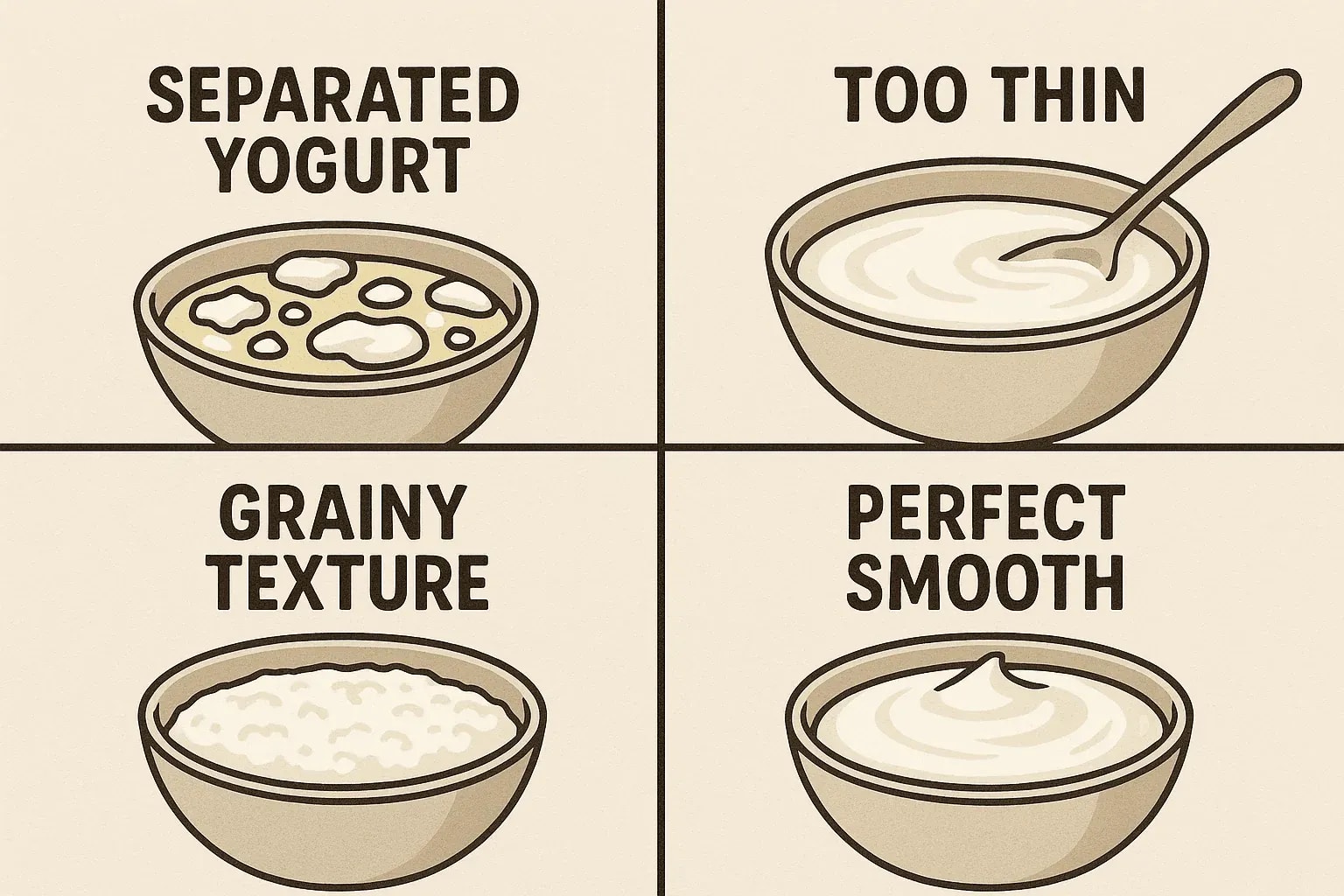
Common Issues and Solutions
| Issue | Cause | Solution |
|---|---|---|
| Separation | Normal for first batches | Stir and use both parts |
| Too thin | Temperature too low | Verify 106°F exactly |
| Grainy texture | Overheating | Check temperature calibration |
| Slow fermentation | Old cultures | Start with fresh probiotics |
| Too sour | Over-fermentation | Reduce to 34 hours |
When to Start Fresh
We begin new batches from store-bought cultures when:
- Yogurt becomes consistently thinner
- Flavor changes significantly
- It's been 3+ months of propagation
- Benefits seem to diminish
Travel Tips That Work
Don't let travel interrupt your routine:
- Freeze starter in ice cube trays before trips
- Pack cultures in pill organizers (we order extras from iHerb to keep as backup)
- Hotel mini-fridges work for storage
- Some devoted fans even travel with mini sous vide units!
The Evolution Continues
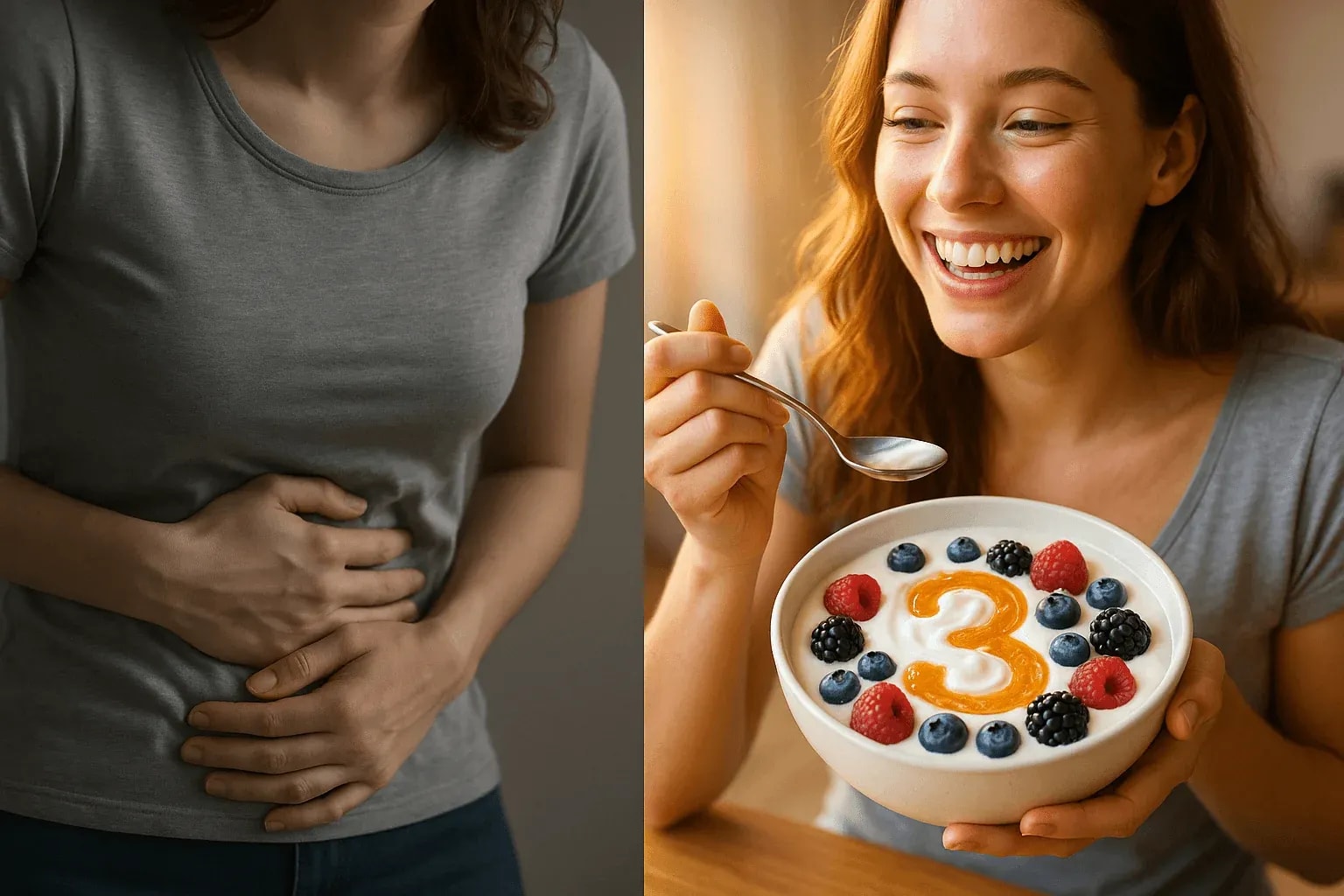
Sometimes the smallest upgrades make the biggest difference. We still have the photos from that first batch of L. reuteri yogurt—separated, lumpy, but full of promise. We were so proud of it. Now, three years later, our kitchen counter tells a different story: smooth jars of triple-strain yogurt, each one consistent and creamy, waiting for tomorrow's breakfast.
What started as a health experiment has become something much more. It's our 2-year-old learning to say "yogurt" as one of her first words. It's my wife adding it to her morning smoothie. It's the teenagers in our extended family actually choosing this over sugary cereals when they visit. It's the neighbor who asked for our "recipe for that amazing yogurt" after trying it at a potluck.
The truth is, we don't think of this as "SIBO yogurt" anymore—it's just our yogurt. The one that happens to combine three powerful strains. The one that tastes better than any store-bought option. The one that quietly supports our health while being genuinely enjoyable to eat.
I never imagined that learning to ferment bacteria would become such a normal part of life. But here we are, with our sous vide humming away in the corner, creating tomorrow's breakfast while we sleep. It's become as routine as making coffee—except this routine has fundamentally changed how we feel.
For those curious about trying this, know that it's not complicated. Yes, you need the right tools and cultures (I've shared what works for us throughout this article). Yes, it takes 36 hours. But mostly, it just takes the decision to try something that might help.
Because sometimes the path to feeling better isn't found in a prescription or a complicated protocol. Sometimes it's discovered in a mason jar at 106°F, with three strains of beneficial bacteria working together to create something that's both medicine and food, treatment and treat.
Your journey might start with L. reuteri. It might jump straight to the triple-strain version. Or it might take you somewhere entirely different. But if you're looking for a place to begin, this simple yogurt has been a game-changer for our family. Maybe it could be for yours too.
Scientific References
Corrected Scientific References
-
L. gasseri and Weight Management: Kadooka Y, et al. "Regulation of abdominal adiposity by probiotics (Lactobacillus gasseri SBT2055) in adults with obese tendencies in a randomized controlled trial." Eur J Clin Nutr. 2010;64(6):636-43. PubMed
-
B. coagulans and Protein Utilization: Jäger R, et al. "Probiotic Bacillus coagulans GBI-30, 6086 improves protein absorption and utilization." Probiotics Antimicrob Proteins. 2018;10(4):611-615. PubMed
-
B. coagulans and IBS: Hun L. "Bacillus coagulans significantly improved abdominal pain and bloating in patients with IBS." Postgrad Med. 2009;121(2):119-24. PubMed
-
L. gasseri Bacteriocin Production: Itoh T, et al. "Inhibition of food-borne pathogenic bacteria by bacteriocins from Lactobacillus gasseri." Lett Appl Microbiol. 1995;21(3):137-41. PubMed
Note: The specific paper about Gassericin A structure is: Kawai Y, et al. "Gassericin A; an uncommon cyclic bacteriocin produced by Lactobacillus gasseri LA39 linked at N- and C-terminal ends." Biosci Biotechnol Biochem. 1998;62(12):2438-40. PubMed
-
SIBO Prevalence in IBS: While there isn't a single Mayo Clinic study showing 60-80% prevalence, the scientific literature shows varying prevalence rates. A comprehensive review is: Ghoshal UC, et al. "Small Intestinal Bacterial Overgrowth and Irritable Bowel Syndrome: A Bridge between Functional Organic Dichotomy." Gut Liver. 2017;11(2):196-208. PMC
The ACG Clinical Guideline by Pimentel M, et al. "ACG Clinical Guideline: Small Intestinal Bacterial Overgrowth." Am J Gastroenterol. 2020;115:165–78. PubMed
-
Synergistic Effects of Multiple Probiotics: Chapman CM, et al. "Health benefits of probiotics: are mixtures more effective than single strains?" Eur J Nutr. 2011;50(1):1-17. PubMed
-
B. coagulans and Inflammation: Majeed M, et al. "Bacillus coagulans MTCC 5856 supplementation in the management of diarrhea predominant Irritable Bowel Syndrome: a double blind randomized placebo controlled pilot clinical study." Nutr J. 2016;15:21. PMC
-
L. gasseri and Inflammation: While there are multiple studies on L. gasseri and inflammation, a recent comprehensive one is: Qian G, et al. "Lactobacillus gasseri ATCC33323 affects the intestinal mucosal barrier to ameliorate DSS-induced colitis through the NR1I3-mediated regulation of E-cadherin." PLoS Pathog. 2024;20(9):e1012541. PMC
Another relevant study: Carroll IM, et al. "Anti-inflammatory properties of Lactobacillus gasseri expressing manganese superoxide dismutase using the interleukin 10-deficient mouse model of colitis." Am J Physiol Gastrointest Liver Physiol. 2007;293(4):G729-38. PubMed
The equipment and cultures mentioned throughout this article are what we use daily. Dr. Davis's Super Gut book explains the science beautifully if you want to understand the 'why' behind the 'how.'