#Key Takeaways
- Pasteurized fermented dairy (yogurt, kefir) is safe and beneficial during pregnancy, supporting maternal gut health and potentially reducing gestational diabetes risk
- Avoid all unpasteurized/raw milk products — they carry serious Listeria risk that can cause pregnancy loss
- Homemade fermented vegetables are generally safe when prepared with proper hygiene and stored correctly
- Probiotic-rich foods may reduce infant eczema and allergies when consumed during pregnancy and breastfeeding
- Always choose pasteurized versions of fermented foods and reheat deli meats to 165°F before eating
When my wife was pregnant with our daughter, I was deep into my fermentation journey—jars bubbling on every counter, new cultures arriving weekly. But suddenly, we had to pause and ask: which of these beloved ferments were actually safe for her and our growing baby? The research we did transformed how we approached fermented foods during those crucial nine months.
A note on health information: The information shared here is for educational purposes only and is not intended as medical advice. Pregnancy nutrition is highly individual. Always consult with your healthcare provider or a registered dietitian before making changes to your diet during pregnancy, especially if you have existing health conditions or pregnancy complications.
#Why Fermented Foods Matter During Pregnancy
Your gut microbiome during pregnancy isn't just about you anymore—it's the foundation for your baby's first microbial inhabitants. Research has shown that fermented foods offer greater nutritional benefits than their unfermented counterparts, as microorganisms break down complex compounds to produce vitamins and other micronutrients that are especially valuable during pregnancy.
But here's what makes this particularly fascinating: the benefits extend far beyond pregnancy itself. Studies indicate that fermented food consumption during pregnancy may reduce the risk of atopic dermatitis in infants, improve infant sleep duration, and even increase birth weight.
The science points to something remarkable—what you eat during pregnancy can influence your baby's health for years to come. Regular consumption of fermented dairy products, particularly yogurt and kefir, has been associated with increased abundance of beneficial bacteria and improved microbial diversity in the maternal gut.
#The Safety Question: What You Absolutely Need to Know
The single most important rule: Choose pasteurized.
This isn't about being overly cautious—it's about understanding a very real risk. Every year, 4 in 100,000 pregnant women in the U.S. get sick with Listeria, and sadly, 1 in 4 pregnant women who get this illness lose their pregnancy or their baby. That statistic stopped me cold when we were researching.
Listeria monocytogenes is a bacterium that can survive and even grow in refrigerated foods. Pregnant women and their unborn or newborn babies are considered high-risk groups susceptible to serious effects of listeriosis.
#What This Means for Your Fermentation Practice
If you're like me and love making fermented foods at home, you don't have to stop entirely—but you do need to be more selective and careful:
Safe Choices:
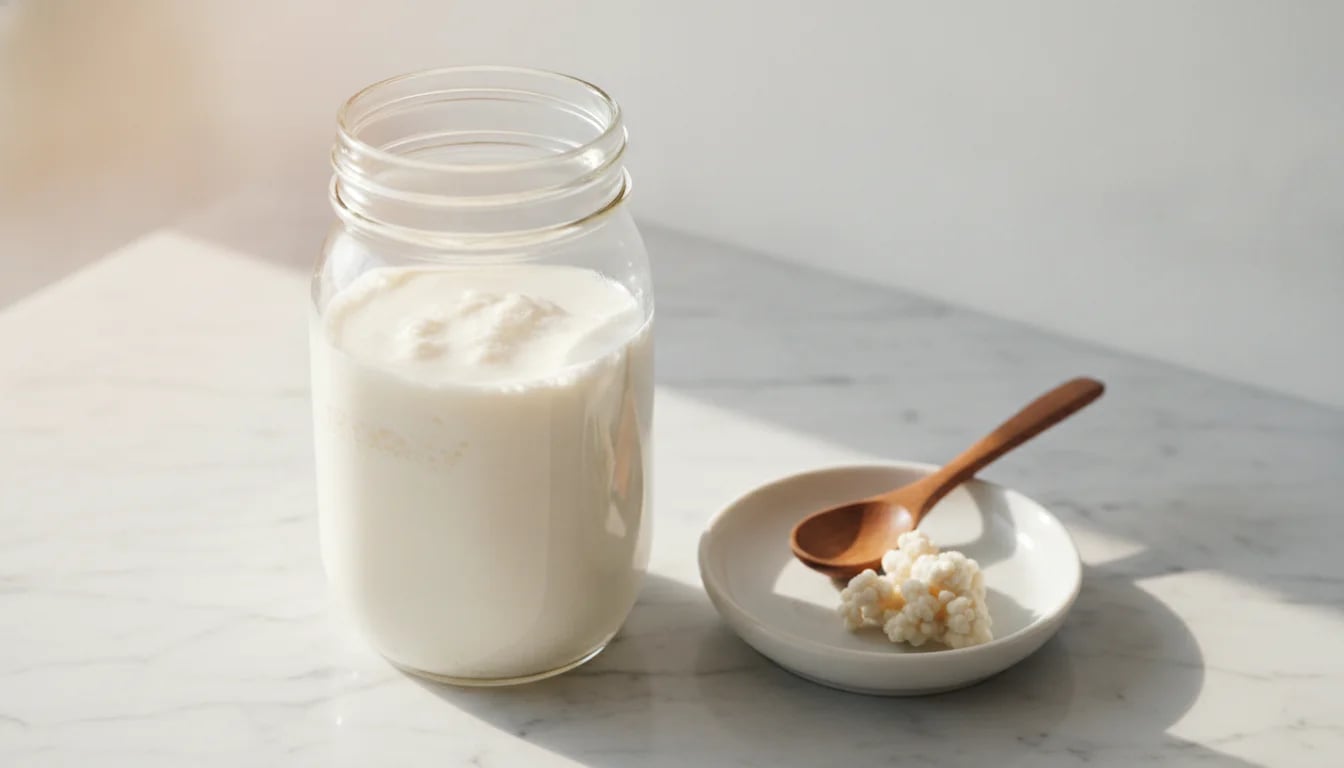
- Homemade yogurt and kefir made with pasteurized milk using a precision yogurt maker or sous vide device for temperature control
- Fermented vegetables prepared with proper hygiene in clean fermentation crocks or airlock-equipped jars
- Store-bought fermented foods that are pasteurized
- Hard cheeses made with pasteurized milk (Cheddar, Parmesan, Asiago)
Foods to Avoid:
- Any raw (unpasteurized) milk, yogurt, or ice cream — these carry high risk for Listeria
- Soft cheeses made with unpasteurized milk (even if they're fermented)
- Unheated deli meats, cold cuts, and fermented or dry sausages (unless reheated to 165°F)
- Fermented foods from unknown sources or questionable storage conditions
#The Beautiful Benefits: What the Research Shows
Once you know what's safe, the benefits of fermented foods during pregnancy are genuinely exciting.
#Gestational Diabetes Prevention
Daily consumption of probiotic yogurt by pregnant women for 9 weeks stabilized serum insulin levels, suggesting potential prevention of pregnancy-induced insulin resistance. Even more specifically, probiotic yogurt containing Lactobacillus acidophilus and Bifidobacterium animalis reduced the risk of gestational diabetes.
For women already dealing with gestational diabetes, there's hope too: soy-bean oligosaccharides were found to alleviate insulin resistance among pregnant women with this condition.
#Reduced Pregnancy Complications
Large cohort studies have found that consumption of fermented foods during pregnancy is associated with reduced risk of pregnancy complications overall. Randomized controlled trials have reported that Lactobacillus rhamnosus HN001 supplementation may reduce the risk of gestational diabetes, while synbiotic supplementation has been reported to improve clinical parameters associated with preeclampsia, including reductions in blood pressure, proteinuria, and serum creatinine levels.
#Long-Term Benefits for Your Baby
This is where it gets really beautiful. The benefits don't stop at birth.
Five studies demonstrated that fermented food consumption during pregnancy may reduce the risk of atopic dermatitis in infants. Maternal probiotic supplementation during pregnancy and breastfeeding reduces infant eczema risk—with one study showing the risk of developing eczema during the first 24 months of life was significantly reduced in infants of mothers receiving specific probiotic combinations.
In the ProPACT study, maternal probiotics reduced the cumulative incidence of atopic dermatitis in offspring by 40% at 2 years of age, with lower inflammatory markers in the probiotic group.
Research also suggests fermented food consumption during pregnancy may reduce the risk of food protein-induced allergic proctocolitis in infants—a condition that can make early feeding challenging.

#My Personal Journey: Learning What Works
When my wife got pregnant, I had to completely rethink my fermentation practice. I was making everything—raw milk kefir, aged cheeses, fermented sausages, wild-fermented vegetables. Suddenly, most of my favorite projects were off the table.
At first, I felt frustrated. Fermentation had become such a huge part of my health journey and our kitchen routine. But as we researched together, I realized this wasn't about restriction—it was about being intentional and protective during this incredible time.
We shifted our focus to what was safe and beneficial:
What We Kept Making:
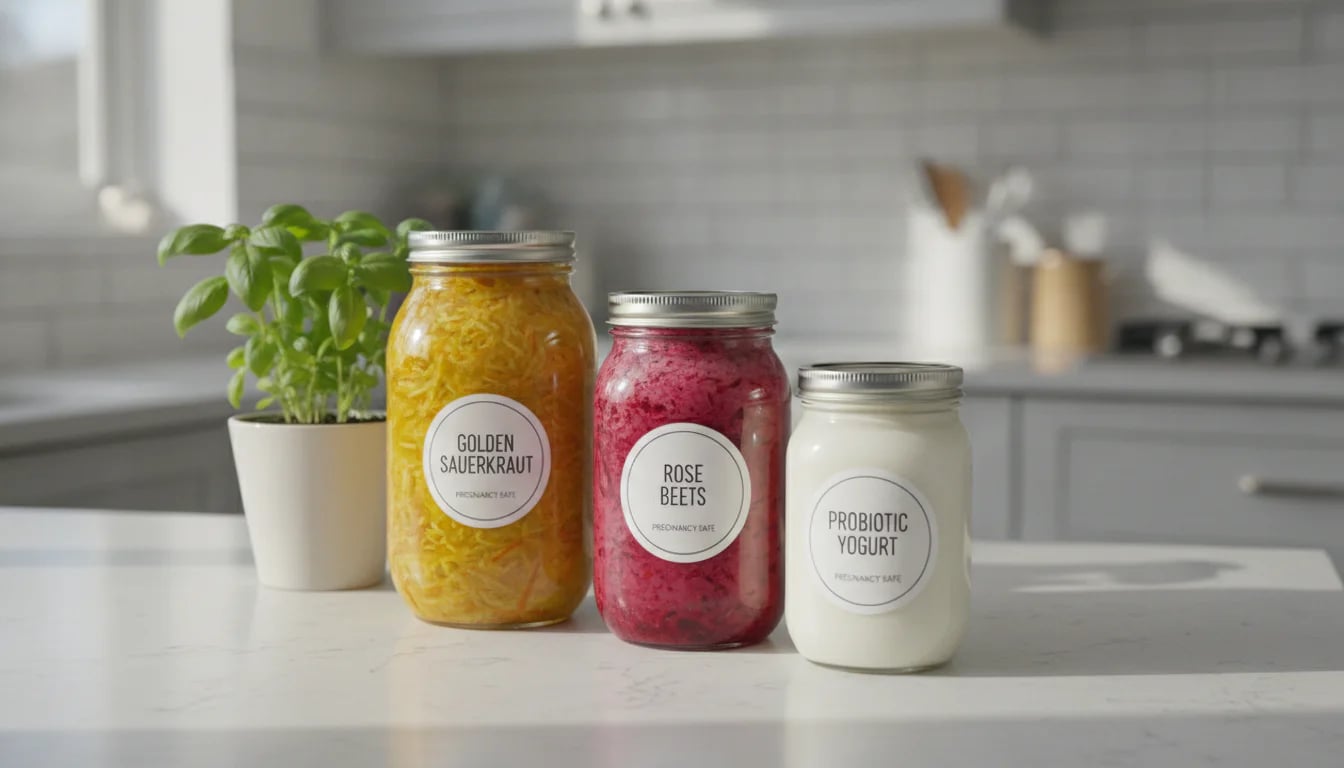
- Probiotic yogurt using pasteurized whole milk in our yogurt maker, which gave us perfect temperature control
- Sauerkraut and fermented vegetables in clean fermentation vessels with proper airlocks
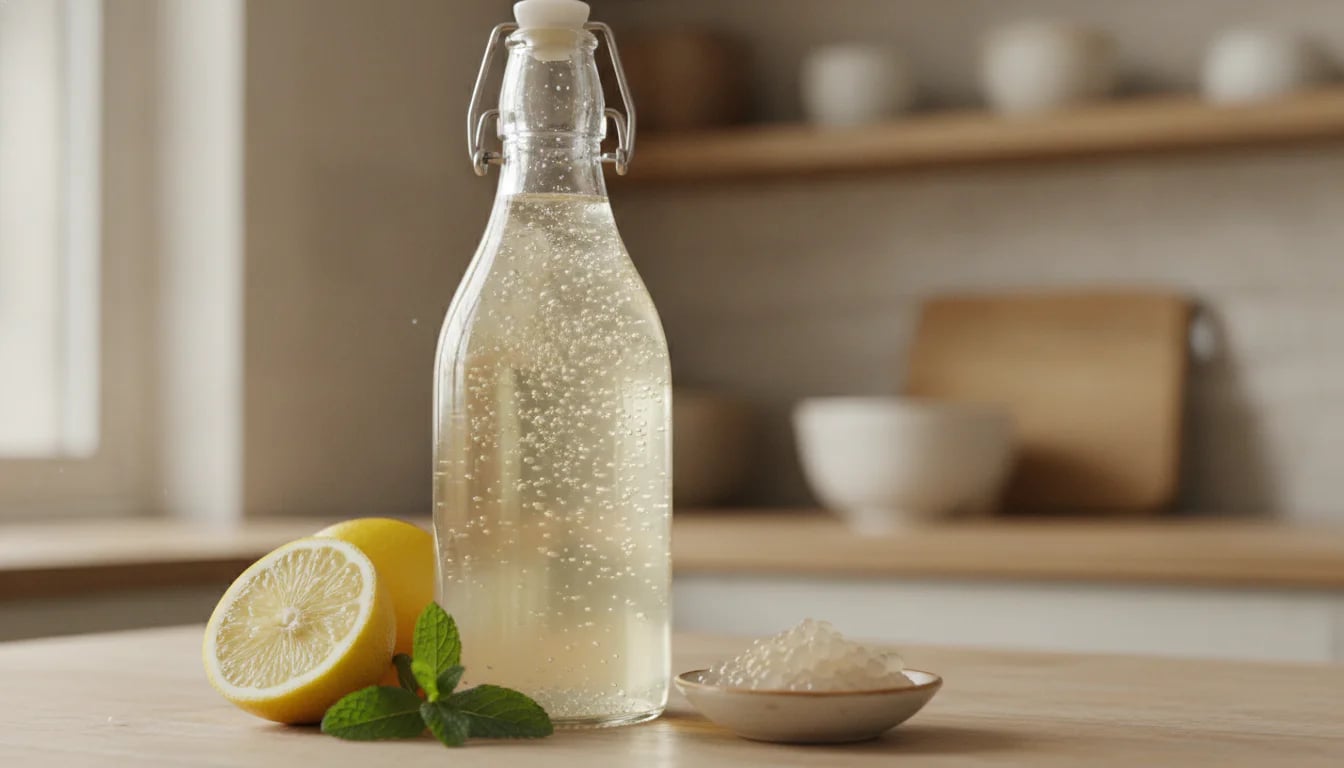
- Water kefir (dairy-free and safe)
What We Paused:
- All raw milk ferments
- Aged cheeses (we bought pasteurized versions instead)
- Fermented meats
- Anything from farmers markets where we couldn't verify pasteurization
The beautiful thing? My wife felt amazing throughout her pregnancy. She had steady energy, no gestational diabetes, and our daughter was born healthy with beautiful skin—no eczema, no allergies. I can't prove it was the fermented foods, but the research suggests we were on the right track.
Now, six months postpartum, we're still being careful during breastfeeding, but we've expanded our repertoire again. And watching our daughter grow healthy and strong makes every bit of research and caution feel absolutely worth it.
#Practical Guide: Safe Fermented Foods for Pregnancy
Let me break down the specific fermented foods and how to approach them safely during pregnancy.
#Fermented Dairy: Your Probiotic Powerhouse
Yogurt is probably your best friend during pregnancy. It's safe, well-researched, and incredibly beneficial.
- Homemade yogurt: Use pasteurized milk and maintain proper temperature control. Our L. reuteri yogurt recipe uses pasteurized milk and precise temperature control for safety
- Store-bought yogurt: Choose varieties with live active cultures and no added sugars
- Greek yogurt: Higher protein content, excellent for pregnancy nutrition
- Kefir: Both homemade (with pasteurized milk) and store-bought are safe options
Equipment matters: Using a dedicated yogurt maker or sous vide precision cooker ensures you maintain the right temperature throughout fermentation, which is crucial for both safety and culture development.
#Fermented Vegetables: Generally Safe with Precautions
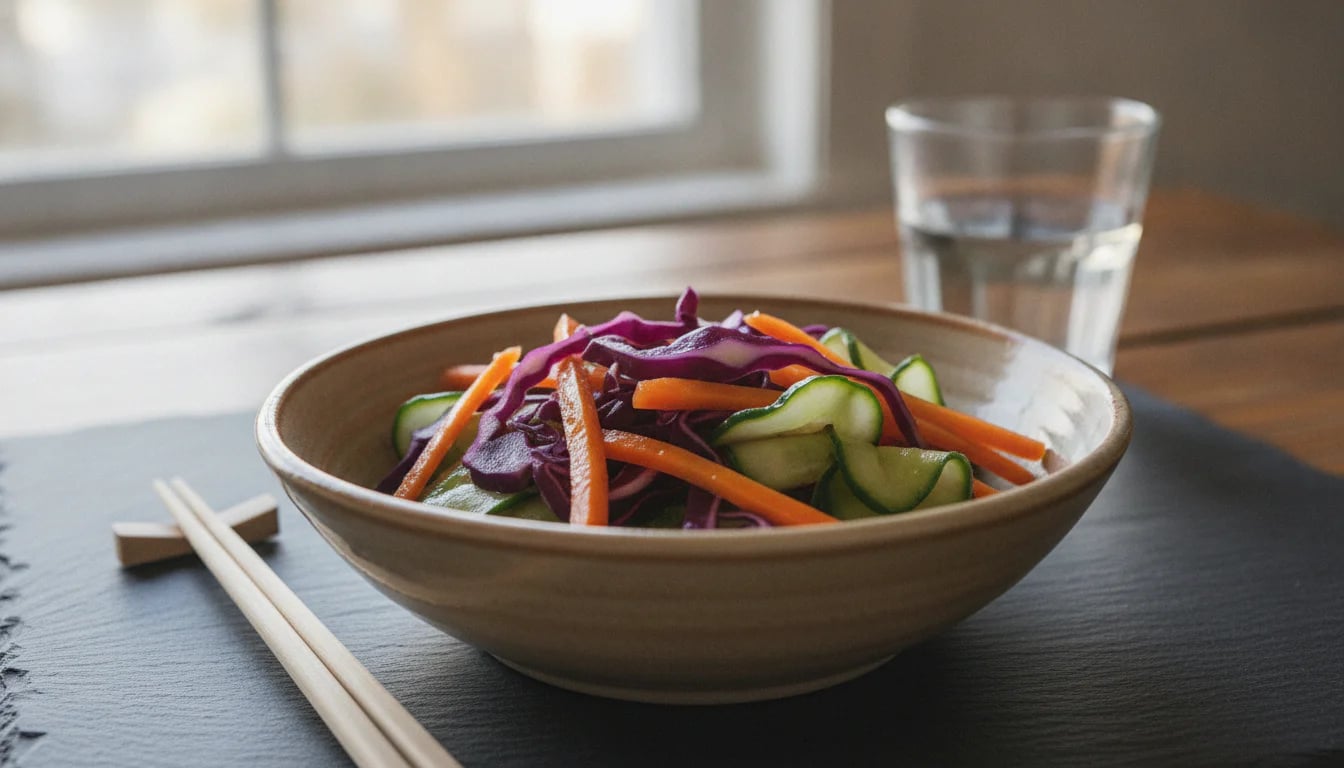
Fermented vegetables like sauerkraut and kimchi are generally considered safe during pregnancy when prepared and stored properly.
Safety guidelines:
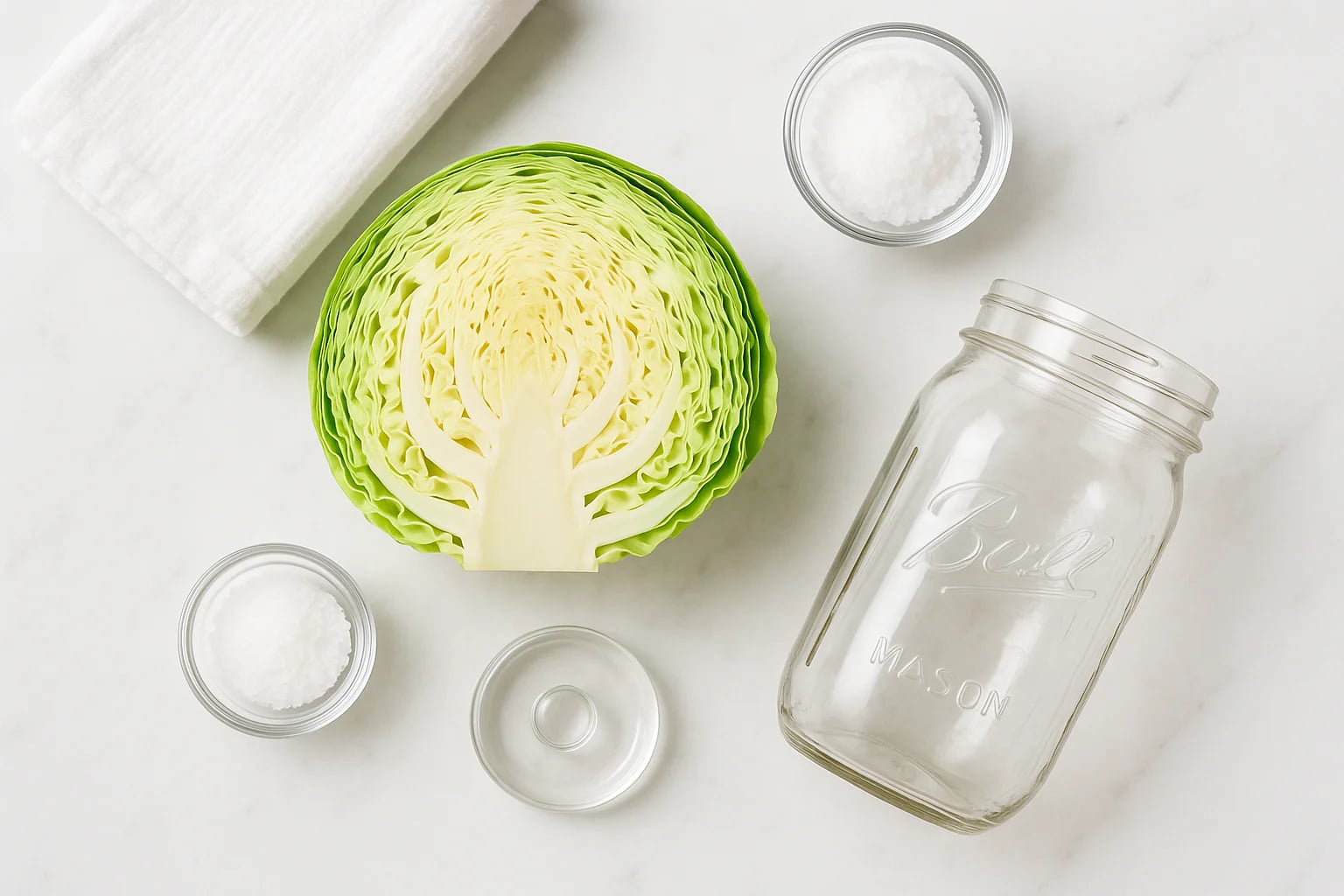
- Use clean equipment—fermentation crocks or glass jars with airlocks help prevent contamination
- Ensure vegetables are fully submerged using fermentation weights
- Store in the refrigerator after fermentation
- Discard any batches that smell off, show mold, or seem questionable
- Start with small amounts to see how your body responds
Good options to try:
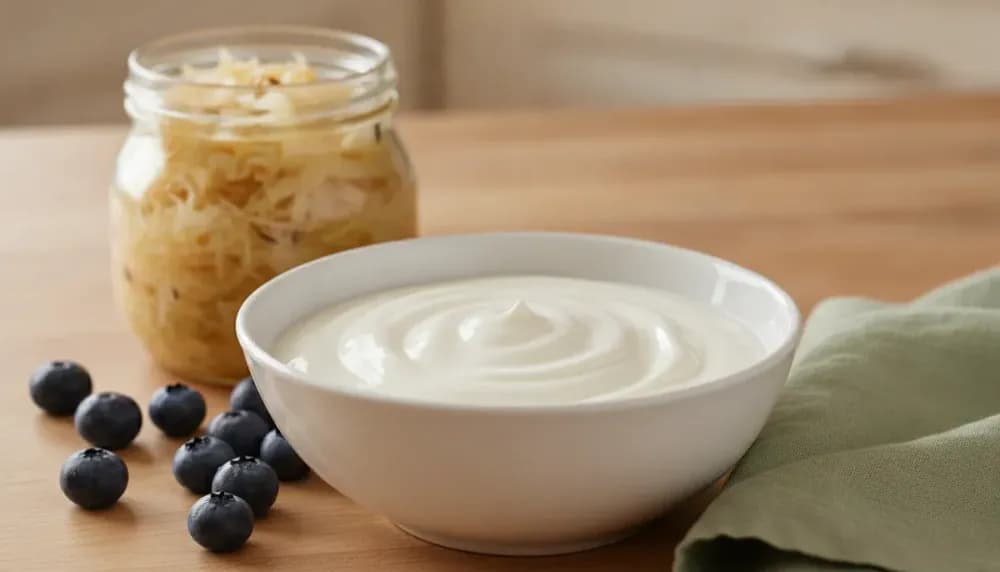
- Classic sauerkraut—simple, safe, and probiotic-rich
- Fermented pickles—a crunchy, satisfying snack
- Fermented carrots, beets, or turnips
If you're new to fermenting vegetables, using a complete fermentation kit with weights, tamper, and proper lid takes the guesswork out of the process.
#Kombucha and Fermented Beverages: Proceed with Caution
Kombucha is a gray area during pregnancy. While it's fermented and probiotic-rich, it contains small amounts of alcohol (from fermentation) and caffeine (from tea). Many healthcare providers recommend avoiding it or limiting consumption significantly.
If you choose to drink kombucha:
- Limit to 4 oz per day maximum
- Choose store-bought, pasteurized versions
- Avoid homemade kombucha due to alcohol content variability
- Consider water kefir as a safer alternative—it's probiotic-rich, naturally low in alcohol, and caffeine-free
#Foods to Completely Avoid
Let me be crystal clear about what to skip entirely:
❌ Raw milk and raw milk products (including raw milk yogurt, kefir, or cheese)—these carry high risk for Listeria
❌ Soft cheeses made with unpasteurized milk (Brie, Camembert, feta, queso fresco, blue cheese)—unless the label specifically says "made with pasteurized milk"
❌ Unheated deli meats and fermented sausages (salami, pepperoni, chorizo)—these should be avoided unless reheated to 165°F or until steaming hot
❌ Unpasteurized fermented beverages from unknown sources
❌ Homemade ferments from questionable recipes or without proper equipment
#How Much Should You Eat?
There's no official recommended amount, but the research studies that showed benefits typically used:
- Yogurt: 1-2 cups daily
- Fermented vegetables: 1-4 tablespoons with meals
- Kefir: 4-8 oz daily
Start small and listen to your body. Some women experience digestive changes during pregnancy, and fermented foods can sometimes cause temporary bloating or gas as your gut adjusts. If you're new to fermented foods, introduce them gradually.
#Special Considerations and When to Be Extra Careful
Certain situations call for additional caution:
If you have gestational diabetes: Fermented foods, especially probiotic yogurt, may be particularly beneficial for you. However, watch added sugars in store-bought varieties and discuss with your healthcare provider.
If you have a history of pregnancy complications: Talk to your doctor before adding fermented foods, especially if you're on a restricted diet.
If you have digestive issues: Some fermented foods are high in histamine, which can be problematic for some people. If you have concerns about histamine intolerance, check out our guide on SIBO and fermented foods for more information.
If you're immunocompromised: Discuss fermented foods with your healthcare team, as your situation may require extra precautions.
#Reading Labels: What to Look For
When buying fermented foods during pregnancy, become a label detective:
Look for:
- "Made with pasteurized milk" (for dairy products)
- "Contains live active cultures" or "probiotic"
- Refrigerated section (not shelf-stable, which means it's been heat-treated and probiotics are dead)
- Short ingredient lists with recognizable items
- Recent production dates
Red flags:
- "Raw milk" or "unpasteurized"
- Imported soft cheeses (unless clearly labeled pasteurized)
- Fermented products stored at room temperature
- Bulging containers or off smells
#The Bigger Picture: Building Your Baby's Microbiome
Here's what I find most beautiful about this whole topic: you're not just eating for two—you're building a microbiome for two.
Your baby's first microbial colonization happens during birth and continues through breastfeeding. The diversity and health of your gut microbiome during pregnancy influences what you pass on to your baby. Evidence suggests that fermented foods may beneficially modulate the maternal gut microbiota, creating a healthier microbial inheritance for your child.
This isn't about being perfect or stressing over every bite. It's about making informed choices that support both you and your growing baby. Some days you'll have homemade yogurt and sauerkraut; other days you'll eat whatever you can keep down (pregnancy nausea is real). Both are okay.
#After Baby Arrives: Continuing the Journey
The benefits of fermented foods don't stop at delivery. If you're breastfeeding, continuing to consume probiotic-rich foods may provide additional benefits for your baby through your breast milk.
The research on maternal probiotic supplementation shows benefits extending through breastfeeding, with reduced eczema risk when mothers continued probiotics while nursing. This is one reason we kept up our fermented food routine after our daughter was born.
As you transition into postpartum life, you can gradually reintroduce fermented foods you avoided during pregnancy—though if you're breastfeeding, you may want to continue avoiding raw milk products and being cautious with high-histamine ferments if your baby shows any sensitivity.
#Your Questions Answered
Can I eat sauerkraut every day during pregnancy? Yes, homemade or store-bought sauerkraut prepared with proper hygiene is generally safe to eat daily during pregnancy. Start with small amounts (1-2 tablespoons) and increase gradually. Choose refrigerated varieties and ensure they're stored properly.
Is homemade yogurt safer than store-bought during pregnancy? Both are safe if made with pasteurized milk. Homemade yogurt gives you control over ingredients and sugar content, but requires proper temperature control using equipment like a yogurt maker. Store-bought yogurt from reputable brands is equally safe and more convenient.
What if I accidentally ate unpasteurized cheese? Don't panic. One exposure doesn't guarantee illness. Monitor yourself for flu-like symptoms, fever, or unusual symptoms over the next few weeks. Contact your healthcare provider if you develop any concerning symptoms or just for peace of mind.
Can fermented foods cause miscarriage? No, properly prepared fermented foods made with pasteurized ingredients do not cause miscarriage. The concern with unpasteurized products is Listeria infection, which can lead to serious complications, but this is preventable by choosing pasteurized options.
Should I take probiotic supplements instead of eating fermented foods? Both can be beneficial. Fermented foods provide probiotics plus additional nutrients, while supplements offer specific strains in controlled amounts. Many women do both. Discuss with your healthcare provider which approach is best for your situation.
#Final Thoughts: Trust Your Gut (Literally)
Six months into fatherhood, watching our healthy daughter grow and thrive, I'm grateful we took the time to research and make informed choices about fermented foods during pregnancy. It wasn't about restriction—it was about intention.
You don't have to ferment everything or eat probiotics at every meal. You don't have to stress about every food choice. But understanding which fermented foods are safe and beneficial during pregnancy empowers you to make choices that support both your health and your baby's development.
The science is clear: pasteurized fermented foods, especially yogurt and properly prepared vegetables, offer real benefits during pregnancy. They may help prevent gestational diabetes, reduce pregnancy complications, and give your baby a healthier start with reduced allergy and eczema risk.
Start where you are. Maybe that's adding a cup of yogurt to your breakfast or trying a spoonful of sauerkraut with dinner. Listen to your body, work with your healthcare provider, and trust that you're doing something beautiful for both you and your baby.
Welcome to this incredible journey. Your gut—and your baby's future gut—will thank you.
Disclaimer: This article is for informational and educational purposes only. It is not intended to be a substitute for professional medical advice, diagnosis, or treatment. Pregnancy nutrition is highly individual and can be affected by various health conditions and complications. Individual results may vary. Please consult your healthcare provider, obstetrician, or a registered dietitian before beginning any new dietary practice during pregnancy, especially if you have a medical condition, pregnancy complications, or take medications. Never disregard professional medical advice or delay seeking it because of something you have read in this article.