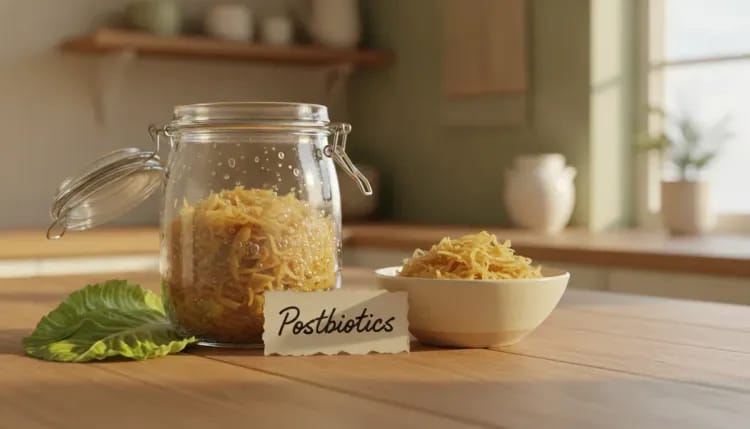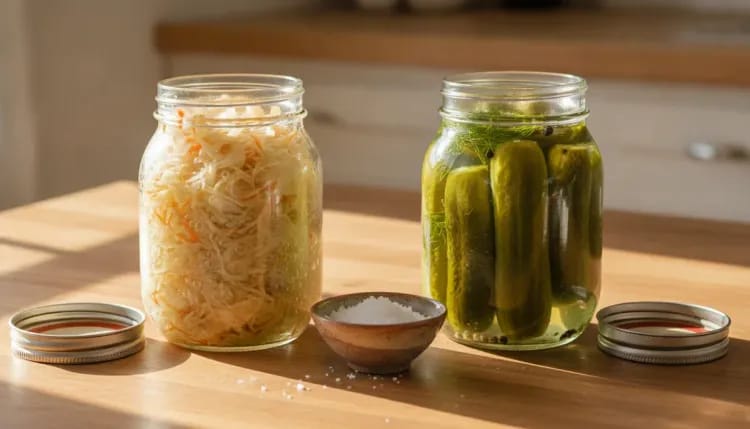

Picture this: You're standing in the grocery store, virtuously reaching for that jar of sauerkraut. You've heard about the probiotics and the gut-health benefits. You're ready to join the fermentation revolution!
But wait. That $3 jar you're holding? It's about as probiotic as a paperweight. And that's the good news.
Welcome to the great sauerkraut swindle of the 21st century—where "fermented" doesn't mean fermented, where "traditional" means anything but, and where your healthy choice might be sabotaging your wellness goals. Buckle up, because what you're about to discover will change how you shop forever.
The Billion-Dollar Deception Nobody's Talking About
The global fermented foods market is exploding—expected to hit $989 billion by 2032. Everyone wants in on the probiotic gold rush. The problem? Most manufacturers have figured out how to cash in without actually delivering the goods.
Here's the dirty little secret: Most shelf-stable sauerkraut sold in regular grocery stores contains exactly zero living probiotics.
Zero. Zilch. Nada.
You might as well ferment your money and eat that instead—at least you'd save some cabbage (pun absolutely intended).
The Pasteurization Plot: How They Murder Your Microbes

Let's talk about the P-word that's destroying your dinner: pasteurization.
Originally invented to make milk safer, pasteurization involves heating food to temperatures that kill bacteria. All bacteria. The good, the bad, and the beneficial. It's like using a flamethrower to light a candle—sure, it works, but you've destroyed everything in the process.
When manufacturers heat sauerkraut to 165°F (74°C) or higher, they create what I call "zombie kraut"—it still has the fiber, vitamin K, and some vitamin C of cabbage, but the live probiotics are gone. Those billions of beneficial lactobacilli that should be throwing a party in your gut? They've been cooked off.
The industry's defense? "It's for safety!"
The truth? A proper ferment produces enough lactic acid to drop the pH below the point where harmful bacteria (including C. botulinum) can grow — that's the real safety mechanism, as long as the batch actually acidifies. Our ancestors figured this out thousands of years ago without a single food scientist in sight. The real reason for pasteurization? Shelf life and profit margins. Dead food doesn't bubble, expand, or require refrigeration. It's cheaper to ship, store, and sell.
The Vinegar Vendetta: Fake Ferments Everywhere

But wait, it gets worse. Some manufacturers don't even bother fermenting their "sauerkraut" at all. They take fresh cabbage, douse it in vinegar, add some salt, and—voilà!—instant "sauerkraut."
This is like calling a spray tan a vacation to Hawaii. Sure, you might look the part, but you're missing everything that matters.
Real fermentation takes time—weeks of patient bacterial transformation. Vinegar pickling takes hours. Guess which one massive food corporations prefer?
Here's how to spot these imposters:
- Vinegar appears in the ingredients (real sauerkraut needs only cabbage and salt)
- Crystal-clear brine (authentic ferments have cloudy, living brine)
- Uniform color and texture (real fermentation creates natural variations)
- Zero bubbles when opened (living ferments release CO2)
The Chemical Cocktail: Preservatives That Preserve Nothing Good

As if pasteurization and fake fermentation weren't enough, many manufacturers add a witch's brew of preservatives. The worst offender? Sodium benzoate.
This common preservative does exactly what it's supposed to do—prevent bacterial growth. ALL bacterial growth. Including the beneficial bacteria you're buying sauerkraut for in the first place.
Sodium benzoate can also react with vitamin C to form trace benzene, a reaction the FDA documented in soft drinks. It's uncommon in sauerkraut (the krauts that bother adding preservatives are usually the already-pasteurized kind), but it's one more reason to skip preservative-laden jars.
Other red flags to avoid:
- Sodium bisulfite (kills bacteria, can trigger asthma)
- Added sugars (real fermentation creates its own complex flavors)
- "Natural flavors" (translation: "we killed the real taste, so we added chemicals")
The Refrigerator Rule: Your Secret Weapon

Here's the simplest hack for finding real fermented foods: If it's not in the refrigerator, it's not alive.
Living ferments are like pets—they need specific conditions to thrive. Room temperature shelf life of months or years? That's not fermentation; that's embalming.
Real, living sauerkraut continues fermenting slowly even in the fridge. It's alive, breathing, creating beneficial compounds. That's why authentic brands use special venting lids or pouches—because real ferments need to release gas. When you open a jar of genuine fermented sauerkraut, you might hear a little "pop" or see tiny bubbles. That's the sound of vitality.
Meanwhile, those shelf-stable jars in aisle 7? Fine as a tangy, fiber-rich vegetable — but the living cultures are long gone.
The Price of Deception: What This Costs You
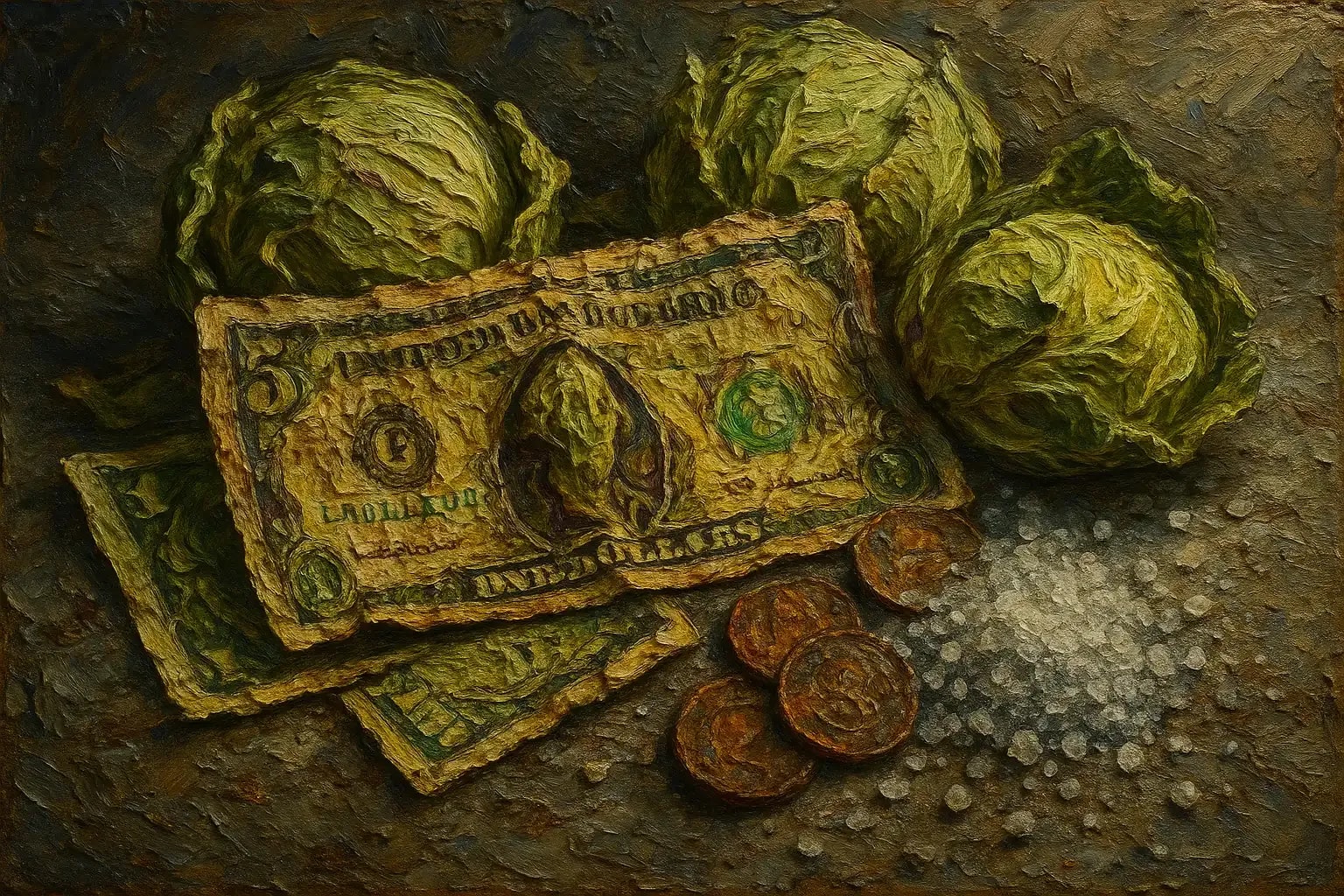
Let's talk money. That cheap jar of dead sauerkraut might cost $2-3. A jar of real, raw, living sauerkraut? Often $7-12.
"Highway robbery!" you might think. But consider this:
- Fake sauerkraut: $3 for acidified cabbage with zero probiotic benefit
- Real sauerkraut: $8 for live cultures, fiber, and the vitamin C and K of raw cabbage
The average probiotic supplement costs $20-40 per month. A serving of raw, unpasteurized sauerkraut is a whole-food source of live cultures and fiber — a genuinely good deal, even though it isn't dosed or strain-specified the way a supplement is. Suddenly, that $8 jar looks like a smart buy.
The DIY Revolution: Taking Back Your Fermentation

Here's the beautiful truth: You can make better sauerkraut than most of what's sold in stores with just three things: cabbage, salt, and time. No fancy equipment, no science degree, no industrial kitchen.
Our ancestors did this in caves. In wooden barrels. During wars and famines. If they could ferment vegetables while dodging saber-toothed tigers, you can do it in your kitchen.
The basic formula:
- Shred cabbage
- Add 2% salt by weight (a quality kitchen scale makes this foolproof)
- Massage until juicy
- Pack into jars with proper weights to keep cabbage submerged
- Wait 3-6 weeks (about 3-4 weeks at 70-75°F)
- Enjoy your actually living superfood
The cost? About $2 per quart. The quality? Better than anything mass-produced. The satisfaction? Priceless.
Shopping Smarter: Your Fraud-Detection Toolkit
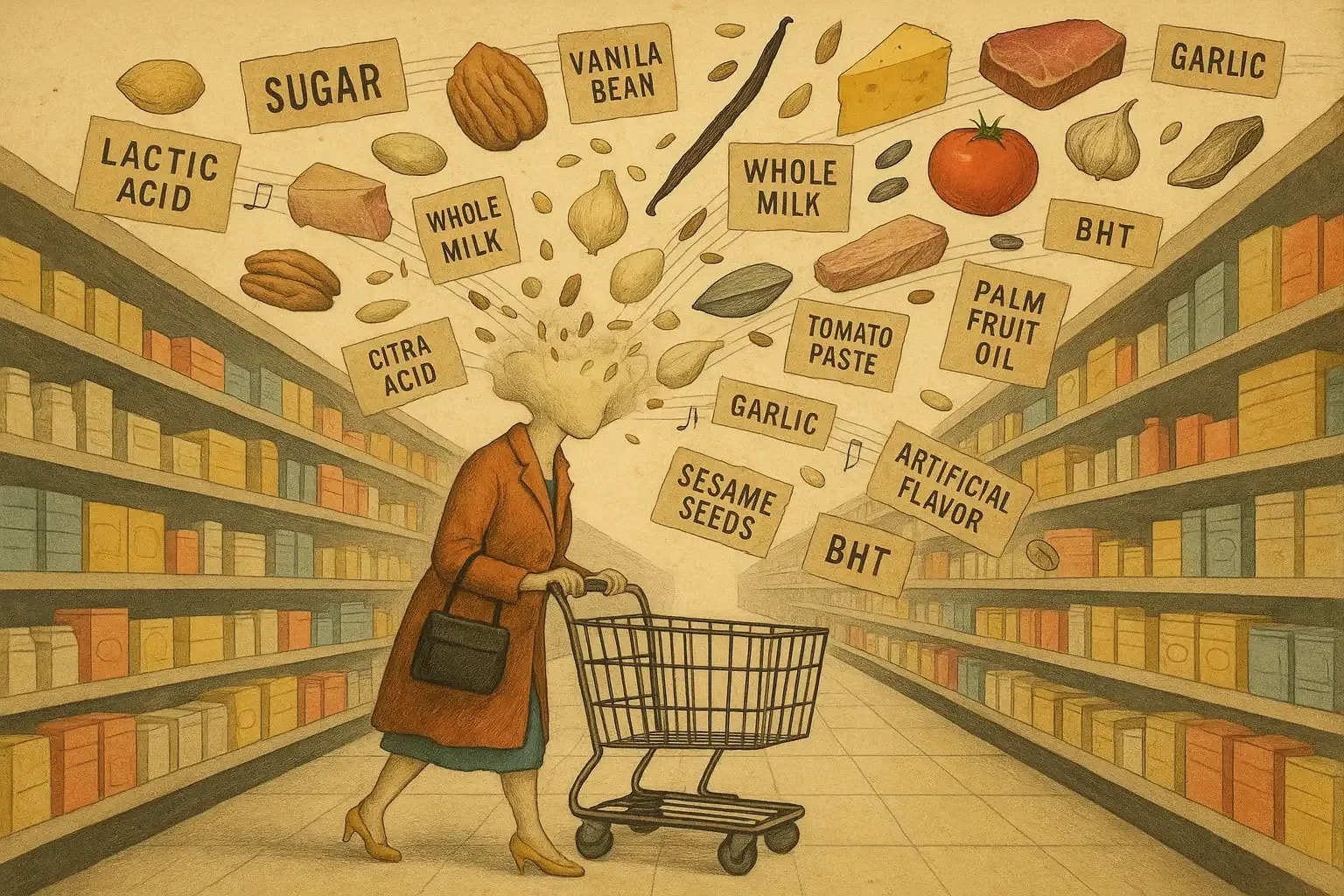
If DIY isn't your thing (yet), here's your cheat sheet for finding the real deal:
Look for these words:
- Raw
- Unpasteurized
- Live cultures
- Keep refrigerated
- Naturally fermented
Legit refrigerated, live-culture brands to look for include Bubbies, Wildbrine, Farmhouse Culture, and Cleveland Kitchen — though even with live kraut, the gut-health research is still emerging.
Run from these ingredients:
- Vinegar
- Sodium benzoate/bisulfite
- Sugar
- "Natural flavors"
- Preservatives
Check the location: Refrigerated section = probably alive. Shelf = definitely dead.
Examine the container: Quality producers often use specialized fermentation crocks or jars with airlock lids that allow gas to escape. Some use pouches with special vents. If it's in a basic sealed jar on a shelf, it's suspect.
The Bigger Picture: Why This Matters
This isn't just about sauerkraut. It's about an entire industry that's discovered how to profit from the health food movement without delivering health. It's about marketing that preys on your good intentions while delivering empty promises.
Every jar of dead sauerkraut sold represents:
- A missed opportunity for better gut health
- Money diverted from real food producers
- Continuation of industrial food fraud
- Another person thinking fermented foods "don't work"
Your Action Plan: Join the Fermentation Resistance
Option 1: Become a Fermentation Revolutionary
Start small. One jar. One cabbage. Transform your kitchen into a probiotic powerhouse. A simple fermentation kit pays for itself in two batches. Track your ferments with a quality label maker and watch your collection grow.
Option 2: Become a Savvy Shopper
Vote with your wallet. Support real fermented food producers. Yes, it costs more. But you're not paying for cabbage—you're investing in:
- Billions of beneficial bacteria
- Traditional craftsmanship
- Sustainable food systems
- Your actual health (not just the illusion of it)
Option 3: Spread the Word
Share this article. Tell your friends. Start conversations in the sauerkraut aisle. The more people know, the harder it becomes for big food to perpetuate this fraud.
The Fermented Future We Deserve

Imagine walking into any grocery store and finding shelves full of genuinely fermented foods. Living foods. Foods that nourish your microbiome instead of just taking up space in your shopping cart. Foods made by companies that respect both tradition and science.
This future is possible—but only if we demand it.
The next time you see that $3 jar of shelf-stable "sauerkraut," remember: You're not looking at a bargain. You're looking at a lie. A lie that's been pasteurized, preserved, and packaged to look like health food.
You deserve better. Your gut deserves better. And now you know better.
The revolution starts with your next shopping trip. Will you join us?

P.S. The humble mason jar and a wooden tamper have created more beneficial bacteria than all the industrial food labs combined. Sometimes the old ways really are the best ways.