Important Disclaimer: This article is based on personal experience and publicly available research. It is not medical advice, nor is it intended to diagnose, treat, cure, or prevent any disease. The author is not a medical professional. Always consult with a qualified healthcare provider before making changes to your diet or supplement routine. The statements here have not been evaluated by the FDA. By reading this article, you acknowledge that you are responsible for your own health decisions.
A note on the science: While the research supporting B. subtilis bacteriocin production and biofilm disruption is robust (cited below), peer-reviewed clinical evidence specifically on B. subtilis HU58 for SIBO treatment remains limited. This article is based on Dr. Davis's published protocol recommendations and community feedback rather than SIBO-specific clinical trials.
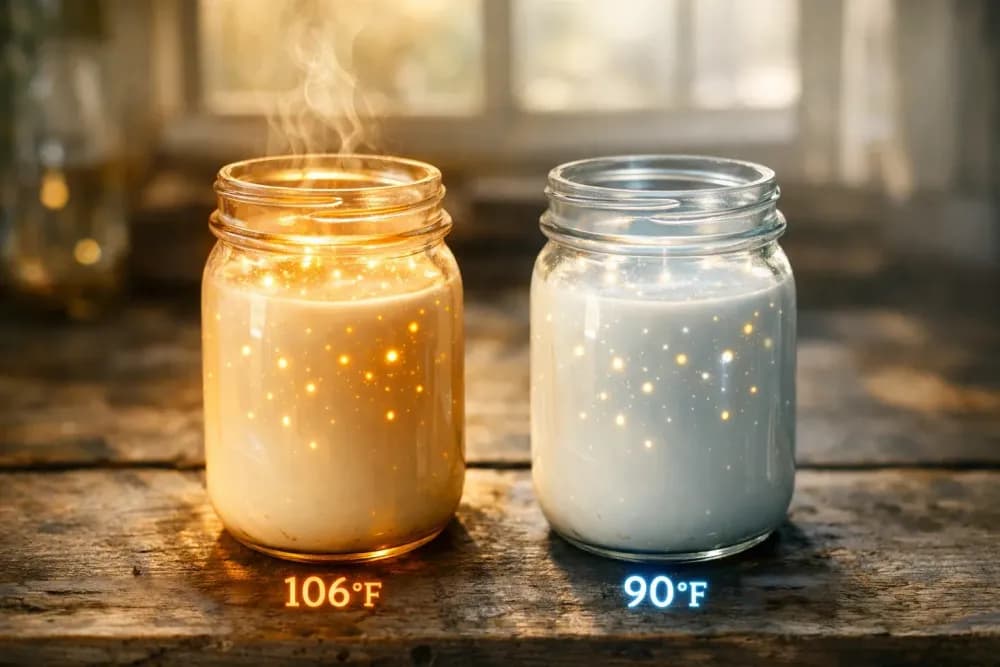
Quick Summary: Dr. Davis has updated his famous SIBO yogurt recipe—B. coagulans is out, B. subtilis HU58 is in. Why the swap? B. coagulans was unreliable in fermentation: inconsistent counts, unpredictable results. B. subtilis is more dependable and produces 7 different bacteriocins (versus coagulans' 1-2) plus surfactants that break down pathogen biofilms. The catch? It needs to be fermented separately at lower temperatures for shorter times. Welcome to the two-jar protocol.
The Recipe Changed. Nobody Sent Me a Memo.
Picture this: You've been making your SIBO yogurt religiously for months. Your sous vide is basically a permanent kitchen fixture. You've got the 36-hour fermentation timing down to an art form. Your family actually requests the stuff now.
Then you stumble onto Dr. Davis's blog and discover the recipe has... evolved.
B. coagulans—that third strain we've all been fermenting—has been replaced. By something called Bacillus subtilis HU58. And apparently, we're supposed to be fermenting it separately now?
I'll admit it: my first reaction was mild panic mixed with irritation. Why doesn't anyone send out a newsletter for these things?
But after diving deep into the science and reading dozens of community reports, I get it. This isn't Dr. Davis changing his mind on a whim. This is what happens when thousands of people ferment the same recipe and report back what actually works—and what mysteriously doesn't.
Turns out, B. coagulans was causing problems for a lot of folks. And the replacement? It's not just a substitute. It's an upgrade.
A Quick Note on Where I'm At
I'll be honest: as of writing this, I'm still making the original three-strain SIBO yogurt with B. coagulans. It's what I know, it's been working for me, and there's something to be said for not fixing what isn't broken.
But I've been following Dr. Davis's updates closely, reading the community feedback, and the case for switching is hard to ignore. I'm planning to test the new B. subtilis HU58 protocol soon and will update this article (or write a follow-up) with my personal results.
Everything here comes from Dr. Davis's published updates, his Inner Circle community discussions, and the scientific literature. Consider this your comprehensive guide to the upgrade—written by someone doing the homework before making the jump.
Why B. Coagulans Had to Go: The Fermentation Diva Problem

Here's the thing about B. coagulans that nobody mentioned in the original Super Gut book: it's a diva. A genuine, full-blown fermentation diva.
Dr. Davis and his Inner Circle community discovered through extensive plate counts and culturing that B. coagulans showed wild variation in fermentation results. Some batches came out perfect. Others? Disappointingly thin with unclear bacterial counts.
As Dr. Davis put it in a recent interview: "B. coagulans proved to be kind of unreliable in dairy. We did a bunch of plate counts and culturing them. And we didn't get reliable fermentation. That's one of the reasons why I shifted over to Bacillus subtilis."
If you've ever had a SIBO yogurt batch that just... didn't work? That separation looked weird? That consistency was off despite following the recipe perfectly? You weren't crazy. You were experiencing the coagulans chaos firsthand.
The Temperature Tantrum
B. coagulans wants to ferment at 115-122°F. It's happiest in the hot zone. But the original SIBO yogurt recipe called for 100-106°F—a compromise temperature that kept L. reuteri alive (it dies above 109°F) while giving L. gasseri its preferred environment.
That left B. coagulans stuck at a temperature party it never wanted to attend. It survived. It contributed. But asking B. coagulans to thrive at 100°F is like hiring a techno DJ for your acoustic folk festival—they'll show up, they'll do something, but don't expect magic.
Enter B. Subtilis HU58: The Bacteriocin Champion
So what makes this replacement strain worth the recipe overhaul?
The science, frankly, is impressive enough that I stopped being annoyed about the change.
Seven Bacteriocins vs. Two

Most L. reuteri strains produce about two bacteriocins. L. gasseri produces three or four. B. coagulans contributed one or two to the mix.
B. subtilis HU58 produces SEVEN different bacteriocins (Caulier et al., 2019).
Dr. Davis calls it a "champion bacteriocin producer," and the research backs him up. DNA sequencing confirms this single strain produces seven different natural antimicrobial compounds. That's not an incremental improvement—it's a different league entirely.
The Biofilm Destroyer

Here's where it gets interesting. B. subtilis doesn't just produce bacteriocins—it also makes surfactants that break down pathogen biofilms (Théatre et al., 2021).
If you've dealt with stubborn gut issues, you've probably encountered the biofilm problem. These are the invisible fortresses that pathogenic bacteria hide behind, shielding themselves from your immune system, from antibiotics, from everything you throw at them. They're why some infections seem impossible to fully clear.
B. subtilis produces compounds that dissolve these shields. Your old yogurt was fighting pathogens hand-to-hand. The new version brings demolition equipment.
Broader Spectrum Coverage

The original SIBO yogurt targeted primarily gram-negative bacteria—your E. coli, Salmonella, Campylobacter types. The bacteriocins from L. reuteri and L. gasseri are particularly effective against these troublemakers.
But SIBO isn't always gram-negative. Some people's overgrowth is dominated by gram-positive species—Staphylococcus, Streptococcus, Enterococcus.
B. subtilis HU58 is effective against both gram-negative AND gram-positive bacteria.
This means the updated recipe casts a wider net. Whatever flavor of SIBO you're dealing with, you've got better odds of hitting the right targets.
The Two-Jar Protocol: Why You Can't Just Swap Strains
"Great," you're thinking. "I'll substitute HU58 for my coagulans capsules and call it a day."
If only.
Here's where the upgrade gets complicated: B. subtilis doesn't play well with the other strains in a single ferment. Not because they fight—but because they run on completely different biological clocks.
The Doubling Time Problem

| Strain | Doubling Time | Optimal Temperature | Ideal Ferment Time |
|---|---|---|---|
| L. reuteri | ~3 hours | 97-100°F | 36 hours |
| L. gasseri | ~3 hours | 106-109°F | 36 hours |
| B. subtilis HU58 | ~2 hours | 90-100°F | 24 hours |
See the issue? B. subtilis reproduces 50% faster than the other two strains. Ferment all three together for 36 hours, and subtilis dominates—potentially overwhelming the blend before reuteri and gasseri hit their stride.
Think of it as a race where one runner moves 50% faster than everyone else. By hour 24, subtilis has already crossed the finish line. By hour 36, it's taken over the stadium.
The New Approach: Ferment Separately, Consume Together
Dr. Davis's updated recommendation is what I'm calling the two-jar protocol:
Jar 1: L. Reuteri + L. Gasseri Blend
- Temperature: 100-106°F (the familiar SIBO yogurt temp)
- Time: 36 hours (what you're used to)
- Result: Your base SIBO yogurt with oxytocin benefits and bacteriocin production
Jar 2: B. Subtilis HU58 Yogurt
- Temperature: 90-100°F (cooler than before!)
- Time: 24 hours (shorter!)
- Result: A separate yogurt optimized for B. subtilis
You then eat both—either mixed together in your bowl, or at different times of day. The total bacteriocin count from all three strains working in your gut? Potentially 11-13 different natural antimicrobials.
That's more firepower than the original recipe ever offered.
The Complete 2025 SIBO Yogurt Recipe
Enough science. Let's make yogurt.
Here's exactly how to make both components of the updated protocol.
Equipment You'll Need
The good news: most of your existing setup works. You'll just need enough jars for two concurrent ferments.
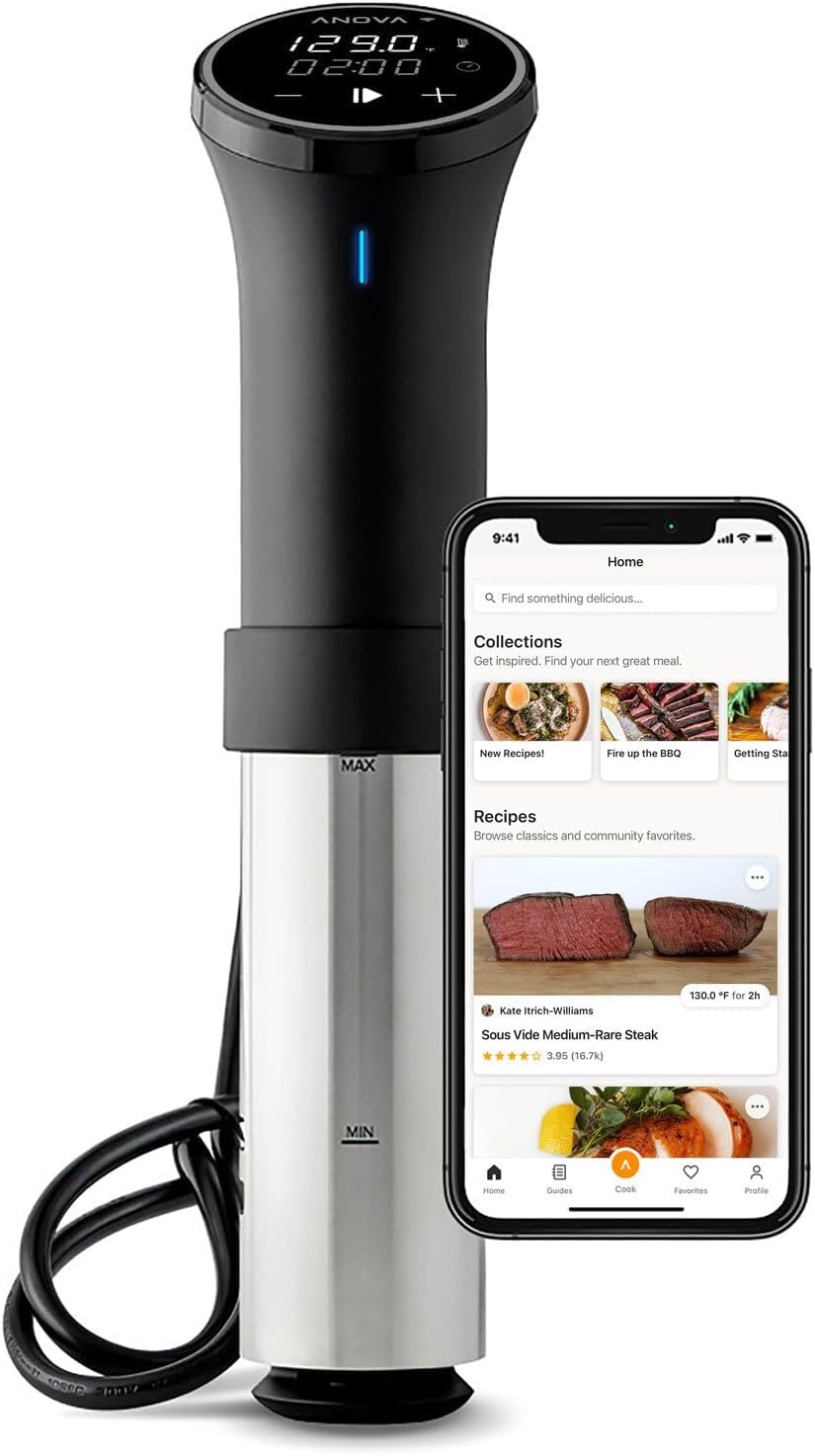
- Temperature control: A sous vide is your most reliable tool—maybe even more so now, since you're managing two different temperature targets (the affordable Anova 3.0 is plenty; the Pro is overkill, and a good adjustable yogurt maker works too)
- Glass jars: Wide-mouth mason jars (32 oz) work perfectly. You'll want at least two, possibly more if you want backup batches
- Kitchen scale: A precision scale for measuring prebiotic fiber accurately
- Label maker: Trust me on this one. When you're running two ferments at different temperatures and times, a label maker prevents the "wait, which jar is which?" disaster
- pH meter (optional): A digital pH meter helps track fermentation progress if you're into that level of precision
Starter Cultures: What's Changed
| Culture | Product | Where to Get It | Notes |
|---|---|---|---|
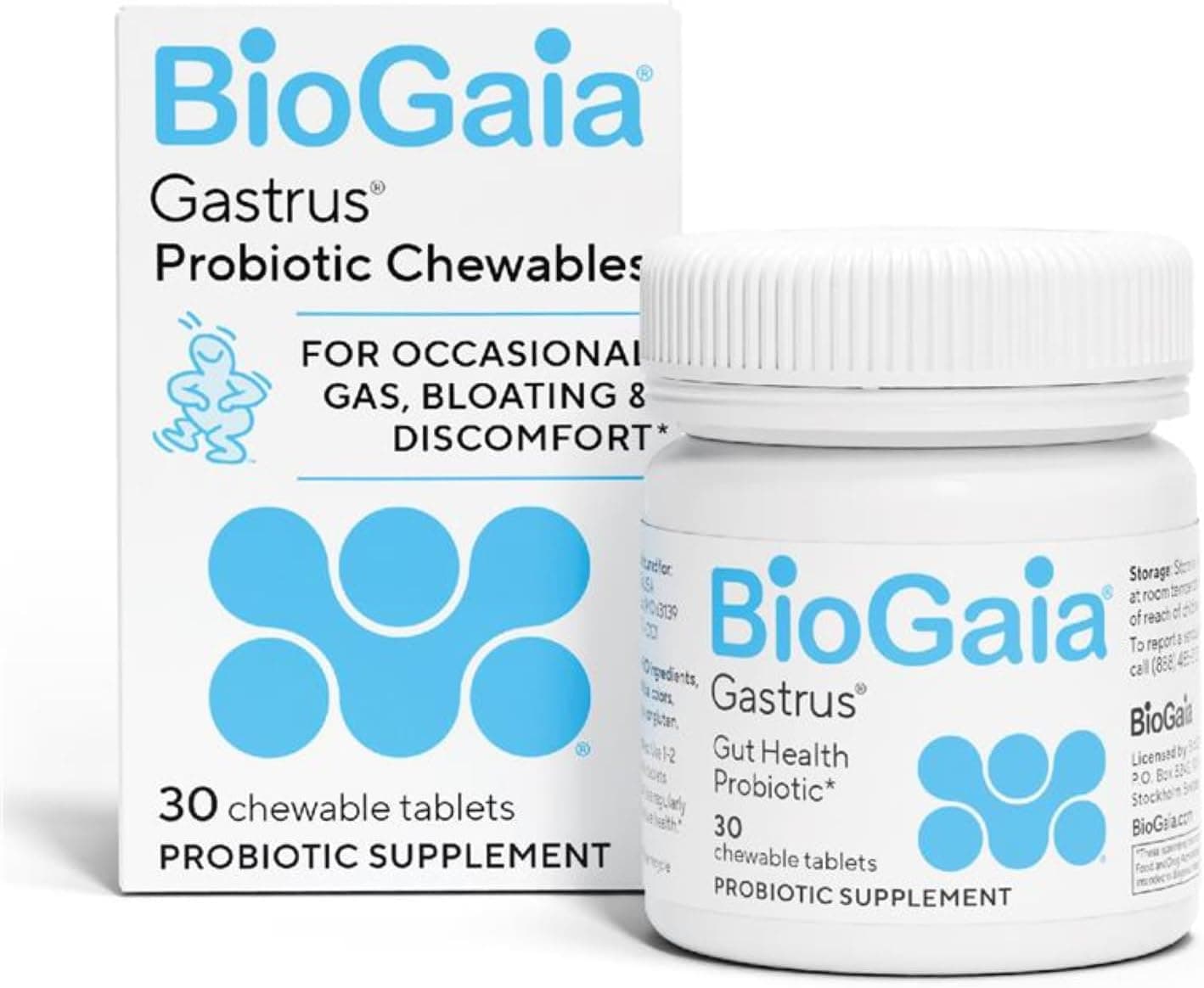
| L. reuteri | BioGaia Gastrus or Oxiceutics MyReuteri | iHerb, direct from Oxiceutics | MyReuteri is increasingly preferred |
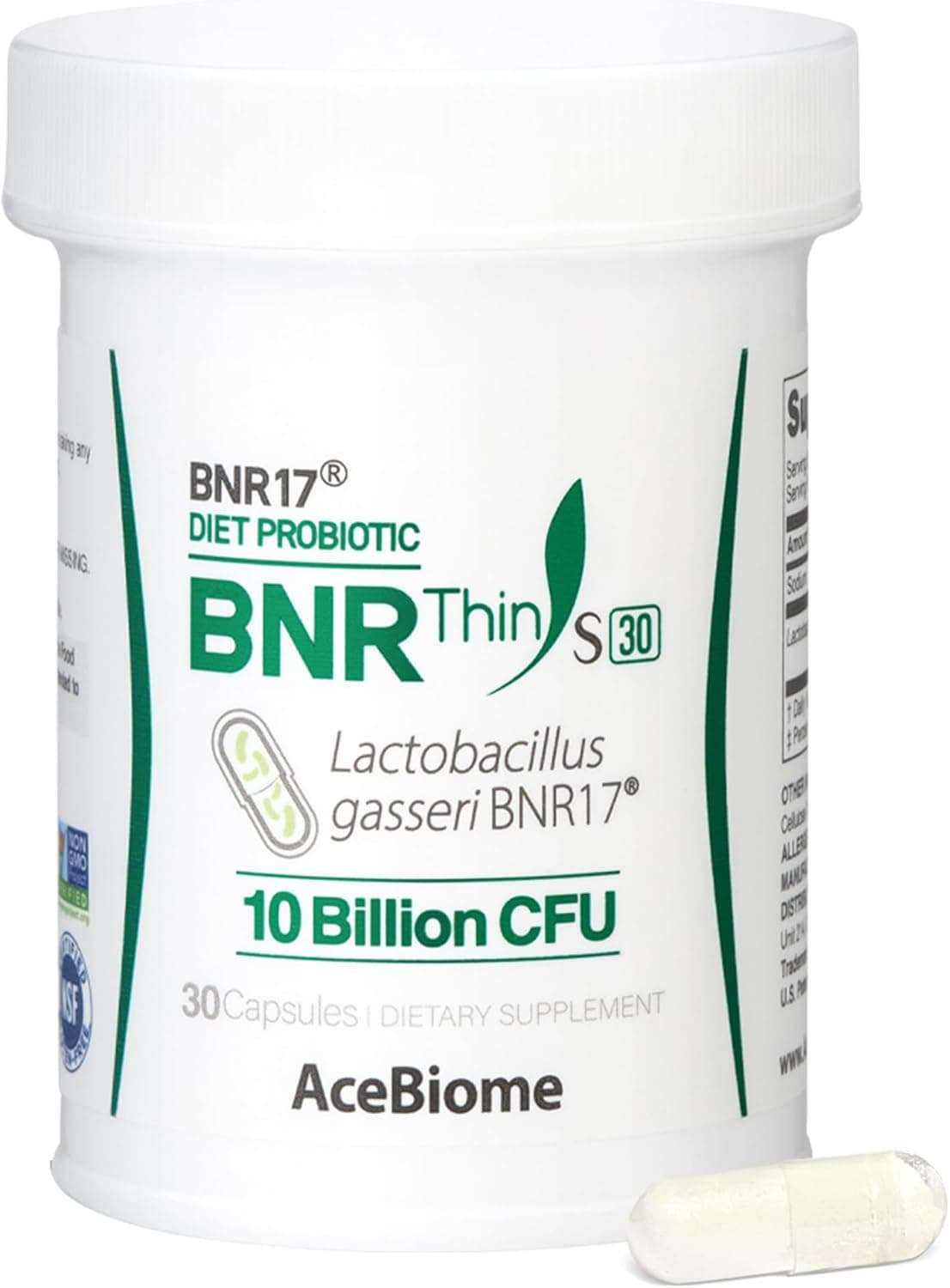
| L. gasseri BNR17 | AceBiome BNRThin | Amazon | Unchanged from original recipe (same strain as Dr. Mercola Biothin, which is out of stock) |
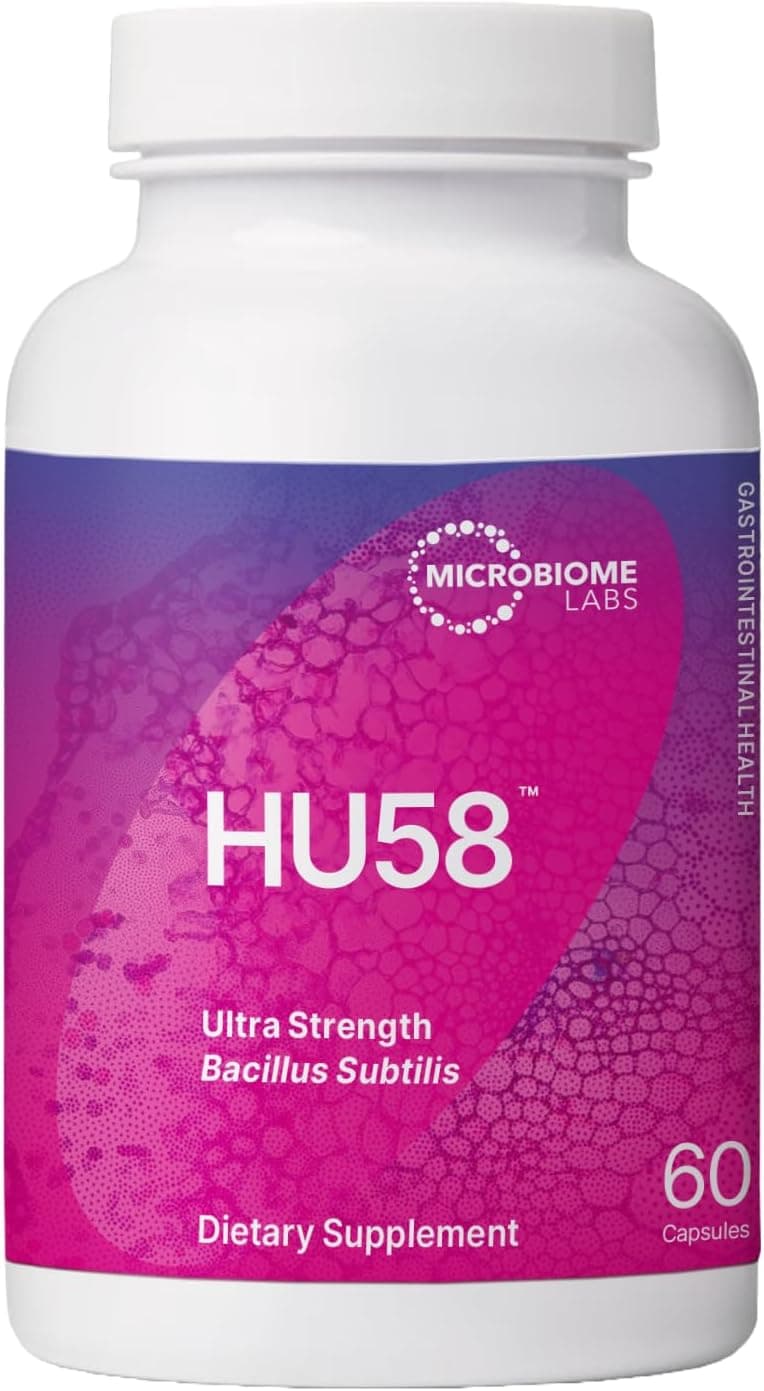
| B. subtilis HU58 | Microbiome Labs HU58 | Pure Formulas | NEW – replaces B. coagulans |
The HU58 Sourcing Challenge
Here's the annoying part: Microbiome Labs doesn't sell directly to consumers. In the US, the recommended retailer is Pure Formulas.
For those outside the US, this gets trickier. Some options:
- Check if Pure Formulas ships internationally
- Search for authorized Microbiome Labs distributors in your region
- Consider the DE111 alternative for a sparkling probiotic beverage (I'll explain this below)
Critical warning: Be extremely cautious about marketplace sellers. Only buy from single-seller sources where the vendor is identified and reputable. Counterfeit or improperly stored probiotics won't deliver results, and with prices running $40-50 per bottle, you don't want to waste money on duds.
Recipe 1: L. Reuteri + L. Gasseri Blend
This is essentially your familiar SIBO yogurt, minus the coagulans. You probably already know how to make this, but here's the refined version.
Prep Time: 10 minutes
Fermentation Time: 36 hours
Servings: About 8 (½ cup each)
Ingredients
- 1 quart (4 cups) half-and-half or whole milk
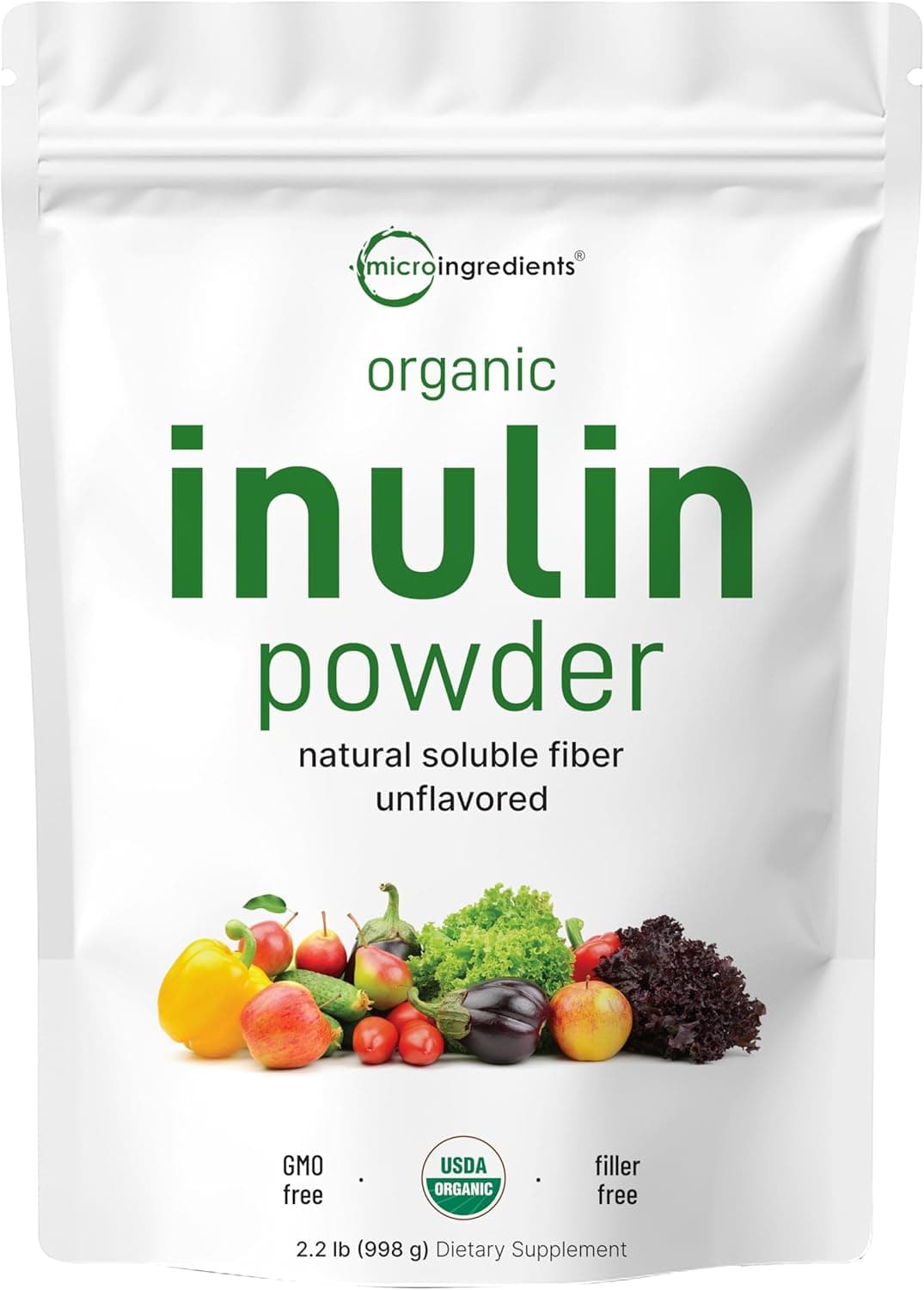
- 2 tablespoons inulin or prebiotic fiber
- First batch: 10 crushed BioGaia Gastrus tablets OR 1 MyReuteri capsule, plus 1 capsule AceBiome BNRThin (or Dr. Mercola Biothin)
- Subsequent batches: 2-3 tablespoons from previous batch, plus fresh prebiotic fiber
Instructions
-
Make your slurry: Combine probiotics with prebiotic fiber and 2 tablespoons of dairy. Whisk vigorously until smooth. (This prevents clumping—don't skip it.)
-
Add the rest: Pour in remaining dairy and stir well.
-
Ferment: Seal the jars and hold them in your water bath at 100-106°F for 36 hours. (Both work: screw plastic lids on and fully submerge, or — Dr. Davis's recommendation — a loose lid with the water only up to the milk level so the little bit of gas can vent.)
-
Refrigerate: It thickens more as it cools. Overnight is ideal.
Recipe 2: B. Subtilis HU58 Yogurt
This is the new addition. Note the different temperature and timing.
Prep Time: 5 minutes
Fermentation Time: 24 hours
Servings: About 8 (½ cup each)
Ingredients
- 1 quart (4 cups) half-and-half or whole milk
- 2 tablespoons inulin
- First batch: 1 capsule Microbiome Labs HU58
- Subsequent batches: 2 tablespoons from previous batch, plus prebiotic fiber
Instructions
-
Make your slurry: Empty HU58 capsule into jar with prebiotic fiber and 2 tablespoons dairy. Whisk smooth.
-
Add remaining dairy: Stir well.
-
Ferment: Seal the jars and place at 90-100°F for 24 hours. Notice the lower temperature and shorter time—this matters. (HU58 produces no CO2, so there's no gas to vent — just keep the bath water out of the jars.)
-
Refrigerate: Allow to thicken overnight.
Key Differences from the Reuteri Blend
- Temperature: 90-100°F, not 106°F
- Time: 24 hours, not 36 hours
- Behavior: HU58 doesn't produce CO2, so no bubbling or carbonation concerns
The DE111 Alternative: When You Can't Get HU58
Can't source HU58? There's another option that Dr. Davis introduced: the DE111 strain of B. subtilis, available in certain commercial kombuchas.
The catch: DE111 produces so much CO2 that it's unsuitable for yogurt. It wants to carbonate everything. Instead, you make a sparkling probiotic juice.
The Sparkling Juice Method
Source: Aldi's VitaLife Probiotic Soda (contains B. subtilis DE111) — $2.19
Method:
- Pour ¼ to ½ cup of VitaLife into any juice (no preservatives—potassium sorbate and sodium benzoate will kill fermentation)
- Cap loosely (it WILL bubble vigorously)
- Ferment at 90°F for 60 hours
- Enjoy fizzy, fermented, probiotic-rich juice
The result is a sparkling beverage with high counts of B. subtilis. It's cheaper than HU58 capsules and surprisingly fun to make. Mango passion fruit fermented this way? Dangerously drinkable.
Important caveat: Some VitaLife products contain additional kombucha cultures, not just B. subtilis. Check ingredient labels carefully if you're strictly following the SIBO protocol.
What the Community Is Reporting: Real-World Feedback
I haven't made the switch yet, but I've been lurking in the Inner Circle discussions and reading every community post I can find. Here's what people who've adopted the two-jar protocol are saying.
More Consistent Results
This comes up again and again. With B. coagulans, people reported batches that just... didn't work. Thinner texture. Weird tanginess (or none at all). That nagging suspicion something went wrong. They blamed their technique, their temperature control, their inulin brand, the phase of the moon.
Turns out it was the coagulans all along.
The HU58 ferments, by all accounts, just work. Batch after batch sets properly. Same texture, same results. For people who've been chasing consistency for months, that reliability alone justifies the extra jar.
Potentially Stronger Effects
This is harder to pin down—everybody's gut is different. But several community members report noticeably calmer digestion since adding the separate HU58 yogurt. Less bloating. More regularity. The kind of subtle shifts that are easy to dismiss until you realize you haven't thought about your gut in three days.
Is it the additional bacteriocins? The biofilm-disrupting surfactants? Placebo? Nobody can say definitively. But the science suggests this should work better, and the anecdotal reports line up.
The Extra Effort Is Manageable
Yes, running two ferments requires more organization. Here's how people are managing it:
| Yogurt | Start | Ready | Notes |
|---|---|---|---|
| Reuteri+Gasseri | Sunday PM | Tuesday AM | Make when last jar runs low |
| B. subtilis HU58 | Monday PM | Tuesday PM | Shorter ferment catches up |
By staggering start times, both yogurts are ready around the same time. The typical approach: mix about ½ cup of the reuteri blend with 2-3 tablespoons of the HU58 yogurt. Same delicious muesli bowl, now with upgraded probiotic firepower.
This is exactly what I'm planning to try once I make the switch.
The Bottom Line: Evolution, Not Revolution

Here's how I see it after weeks of research:
The shift from B. coagulans to B. subtilis HU58 isn't Dr. Davis admitting the original recipe was wrong. It's what happens when something gets tested at scale—thousands of people, years of data, patterns that only emerge with volume.
B. coagulans worked for many people. It's still working for me. But it didn't work consistently, and in a therapeutic protocol, consistency isn't a nice-to-have. It's the whole point.
B. subtilis HU58 offers:
- Reliable fermentation — no more mystery failures
- Seven bacteriocins — versus one or two
- Biofilm-disrupting surfactants — a weapon the original recipe lacked
- Broader spectrum coverage — effective against gram-positive AND gram-negative bacteria
Yes, the two-jar protocol requires more planning. Yes, sourcing HU58 is annoying. But for those who've experienced what this yogurt can do—for gut health, for skin, for energy, for that hard-to-describe feeling of things finally working right inside—the extra effort is nothing.
The 2025 SIBO yogurt isn't just an update. It's an upgrade.
And I'm convinced enough by the research that I'll be testing it myself soon. Stay tuned.
Quick Reference: Original vs. 2025 Protocol

| Aspect | Original Recipe | 2025 Updated Protocol |
|---|---|---|
| Third strain | B. coagulans | B. subtilis HU58 |
| Fermentation | All three together | Separate jars recommended |
| Temperature | 100-106°F | 100-106°F (blend) / 90-100°F (HU58) |
| Time | 36 hours | 36 hours (blend) / 24 hours (HU58) |
| Bacteriocins | ~6-8 total | ~11-13 total |
| Biofilm disruption | Limited | Enhanced (surfactant production) |
| Consistency | Variable | More reliable |
Key Takeaways
✓ B. coagulans has been replaced due to inconsistent fermentation results
✓ B. subtilis HU58 produces 7 bacteriocins and biofilm-disrupting surfactants
✓ The new protocol recommends fermenting HU58 separately (90-100°F, 24 hours)
✓ L. reuteri + L. gasseri blend remains unchanged (100-106°F, 36 hours)
✓ HU58 is available through Pure Formulas (Microbiome Labs doesn't sell direct)
✓ DE111 strain offers a cheaper alternative as a sparkling probiotic beverage
✓ Combined consumption gives broader spectrum gut support than original recipe
For the foundational SIBO yogurt method and the full story of how this protocol changed my health, check out Dr. Davis SIBO Yogurt Recipe: The Triple-Strain L. Reuteri Upgrade That Changed Everything. The science behind all of this comes from Dr. Davis's book Super Gut—essential reading if you want to understand the "why" behind the "how."

Scientific References
-
B. subtilis Antimicrobial Compound Production: Caulier S, Nannan C, Gillis A, et al. "Overview of the Antimicrobial Compounds Produced by Members of the Bacillus subtilis Group." Frontiers in Microbiology. 2019;10:302. PMC Full Text
-
B. subtilis Probiotic Properties and Bacteriocins: Elshaghabee FMF, Rokana N, Gulhane RD, et al. "Bacillus As Potential Probiotics: Status, Concerns, and Future Perspectives." Frontiers in Microbiology. 2017;8:1490. PMC Full Text
-
B. subtilis DE111 Probiotic Assessment: Mazhar S, Khokhlova E, Colom J, et al. "In vitro and in silico assessment of probiotic and functional properties of Bacillus subtilis DE111®." Frontiers in Microbiology. 2023;13:1101144. PMC Full Text
-
Surfactin Biofilm Disruption: Araujo LV, et al. "Rhamnolipid and surfactin inhibit Listeria monocytogenes adhesion." Food Research International. 2011;44(1):481-488. ScienceDirect
-
B. subtilis HU58 and Antibiotic-Induced Dysbiosis: Marzorati M, van den Abbeele P, Bubeck SS, et al. "Bacillus subtilis HU58 and Bacillus coagulans SC208 Probiotics Reduced the Effects of Antibiotic-Induced Gut Microbiome Dysbiosis in an M-SHIME® Model." Microorganisms. 2020;8(7):1028. PMC Full Text
-
L. gasseri Weight Management: Kadooka Y, Sato M, Imaizumi K, et al. "Regulation of abdominal adiposity by probiotics (Lactobacillus gasseri SBT2055) in adults with obese tendencies in a randomized controlled trial." European Journal of Clinical Nutrition. 2010;64(6):636-43. PubMed
-
L. reuteri Health Benefits: Mu Q, Tavella VJ, Luo XM. "Role of Lactobacillus reuteri in Human Health and Diseases." Frontiers in Microbiology. 2018;9:757. PMC Full Text
-
SIBO Prevalence and Clinical Guidelines: Pimentel M, Saad RJ, Long MD, Rao SSC. "ACG Clinical Guideline: Small Intestinal Bacterial Overgrowth." American Journal of Gastroenterology. 2020;115:165-178. PubMed
-
Biosurfactant Production in B. subtilis: Théatre A, Cano-Prieto C, Bartolini M, et al. "The Surfactin-Like Lipopeptides From Bacillus spp.: Natural Biodiversity and Synthetic Biology for a Broader Application Range." Frontiers in Bioengineering and Biotechnology. 2021;9:623701. PMC Full Text
-
B. coagulans Protein Utilization: Jäger R, Purpura M, Farmer S, et al. "Probiotic Bacillus coagulans GBI-30, 6086 Improves Protein Absorption and Utilization." Probiotics and Antimicrobial Proteins. 2018;10(4):611-615. PMC Full Text
Recommended
BioGaia Gastrus - L. Reuteri Probiotic Starter
Recommended
Micro Ingredients Organic Inulin FOS Fiber Powder, 2.2 lbs