
#Key Takeaways
- Ayurveda developed sophisticated fermented medicines called arishtas (fermented decoctions) and asavas (fermented infusions) thousands of years ago
- Classical texts documented 79 fermented medicine products using natural yeasts and 30-45 day fermentation periods
- Fermentation was valued for rupturing herb cells, exposing therapeutic compounds, and creating self-generated alcohol for better extraction
- Ancient physicians recognized fermented preparations as superior to other forms due to microbial transformation and enhanced bioavailability
- The Charaka Samhita revealed 84 fermentative preparations including acidic ferments like kanji made from rice
Have you ever wondered what ancient healing traditions knew about fermentation long before we had microscopes to see bacteria? Thousands of years ago, Ayurvedic physicians were already masters of microbial transformation, creating sophisticated fermented medicines that modern science is only beginning to understand.
#What Are Arishtas and Asavas?
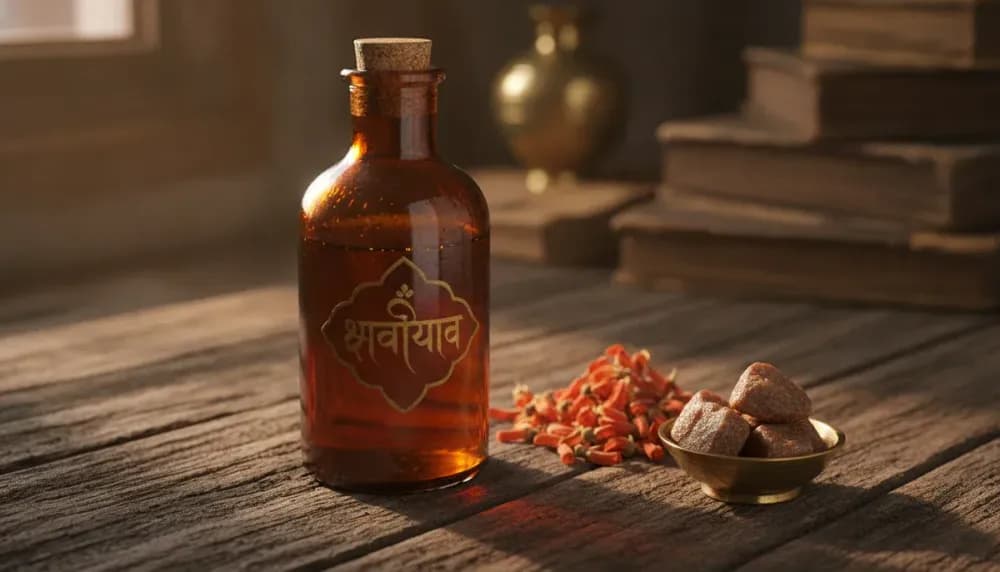
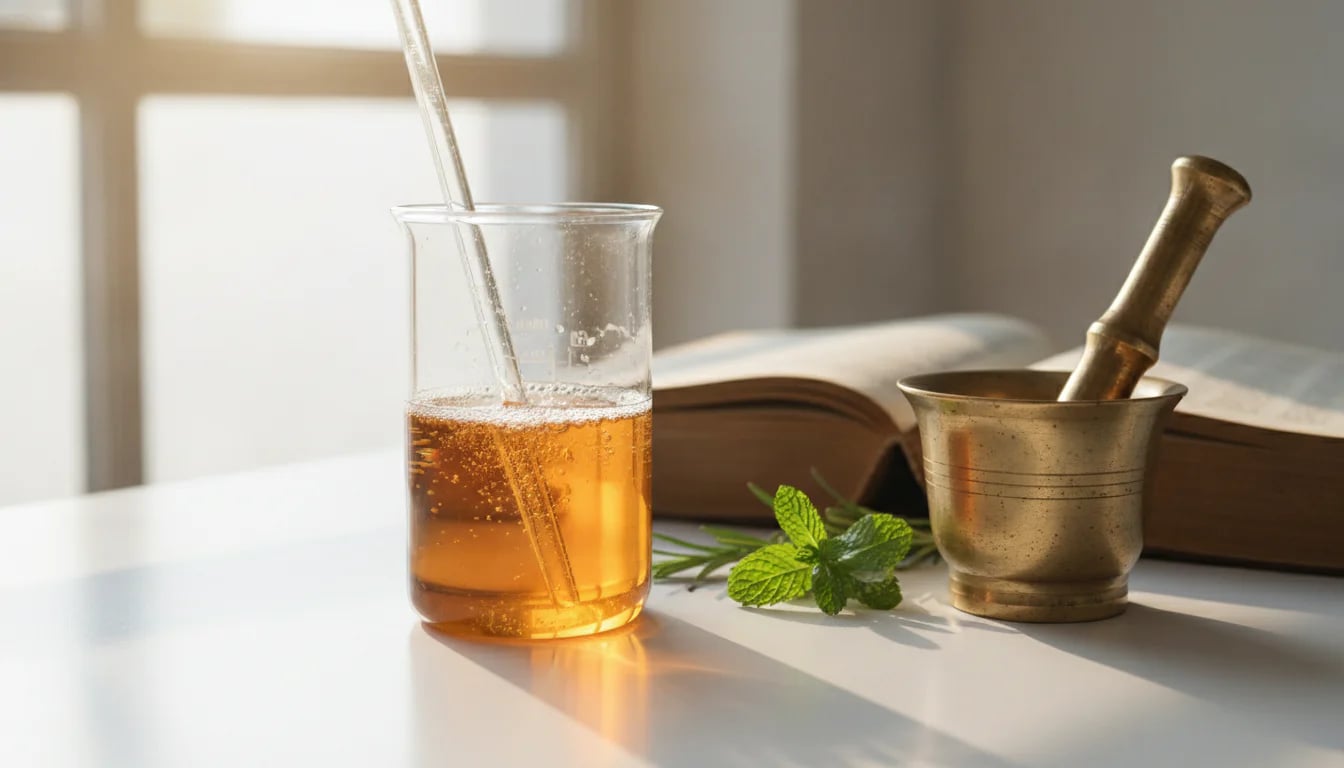
In Ayurvedic medicine, arishtas and asavas are self-generated herbal fermentations—medicinal preparations where herbs undergo natural microbial transformation to create therapeutic elixirs.
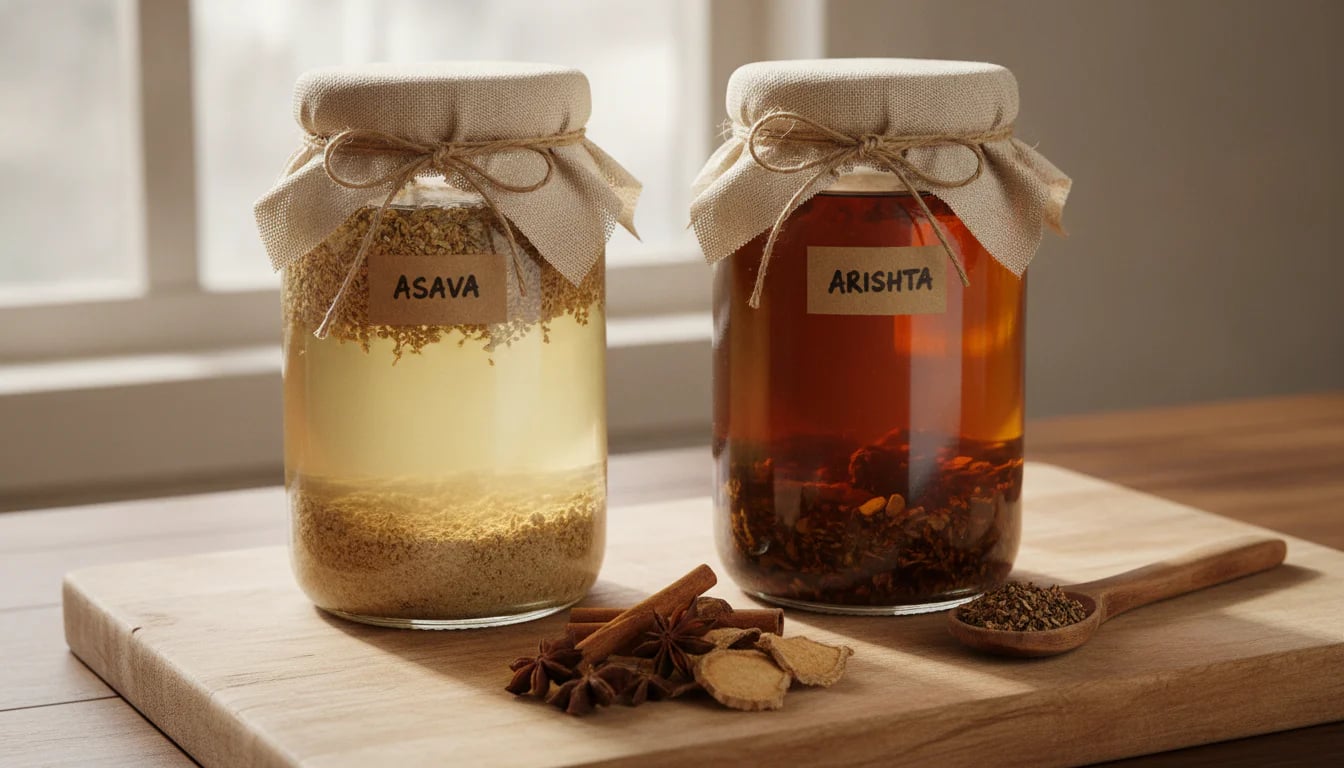
Here's the beautiful distinction: Asavas are alcoholic medicaments prepared from powdered herbal drugs, while arishtas are prepared from decoctions of herbal drugs. Both rely on the same fundamental principle that fermenters today still honor—allowing beneficial microorganisms to work their transformative magic.
The ancient physician Susruta made a bold claim that still resonates: he stated that arishta has better properties and functions than any other mode of drug preparation because of the combination of different medical materials and their transformation through fermentation. Think about that—thousands of years ago, healers recognized that fermentation didn't just preserve herbs, it fundamentally improved them.
A note on health information: The information shared here is for educational purposes only and is not intended as medical advice. Always consult with a healthcare professional before making changes to your diet, especially if you have existing health conditions or are taking medications.
#The Sacred Vessels of Transformation
These fermented medicines weren't made in just any container. Traditional Ayurvedic practitioners used specific earthenware fermentation crocks and vessels that allowed the herbs to breathe and transform properly. The choice of vessel mattered—just as it does for us today when we select our fermentation jars and crocks.
#The Ancient Fermentation Process: 30-45 Days of Transformation
What's remarkable is how precisely ancient texts documented the fermentation process. These weren't vague instructions—they specified ingredients, fermenting materials, vessels, methods, and fermentation duration with the kind of detail that would make any modern fermenter nod in recognition.
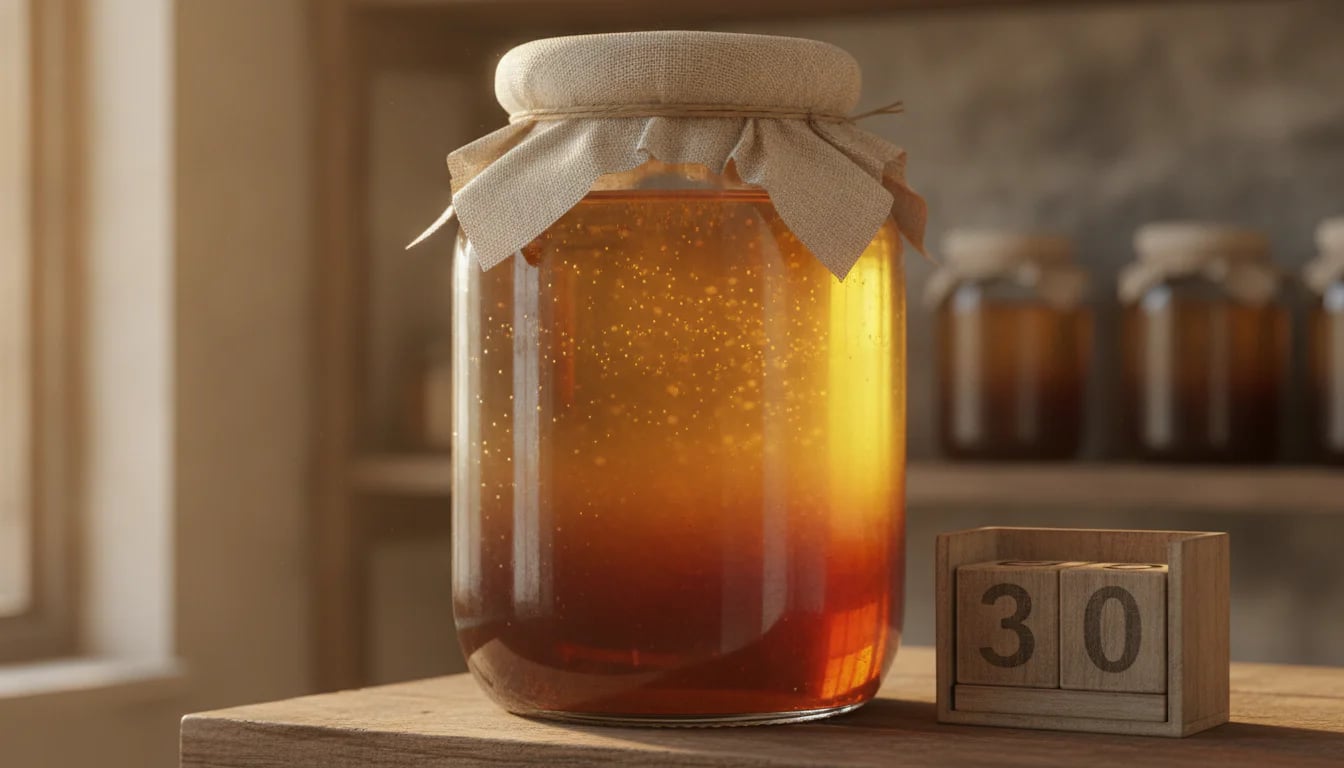
The traditional process used natural yeasts found in Woodfordia fruticosa flowers with jaggery (unrefined cane sugar) as the sugar source, spanning 30-45 days of fermentation. That's a long, slow transformation—much longer than the quick ferments many of us make today. This extended timeline allowed for deep microbial transformation and the development of complex therapeutic compounds.
#Why Fermentation Made Herbs More Powerful
Here's where ancient wisdom aligns beautifully with modern science: fermentation helped in rupturing the cells of herbs and exposing their contents to microorganisms, which may impart greater therapeutic potential to medical decoctions.
Think about what's happening at the cellular level. When you simply steep herbs in water, you extract some compounds. But when you ferment them, microorganisms break down cell walls, releasing compounds that would otherwise remain locked inside. The self-generated alcohol produced by fermentation acts as a solvent, extracting therapeutic attributes that water alone cannot access.
This is the same principle we use today when we ferment elderberry immune tonics or create fire cider—we're following in the footsteps of ancient healers who understood that fermentation unlocks deeper medicine.
#The Charaka Samhita: A Treasury of Fermentation Knowledge
The Charaka Samhita, one of the foundational texts of Ayurveda, is a treasure trove of fermentation wisdom. This ancient text revealed 9 Asava Yoni (base materials used in fermentation) and 84 Asava preparations, with 29 detailed references on how to prepare fermented formulations.
What I find beautiful is the diversity of ferments described. Beyond the medicinal arishtas and asavas, Charaka documented everyday fermented foods that would feel familiar to us today:
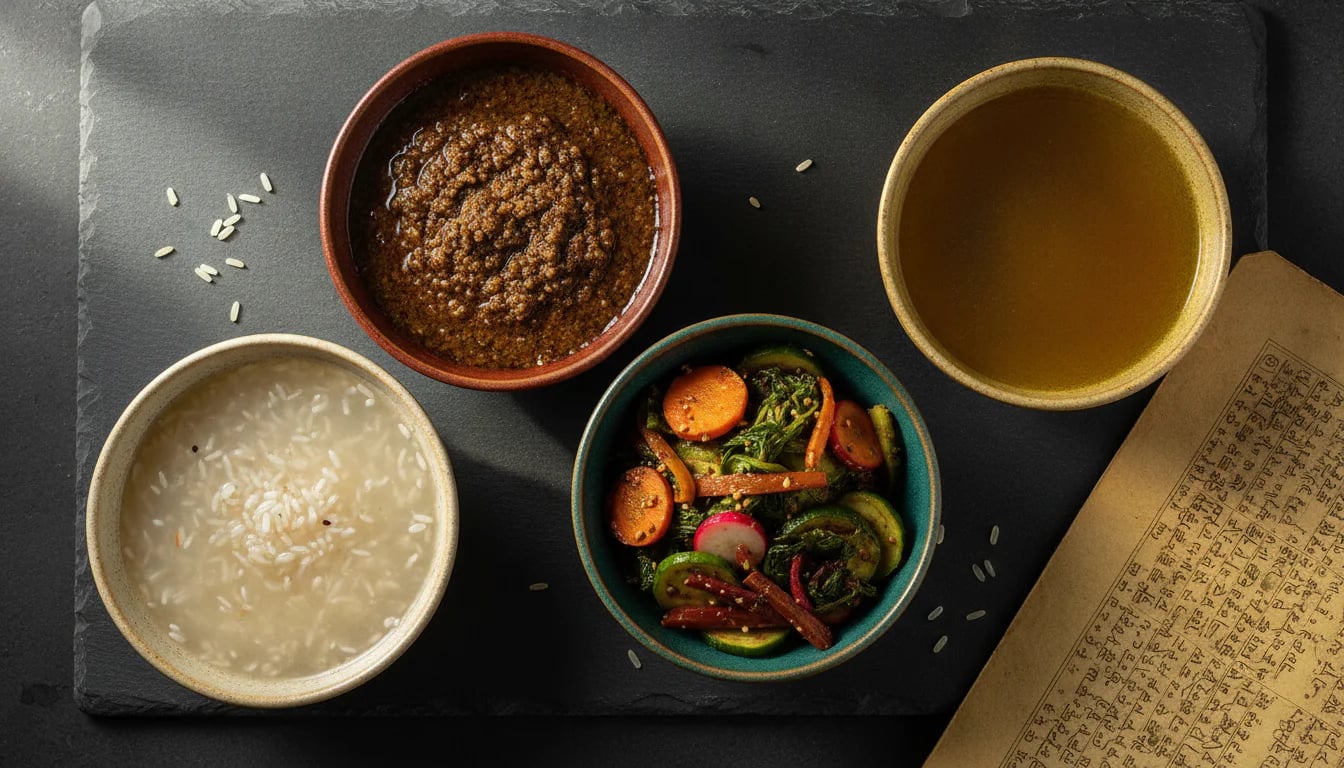
- Kanji: An acidic fermentation using rice—similar to the fermented rice waters still made across Asia
- Souviraka: A barley-based ferment
- Tushodaka: Another barley preparation
These weren't exotic medicines reserved for the elite. They were part of daily life, woven into the fabric of health and nourishment. Sound familiar? It's the same approach we take when we keep kombucha or water kefir brewing on our counters—fermentation as a way of life, not just a treatment.
#The Science They Didn't Have (But Somehow Understood)
Here's something fascinating: classical Ayurvedic texts provided fermentation recipes but no theoretical basis is provided in any of the Ayurvedic classics for adopting fermentative technology.
They didn't know about bacteria or yeast. They couldn't see the microscopic transformation happening in their fermentation vessels. Yet through careful observation, experimentation, and perhaps a bit of intuitive wisdom, they developed sophisticated fermentation protocols that modern science now validates.
They understood that fermentation worked and how to do it successfully, even without understanding why at the microbial level. That's the power of empirical wisdom—knowledge gained through generations of careful practice and observation.
#Modern Science Validates Ancient Wisdom
Today, researchers are taking a fresh look at these ancient fermented medicines, and what they're finding is remarkable. The hydro-alcoholic extraction of phytoconstituents from herbs shows improvement in drug delivery in the consumer's body. The biotransformation mediated by native microbes doesn't just extract compounds—it potentiates the drug and preserves the formulation.
In other words, fermentation does exactly what Susruta claimed thousands of years ago: it makes the medicine better.
Research highlights the process strategies involved in traditional preparation of Arishta and Asava using scientific principles, revealing that these aren't primitive folk remedies but sophisticated biotechnological processes that deserve serious scientific attention.
#What This Means for Modern Fermenters
You don't need to be making Ayurvedic medicines to benefit from this ancient wisdom. The principles apply to any fermentation:
- Fermentation unlocks compounds that simple extraction cannot access
- Microbial transformation enhances bioavailability—making nutrients and beneficial compounds more accessible to our bodies
- Time matters—longer fermentations allow for deeper transformation
- The vessel matters—choosing appropriate fermentation containers that allow proper gas exchange
- Natural inoculation works—you don't always need commercial starters; wild fermentation has ancient roots
When you're making your own fermented beverages or herbal ferments, you're participating in a tradition that stretches back thousands of years. You're using the same fundamental principles that ancient Ayurvedic physicians used, even if you're working with different ingredients and modern equipment.
#Bringing Ancient Wisdom Into Your Kitchen
You might be wondering: can I make arishtas and asavas at home? While the traditional formulations are complex and specific to Ayurvedic practice, the principles are absolutely accessible.
Here's how you can honor this ancient wisdom in your own fermentation practice:
#Start With Herbal Ferments
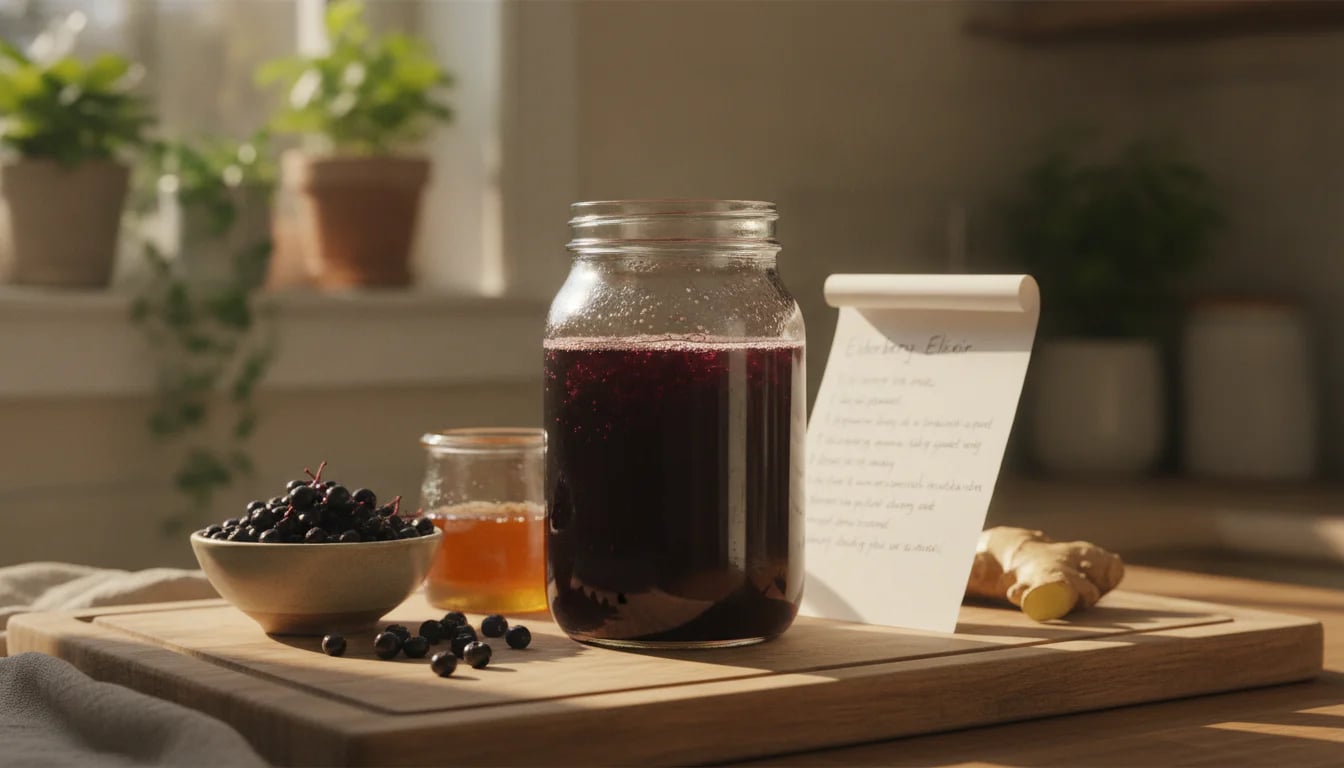
Begin with simple herbal fermentations that use the same basic principles. An elderberry immune tonic ferment is a beautiful place to start—you're fermenting medicinal herbs with natural sugars, allowing beneficial microbes to transform the mixture over time.
#Use Quality Vessels
Just as Ayurvedic practitioners chose their vessels carefully, invest in good fermentation equipment. Whether you're using traditional crocks or modern mason jars with airlocks, the container matters.
#Embrace Longer Fermentation Times
We live in a fast-paced world, but some transformations can't be rushed. While you don't need to ferment for 30-45 days like traditional arishtas, consider extending your fermentation times beyond the minimum. A Jun tea that ferments for an extra few days develops deeper complexity. Fermented vegetables that age for weeks develop more nuanced flavors and potentially more diverse beneficial compounds.
#Keep Fermentation Weights Handy
Traditional preparations kept herbs submerged during fermentation. Use fermentation weights to keep your ingredients below the brine, preventing mold and ensuring even fermentation—a practice that echoes ancient methods.
#Learn From Multiple Traditions
Ayurveda isn't the only ancient tradition with fermentation wisdom. Explore traditional ferments from around the world—from Turkish boza to Russian kvass. Each culture developed its own fermentation wisdom, and there's so much to learn from all of them.
#The Wisdom We're Rediscovering
There's something humbling about realizing that ancient healers, working without microscopes or modern scientific equipment, developed fermentation techniques that we're only now beginning to fully appreciate. They couldn't see the bacteria and yeast doing the transformative work, but they could observe the results—the enhanced therapeutic effects, the improved preservation, the deeper medicine that emerged from the fermentation process.
Indian Ayurveda holds a unique position among traditional medicines due to possession of polyherbal Fermented Traditional Medicines—a sophisticated understanding of how to combine multiple herbs and allow microbial transformation to create something greater than the sum of its parts.
This is the essence of fermentation wisdom: understanding that we're not just preserving food or making medicine, we're partnering with invisible allies—bacteria, yeasts, and other microorganisms—to create transformation. The ancient Ayurvedic physicians knew this intuitively. We're fortunate to live in a time when we can understand it both intuitively and scientifically.
#A Living Tradition
What moves me most about Ayurvedic fermentation wisdom is that it's not just historical—it's a living tradition. The entire group comprises 79 fermented medicine products that are still being made and used today, connecting modern practitioners to thousands of years of accumulated knowledge.
When you start your next ferment—whether it's a simple fermented cashew milk or a more complex herbal preparation—you're participating in this lineage. You're using principles that ancient healers discovered through patient observation and careful experimentation. You're trusting in the same microbial allies that transformed herbs in earthenware vessels thousands of years ago.
That's not just fermentation. That's connection to something much larger than ourselves—a thread of wisdom that stretches across millennia, cultures, and continents, all united by the simple, profound act of allowing beneficial microorganisms to transform our food and medicine.

Disclaimer: This article is for informational and educational purposes only. It is not intended to be a substitute for professional medical advice, diagnosis, or treatment. Ayurvedic fermented preparations mentioned here are traditional medicines with specific formulations and dosing. Individual results may vary. Please consult your healthcare provider or a qualified Ayurvedic practitioner before beginning any new dietary practice or herbal preparation, especially if you have a medical condition or take medications.