What Happens When Food Ferments? (And Why It's Kind of Magical)
A human-friendly breakdown of the bacterial alchemy behind fermentation
Introduction — More Than Just Sour
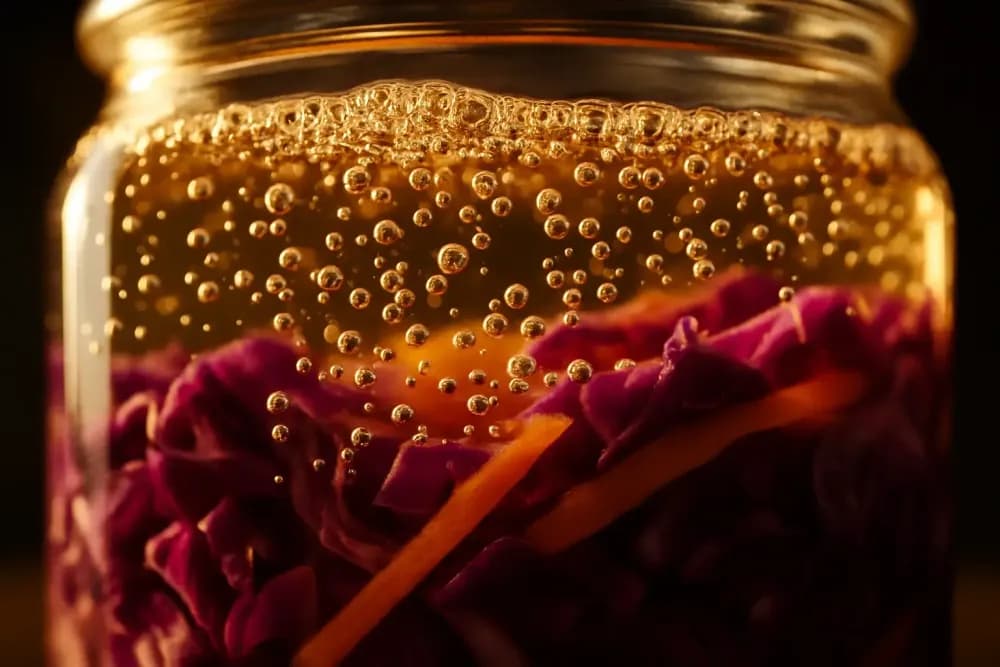
The first time you witness fermentation in action, it feels like magic. Day three of your first sauerkraut, and suddenly your kitchen smells like transformation — bubbles rising through brine, vegetables changing before your eyes.
"Is it supposed to smell like that?" is probably the most common question in fermentation.
Yes. Yes, it is.
What we call "fermentation" is actually an ancient metabolic process where microorganisms convert sugars into acids, gases, or alcohol. In practical terms? It's how cabbage becomes kraut, milk transforms into yogurt, and flour rises into sourdough — all while creating foods that can last months without refrigeration and potentially support our gut health.
But here's why this matters beyond preservation: fermentation represents one of humanity's oldest biotechnologies, a partnership with invisible microbes that's kept us healthy for millennia.
The Basics: Bacteria Doing Their Thing
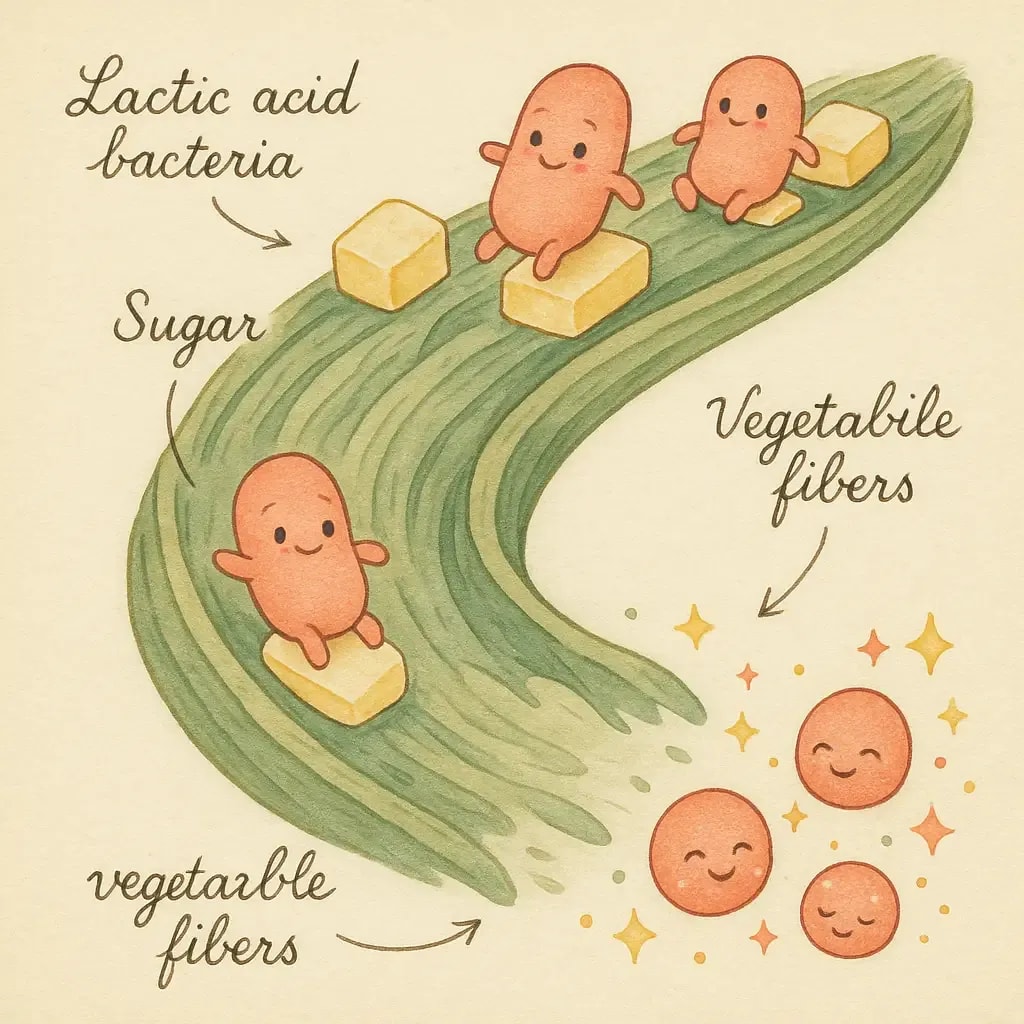
What Actually Happens During the Fermentation Process?
When you submerge vegetables in salt brine and seal them away from oxygen, you create ideal conditions for lactic acid bacteria to thrive. These beneficial microbes — naturally present on all vegetables — begin converting sugars into lactic acid through a fascinating biochemical process.
Here's the simplified science:
- Lactic acid bacteria consume sugar molecules from vegetables
- In this anaerobic (oxygen-free) environment, they produce lactic acid as their primary metabolite
- This acid lowers the pH to around 3.5-4.0
- The acidic environment inhibits pathogenic bacteria from growing
It's elegantly simple: beneficial bacteria create conditions where only they and other acid-tolerant microbes can survive. No harmful bacteria allowed at this microscopic party.
Why This Natural Fermentation Process Matters
This ancient preservation method offers benefits far beyond food storage:
Natural preservation: The pH drop creates an environment hostile to spoilage organisms and pathogens. No electricity or chemicals required — just salt, time, and bacterial metabolism.
Flavor complexity: Fermentation produces dozens of flavor compounds — organic acids, esters, and alcohols — creating the complex, tangy flavors we associate with fermented foods. Each vegetable develops its own unique profile.
Nutritional enhancement: During fermentation, bacteria synthesize B vitamins (especially B12 and folate), break down anti-nutrients like phytates that block mineral absorption, and produce bioactive compounds. Different vegetables yield different benefits — sauerkraut becomes rich in vitamin C, while fermented beets enhance iron bioavailability.
Meet the Microbes — Your Fermentation Team
The Bacterial Succession
Fermentation isn't random — it follows a predictable succession of bacterial dominance:
Leuconostoc mesenteroides: The pioneer species. These bacteria tolerate higher salt concentrations and neutral pH, making them perfectly suited to begin fermentation. They produce CO2 (creating those first bubbles) and lactic acid, lowering the pH for the next wave.
Lactobacillus species: The workhorses. As pH drops below 4.5, various Lactobacillus species take over:
- L. plantarum: Dominates most vegetable ferments
- L. brevis: Adds flavor complexity and works well in cooler temperatures
- L. sakei: Common in meat and some vegetable ferments like kimchi
Pediococcus and others: The refiners. These acid-tolerant bacteria appear in later stages, adding subtle flavors and further acidifying the environment.
Wild Fermentation vs. Starter Cultures: Understanding the Difference
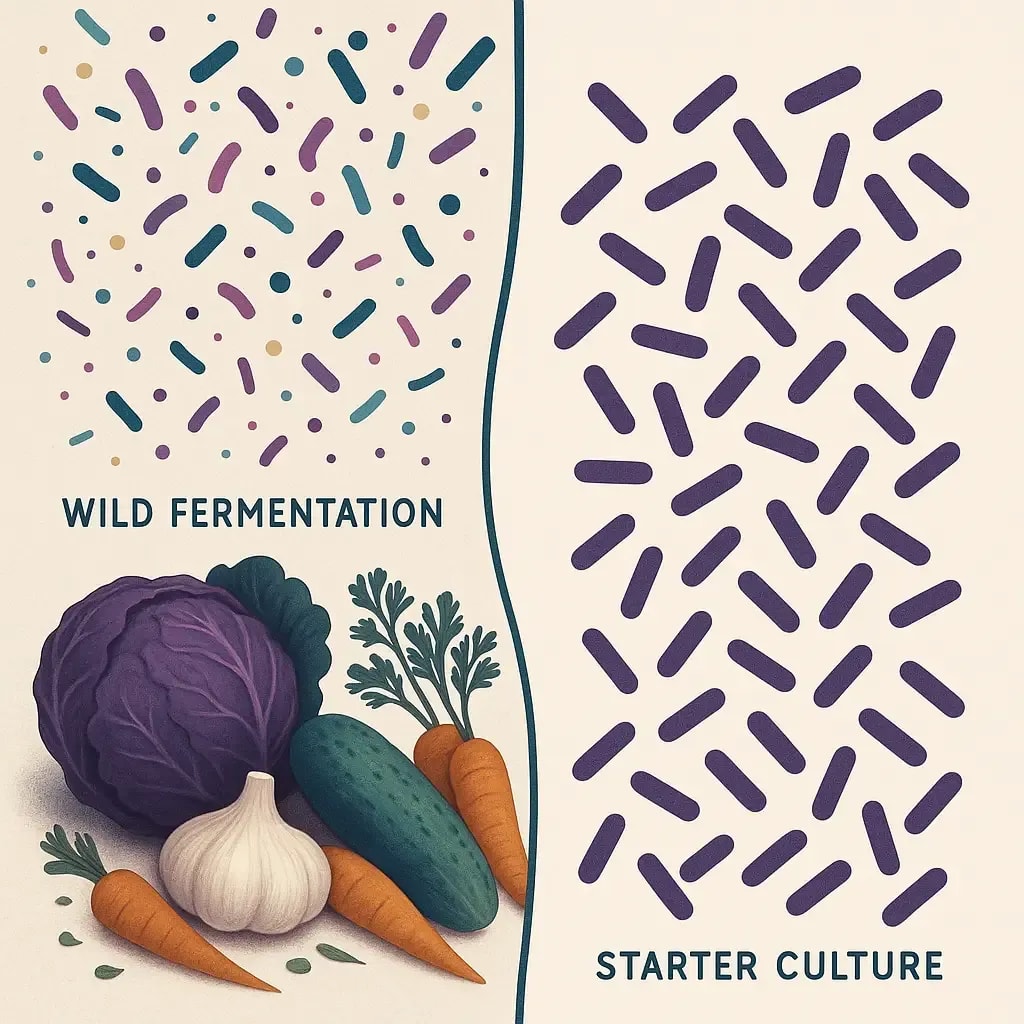
This is where fermentation gets interesting from a microbiological perspective:
Wild fermentation harnesses the naturally occurring bacteria on vegetables. Each batch is unique, containing dozens of bacterial species that create complex flavor profiles. The diversity depends on your vegetables, environment, and even the season. For consistency, a precision scale helps maintain the crucial 2-3% salt concentration.
Starter cultures introduce specific bacterial strains, offering:
- Predictable fermentation times
- Consistent flavor profiles
- Reliability with previously frozen or irradiated vegetables
- Specific probiotic strains with documented benefits
Both methods have their place. Wild fermentation celebrates microbial diversity; starter cultures offer control and consistency.
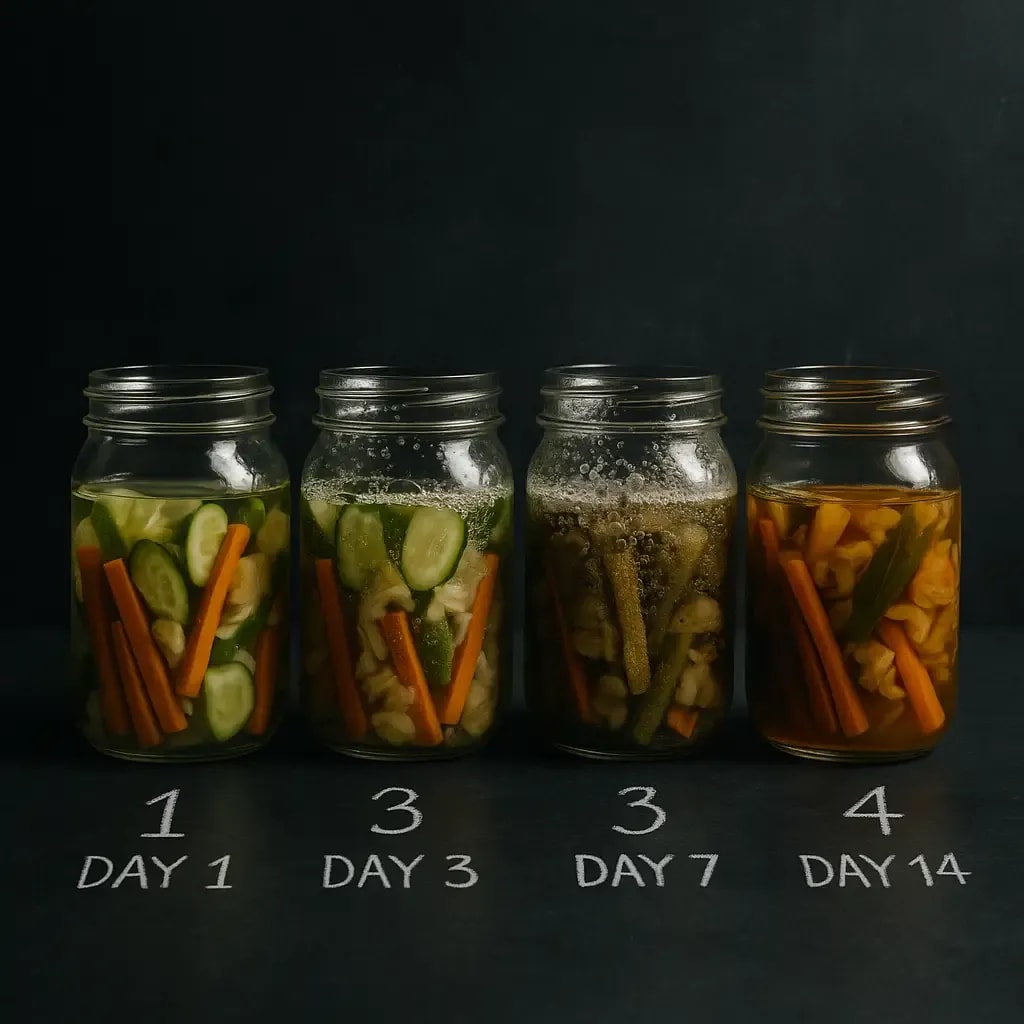
A Timeline of a Fermenting Jar: Day-by-Day Transformation
Understanding the fermentation timeline helps you know what's normal. (Spoiler: weird is normal.) If your ferment seems inactive, check our troubleshooting guide.
Days 1-2: The Lag Phase
- Salt draws water from vegetables via osmosis
- Beneficial bacteria multiply exponentially
- Harmful bacteria begin dying off
- Minimal visible activity
What you'll see: Liquid accumulating, vegetables darkening slightly. Fermentation weights keep everything submerged during this critical phase.
Days 3-5: The Active Phase
- Leuconostoc bacteria produce CO2 and lactic acid
- pH drops from ~6.5 to ~4.5
- Bubbling becomes visible
- Distinctive fermentation aroma develops
What you'll see: Active bubbling, cloudy brine, vegetables trying to float. Airlock lids let CO2 escape while maintaining anaerobic conditions.
Days 6-10: Peak Fermentation
- Lactobacillus species dominate
- Maximum acid production
- Complex flavors develop
- pH stabilizes around 3.5-4.0

What you'll see: Vigorous bubbling, possible brine overflow, pronounced tangy taste. Self-burping lids prevent messy overflows.
Day 11+: Maturation Phase
- Fermentation rate slows
- Subtle flavor compounds develop
- Texture softens slightly
- Long-term preservation established
What you'll see: Reduced bubbling, clearer brine, complex flavors. A pH meter confirms safe acidification below 4.5.
Temperature note: These timelines assume 68-72°F (20-22°C). Cooler temperatures slow fermentation; warmer speeds it up.
The Science Bit (That's Actually Fascinating)
Lactic Acid: The Fermentation MVP
Lactic acid (C₃H₆O₃) does more than create tang:
Antimicrobial action: At pH below 4.6, most pathogenic bacteria cannot survive or reproduce. This includes dangerous species like Clostridium botulinum, E. coli, and Salmonella.
Flavor profile: Unlike acetic acid (vinegar), lactic acid provides a smooth, rounded sourness that enhances rather than overwhelms vegetable flavors.
Preservation mechanism: The low pH denatures proteins and disrupts cellular processes in spoilage organisms, allowing fermented foods to last months or even years.
How Different Fermented Vegetables Affect Your Gut Microbiome
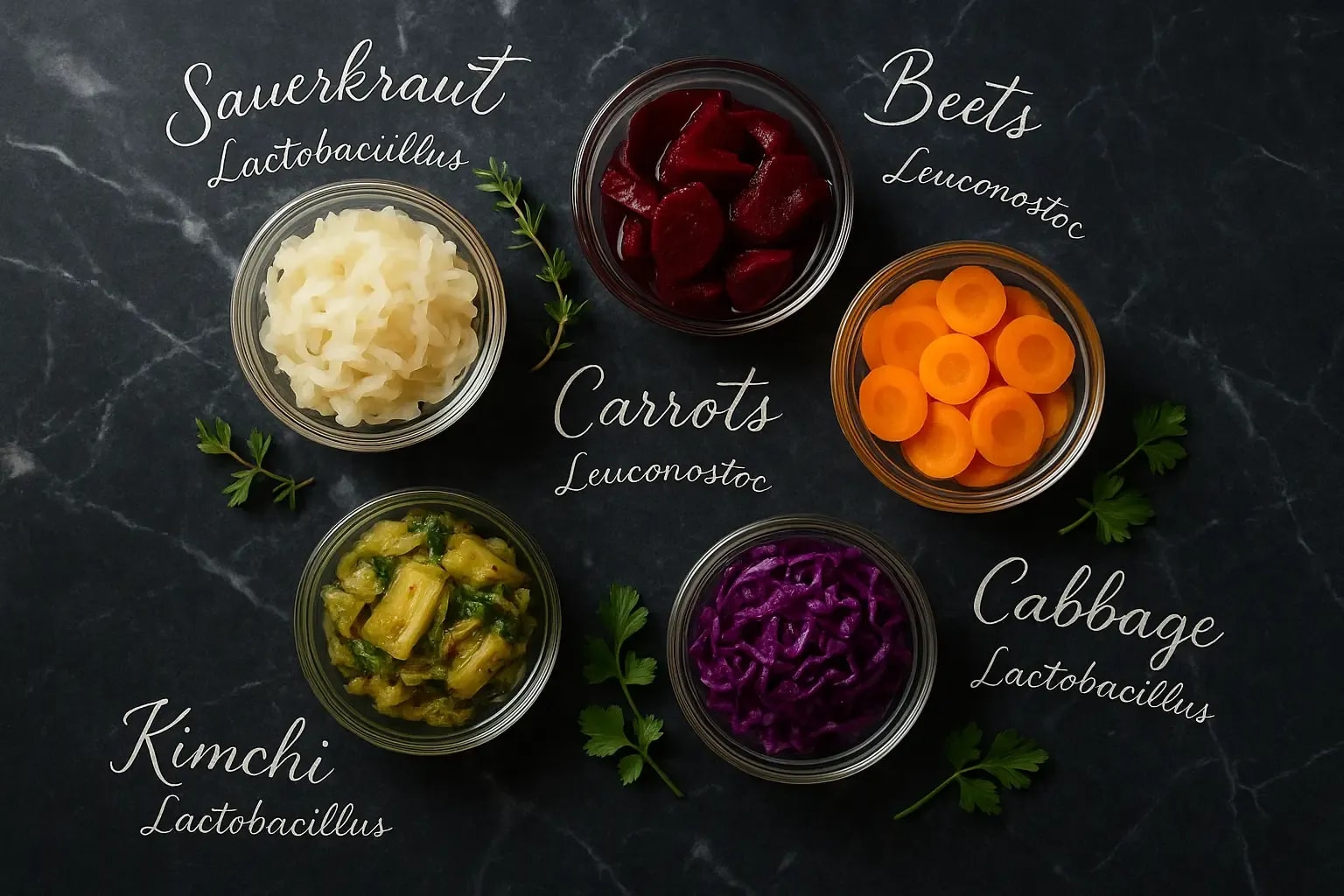
Research shows that fermented vegetables support gut health through multiple mechanisms:
Probiotic delivery: While not all fermented vegetables contain live cultures at consumption, many do. Different vegetables harbor different beneficial species:
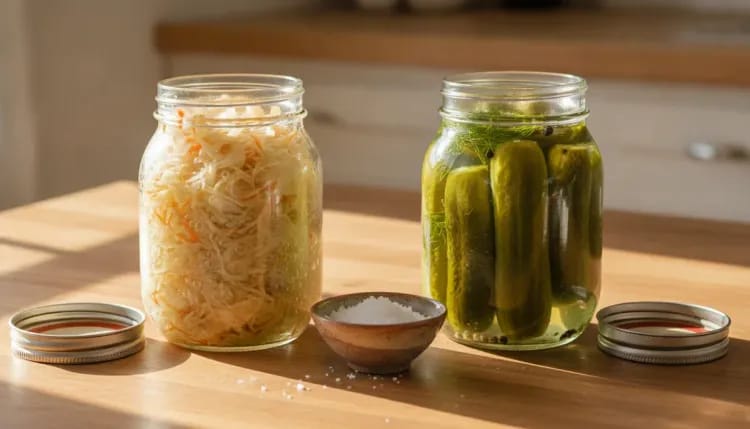
- Sauerkraut: Rich in L. plantarum and L. brevis
- Kimchi: Contains L. sakei plus unique metabolites from garlic and ginger. Explore kimchi's specific benefits or learn how to make it
- Fermented beets: Often contain L. rhamnosus
- Pickled cucumbers: May harbor L. pentosus
Prebiotic effects: Fermented vegetables retain their fiber, feeding beneficial gut bacteria.
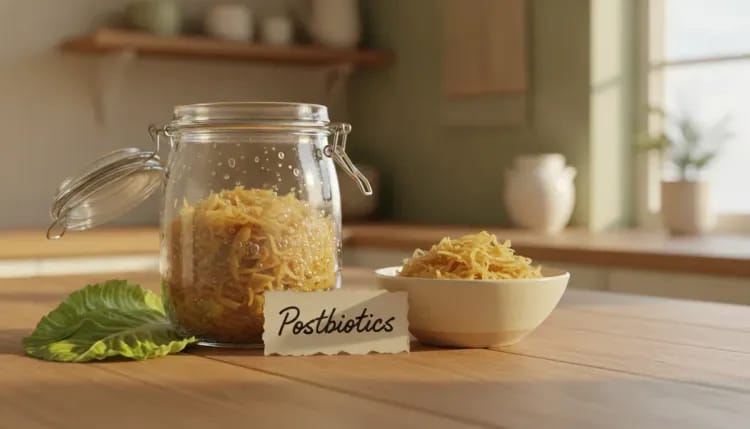
Postbiotic compounds: Even if bacteria don't survive stomach acid, their metabolites (short-chain fatty acids, bacteriocins, exopolysaccharides) provide health benefits.
Increased nutrient bioavailability: Fermentation breaks down plant cell walls and anti-nutrients, making minerals and vitamins more accessible.
Addressing the Elephant in the Jar: "But Isn't Bacteria Bad?"
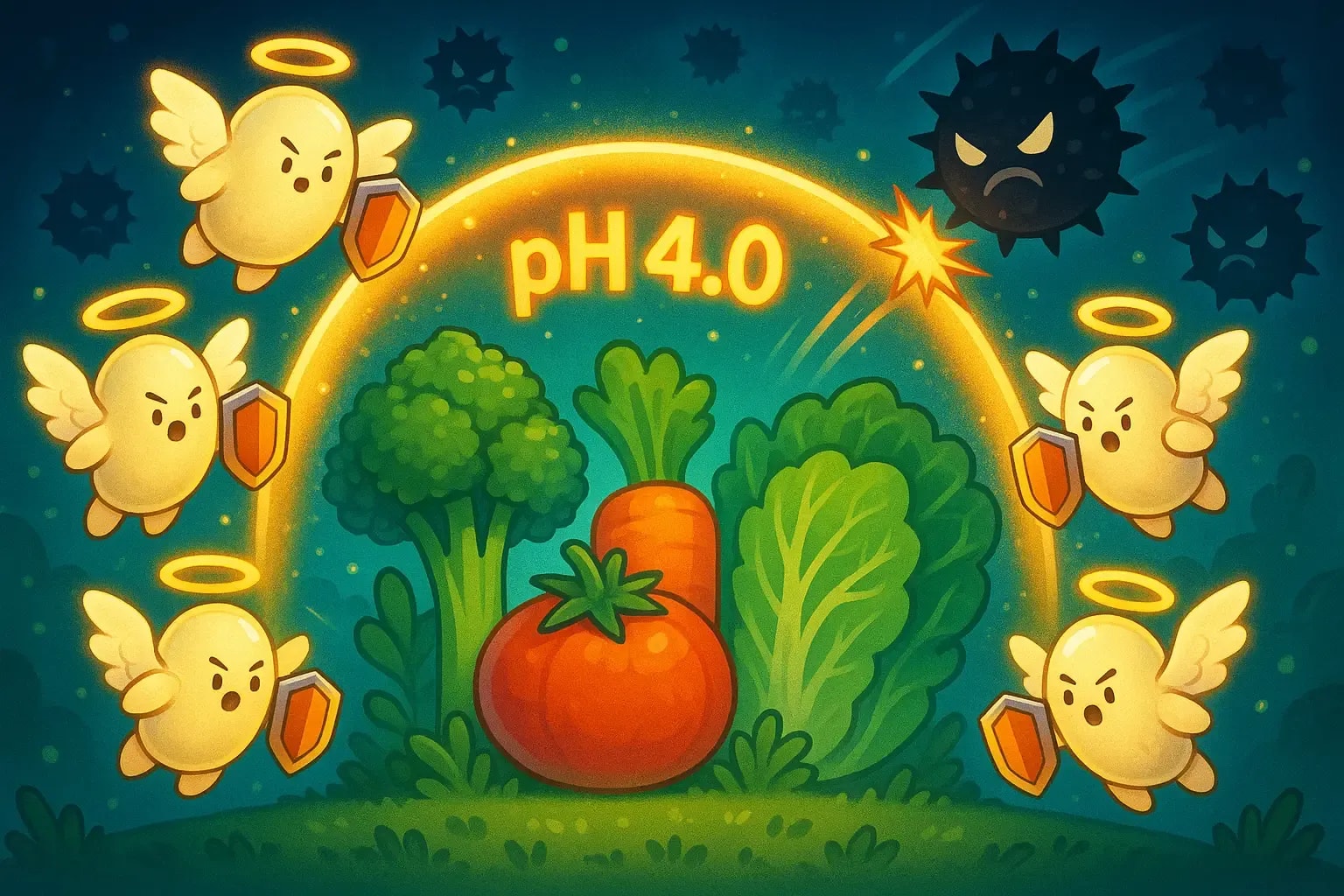
Modern hygiene has saved countless lives, but it's also created an unnecessary fear of all microbes. Fermentation helps us understand that bacteria aren't inherently good or bad — it's about context and balance.
In fermentation, we're not fighting bacteria; we're selecting for beneficial ones by creating specific conditions:
- Salt concentration that favors lactic acid bacteria
- Anaerobic environment that excludes many pathogens
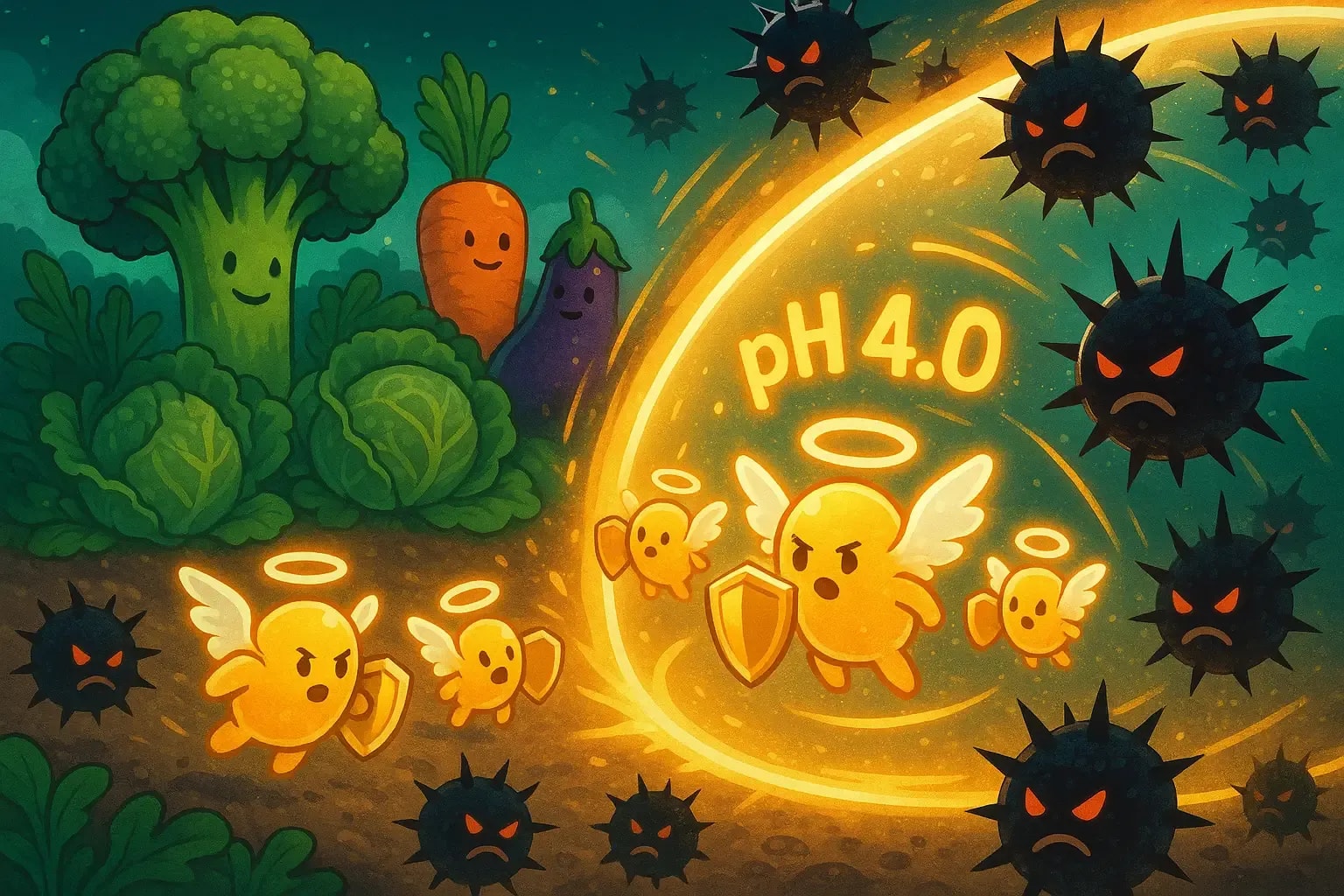
- Acidic conditions that prevent harmful bacterial growth
The safety record speaks for itself: there has never been a documented case of food poisoning from properly fermented vegetables. The acidic, anaerobic environment is simply too hostile for pathogens.
Trust your senses:
- Good ferments smell pleasantly sour, tangy, complex
- Bad ferments smell putrid, rotten, repulsive
- Evolution equipped us to detect spoilage — use that gift
The Practical Magic of Fermentation
Beyond science and health benefits, fermentation offers something profound: transformation you can witness. In a world of invisible processes and trust-the-label foods, fermentation is refreshingly transparent.
You can see the bubbles rising. Smell the daily changes. Taste the evolution from fresh to tangy. It's one of the few food processes that invites participation rather than passive consumption.
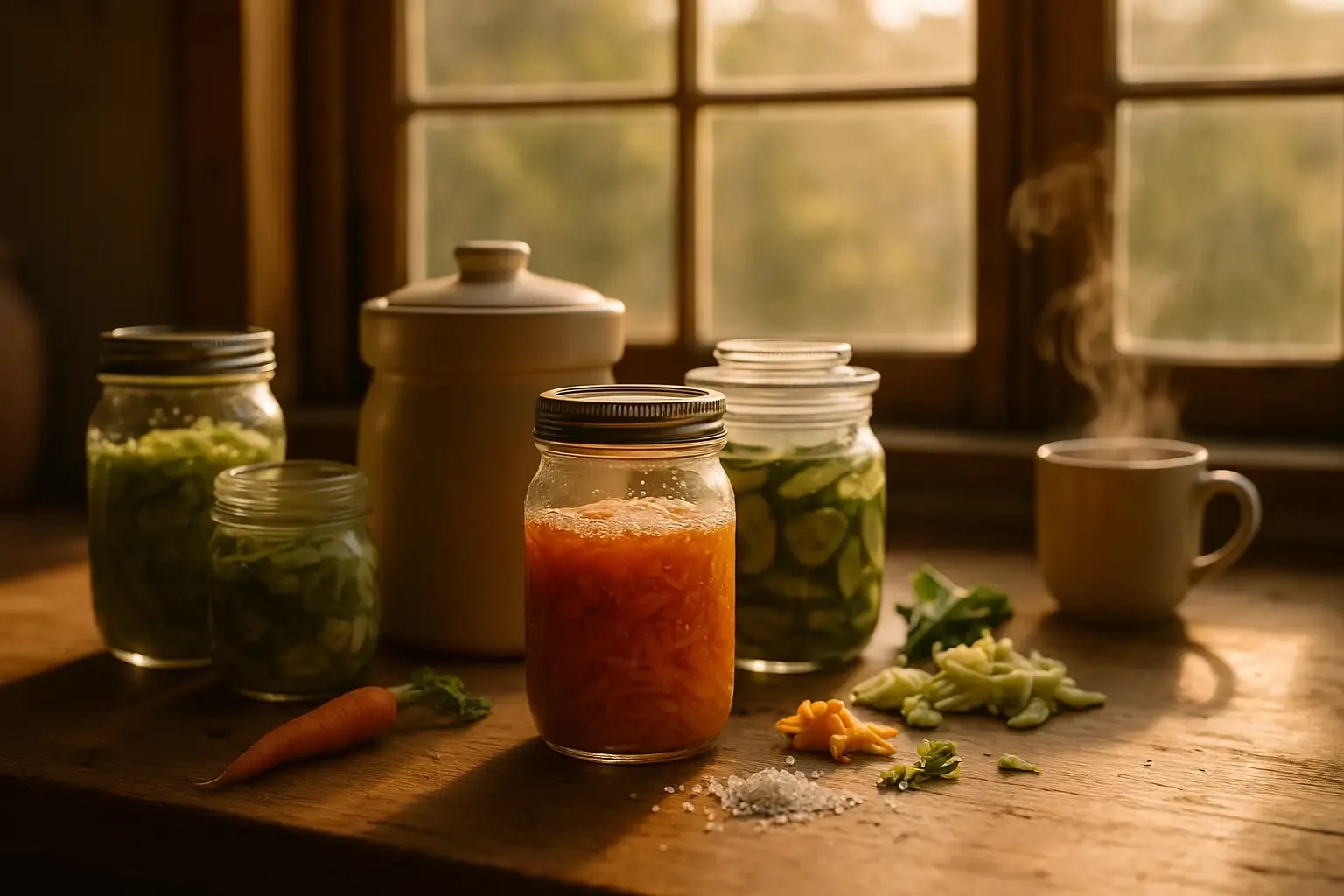
Whether using simple mason jars with a wooden tamper, or traditional fermentation crocks, each method connects you to millennia of human food wisdom.
Your Burning Questions Answered
Can I ferment without a starter culture? Absolutely! Wild fermentation has worked for thousands of years. Fresh vegetables + 2-3% salt by weight + time = fermentation success.
Do I need special equipment? No. A clean jar, salt, vegetables, and something to keep them submerged will work. Specialized equipment just makes it easier and more consistent.
What if there's mold? Fuzzy, colored growth = compost it. White film (kahm yeast) = harmless but skim it off for better flavor.
How do I know when fermentation is complete? When you like the taste! Most vegetables are pleasantly tangy after 3-7 days at room temperature. Refrigeration slows but doesn't stop fermentation.
Is fermented food actually safe? When done properly (vegetables submerged, appropriate salt concentration, clean equipment), it's remarkably safe. The acidic environment protects against pathogens.
The Transformation Awaits
Every jar of fermenting vegetables is a small science experiment, a preservation technique, and a health intervention rolled into one. But more than that, it's a reminder that some of the most profound processes happen quietly, invisibly, powered by organisms we can't even see.
The bacteria are already there, waiting on your vegetables. The process is older than written history. All you need to do is create the conditions and step back.
Start with one jar. Watch the bubbles rise. Taste the daily changes. Let the ancient alchemy unfold.
Welcome to the quietly magical world of fermentation.
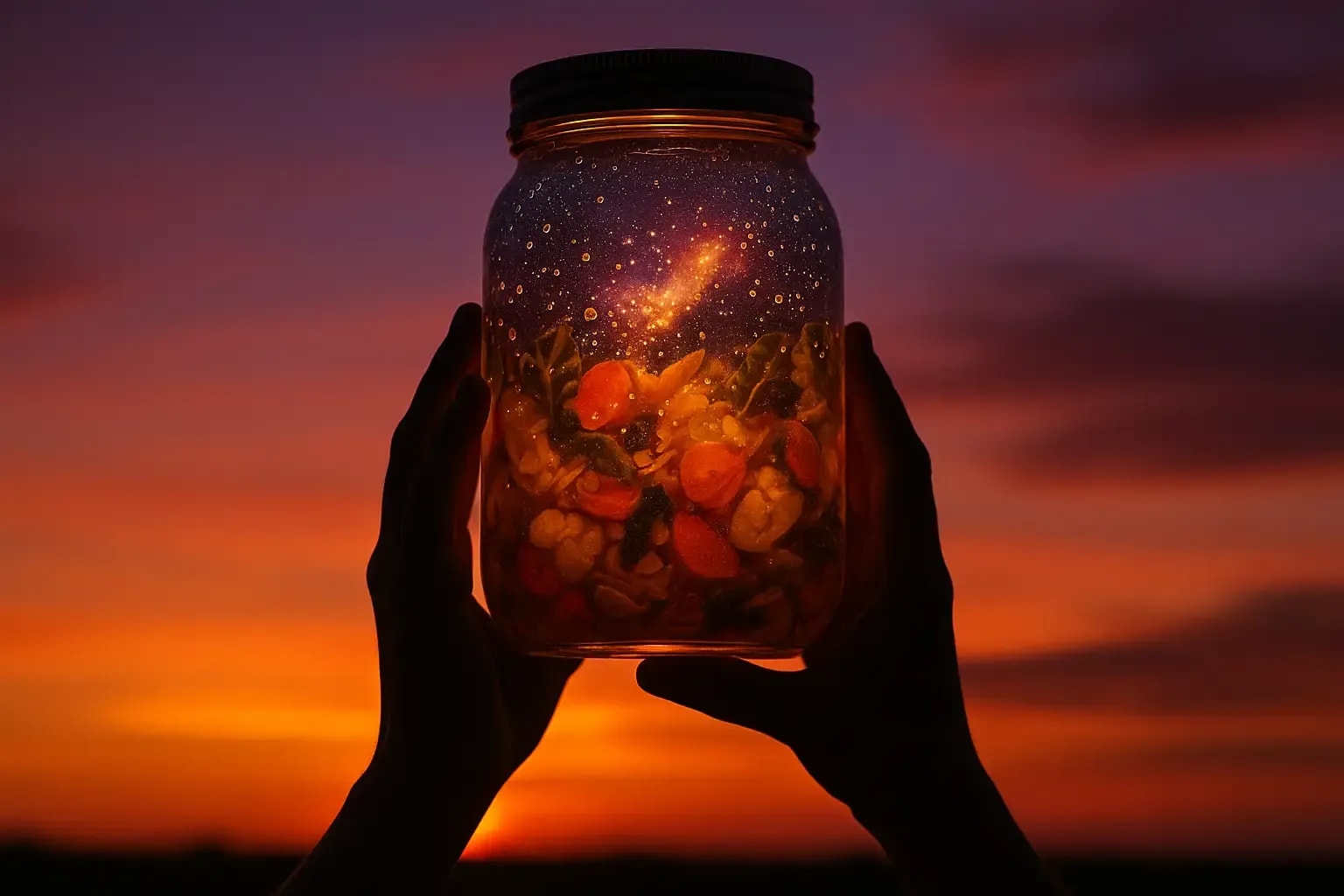
Ready to start? Grab some vegetables, salt, and curiosity. The microbes will handle the rest.