

#Key Takeaways
- Fermented foods can significantly reduce inflammatory markers: A Stanford study found that 10 weeks of eating fermented foods decreased 19 inflammatory proteins, including interleukin-6.
- Kimchi and sauerkraut lead the pack: Research shows fermented vegetables with Lactobacillus plantarum produce anti-inflammatory compounds like lactate and phenolic derivatives.
- Fermented dairy works differently than vegetables: Meta-analyses show fermented dairy reduces TNF-α significantly, while vegetables boost microbiome diversity.
- More servings = stronger effects: The Stanford research found that larger servings of fermented foods resulted in greater microbial diversity and lower inflammation.
- Not all inflammation markers respond equally: While TNF-α decreases consistently, C-reactive protein and IL-6 show mixed results across studies.
For years, I struggled with chronic inflammation that hijacked my life from the inside out. My elbows and legs were completely covered in thick plaques of psoriasis—and I was desperate to find something that actually worked.
A note on health information: The information shared here is for educational purposes only and is not intended as medical advice. Always consult with a healthcare professional before making changes to your diet, especially if you have existing health conditions or are taking medications.
#What Does "Anti-Inflammatory" Actually Mean?
Before we dive into which fermented foods work, let's talk about what we're actually measuring. When scientists study inflammation, they're looking at specific proteins and immune markers in your blood—things like TNF-α (tumor necrosis factor-alpha), interleukin-6 (IL-6), and C-reactive protein (CRP).
These markers tell us how activated your immune system is. High levels often correlate with chronic conditions like rheumatoid arthritis, psoriasis, inflammatory bowel disease, and even Type 2 diabetes. The question researchers have been asking: can fermented foods actually lower these markers?
The answer, it turns out, is more nuanced than a simple yes or no.
#The Stanford Study That Changed Everything
What happens when you eat fermented foods every day for 10 weeks?
Researchers at Stanford School of Medicine wanted to find out. In a groundbreaking 2021 study published in Cell, they followed 36 healthy adults who consumed fermented foods daily—yogurt, kefir, fermented cottage cheese, kimchi, fermented vegetables, vegetable brine drinks, and kombucha tea.
The results were remarkable: 19 inflammatory proteins decreased across the board, including interleukin-6, which is associated with rheumatoid arthritis, Type 2 diabetes, and chronic stress. Four types of immune cells showed less activation after the 10-week period.
But here's what really caught my attention: the more fermented foods people ate, the stronger the effects. According to Stanford Medicine, larger servings resulted in greater microbiome diversity—and low microbiome diversity is linked to obesity and diabetes.
This wasn't about a magic bullet. It was about consistent, daily consumption creating measurable change.

#Which Fermented Foods Have the Strongest Evidence?
#Kimchi and Fermented Vegetables: The Inflammation Fighters
Do fermented vegetables actually reduce inflammation, or is it just the vegetables themselves?
The fermentation process itself creates anti-inflammatory compounds that don't exist in raw vegetables. Research published in the National Center for Biotechnology Information found that fermented vegetables with Lactobacillus plantarum showed a significant increase in anti-inflammatory bioactive molecules including lactate, 3-phenyllactate, and indole-3-lactate.
Kimchi, specifically, has been studied extensively. One study on mustard leaf kimchi found that fermentation with L. plantarum markedly inhibited nitric oxide production and decreased IL-6, TNF-α, iNOS, and COX2 expression in inflammatory cells. The fermentation process enhanced phenolic compounds including caffeic acid, chlorogenic acid, epicatechin, and catechin—all powerful anti-inflammatory agents.
In another study on colitis, kimchi and Leuconostoc mesenteroides reduced colitis symptoms in a mouse model by decreasing pro-inflammatory TNF-α and increasing anti-inflammatory IL-10 in colon tissues.
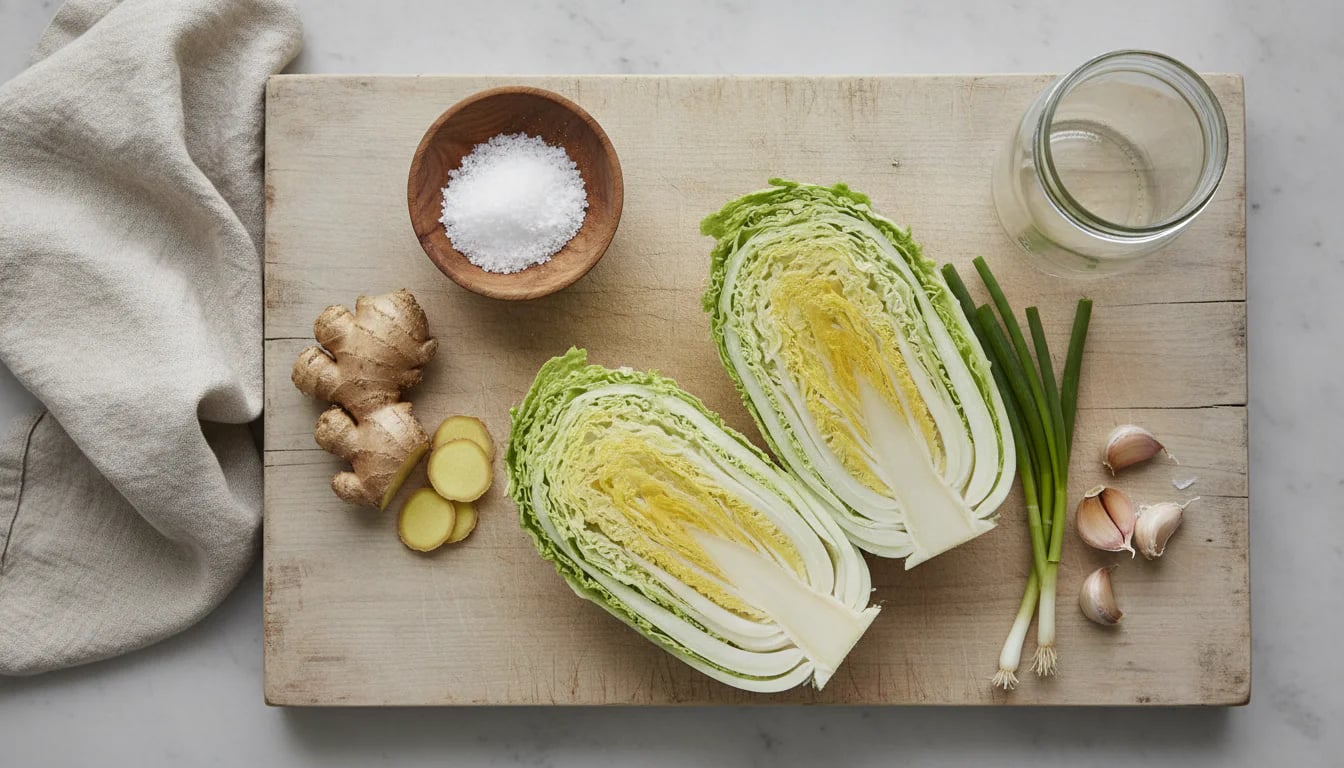
If you're ready to make your own inflammation-fighting fermented vegetables, you'll want a proper setup. A quality fermentation crock with water-seal technology keeps oxygen out while allowing CO2 to escape—critical for creating the anaerobic environment where beneficial Lactobacillus species thrive. For smaller batches, wide mouth mason jars paired with fermentation weights and airlock lids work beautifully.
#Fermented Dairy: A Different Mechanism
How does fermented dairy compare to fermented vegetables for inflammation?
Fermented dairy works through a different pathway. A systematic review of 52 studies found that fermented dairy products showed significant anti-inflammatory effects compared to non-fermented dairy, with the potential to decrease tumor necrosis factor (TNF)-α by −1.34 mg/l in adults.
Interestingly, while fermented dairy consistently reduces TNF-α, it doesn't significantly affect interleukin-6 or C-reactive protein in most studies. This suggests that different fermented foods target different inflammatory pathways—which is why variety matters.
Yogurt and kefir contain bioactive compounds like conjugated linoleic acid (CLA) that modulate immune function and reduce inflammation, according to research on bioactive compounds in fermented foods.

#Fermented Soy Foods: The Underrated Players
Fermented soy foods like natto, miso, and tempeh deserve more attention. Research on bioactive compounds shows these foods contain nattokinase, bioactive peptides, and isoflavones with anti-inflammatory effects.
While clinical studies on fermented soy for inflammation are still limited, the traditional use of these foods in cultures with lower rates of inflammatory diseases is compelling. Miso, in particular, combines the benefits of fermented soy with the probiotic power of Aspergillus oryzae koji culture.
If you're interested in exploring fermented vegetables with an Asian twist, try this Miso Sesame Kale Salad Kraut—it combines the anti-inflammatory benefits of fermented vegetables with the bioactive compounds in miso.
#What the Meta-Analyses Tell Us
What happens when you look at ALL the research together?
A comprehensive meta-analysis of 26 randomized controlled trials with 1,461 participants found that fermented foods reduced serum TNF-α levels significantly. However, no significant change was observed in C-reactive protein (CRP) or IL-6 levels when all studies were pooled together.
This doesn't mean fermented foods don't work—it means they work selectively. TNF-α is consistently responsive to fermented food intervention, while other markers may require specific strains, dosages, or longer intervention periods.
The takeaway? Fermented foods aren't a cure-all, but they are a legitimate tool for modulating specific inflammatory pathways.
#My Personal Journey with Inflammation
Let me take you back to where I was before I discovered fermented foods.
My elbows and legs were completely covered in thick plaques of psoriasis. Behind my ears and across my scalp, flakes would fall like snow, and I'd only wear light-colored shirts just to hide it a little better. I remember going to job interviews praying the flakes wouldn't be visible. I still tense up when I go to get a haircut—hoping the barber understands what psoriasis is and doesn't treat me like I'm contagious.
Once, a boss of mine shamed me publicly about it. That humiliation—layered on top of the physical discomfort—stuck with me for years.
I tried everything: expensive creams, elimination diets, supplements that promised miracles. Some things helped a little. Nothing was transformative.
Then I started making my own fermented foods—not because I thought they'd cure my psoriasis, but because I was curious about the gut-brain connection I kept reading about. I started with simple sauerkraut, then moved to kimchi, then experimented with fermented dairy.
The changes weren't immediate. But over months, I noticed my skin calming. The angry red plaques softened. The constant itch that had been my companion for years began to quiet.
I can't say fermented foods "cured" me—that would be irresponsible and untrue. But they became part of a larger shift toward gut health that genuinely changed my quality of life. The research I've shared in this article helps me understand why what I experienced might have happened at a cellular level.

#How to Actually Use This Information
#Start with Variety
Based on the research, different fermented foods target different inflammatory pathways. A diverse fermented food diet might include:
- Fermented vegetables (kimchi, sauerkraut) for Lactobacillus-produced anti-inflammatory compounds
- Fermented dairy (yogurt, kefir) for TNF-α reduction and CLA benefits
- Fermented soy (miso, tempeh) for bioactive peptides and isoflavones
- Fermented beverages (kombucha, water kefir) for microbial diversity
You don't need to eat all of these every day. The Stanford study showed benefits with consistent daily consumption of any fermented foods—participants chose what worked for their preferences and lifestyle.
#Dose Matters
The Stanford research found that more servings led to stronger effects. Start small if you're new to fermented foods (to avoid digestive upset), but work your way up to multiple servings per day. A serving might be:
- ¼ to ½ cup fermented vegetables
- 1 cup yogurt or kefir
- 1 cup kombucha
- 1-2 tablespoons miso in soup or dressing
#Be Patient
The Stanford study ran for 10 weeks. Other studies showing anti-inflammatory effects typically run 4-12 weeks. This isn't a quick fix—it's a dietary pattern that creates change over time.
As I experienced firsthand, the transformation doesn't happen overnight. But when it does happen, it's profound.
#Practical Recipes to Get Started
If you're ready to start incorporating anti-inflammatory fermented foods into your diet, here are some approachable recipes:
For Beginners:
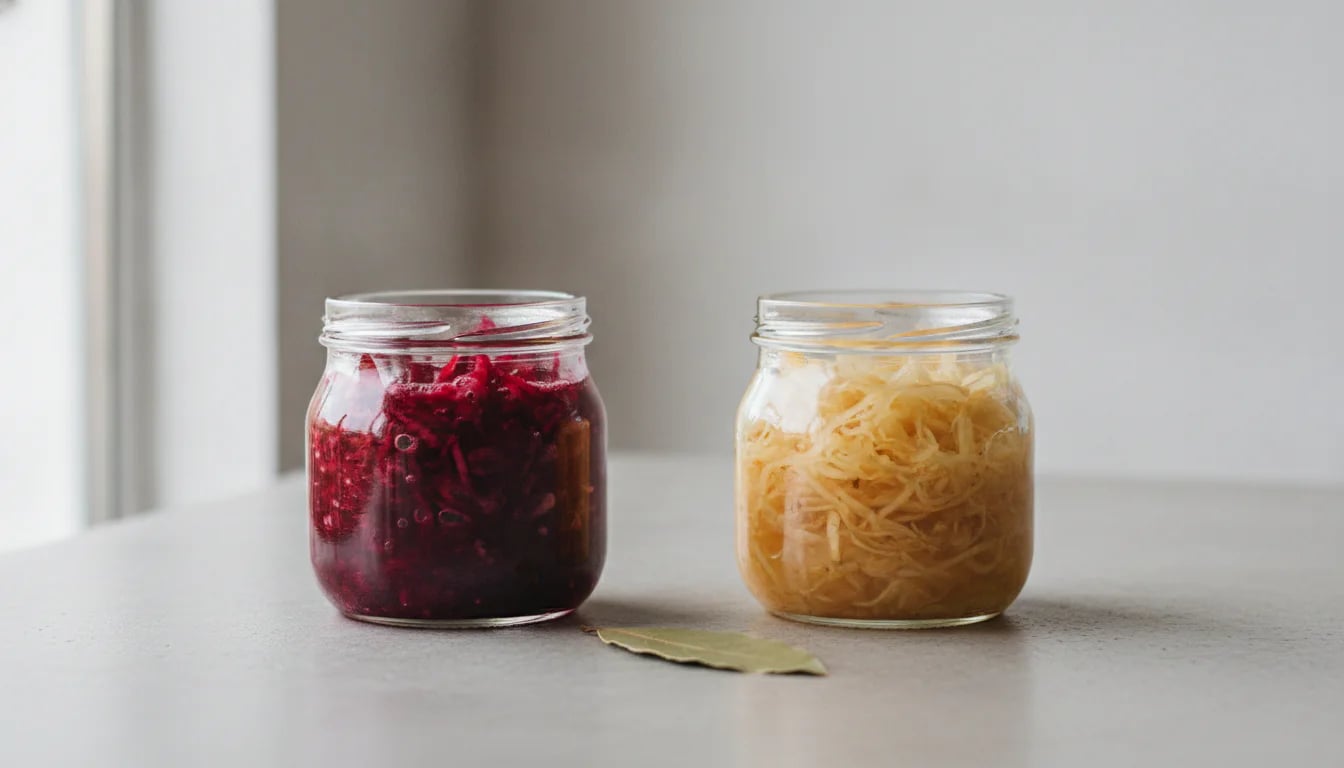
- Classic Traditional German Sauerkraut - The simplest fermented vegetable, just cabbage and salt
- Red Cabbage Sauerkraut with Caraway Seeds - Beautiful color, gut-health benefits
For More Adventurous Fermenters:
- Vegan Kimchi (No Fish Sauce) - All the anti-inflammatory benefits, plant-based
- Spicy Brussels Sprouts Kimchi - A creative twist on traditional kimchi
Quick Options:
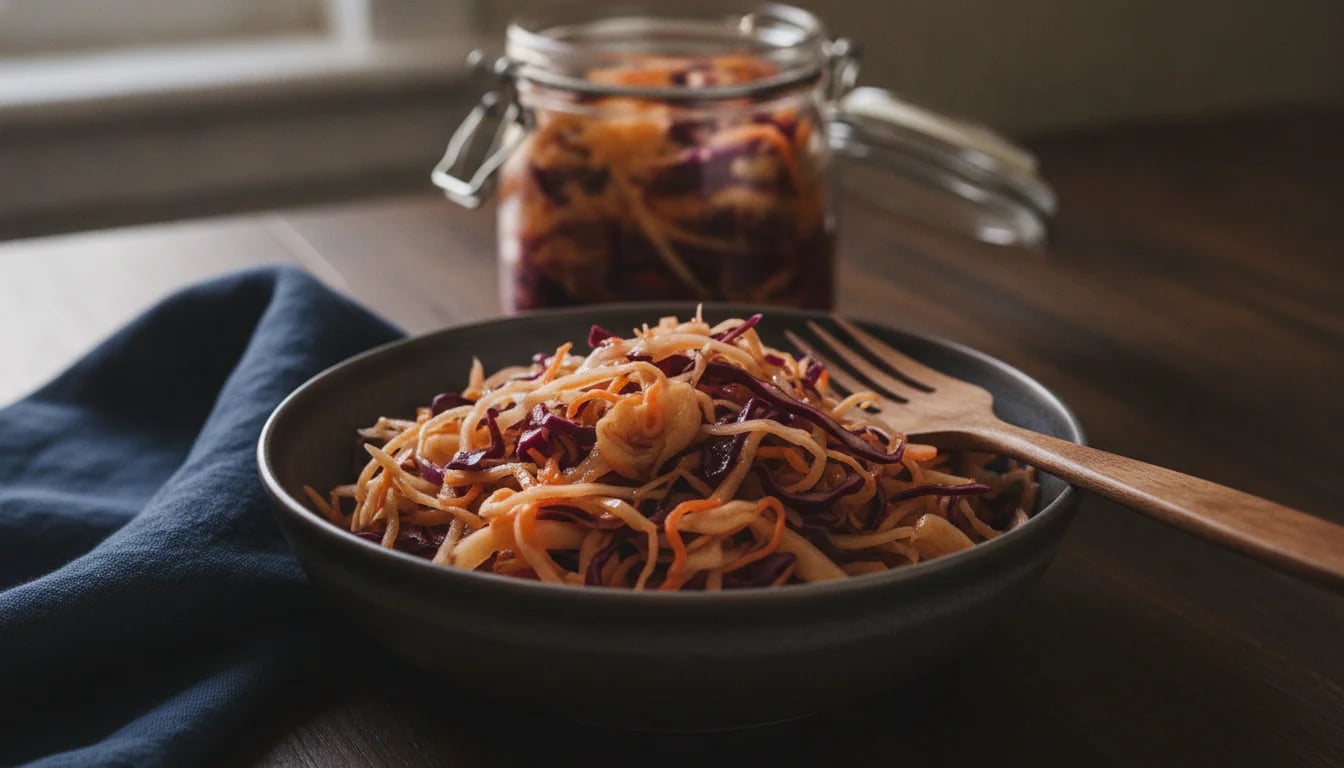
- Quick Kimchi (No-Soak Method) - Ready in 3 days instead of weeks
When you're ready to ferment, having the right tools makes the process more reliable and enjoyable. A fermentation tamper helps you pack vegetables tightly to eliminate air pockets, while fermentation weights keep everything submerged under the brine where beneficial bacteria thrive.
#What About Other Inflammatory Conditions?
While the research I've cited focuses on general inflammatory markers, many people wonder about specific conditions. Here's what we know:
Psoriasis and Skin Inflammation: The gut-skin axis is well-established in scientific literature. While direct studies on fermented foods for psoriasis are limited, the connection between gut microbiome diversity and skin health is compelling. My personal experience aligns with this emerging understanding.
Inflammatory Bowel Disease (IBD): The kimchi and colitis study I mentioned earlier showed promise, but human clinical trials are still needed. If you have IBD, work with your healthcare provider before adding fermented foods—some people with active flares may need to introduce them carefully.
Rheumatoid Arthritis: The reduction in IL-6 seen in the Stanford study is particularly relevant for RA, as this cytokine plays a key role in joint inflammation. However, fermented foods should complement, not replace, medical treatment.
Type 2 Diabetes: The anti-inflammatory effects and improved microbiome diversity seen with fermented foods may benefit metabolic health, but again, this is supportive nutrition, not treatment.
For more on how fermented foods interact with specific gut conditions, you might find these articles helpful:
#The Bottom Line: What Actually Works?
After reviewing the research and reflecting on my own experience, here's what I can say with confidence:
Fermented foods—particularly fermented vegetables and fermented dairy—have legitimate anti-inflammatory effects supported by multiple studies and meta-analyses. They're not a cure for inflammatory diseases, but they're a valuable tool for modulating inflammation.
The effects are specific: TNF-α responds consistently, while other markers like CRP and IL-6 show mixed results. This means fermented foods work through particular pathways, not as a general anti-inflammatory panacea.
Consistency and variety matter: The Stanford study showed that regular consumption over weeks and months, with diverse fermented foods, produces the strongest effects on both inflammation and microbiome diversity.
Individual responses vary: What worked for me might work differently for you. Some people notice dramatic changes; others experience subtle shifts. Both are valid.
If you're dealing with chronic inflammation—whether it's psoriasis like mine, joint pain, digestive issues, or metabolic concerns—fermented foods are worth exploring as part of a comprehensive approach to gut health.
They're not magic. But they are powerful.
And sometimes, that's exactly what we need.

Disclaimer: This article is for informational and educational purposes only. It is not intended to be a substitute for professional medical advice, diagnosis, or treatment. Individual results may vary. Please consult your healthcare provider before beginning any new dietary practice, especially if you have a medical condition or take medications. The personal experiences shared are anecdotal and should not be interpreted as typical results or medical recommendations.