#Key Takeaways
- Microplastics disrupt gut bacteria, reducing beneficial species and impairing production of healing short-chain fatty acids
- Food-grade HDPE (#2) and polypropylene (#5) plastics are safer for fermentation than other plastics, but acidic ferments accelerate microplastic release
- Glass and ceramic containers are completely inert and eliminate microplastic exposure during fermentation
- Quality food-grade plastic fermentation vessels (like E-Jen containers) are lab-tested and safe when properly maintained and replaced when worn
You've probably seen the headlines about microplastics showing up everywhere—in our blood, our lungs, even placentas. And if you're like me, you might have glanced at your trusty plastic fermentation crock and wondered: Am I making things worse?
#What Are Microplastics Doing to Your Gut?
Let's start with what we know. Research shows that microplastics—tiny plastic particles smaller than 5mm—fundamentally alter the composition and function of gut bacteria. And not in a good way.
A note on health information: The information shared here is for educational purposes only and is not intended as medical advice. Always consult with a healthcare professional before making changes to your diet, especially if you have existing health conditions or are taking medications.
When scientists exposed human stool samples to common plastics like polystyrene, polypropylene, and polyethylene, the microbial cultures became more acidic and showed significant shifts in bacterial composition. Families of bacteria that keep us healthy—like Lachnospiraceae and Oscillospiraceae—changed dramatically.
Even more concerning? The metabolic changes researchers observed mirror patterns associated with depression and colorectal cancer. Alterations in compounds like valeric acid, lactic acid, and lysine suggest that microplastics aren't just passing through—they're actively disrupting the biochemical conversations happening in your gut.
#The Gut Barrier Under Siege
Microplastics don't just mess with your microbes—they damage the intestinal barrier itself. Think of your gut lining as a selective bouncer at an exclusive club. It's supposed to let nutrients in while keeping toxins and pathogens out. When microplastics accumulate, that bouncer gets confused and overwhelmed.
The result? Intestinal barrier damage and microbial imbalance that can trigger systemic diseases through gut-brain, gut-liver, and gut-immune signaling pathways. Your gut health doesn't stay in your gut—it radiates outward, affecting your entire body.
#Which Plastics Are the Worst Offenders?
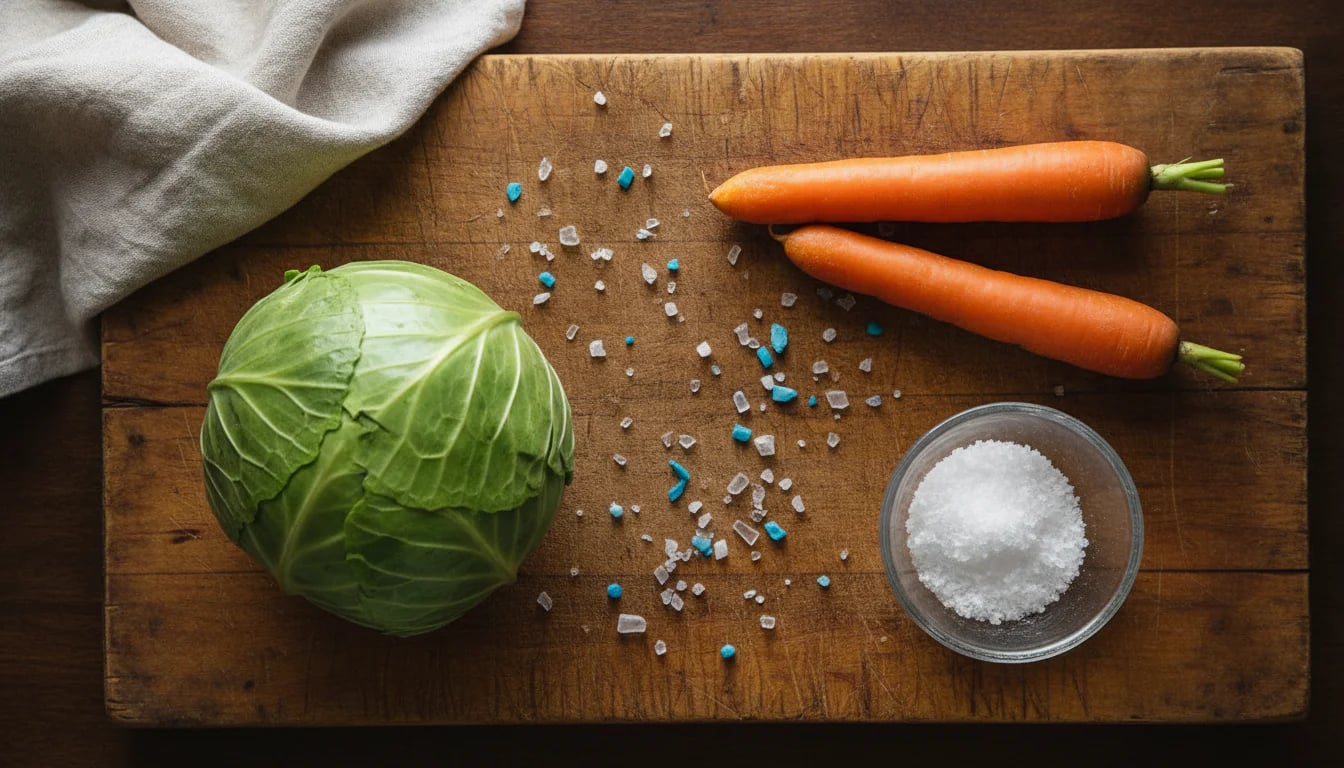
Studies have identified several plastic types as particularly problematic: polyethylene (PE), polystyrene (PS), polyethylene terephthalate (PET), polyvinyl chloride (PVC), and polylactic acid (PLA). These plastics induce gut dysbiosis—a fancy term for "your gut bacteria are out of balance"—marked by loss of beneficial genera and enrichment of pathogenic species.
The extent of disruption depends on the plastic's specific properties: type, size, and concentration all matter. Smaller particles (nanoplastics) may be even more concerning because they can penetrate cells more easily.
#So... Can You Ferment in Plastic?
Here's where it gets nuanced. The short answer is: it depends on the plastic.
#The Food-Grade Plastic Reality
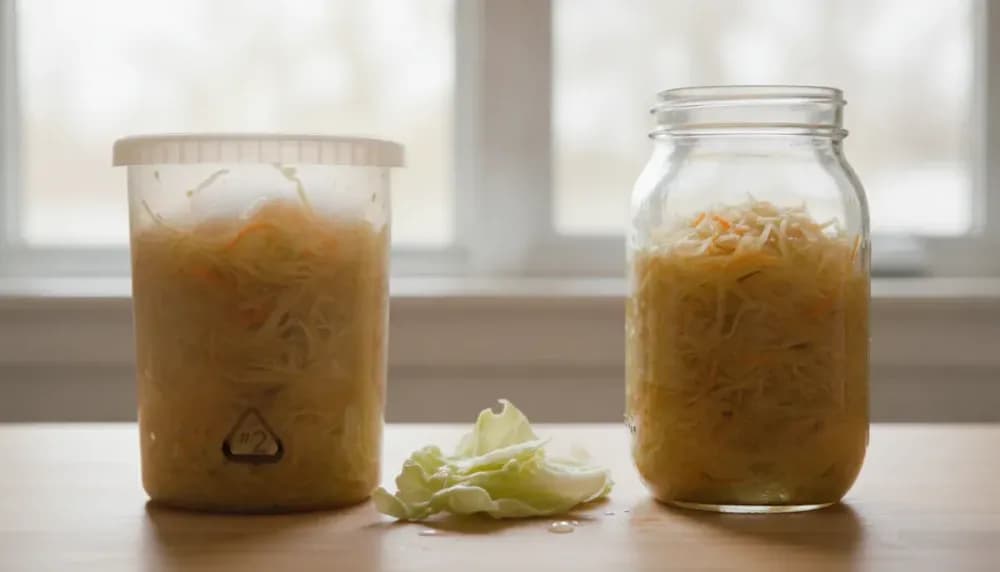
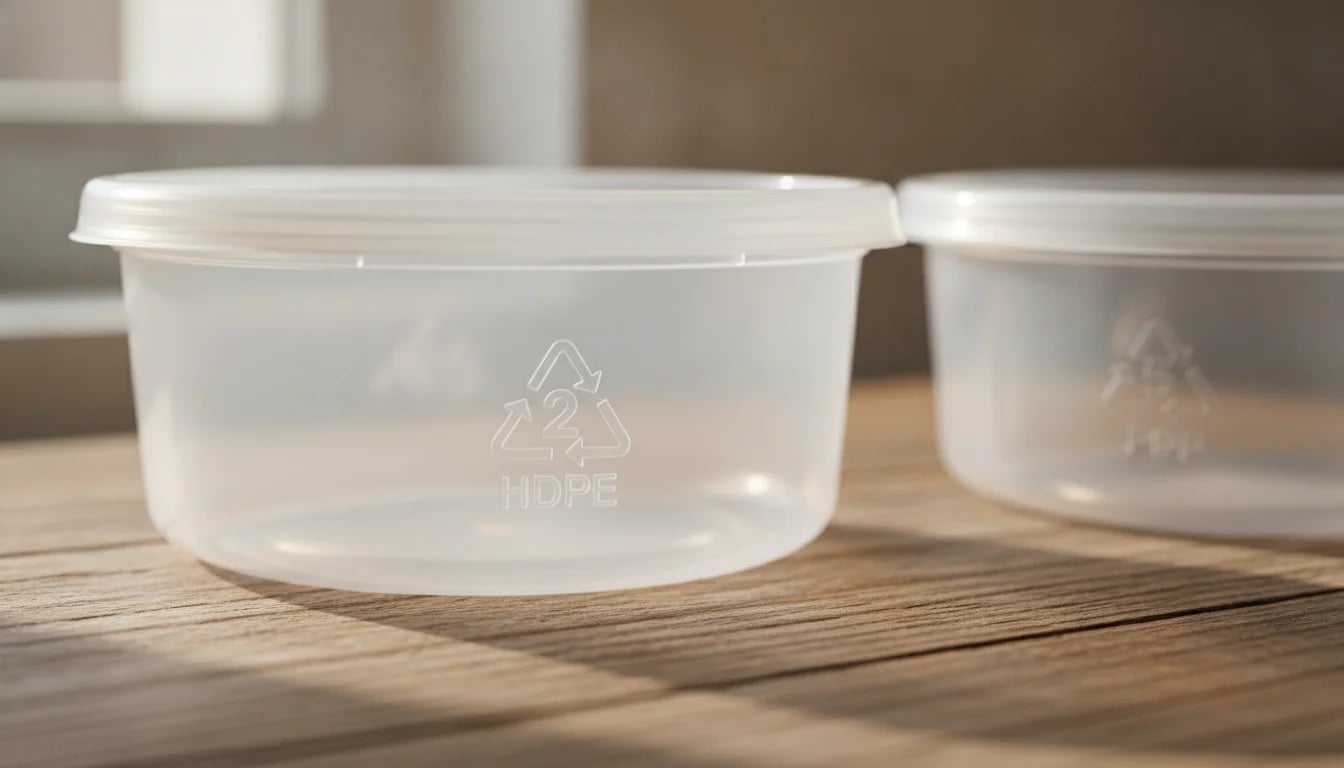
Food-grade plastics—specifically HDPE (#2) and polypropylene (#5)—are designed to withstand the salts and acids created during fermentation. These plastics are more stable than others and less likely to leach harmful compounds.
The USDA's National Center for Home Food Preservation confirms that food-grade plastic containers are acceptable substitutes for traditional stone crocks. The critical caveat? They emphasize that foods must contact only food-grade plastics—never garbage bags, trash liners, or containers not specifically rated for food contact.
But here's the catch: in acidic environments like fermentation, microplastic separation from the plastic surface speeds up. Even food-grade HDPE and PP, which hold up far better than other plastics, will eventually degrade—especially if scratched, cloudy, or worn.
#My Experience with the E-Jen
I'll be honest—I love my E-Jen fermentation container. Its plastic isn't like any old plastic out there. It's lab-tested, food-grade, and specifically engineered for fermentation. I've used it for most of my larger ferments, and so far, I haven't grown another tail. Yet.
The smaller E-Jen container is equally reliable for medium batches. These containers have built-in vacuum lids that create an anaerobic environment without the fuss of water-lock crocks. For many fermenters, especially those making large batches of kimchi or sauerkraut, they're game-changers.
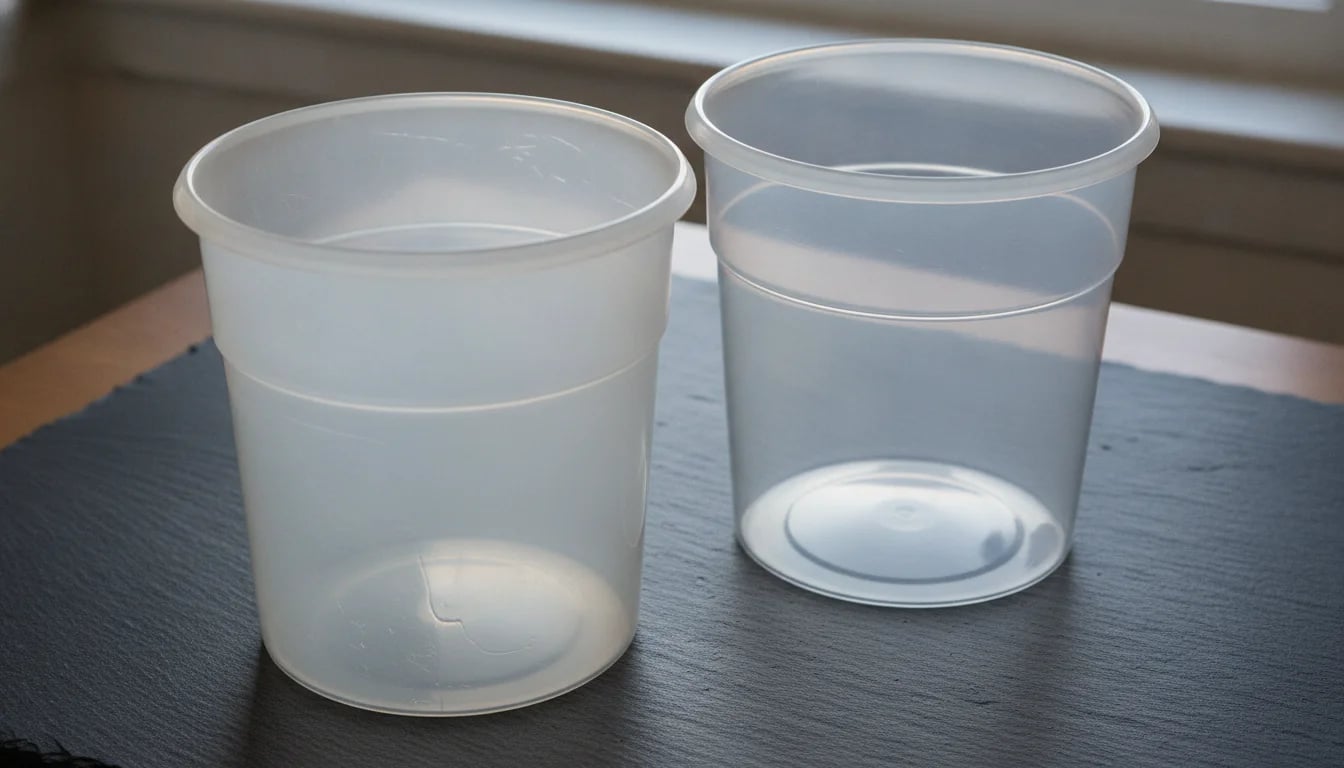
But—and this is important—I inspect them regularly. Any signs of cloudiness, scratching, or wear, and I'd replace them. Scratched or thin plastic should never be used for fermentation because it releases microplastics more readily.
#The Glass and Ceramic Advantage
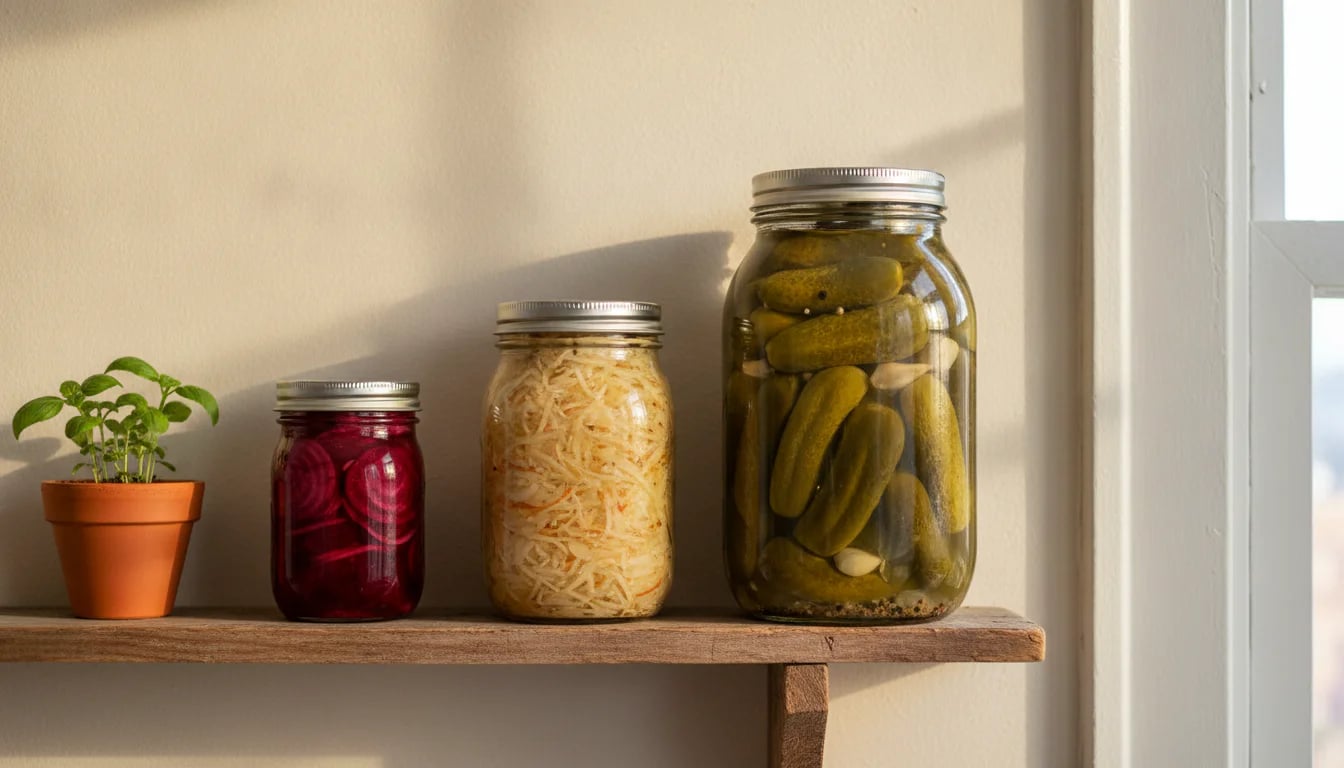
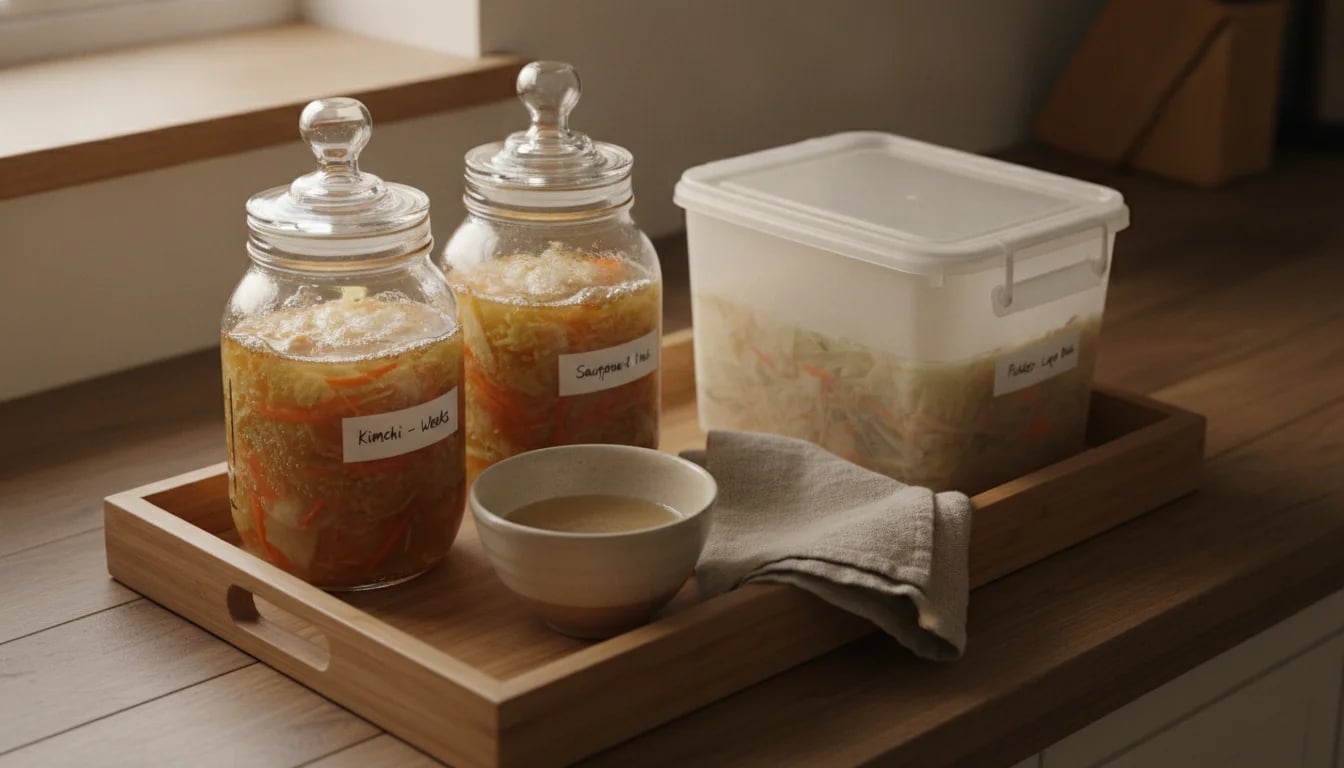
Here's the thing most seasoned fermenters eventually discover: glass and ceramic crocks are completely inert and last for life. They don't leach, they don't degrade, and they don't contribute microplastics to your ferments.
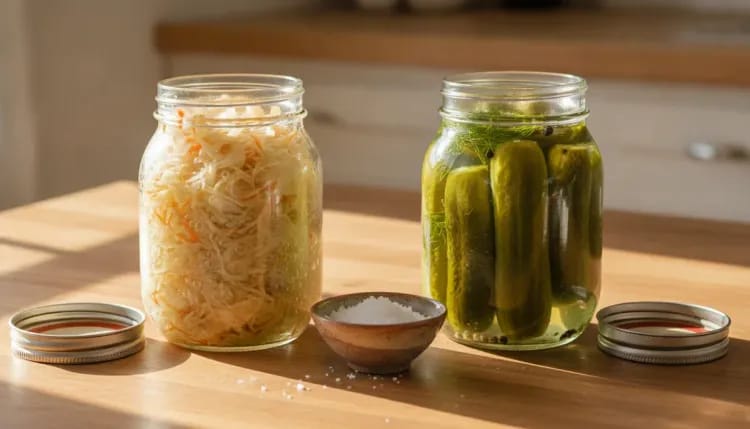
If you're just starting out, wide-mouth mason jars are perfect for small batches. Pair them with glass fermentation weights to keep your vegetables submerged, and airlock lids to prevent mold while allowing gases to escape.
For larger batches, traditional stoneware fermentation crocks are beautiful, functional heirlooms. The Ohio Stoneware crock is made in the USA and comes with everything you need—weights, lid, and tamper. These crocks use water-sealed lids that create a perfect anaerobic environment without any plastic contact.
#Making the Switch
If you're currently using plastic and want to transition to glass or ceramic, you don't have to do it all at once. Start with your most acidic ferments—things like sauerkraut and kimchi that ferment for weeks. These long, acidic fermentations are where microplastic leaching is most likely to occur.
For shorter ferments or less acidic projects, well-maintained food-grade plastic is a reasonable choice, especially if budget or storage space is a concern.
#Practical Guidelines for Safer Fermenting
Whether you choose plastic, glass, or ceramic, here are some principles to protect your gut health:
#If You Use Plastic:
-
Only use food-grade HDPE (#2) or PP (#5): Check the recycling symbol on the bottom. If it's not marked or you're unsure, don't use it.
-
Inspect regularly: Look for cloudiness, scratches, thin spots, or any signs of wear. Replace containers that show degradation.
-
Avoid prolonged contact with highly acidic ferments: The more acidic and the longer the fermentation, the more opportunity for microplastic release.
-
Never use non-food-grade plastic: Garbage bags and trash liners are absolutely off-limits, even as liners.
-
Consider plastic for weights and tools, not primary vessels: Using plastic fermentation lids on glass jars minimizes plastic contact with your ferment while still providing convenience.
#If You Use Glass or Ceramic:
-
Check for cracks and chips: Damaged glass or ceramic can harbor bacteria in ways that are hard to clean.
-
Use proper weights: Glass weights keep vegetables submerged without introducing plastic into the brine.
-
Handle with care: Glass is inert but breakable. A wooden tamper can help you pack vegetables without risking jar breakage.
-
Store safely: Heavy crocks can be unwieldy. Make sure you have a stable, accessible spot for fermentation.
#Universal Principles:
- Start with clean equipment: Whatever material you choose, thorough cleaning prevents contamination.
- Monitor your ferments: Check daily for signs of mold, off-smells, or other issues.
- Trust your senses: If something looks, smells, or tastes wrong, don't eat it.
- Listen to your body: Pay attention to how you feel after eating fermented foods. Your gut will tell you if something isn't working.
#My Personal Journey with Container Choices
When I first started fermenting, I used whatever I had—old yogurt containers, random plastic tubs, even a questionable bucket from the garage. I didn't know any better, and honestly, I was just excited to make sauerkraut.
As I learned more about fermentation and gut health, I started paying attention to the vessels I was using. The turning point came when I read about microplastics and their impact on the microbiome. I realized that I was working so hard to cultivate beneficial bacteria through fermentation, but I might be undermining that effort by using containers that released compounds harmful to those very same microbes.
I didn't throw everything out overnight. Instead, I gradually transitioned. I invested in a few quality mason jars and started using those for my weekly sauerkraut batches. For larger projects, I saved up for an E-Jen container, which gave me the capacity I needed with food-grade plastic I could trust.
Eventually, I added a traditional stoneware crock to my collection. There's something deeply satisfying about using a vessel that's been used for fermentation for centuries—a connection to the fermenters who came before me.
Now, I use a mix: glass for most things, my trusted E-Jen for big kimchi batches, and the stoneware crock for special projects. I inspect my plastic containers regularly and replace them when they show wear. It's not about perfection—it's about making informed choices that align with my values and my gut health goals.
#The Bigger Picture: Reducing Microplastic Exposure
While choosing the right fermentation vessels matters, it's worth acknowledging that microplastics are everywhere—in our food, food packaging, water, and air. They've been found in human fecal samples, placentas, lung tissue, and blood, posing what researchers call "an alarming threat to global public health."
Fermenting in glass or ceramic won't eliminate your microplastic exposure entirely, but it's one area where you have direct control. And here's the beautiful irony: the fermented foods you're making—regardless of the container—are supporting your gut microbiome, which is your body's first line of defense against environmental toxins, including microplastics.
Your gut bacteria help metabolize and eliminate harmful compounds. By nurturing a diverse, resilient microbiome through fermented foods, you're building your body's capacity to handle the environmental challenges we all face.
#Supporting Your Microbiome
Beyond container choices, here are other ways to support your gut health in a microplastic-filled world:
-
Eat a variety of fermented foods: Different ferments provide different bacterial strains. Try kimchi, sauerkraut, fermented vegetables, and fermented beverages to diversify your microbial intake.
-
Include prebiotic foods: Fiber-rich foods feed your beneficial bacteria, helping them thrive despite environmental stressors.
-
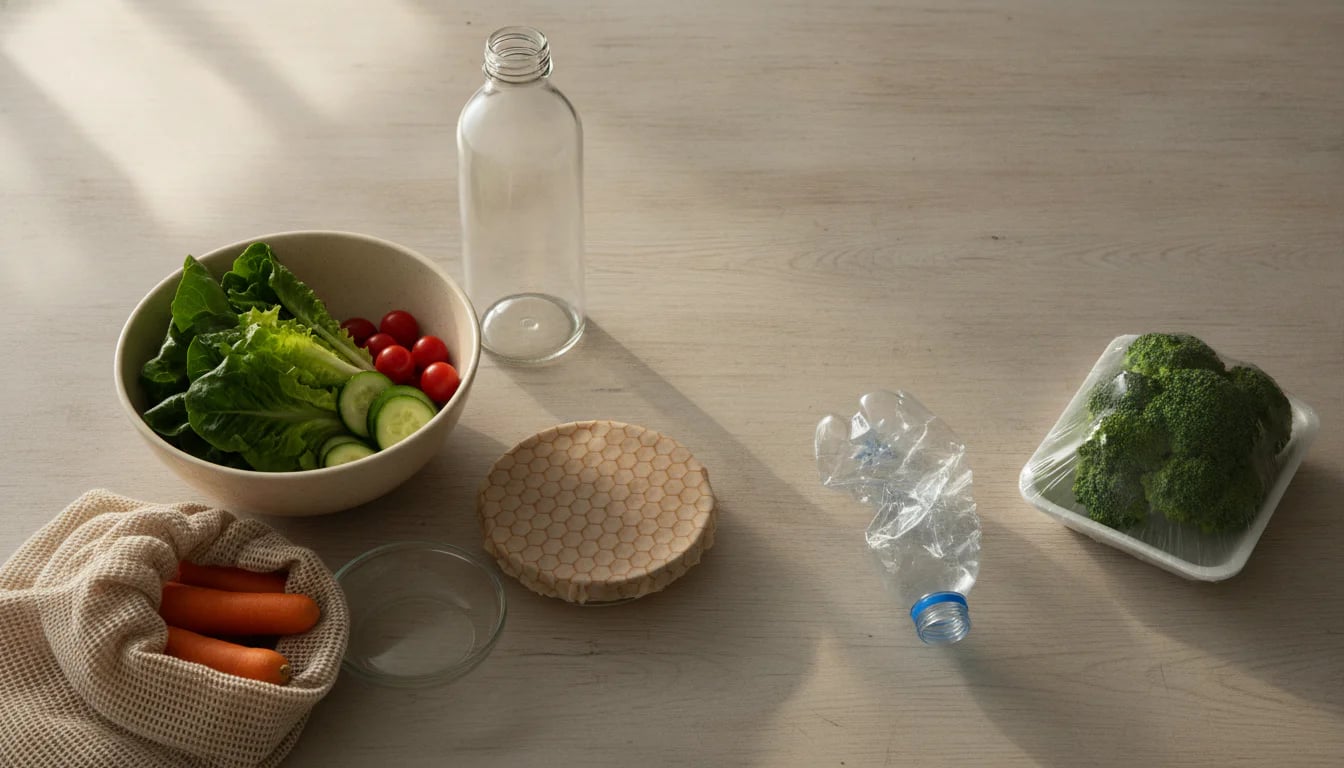
Minimize plastic in other areas: Use glass or stainless steel water bottles, avoid heating food in plastic containers, and choose fresh foods over plastic-packaged options when possible.
-
Stay informed but not paralyzed: Yes, microplastics are concerning. But stress and anxiety also harm your gut health. Make the changes you can, and don't let perfect be the enemy of good.
For more on how fermentation supports gut health, check out The Magic of Fermentation: Unlocking the Power of Microbes.
#The Bottom Line
So, can you ferment in plastic? Yes—if it's food-grade HDPE or PP, well-maintained, and regularly inspected. Should you? That depends on your priorities, budget, and risk tolerance.
For me, the peace of mind that comes with glass and ceramic is worth the investment. But I also recognize that my E-Jen container serves a purpose—it allows me to make large batches of kimchi that would be impractical in glass jars.
The most important thing is that you're fermenting at all. The gut health benefits of fermented foods—the diverse probiotics, the bioavailable nutrients, the support for your microbiome—far outweigh the risks of occasional, careful use of quality food-grade plastic.
Make informed choices. Inspect your equipment. Listen to your body. And keep fermenting.
Your gut—and all those trillions of microbes working hard to keep you healthy—will thank you.
Disclaimer: This article is for informational and educational purposes only. It is not intended to be a substitute for professional medical advice, diagnosis, or treatment. Individual results may vary. Please consult your healthcare provider before beginning any new dietary practice, especially if you have a medical condition or take medications.